Last updated: November 19, 2026
Quick answer: How to repair lawn traffic damage usually takes 2 to 4 weeks of rest, plus soil loosening and reseeding where the turf is gone. Traffic-damaged lawn can be fixed if you match the repair to the kind of wear: thin grass, compacted soil, or true bare patches. The recovery plan starts with relief from foot traffic, then soil loosening, then new grass where the turf has actually died.
What lawn traffic damage looks like, and why it keeps spreading
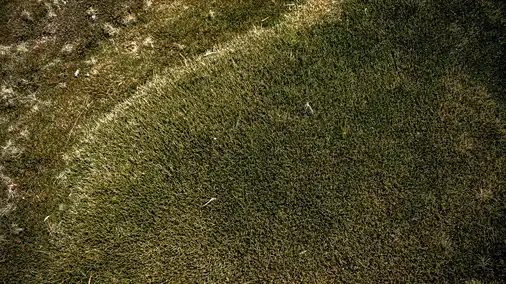
Traffic damage is the worn strip, path, or play zone where repeated foot traffic, pet paths, or constant games have crushed grass and packed the soil. If the damage is only leaf wear, the grass can rebound. If the soil is compacted, the area stays thin because roots cannot push through dense ground. If the crowns are dead, you have bare patches that need rebuilding.
The easiest clue is pattern. A straight line from gate to patio points to foot traffic. A looping track along a fence often comes from pets. A broad oval near a swing set or goal mouth is usually a play area. That pattern matters because the fix is not the same for each. A traffic line often needs edging and a clear rest period. A play zone usually needs soil work and a tougher plan for future use. Pet paths often need both cleanup and rerouting.
The common mistake is treating every damaged spot as if it were just a thin lawn. That can waste seed, water, and time. If the soil is hard enough that a screwdriver will not slide in easily, compaction is part of the problem. If the grass blades are bent but still green and anchored, the lawn may need only rest and light care. If the area is brown and hollow, the grass is gone and the ground has to be rebuilt before it can fill in. A lawn care professional can confirm which case you have; the University of Minnesota Extension notes that compaction, thinning, and bare patches call for different repairs.
Traffic damage also tends to spread at the edges. Once the worn strip gets narrower than a normal step, people step to the side, and the side gets damaged next. Lawn edging or a simple stepping-stone line can interrupt that widening pattern in high-use areas.
How to repair lawn traffic damage in the right order
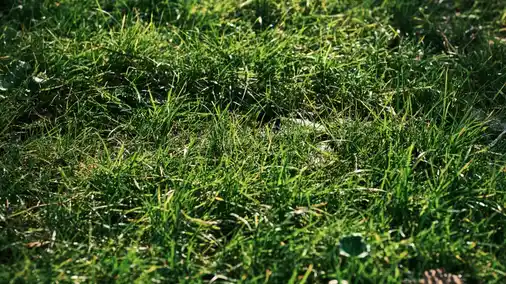
The repair works best when you stop the wear first, then loosen the soil, then replace what has been lost. Start with what you need: a rake, a hand fork or garden fork, topsoil or compost, grass seed or sod if the area is truly bare, a hose, and something to block traffic for at least 2 to 4 weeks.
- Block the traffic immediately. Keep people, pets, and play equipment off the damaged strip with temporary barriers, cones, or a simple change in route. The area should stop getting darker, flatter, or wider within a few days.
- Rake out dead blades and debris. Use a stiff rake to remove matted grass, leaves, and loose thatch from the damaged spot. The soil surface should become visible enough that you can see where the grass is still alive and where it is gone.
- Test for compaction with a fork. Push a garden fork 2 to 4 inches into the soil and rock it gently. If it resists strongly, work the fork through the area in short passes to open the top layer. The soil should feel less dense and accept water more evenly.
- Loosen the top layer without overturning the whole patch. For small areas, scratch the surface with a hand rake or fork. For larger traffic zones, aeration helps more than surface raking alone. The goal is a crumbly top 1 to 2 inches, not a smooth, sealed crust.
- Add a thin repair layer. Spread about 1/4 to 1/2 inch of compost or screened topsoil over the loosened area. Work it into the surface so the grass crowns are not buried. You should still see the existing turf tips above the repair layer.
- Replant only where grass is missing. Put grass seed or pieces of sod only into the bare patches. Press seed into the soil, or set sod edges tight together with no gaps. The repaired area should look level with the surrounding lawn, not mounded.
- Water lightly and often at first. Keep the top layer evenly moist until new growth begins. The surface should stay damp, not soggy. Once the new grass is established, shift to deeper, less frequent watering.
- Keep traffic off long enough to root. Leave the area alone until the grass can hold up to a gentle tug and no longer pulls loose. In a play zone or pet path, that often means planning a rest period before normal use returns.
The fix that fails most often is the one that skips step 1. A repaired strip that still gets daily traffic will collapse again before roots take hold. Another weak fix is piling on soil to hide damage. Too much cover smothers the remaining grass and creates a hump that later needs leveling, which is another job entirely.
What to do about compacted soil in play zones and paths
Compacted soil needs loosening before the lawn can recover, especially in play zones where repeated pressure has squeezed the air out of the root zone. If the area sees football cuts, dog runs, or a short route from door to gate, plain watering will not solve the problem.
Start by opening the soil with a fork or core aeration. For a small patch, a garden fork pushed in several inches every few inches is enough. For a larger worn zone, a core aerator creates more air space than surface poking. The result you want is simple: water should soak in instead of puddling on top, and the surface should feel less like a hard mat.
After loosening, add a thin topdressing of compost or screened topsoil. Keep it light. A layer thicker than 1/2 inch can bury the crown of healthy grass and slow recovery. Then reseed or patch only where the turf has actually failed. If the whole zone is thin but not bare, the goal is to encourage existing grass, not start from zero.
This is also the point to think about recovery planning. A high-use lawn should not be treated like a lawn that is never stepped on. If the area serves as a daily route, consider a 3-part plan: a main walkway, a small lawn section set aside for play, and a rest strip that is left alone. Lawn edging can help hold that plan in place and stop people from cutting across corners. For larger problem areas, the USDA NRCS and extension services both recommend aeration and traffic management before reseeding.
One trade-off is appearance. A repaired compacted area often looks slightly different for a few weeks because new growth is lighter or shorter. That is common. What matters is whether the soil is opening and the grass is regaining density. If the ground still feels hard after loosening, the repair is incomplete and the damage will return.
For long-term lawn renovation and repair decisions, this topic belongs with the bigger plan for the yard rather than with a one-off patch. See also our lawn renovation and repair guide and lawn aeration guide for related steps.
How long should you let traffic-damaged lawn rest?
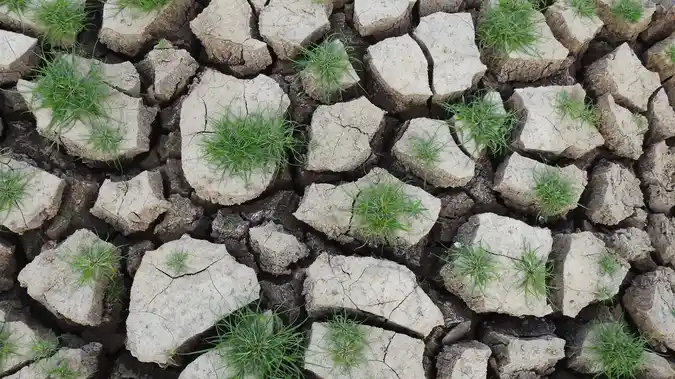
Traffic-damaged lawn should rest until the soil opens up and the grass can resist wear again, not just until it looks greener. That rest period is what lets root growth catch up to surface growth.
A short rest can help lightly worn grass recover if the roots are still alive. A longer rest is needed when you have bare patches or visible compaction. If you start using the area again while the surface is still soft and new roots are shallow, the damage comes back fast. In practical terms, the lawn should stay off-limits until it no longer dents under normal steps and the repaired patches are anchored.
The biggest mistake here is confusing “green” with “ready.” Grass can look fine from a few feet away while still having weak roots underneath. A lawn that has been repaired after foot traffic needs time to knit together. That is especially true in pet paths and play zones where pressure is repeated in the same line every day.
Rest planning is easier if you divide the lawn into zones. Give one route a durable path, reserve one patch for use, and rest the most damaged strip for several weeks. If the worn area sits between a driveway and a gate, a stepping-stone or edging change may be the better fix than asking the grass to handle the load again. For route planning, our stepping-stone path ideas page and lawn edging guide can help.
Common mistakes that make traffic damage worse
The worst mistake is repairing the symptom and leaving the traffic pattern unchanged. If the path is still the shortest way across the yard, the same strip will fail again in a month or two. Change the route, even if that means adding edging, a narrow path, or a better gate-side landing.
A second mistake is overwatering after repair. The soil needs moisture, but saturated ground stays soft and encourages shallow roots. The surface should be damp enough for seed or new sod, not muddy. If water sits in the area for hours, drainage or compaction is still the issue.
A third mistake is putting down too much soil. Heavy cover can smother the remaining grass and create a dip-and-bump effect along the edges. Keep the repair layer thin, usually under 1/2 inch unless you are rebuilding a bare patch from scratch.
A fourth mistake is reseeding a heavily compacted strip and hoping the seed will force its way through. Seed cannot fix hard soil. Open the soil first, then repair. If the area is a chronic play zone, the honest answer may be partial rerouting rather than constant patchwork. A lawn care professional can help if the damage keeps returning.
This section matters because traffic damage is usually a pattern problem, not a one-time injury. Fixing the lawn without changing use is like mending a sleeve while wearing the same torn jacket every day.
How to keep foot traffic from tearing the same spot again
Foot traffic keeps tearing the same spot when the yard gives people no better choice, so the long-term fix is to guide movement as much as to heal grass. Use lawn edging, stepping stones, or a narrow hard path where the route is obvious. In a pet path, a direct route to the gate or potty area is often better than forcing the animal through a lawn corner.
If the damaged area is a play zone, grass alone may not be the best surface for the heaviest use. Give the lawn a smaller role and let adjacent soil, mulch, or a path carry some of the load. That is not giving up on the lawn; it is protecting it from a use pattern it cannot tolerate every day. For families planning a play area, this is where a durable path or mulch strip can reduce repeat wear.
Timing matters too. Rest periods work best when they are planned, not improvised after the grass fails. A lawn that gets a few days off every week may recover. A lawn that gets stepped on all day and repaired only once a year usually stays thin.
The right fix is the one that matches the use. A straight traffic line wants a visible path. A dog route wants a durable edge. A game area wants rotation and downtime. A generic patch kit does not solve those problems by itself. See our pet path solutions page for route changes that reduce repeat wear.
When traffic damage is repairable, and when it is not
Traffic damage is repairable when the soil can be loosened and the grass around it is still alive enough to spread back into the opening. If the area is thin but rooted, a careful repair usually works. If the patch is large, hard, and lifeless, the job becomes more like rebuilding than simple repair.
This matters because some readers waste weeks on areas that need a broader reset. A strip with severe compaction, dead grass, and repeated pet traffic may need a new route or a more durable surface next to the lawn. That is not a failure; it is the practical choice when the ground cannot carry the load.
If you are unsure whether the damage is only wear or a deeper lawn problem, look at the edge of the patch first. Green edges and flexible soil point toward recovery. Hard soil, widening bare spots, and water that runs off instead of soaking in point toward more than surface wear. When the job starts to look like full lawn renovation rather than a traffic repair, the bigger plan belongs in the broader renovation work, not in a small patch fix. The University of Minnesota Extension and Penn State Extension both advise checking soil condition before reseeding.
Key Takeaways
- Stop the traffic first or the repair will fail again.
- Thin wear, compacted soil, and bare patches need different fixes.
- Loosen hard soil before you add anything on top.
- Keep the repair layer thin so you do not bury healthy grass.
- Use edging, paths, or route changes to protect high-use spots.
- Give the lawn enough rest time to root before normal use returns.
Why does grass wear out in paths?
Grass wears out in paths because the same step pattern crushes blades and compresses soil in the same line. Once the ground gets dense, water and air move through it less easily, so roots weaken and the strip gets thinner each time it is used.
How do I fix trampled grass?
Fix trampled grass by stopping traffic, raking out matted debris, loosening the top soil, and adding a thin layer of compost or topsoil before repairing any bare spots. If the area is only bent and not dead, rest alone may be enough. If the soil is compacted, opening it first is the real fix. The USDA notes that core aeration can improve water movement in compacted turf.
Can high-traffic lawn areas recover?
Yes, high-traffic lawn areas can recover if the grass is still alive, the soil is opened, and the use pattern changes enough to let roots rebuild. They do not usually recover well if daily traffic continues across the same line. In the most worn spots, a path or other surface may be the better long-term answer.
Drafted with AI; not yet reviewed by a person.





Leave a Reply