Last updated: November 19, 2026
Key Takeaways
- Winter lawn damage prevention focuses on three pressures: snow and ice smothering, traffic and equipment crushing, and road-salt burn.
- Snow mold is most likely when snow sits on grass that stays damp and packed.
- Snow, ice, and frozen grass harm turf in different ways, so prevention depends on the problem.
- Keeping sodium chloride and similar de-icers out of the root zone is the core salt-control step.
Winter lawn damage prevention starts with keeping weight, salt, and trapped moisture off dormant grass. This guide to how to prevent winter lawn damage from snow and ice gives the quick answer: protect the lawn from compaction, keep snowbanks and ice from lingering in the same spots, and move de-icing products and plow piles away from turf edges.
The winter lawn damage prevention steps that matter most
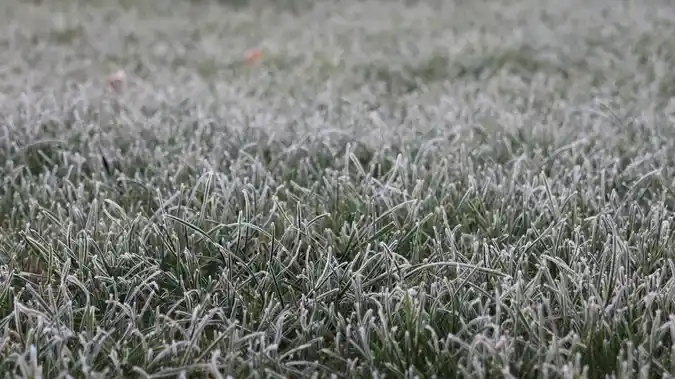
Winter lawn damage prevention is mostly about reducing three pressures: smothering from snow and ice, physical crushing from traffic and equipment, and chemical burn from road salt. The guide below follows the order I would use once the grass is already dormant and the weather has turned cold. For seasonal timing, see the Seasonal Lawn Maintenance hub, the lawn care guide, and winter lawn care.
-
Mark the lawn edges before the first heavy snowfall. Put stakes, reflective driveway markers, or low profile flags every 6 to 10 feet along turf next to walks, drives, and curb lines. When snow is 6 inches deep or more, these markers keep a shovel or snowblower from scraping the same strip of grass all winter. You should be able to see the boundary from the porch or driveway without stepping onto the lawn.
-
Move snow to one or two consistent dumping areas. Push snow to places that can handle the meltwater, such as a gravel strip or a low-use border bed, instead of spreading it across the whole yard. A single tall pile can sit on grass for weeks and create a dead patch when the thaw comes, so the goal is to concentrate the pile where turf loss matters least. See how to shovel snow safely and snow removal tips.
-
Keep snow and ice off the lawn surface where you can. After a storm, clear walks and drives without throwing heavy clumps of snow back onto the turf. If an ice sheet forms on top of the lawn, leave it alone unless it is blocking drainage or created by runoff from a hardscape. The visible sign that this worked is simple: the grass is covered by a light, even snow layer, not by compacted piles or a crust that stays frozen for days. For more on turf recovery, see spring lawn recovery.
-
Use a shovel and snowblower in a way that does not scalp the turf. Set the snowblower shoes or skid plates high enough that the auger does not chew into the soil at the edge of the lawn. On a shovel, lift and toss rather than drag the blade over the grass. A single pass that slices the crown of the grass is enough to create a brown line that lasts into spring.
-
Keep salt and de-icer off the turf. Apply ice melt only where people need footing, and stop at the edge of the hard surface. If you must treat a side path near grass, use the smallest practical amount and sweep stray crystals back onto the pavement. If conditions are tricky or the turf edge is especially vulnerable, consult a local lawn professional or follow the product label and local extension guidance. The result should be a cleaned surface with a narrow untreated buffer at the turf edge, not a white crust sitting in the lawn. Cornell Extension and University of Minnesota Extension both advise limiting salt contact with turf and plants.
-
Break up bad ice cover on drainage routes, not on dormant grass. If melting and refreezing are sending water toward the lawn, redirect it with a channel on the pavement side or by opening a path off the hardscape. Do not hack at sheet ice in the grass with a metal tool. The target is runoff control, not bare ground.
-
Avoid repeated foot traffic on frozen grass. Take the same path every time you cross the yard, or better, stay off it entirely. Frozen turf blades and crowns snap under repeated steps, especially when the soil is frozen hard underneath. A protected lawn still looks flat and intact after a thaw, instead of showing a mat of broken, gray-green blades.
The main trade-off is simple: every prevention step that keeps snow or ice off the lawn makes the driveway or walk a little more demanding to manage. That is still better than turning a whole lawn edge into a salt strip or a crushed corridor.
Why snow mold shows up after a warm, wet winter
Snow mold prevention matters because the fungus usually gets its opening when snow sits on grass that stays damp and packed. The lawn is not “infected by snow” in a general sense; the problem is long, wet cover, poor air movement, and matted grass under the blanket. Two common forms are gray snow mold and pink snow mold, both associated with cool, wet conditions.
The easiest prevention is to keep the turf from being buried under dense piles and to avoid making the grass mat down before winter. Once snow has fallen, the practical move is to leave natural snow cover in place rather than repeatedly compacting it with foot traffic, sleds, or more shoveled snow. If a shaded area receives meltwater from a roof, downspout, or driveway edge, that area is more likely to stay wet for days and become a problem spot when snow mold pressure is high. For related setup help, see fall lawn preparation.
A light, airy snow layer is less harmful than a crust of ice or a heavy pile pushed off a sidewalk. The reason is not cosmetic; it is airflow and moisture. A 4-inch drift that never changes can trap humidity against the crown of the grass far longer than a thin, loose snowfall that comes and goes.
I would not recommend trying to “clean up” winter mold risk by raking the lawn aggressively during winter. That can tear dormant blades and make the problem worse. A better approach is to manage snow storage, reduce shade-banked moisture, and avoid leaving thatch or matted clumps on the surface going into the season. For deeper turf guidance, the hub page on seasonal lawn maintenance belongs nearby because the fall prep decisions affect winter damage before the first storm.
How do snow, ice, and frozen grass actually damage turf?
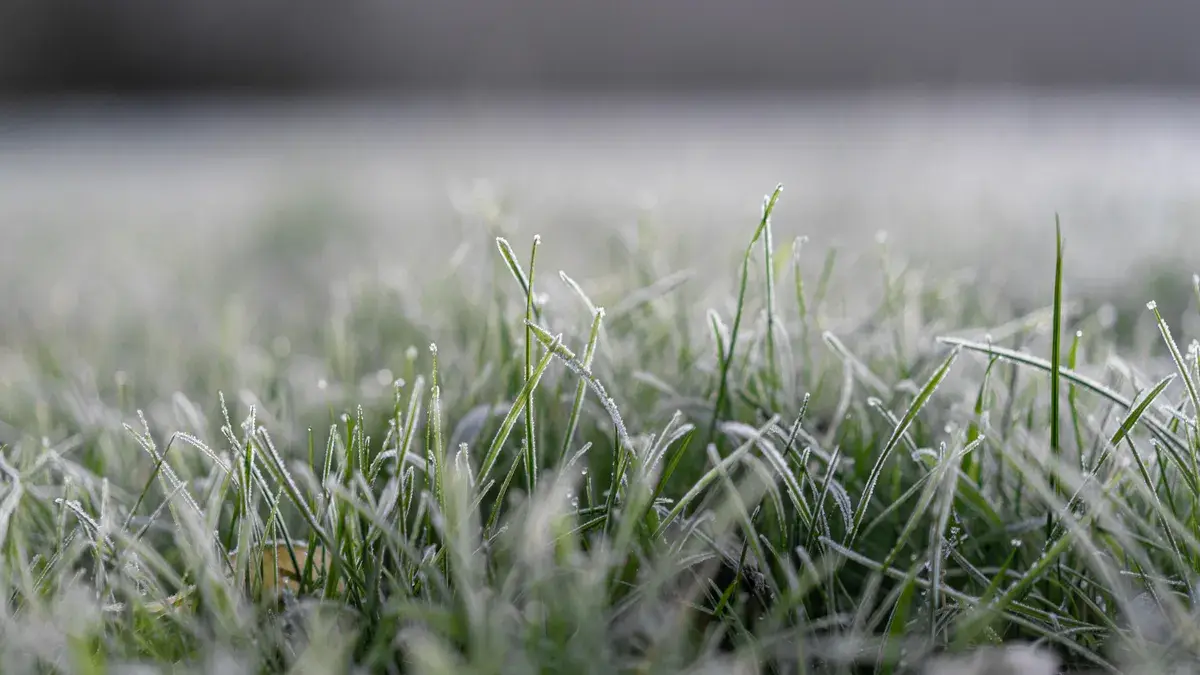
Snow, ice, and frozen grass damage turf in different ways, and the fix depends on which one is doing the harm. Snow mostly causes trouble when it piles too deep, lingers too long, or gets compacted into a dense load. Ice harms lawns by sealing off air, holding water in place, and increasing the chance of crown injury when the surface thaws and refreezes. Frozen grass is fragile because the blades and crowns lose flexibility, so pressure that would be harmless in summer can snap tissue in winter.
A useful rule is to think in layers. Snow on top of dormant grass is often acceptable if it is loose and temporary. Ice cover is much more likely to create trouble, especially when it forms a solid sheet that sits over a low spot or drainage path. Frozen grass plus foot traffic is a separate problem: the lawn can look unchanged while the crowns underneath are being crushed.
This is why road plow splash is such a common source of edge damage. The snow plume from a street or driveway can bury the same 2- to 3-foot strip of turf over and over, then the meltwater and salt stay there. That combination is rough on the lawn even if the rest of the yard looks fine.
The part many generic articles miss is that winter damage is often localized. One corner of the yard can come through clean while the strip near the driveway is scorched, matted, or thin. That means prevention should be targeted. Put effort where the lawn is exposed to runoff, traffic, plow piles, and melt cycles; do not waste energy treating the middle of an open lawn as if it were the same risk. For a broader turf overview, the lawn care guide and spring lawn recovery pages can help after the thaw.
Stop salt damage before it starts
Salt damage prevention starts with keeping sodium chloride and similar de-icers out of the lawn’s root zone. Road salt is not a cosmetic nuisance; it can burn leaf tissue, dry out the soil, and leave the spring edge thin and weak. The worst spots are often along walks, roads, and driveways where splash, runoff, and shoveled snow all meet.
The simplest control is distance. Keep de-icer on the pavement, not in the grass. If you use a broadcast spreader, set it low and keep the throw pattern inside the hard surface. If you apply by hand, stop a few inches short of the turf edge. A narrow untreated strip at the border is often a better outcome than salt running through the sod.
There is a trade-off here. Less salt on the ground can mean more scraping and a little more caution on slippery mornings. That is the right compromise for the lawn in most home settings. On steep or high-risk walkways, safety still comes first, but the more salt used, the more important it becomes to keep meltwater from draining into the yard. The snow removal tips page and ice melt safety advice can help keep the balance.
A second control is snow placement. If a sidewalk pile contains salt, do not push it into the same lawn corner every time. That corner becomes a concentrated salt sink as the pile melts. Watch for a spring pattern of thin, pale, or patchy grass along pavement edges; that is often the footprint of repeated salt exposure, not a general lawn failure.
For home de-icers, the label matters. Products vary, and some are more forgiving around plants than others, but no de-icer is harmless if it is repeatedly dumped onto turf. Read the spread rate on the bag and, if the directions are unclear for your site, consult a local professional or extension office before treating the lawn edge as an application area. If the area is a chronic problem, changing how snow is stored is usually more effective than adding more chemical. The EPA also notes that overuse of de-icers can harm vegetation and waterways.
Prevent ice cover from turning into a drainage problem
Winter drainage matters because water that cannot move will freeze in place, and frozen water is what turns a manageable snow event into lawn damage. Ice cover often starts with a bad slope, a downspout discharge, a compacted snowbank, or a melt path from a driveway that sends water into the same turf strip again and again.
The fix is to guide water away before it reaches the lawn. Make sure downspouts are not dumping onto grass that will freeze overnight. If the property has a low spot where meltwater always collects, move snow storage somewhere higher and drier so the thaw does not flood the same place. A backyard lawn that stays wet for 12 to 24 hours after each warm spell is telling you it has a drainage issue, not just a weather issue. For drainage work, the yard drainage guide is a useful next step.
Do not chip at a thick ice crust on the lawn with a metal shovel or pick. That can shear the turf crowns and tear up the soil surface. If the ice is on a paved area and is creating runoff, clear the pavement side and open a drainage path there instead. The goal is to make future meltwater leave the yard, not to expose every blade of grass.
This is one of the few winter lawn problems that can start before the grass is visibly damaged. If you see repeated freeze-thaw glazing in the same low area, that spot is already at risk for thinning by spring. The practical move is to prevent repeated saturation, because the combination of cold, standing water, and frozen soil is hard on roots and crowns even when the top of the lawn looks unchanged.
What not to do if you want the lawn to survive winter
The biggest mistake is to treat the lawn like a parking lot. A frozen lawn can handle weather, but it cannot handle repeated compression from people, sleds, wheelbarrows, or vehicle tires. One crossing may not matter much; ten crossings over the same frozen strip can flatten and break the crowns and leave a visible lane in spring.
The second mistake is scraping too low with a shovel or snowblower. A clean pavement edge is not worth a gouged turf edge, and that edge is often the first place you notice winter damage when the snow melts. Keep equipment raised enough that it does not skim the lawn surface. If a machine throws gravel or sod chunks, it is set too low.
The third mistake is burying the same spot all winter with plowed snow. A snowbank can seem harmless because it is just snow, but the weight, meltwater, and salt contamination all add up. Move the pile if the same turf strip is getting covered storm after storm.
The fourth mistake is assuming that winter damage is only a spring problem. By the time the snow is gone, the harm is already done. Winter lawn damage prevention works because it removes the cause while the lawn is dormant, not because it repairs the lawn afterward.
If a lawn edge has chronic winter kill every year, the problem may be the site rather than the season. In that case, changing traffic patterns, drainage, or snow storage location is more effective than expecting the same turf to tolerate the same abuse again. A yard with heavy winter runoff or constant sidewalk salt exposure is not the right place to keep using the same no-change routine.
For broader seasonal timing, the Seasonal Lawn Maintenance hub is the right supporting page because winter prevention works best when fall prep and spring recovery are part of one cycle.
The winter habits that protect a lawn through spring
Winter lawn damage prevention works best when the lawn is left alone except where protection is needed. Keep snow piles off turf, keep salt on pavement, keep feet off frozen grass, and keep meltwater moving away from low spots. Those four habits prevent most of the edge damage that shows up after thaw.
A healthy winter pattern looks boring. The snow cover is even, the lawn edges are visible from markers or memory, the driveway pile stays in one place, and the thaw does not leave a salty, crushed border. That is the result to aim for.
The honest limitation is that not every lawn can be protected perfectly. A property that sits below a sidewalk, catches road spray, or has poor drainage will always face more winter pressure than a sheltered yard. In those cases, prevention is still worth doing, but it needs the right expectation: reduce damage where possible and focus on the spots that take the hit every year.
Can snow damage grass?
Yes, snow can damage grass when it sits in heavy piles, stays wet for a long time, or gets packed down over the same area again and again. A light, temporary snow cover is usually less harmful than ice or repeated foot traffic, but deep drifts and snowbanks can smother turf and leave dead patches in spring.
How does salt affect a lawn?
Salt damages a lawn by burning leaf tissue, drying out the soil, and stressing grass at the edge of pavement where runoff collects. The worst damage usually shows up along sidewalks, driveways, and streets. Keeping de-icer on hard surfaces and away from turf is the simplest prevention.
Should I walk on frozen grass?
No, I would avoid walking on frozen grass unless you have no other choice. Frozen blades and crowns break more easily under pressure, and repeated steps can leave a flattened path that does not recover well until spring. If you must cross the lawn, use the same route each time and keep the traffic light.
Drafted with AI; not yet reviewed by a person.





Leave a Reply