Last updated: November 20, 2026
Quick Answer: One practical way to get a greener yard is to match the sprinkler to the space, then water less often but more evenly. This guide to Va Lawn and Landscape: Expert Tips for a Greener Space: related questions focuses on sprinkler choice, coverage, and scheduling. For small beds and tight turf strips, a fixed spray head can help; for larger lawn areas, a rotary head usually wastes less water and covers more ground. I write about lawn care, irrigation, and landscape maintenance, so I pay close attention to the questions that matter when a yard needs to look better without using more water.
Key takeaways
- A greener yard starts with coverage, not more runtime.
- Small areas and larger turf need different sprinkler types.
- Uneven spray leaves dry spots, soggy spots, and brown edges.
- A simple check of heads, pressure, and overlap can improve results fast.
- The wrong sprinkler choice can make watering harder, not easier.
How do I choose the right sprinkler for a greener space?
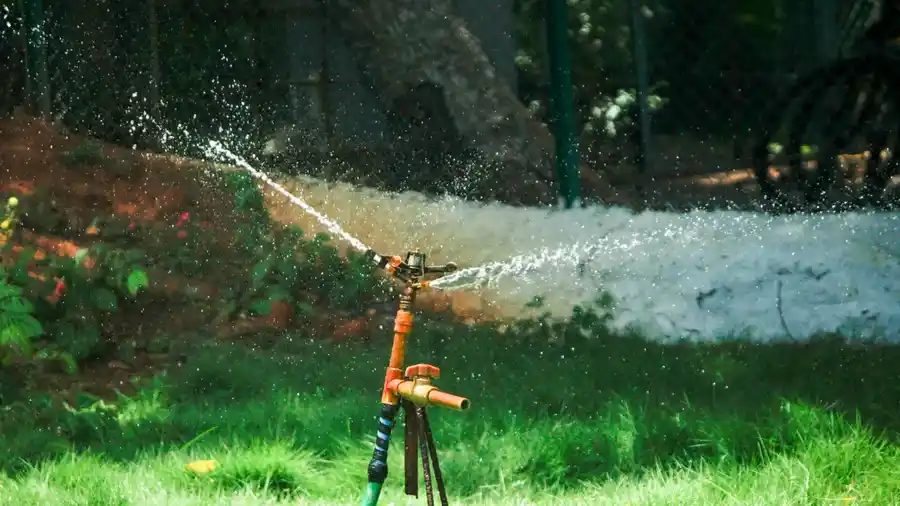
Therefore, the right sprinkler is the one that fits the shape of the space, not the one with the most spray. A small, narrow bed usually needs a different pattern than a broad lawn, and that is where many watering problems begin.
For example, irrigation groups such as the EPA WaterSense program and the Irrigation Association both stress efficient coverage and proper scheduling as the basis of better watering. A yard that gets even coverage with the right head type is easier to keep healthy than one that gets a longer watering time from the wrong head.
Use this simple filter before you buy or swap anything:
- Small, odd-shaped space: fixed spray often fits better.
- Wider turf area: rotary-style coverage is usually the better match.
- Mixed landscape: separate zones matter more than one all-purpose head.
- Slope or runoff risk: shorter cycles with better matched heads help more than one long soak.
Because of that, the common mistake is trying to fix a dry lawn with more minutes on the timer. That can create runoff, shallow roots, and mushrooms in the wet spots while the dry spots stay dry.
Fixed spray or rotary: which one works better?
In contrast, fixed spray wins for tight beds and small patches; rotary wins for larger lawn zones that need broader coverage. That is the core split, and it matters more than brand names or packaging claims.
Here is the honest side-by-side:
| Criteria | Fixed spray | Rotary | Winner for this condition |
|---|---|---|---|
| Best use area | Small beds, narrow strips | Larger lawn zones | Fixed spray for small spaces |
| Water pattern | Short, even fan | Rotating stream | Rotary for bigger turf |
| Run time | Usually shorter | Usually longer | Fixed spray for quick coverage |
| Overspray risk | Higher if spacing is off | Lower when matched well | Rotary for sidewalks and driveways nearby |
| Fine-tuning | Simple to understand | More setup-sensitive | Fixed spray for beginners |
| Wind sensitivity | More affected | Less affected | Rotary on open yards |
| Runoff control | Can be harder on slopes | Often easier to manage | Rotary on sloped lawn areas |
| Edge coverage | Strong on small edges | Better across larger arcs | Fixed spray for borders |
| Mixed landscapes | Can work in beds | Better for lawn blocks | Depends on zone size |
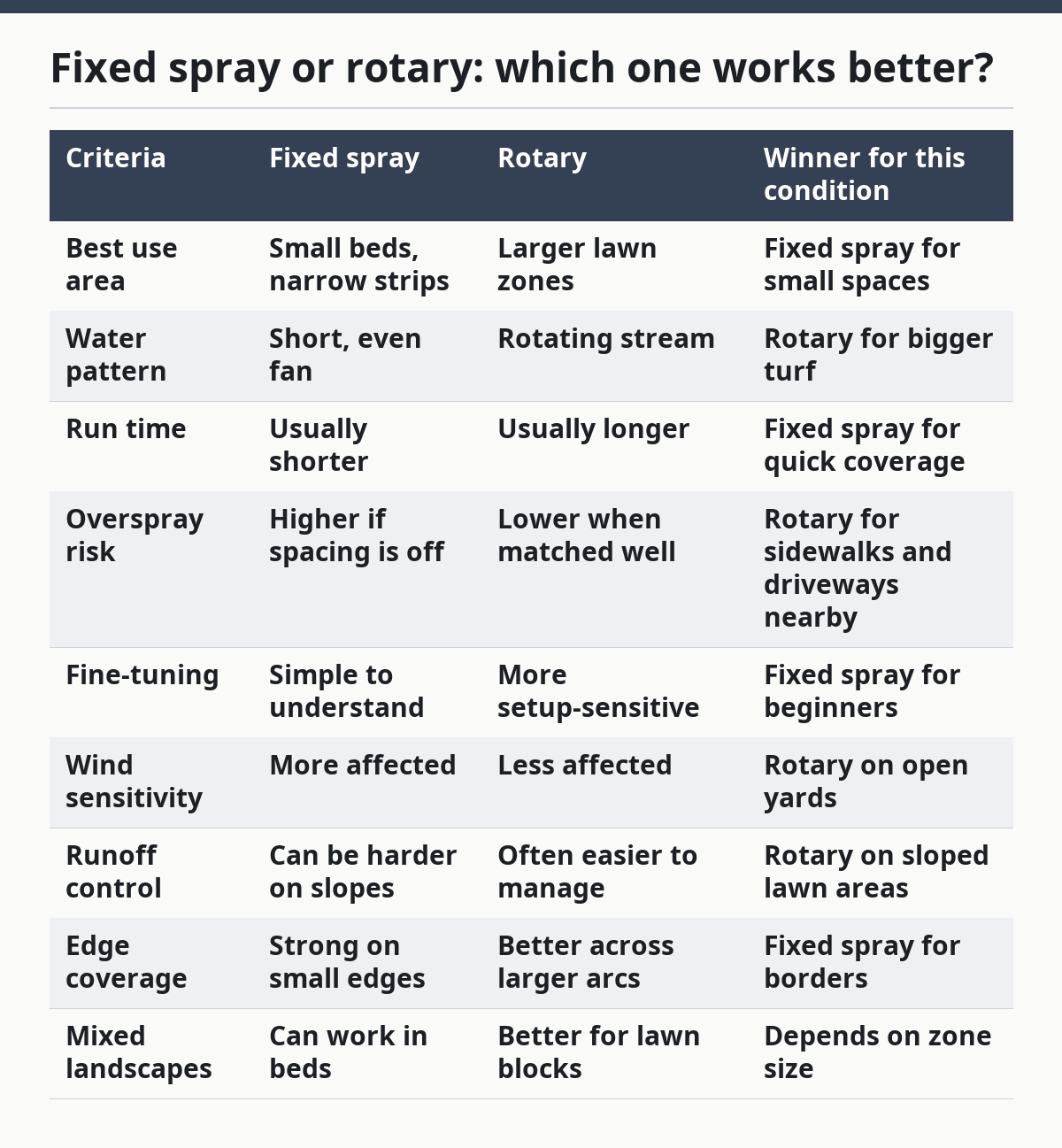
However, fixed spray is not the right choice for every yard just because it looks simple. On a big lawn, it can put too much water in one place too fast. Rotary systems are not magic either; if the heads are mismatched or spaced poorly, they still leave dry rings and waste.
Specifically, if the yard has a lot of curves, planting islands, or narrow side yards, fixed spray can make sense in those spots. If the lawn is broad and open, rotary usually makes more sense because it handles distance and overlap better.
What does a greener lawn need besides a sprinkler?
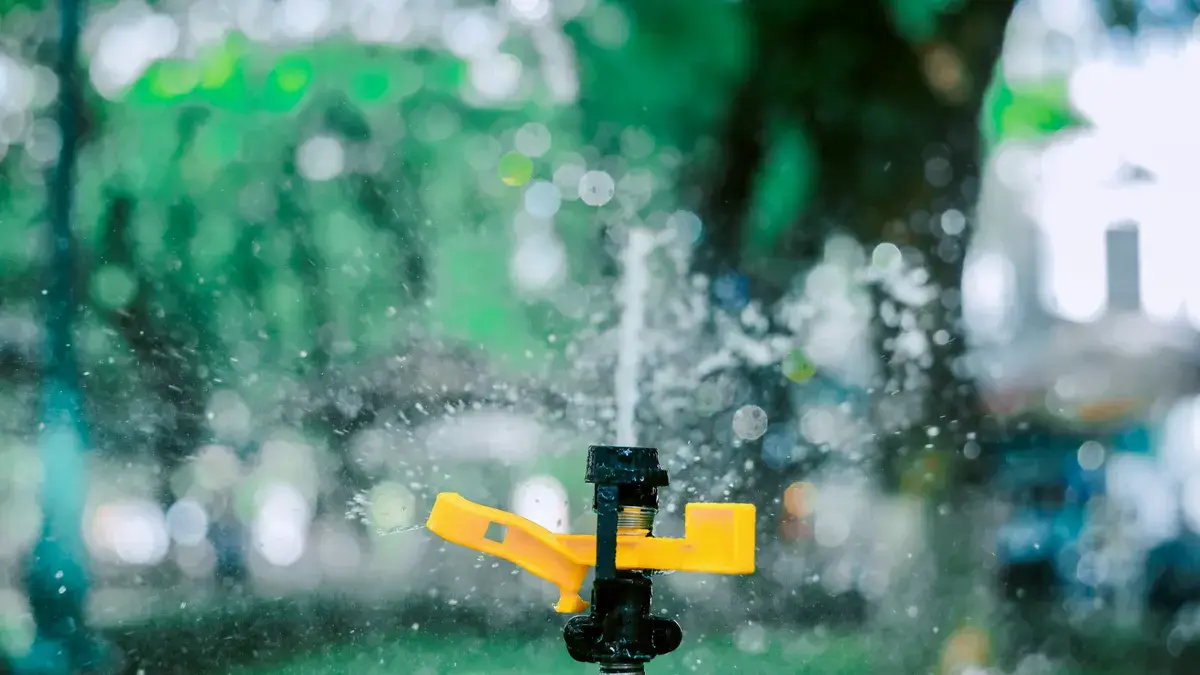
Meanwhile, a greener lawn needs even water, good soil contact, and a schedule that matches the weather. A sprinkler alone cannot fix compacted soil, thin turf, or poor drainage.
As a result, many well-meaning yard plans fail. The person adjusts the timer but never checks whether water is reaching the roots. If the top inch is wet and the soil below stays dry, the grass may still struggle, even if the lawn looks watered from the curb.
For instance, a better check is simple: watch where water lands, where it runs off, and where it pools. If one corner gets soaked while another stays dusty, the sprinkler layout needs work before the schedule does. That is especially true in lawns with slopes, hard soil, or mixed sun and shade.
In particular, two useful reference points from irrigation groups are worth keeping in mind: EPA WaterSense supports efficient outdoor water use, and the Irrigation Association publishes guidance on matching equipment to the site. Those organizations are useful because they focus on performance, not just appearance.
How should I water so the grass stays greener?
Therefore, a good watering plan often focuses on coverage, not on streaks of time on a timer. A yard usually looks better when the schedule gives roots a chance to take up water evenly instead of getting a daily splash that never reaches deeper.
Before you set the timer, start with the zone itself. A shady corner, a sunny strip, and a sloped area do not need the same treatment, even if they share one yard. If those areas are on one valve, the watering schedule is already working against you. If the layout is complicated, it is wise to consult a professional and to lean on source guidance such as EPA WaterSense and Irrigation Association resources before changing equipment.
Next, keep these habits in place:
- Check sprinkler heads for clogs and tilt.
- Make sure spray hits turf, not pavement.
- Keep plants and grass in separate zones when possible.
- Shorten watering if water starts running off before it soaks in.
- Recheck after trimming, seasonal changes, or new planting.
Ultimately, the drawback here is that better watering takes a little attention. There is no single timer setting that works all year. A greener space comes from small corrections, not from one long setup session.
What are the mistakes that make a yard look worse?
So the biggest mistake is using the wrong sprinkler pattern for the space, and the second biggest is ignoring overlap. A yard can look uneven even when the timer is running exactly as planned.
Common problems include:
- Too much overlap: wet patches, fungus risk, and wasted water.
- Too little overlap: brown gaps between heads.
- Wrong head for the area: dry corners or overspray onto pavement.
- One-zone watering for mixed areas: one part gets too much, another too little.
- Never checking pressure or clogging: weak spray and poor reach.
Because of that, these mistakes matter because they show up fast. A lawn with dry stripes and soggy spots is often not “underwatered” in a simple sense. It is unevenly watered. That is a different problem, and increasing runtime usually makes it worse.
However, a lot of generic advice falls short here. It says to water more or less, but that does not answer why the lawn still looks patchy. The real issue is often the head type, spacing, or zone design.
When should I change the sprinkler setup entirely?
Therefore, I would change the setup entirely when the yard has repeated runoff, obvious dry strips, or a mix of spaces that one type of sprinkler cannot cover well. That is the point where small adjustments stop paying off.
There are four exception scenarios where the first choice flips:
- The lawn is larger than it looks. A fixed spray head may be fine in a small bed, but not across broad turf.
- The yard has a slope. Rotary coverage can be easier to manage when water tends to run downhill.
- The landscape mixes lawn and shrubs. Separate zones often beat one shared watering pattern.
- The curb appeal problem is really a coverage problem. If one side stays brown while the other stays wet, the sprinkler type is part of the issue.
In addition, this is the point where a “greener space” plan should include more than sprinklers. Soil condition, plant spacing, and drainage can all work against the result. If the layout is poor, a new head can help only so much.
What should I ask before I buy or change a sprinkler?
So, I should ask how large the area is, how the water lands, and whether the zone is asking one head to do too much. Those three questions usually tell the truth faster than brand labels do.
A quick checklist helps:
- Is the area small, wide, or mixed?
- Does water hit the whole zone evenly?
- Does runoff start before the soil absorbs it?
- Are there pavement edges nearby?
- Does the yard have slopes or tight corners?
Finally, if the answer is mostly “small and tight,” a fixed spray head can be the practical choice. If the answer is “bigger turf with more open coverage,” rotary is usually the safer bet. That is the clearest rule of thumb for a greener space.
FAQ
How do I know if my sprinkler is helping or hurting my lawn?
Simply put, a sprinkler is helping when the lawn looks even, the soil absorbs water without runoff, and dry gaps are not forming between heads. It is hurting when one zone stays soggy while another stays pale or brittle. That pattern usually points to coverage trouble, not just too little water.
Is a fixed spray head always better for a small yard?
Not necessarily. A fixed spray head is often better for small, narrow spaces, but not always. If the yard has a slope, wind exposure, or awkward corners, another pattern may fit better. Small size helps, but shape matters just as much.
Why does my lawn still look dry after watering?
Because of that, a lawn can still look dry if water is not reaching the roots evenly. Clogged heads, poor overlap, or the wrong sprinkler type can leave dry bands even when the system runs on schedule. The fix is often layout, not longer runtime.
What matters more: sprinkler type or watering schedule?
Overall, sprinkler type matters first, because a bad pattern cannot be fixed by timing alone. After the right head is in place, the schedule becomes the next lever. A good setup with a poor timer can still fail, but a poor setup with a perfect timer usually fails faster.
Can one sprinkler type work for the whole yard?
In short, one type can work in simple yards, but mixed spaces usually need more than one approach. A lawn block, a flower bed, and a narrow side strip rarely have the same watering needs. Separate zones are often the cleaner answer.
The verdict
Ultimately, choose fixed spray if the area is small, narrow, and shaped like a bed or strip. Choose rotary if the space is broader, has more turf, or needs better control over overlap and runoff. Neither is the right answer if the yard has serious drainage problems, because no sprinkler type can fully fix standing water or a badly divided zone.
Drafted with AI; not yet reviewed by a person.





Leave a Reply