Last updated: November 19, 2026
Key Takeaways
- Restriction periods mean choosing the most important turf areas first, not evening out every blade.
- Treat the lawn gently and keep stress low until rain returns.
- Recovery should start slowly, with normal care returning in stages.
- Common mistakes include mowing too low, frequent light watering, and treating every area the same.
Quick Answer
To protect a lawn from drought and water restrictions, focus water on the highest-priority zones, mow at about 3 to 4 inches, and limit traffic until conditions improve.
A drought-stressed lawn needs less water, less traffic, and smarter triage fast. The best short-term approach is to keep the grass alive, then help it recover after the dry spell. The steps below show what to do first, what to ignore, and where water restrictions change the plan.
What to do first when the lawn starts to stress
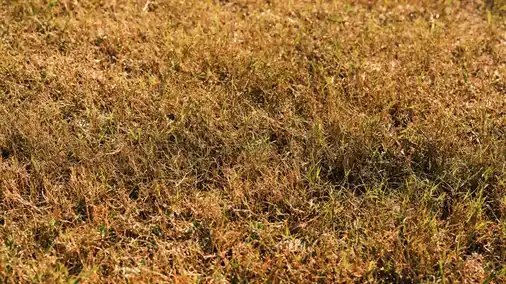
Picture this: you’ve got brown edges, blue-gray blades, and footprints that stay behind for half an hour. That is the point to stop treating the lawn like a normal summer yard and start protecting the drought-stressed lawn as a living surface, not a green carpet.
Start by checking your local watering rules and your grass type. If restrictions limit days or times, build your plan around those windows instead of trying to “catch up” later. For drought stress, a lawn can handle temporary browning better than a cycle of overwatering and then waiting two weeks.
- Confirm the rules first. Read the current local watering rules for your address, including odd/even days, banned hours, or hose limits. If you follow them, you avoid fines and wasted effort.
- Map the lawn into zones. Mark the front walk, play area, and the parts that stay shaded or stay sunny. You’ll protect the highest-use areas first.
- Stop extra stress. Keep mowers off the lawn when the soil is hot and hard, and move cars, patio furniture, and dog runs off the driest spots. The grass blades should stop folding and snapping under load.
- Leave the grass taller. Raise the mower to the highest normal setting, often around 3 to 4 inches for many lawns. Taller blades shade the soil and slow moisture loss.
- Check the soil, not just the surface. Push a screwdriver into the top few inches. If it meets dry resistance everywhere, the lawn is short on usable moisture, not just color.
- Use water for survival, not appearance. Prioritize the areas that matter most and wait on the rest if rules or supply are tight. Brown patches can recover later; dead crowns cannot.
The truth is, a lawn can look rough and still be worth saving. Bright green is not the target this week.
How water restrictions change lawn care
Water restrictions change lawn care by forcing you to triage instead of trying to maintain every blade evenly. That sounds harsh, but it is often the safest way to keep a yard from sliding from stressed to dead when the hose window is short or limited to certain days.
Picture yourself with a short evening watering window, a dry forecast, and a lawn that seems to turn crisp by the hour. The job now is to protect the parts that help the rest of the yard later, especially the root zones around entrances, play paths, and any area that gets morning sun. Those zones take the most wear and usually show the first damage.
Use a simple priority order:
- Priority 1: high-traffic turf near doors, gates, and walk paths.
- Priority 2: thin spots that sit in full sun all afternoon.
- Priority 3: the rest of the lawn, especially areas already headed into dormancy.
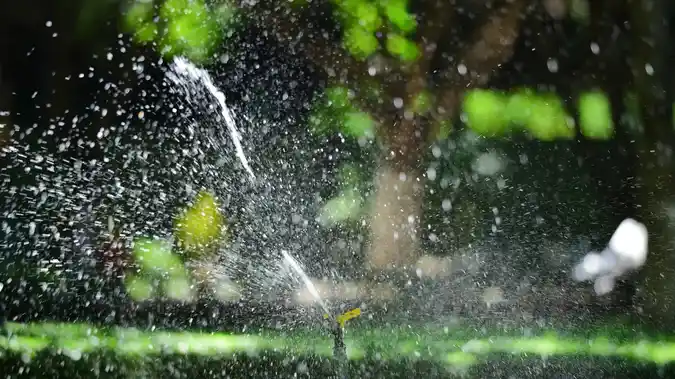
If restrictions allow only limited watering, put your available water on the first two groups. Do not spread tiny amounts over the whole lawn just to make it feel fair. Thin, frequent splashes can keep the surface wet and the roots hungry. That wastes the one thing you need most.
Also, keep an eye on what the soil can hold. Sandy soil dries faster than clay, and compacted soil sheds water instead of absorbing it. If the ground is sealed and hard, even a legal watering session can run off into the street. On the flip side, a slow soak that stays within your local watering rules gives the root zone a chance to take in moisture where it matters.
For more on watering limits and drought response, see the EPA’s WaterSense guidance on outdoor water use and the University of California’s lawn irrigation advice:
EPA WaterSense and UC ANR WUCOLS.
The core steps to protect the lawn during drought
Picture this: you’re standing on a yard that has gone dull and papery, and the question is no longer “How do I make it pretty?” but “How do I keep it alive?” The answer is to reduce stress, protect the roots, and use every allowed drop with purpose.
- Set the mower higher. Raise the deck to the tallest normal setting you can use, usually around 3 to 4 inches. You should see more leaf surface after the cut, and the soil should stay shaded longer.
- Leave clippings in place. If the lawn is not clumped with wet clippings, let them fall back into the turf. They help shade the soil and return a small amount of moisture to the surface.
- Block foot traffic. Keep kids, pets, and guests off the driest strips for at least a few weeks if you can. The grass blades should stop laying flat in traffic lanes.
- Water only the priority zones. Use your allowed watering time on the front entries, play areas, and the sunniest sections first. Those areas should look less wilted the next day and show fewer footstep marks.
- Soak slowly if the rules allow it. A slow application helps water move past the surface crust into the root zone. You want moist soil several inches down, not a shiny top layer that dries in an hour.
- Pause heavy work. Skip dethatching, core aeration, and major reshaping until the drought breaks. Those jobs expose more soil and can speed moisture loss.
Here’s the catch: a drought-stressed lawn does not need more disturbance. It needs fewer cuts, fewer steps, and fewer open wounds in the turf. That is why tall mowing and traffic control matter as much as watering.
A common mistake is chasing green color with short, frequent watering. That often keeps the surface alive while roots stay lazy and shallow. If the lawn has to endure drought, shallow roots are the last thing you want.
Should I let grass go dormant in drought?
Yes, grass can be allowed to go dormant in drought if the alternative is severe damage and your local watering rules leave you no practical way to keep it actively growing. Dormancy is not death. It is the plant’s short-term survival mode, and many lawns can tolerate it if the crowns stay intact.
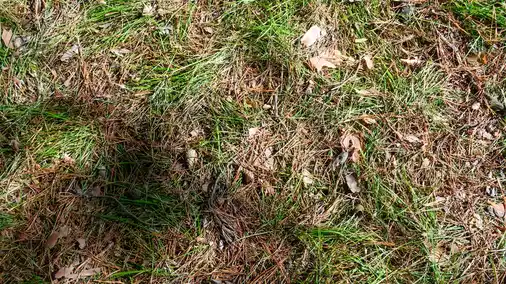
Picture a yard that has turned tan after weeks of heat, yet the base of the blades is still firm and the soil still has some life below the crust. That is a dormancy candidate, not a lost cause. In many lawns, the crown sits close to the soil surface, so protecting that tiny growth point is the real job.
Use dormancy as a controlled pause, not a surrender:
- Keep mowing off the lawn as much as possible.
- Stop chasing color with extra nitrogen or heavy renovation.
- Limit use on the driest areas.
- Water only enough to keep the crown from fully desiccating if restrictions and supply permit.
A dormant lawn usually looks rough: straw color, curled blades, and slow spring-back after a step. That can be normal. What you do not want is a brittle crown, loose turf, or large bare areas where the grass pulls up easily. Those signs mean the lawn did more than go dormant.
On the flip side, if your lawn is a cool-season mix and your region is in a long hot stretch, dormancy may be the least damaging option. If it is a warm-season lawn, it may handle heat better, but it still needs protection from foot traffic and soil damage. The grass type matters, and the plan should match it. For species timing and drought response, see the National Turfgrass Evaluation Program and Purdue Extension:
NTEP and Purdue Extension.
How do I reduce damage while the lawn is dry?
Because dry turf tears, compacts, and thins faster than people expect, the safest move is to treat the lawn like a fragile surface until rain returns. The damage often shows up later as bare patches that invite weeds.
Picture a yard that still needs to function as a walkway, dog path, and family hangout even though the grass is under stress. The mistake is to use every part of it the same way. The fix is to create pressure points and give the rest of the lawn a break.
Use these habits during drought:
- Reroute traffic. Set a single path across the yard instead of cutting through the same strip from five directions. That keeps one narrow lane from becoming a dead track.
- Move weight off the lawn. Shift planters, grills, trailers, and chairs to hardscape when you can. Pressure plus heat crushes dry roots.
- Avoid digging. Even a small trench or edging job can dry the surrounding soil faster.
- Keep pets off the weakest areas. Dog urine and repeated runs can burn and compact at the same time.
- Watch for soil crust. If the top layer turns hard and sealed, water will run off faster. A gentle soak is better than blasting the surface.
A few lawns fail because of water loss, but many fail because of traffic loss. That is the part most generic advice misses. A dry lawn can often survive if it is left alone. A dry lawn that gets parked on, raced across, and cut too short cannot recover as cleanly.
Traffic control costs nothing and works immediately. No nozzle, no new seed, no repair bill.
What helps the lawn recover after drought ends?
Recovery starts with a slow return to normal, not a full-service makeover on day one. A drought-stressed lawn comes back best when you ease into mowing, watering, and repair over several weeks instead of trying to fix everything in a single weekend.
Picture the first decent rain or the day restrictions loosen. It’s tempting to scalp the lawn, fertilize hard, and fill every bare spot at once. Don’t do that. The turf needs steady moisture first, then a chance to rebuild its leaf area and roots.
Start here:
- Resume mowing at the normal height only after the grass is showing steady new growth.
- Keep traffic light for at least 1 to 2 weeks after the first sign of recovery.
- Rake out only the dead material that lifts away easily.
- Check bare spots for thin crowns before you seed or patch them.
- Hold off on heavy renovation until the lawn stops looking brittle.
If the soil has stayed dry for a long time, some spots may be beyond simple recovery. Those patches may need reseeding or sod later, but not while the whole lawn is still under stress. That is why the first move is patience.
One honest limitation: not every lawn recovers evenly. Shade, soil compaction, salt buildup, and past mowing height all change the result. A lawn with healthy crowns can bounce back. A lawn that was already thin may need more work once the season changes.
For broader seasonal timing, the seasonal lawn maintenance guide can sit beside this one. It helps place drought care in the bigger year-round plan.
Common mistakes that make drought damage worse
The biggest mistakes are cutting too short, watering too often in tiny amounts, and treating every section of the lawn the same. Those three habits usually waste water and leave the roots weaker than before.
Picture the well-meaning homeowner who tries to “help” with daily sprinkles, a low mower, and extra foot traffic because the lawn still looks patchy. That mix often creates more stress than the drought itself. The grass blades lose shade, the soil loses moisture faster, and the roots stay shallow.
Avoid these errors:
- Scalping the lawn. It exposes soil and speeds drying.
- Watering on emotion. Light misting rarely reaches the root zone.
- Ignoring priority zones. The front path and play area usually need attention before the back corner.
- Mowing when the turf is brittle. That can shred leaves instead of cutting them.
- Reviving too hard too soon. Heavy fertilizer or major renovation can shock a lawn already under strain.
The cost of these mistakes is simple: more dead turf, more bare soil, and a slower recovery later. The better move is boring and controlled. Raise the mower. Limit traffic. Use water where it does the most good. Wait for the lawn to tell you it is ready.
If the rules in your area are strict enough that the lawn cannot stay green, that does not mean the yard is lost. It means the plan changes from appearance to preservation. That is the right call in drought.
Should I let grass go dormant in drought?
Yes, grass can go dormant in drought if water is scarce and the lawn would suffer more from constant stress than from a temporary pause. Dormancy protects the crown and roots while the blades turn brown or tan. Keep foot traffic low and avoid aggressive mowing until moisture returns.
How do water restrictions affect lawn care?
Water restrictions shift lawn care from full maintenance to triage. You may need to choose which zones get water first, limit mowing stress, and let lower-priority areas go dormant. The main goal is to keep the crown alive and avoid damage that cannot be repaired later.
What parts of a lawn should I protect first?
Protect the high-traffic and high-heat areas first. That usually means paths to doors, play areas, pet routes, and the sections that get full afternoon sun. These zones get worn down fastest, so they are the first to lose turf if water stays tight.
Drafted with AI; not yet reviewed by a person.





Leave a Reply