Last updated: November 19, 2026
Key Takeaways
- Summer heat slows grass growth and makes mistakes costlier.
- Protection works best when surface stress is reduced and changes stay gradual.
- Summer lawn care means backing off mowing stress and protecting leaf tissue.
- Drought stress often appears as dull color, slow rebound, and curled blades.
Summer lawn care is mostly about reducing stress, not pushing growth. In how to care for a lawn during summer heat, the goal is to keep the crown alive, protect the soil, and avoid adding pressure the lawn cannot use.
What summer heat does to grass
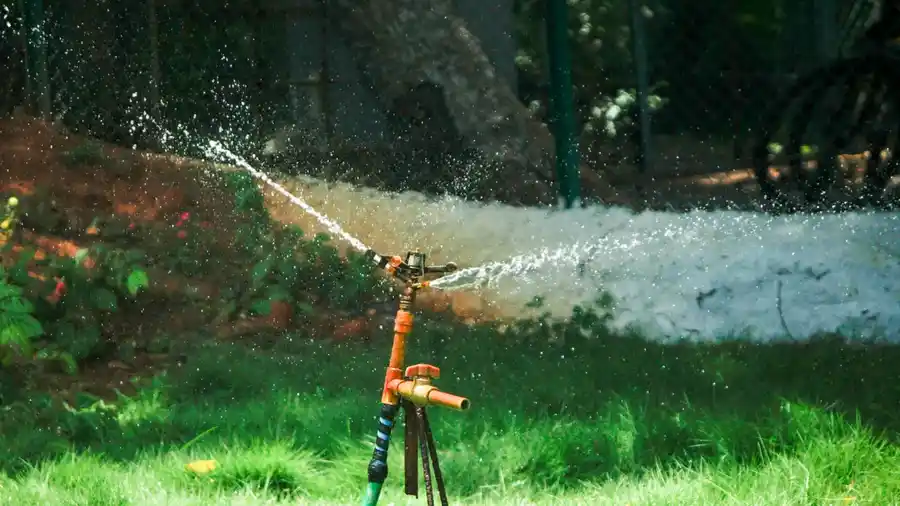
Summer heat slows grass down and makes every mistake cost more. Cool-season grass, such as Kentucky bluegrass, perennial ryegrass, and fescue, often struggles first when daytime temperatures climb and the soil dries out. Warm-season grass handles heat better, but it can still suffer from drought stress, compacted soil, and too much foot traffic.
The visible signs are usually easy to spot: blades lose their sharp color, the lawn takes on a dull gray-green cast, and footprints stay visible longer than they should. A healthy lawn in summer is not supposed to look lush and rapidly growing every day. In hot weather, grass shifts energy below ground and tries to survive.
Therefore, summer lawn care is different from spring work. Spring is for building density. Summer is for damage control. If the lawn is already thin, scorched, or patchy, heat exposes the weak spots fast. Shaded areas often hold up a little longer, but they can also thin out if the tree canopy, soil, or airflow is working against the turf.
The mistake most people make is treating heat stress like a growth problem. They fertilize harder, mow aggressively, or chase a greener color at the wrong time. That usually increases stress instead of relieving it. Consult a professional turf specialist if the lawn is already declining, and see the University of Minnesota Extension turfgrass resources for seasonal guidance. For a broader seasonal plan, this guide fits into the larger seasonal lawn maintenance hub, which covers the year in context.
How to protect grass from heat without overdoing it
How to care for a lawn during summer heat starts with reducing stress at the surface and avoiding sudden changes. A lawn in summer heat does not need a dramatic rescue plan; it needs a calm one.
- Reduce traffic on thin or hot areas. Use the lawn less during the hottest stretch of the day, especially on slopes, corners, and areas that already look pale. Fewer passes from kids, pets, or equipment mean less bruising and less soil compaction.
- Keep sharp tools away from stressed turf. Edging too deeply or dragging heavy items across the lawn can tear leaf blades and expose soil. That damage dries out quickly in 90-degree conditions and leaves the turf slower to recover.
- Give shaded spots a little extra observation. Shade changes airflow and moisture, so some areas stay damp longer while others stay stressed from root competition. Check these spots for fungus-prone humidity, bare patches, or soil that feels crusted on top.
- Leave the lawn alone after extreme heat. If grass is folded, dull, and tired by late afternoon, skip any nonessential work for a day or two. A 24- to 48-hour pause can keep the lawn from crossing from stressed to damaged.
- Watch for compaction at walkways and play zones. If the soil feels hard underfoot, the roots are fighting for air as much as water. Rotating play areas or blocking the worst strip for a week can help more than a cosmetic fix.
This approach is not for someone who wants an instant visual turnaround. Heat-stressed grass often looks worse before it looks better, and overcorrecting usually makes the lawn uglier faster.
Summer lawn care means changing your mowing habits
Summer lawn care means backing off mowing stress and protecting leaf tissue. I am not covering full mower technique here, but the summer adjustment is simple: avoid cutting too much at once and avoid scalp-level cuts that expose soil and crowns.
A practical rule is to remove no more than one-third of the leaf blade in a single cut. If the lawn has gotten away from you, lower it in stages over 2 or 3 mowings rather than one hard cut. That keeps the plant from dumping too much energy at once.
Pay attention to the clippings, too. Short clippings can usually stay on the lawn and return a small amount of nutrients, but thick clumps smother grass under hot conditions. If you see windrows or heavy mats, break them up or collect them. Thick piles in August can leave yellow streaks that stay visible for weeks.
Blade condition matters in summer even if you are not changing the mower setup. A ragged tear at the leaf tip dries faster than a clean cut, so a lawn already under heat stress is less forgiving of a dull blade. If the grass starts looking frayed or white at the tips after mowing, the cut quality is part of the problem.
A useful decision point is this: if the lawn is already limp, gray-green, or slow to recover, skip cosmetic mowing that week unless the grass is getting unmanageably tall. A taller canopy shades the soil and helps roots cope with heat. That trade-off is real; the lawn may look less tidy for a while, but it usually survives summer better. The EPA WaterSense lawn and garden guidance also supports reducing unnecessary water and stress during hot weather.
What drought stress looks like before the lawn turns brown
Drought stress shows up as loss of color, slower rebound, and blades that stay folded or curled. Brown patches are often a late sign, not the first one.
The first clue is color. Healthy turf often starts to dull before it turns tan. The next clue is footprinting: when you cross a dry lawn, your steps leave a visible trail because the grass blades do not spring back quickly. Another clue is texture. The turf can feel rough and brittle instead of soft and springy.
Look at patterns, not just spots. A strip along a driveway, a patch on a south-facing slope, or a corner near a tree root zone often dries faster than the rest of the lawn. Those patterns tell you more than a single brown patch does.
Soil tells its own story. If the top layer is dusty and loose while the ground beneath is harder, the lawn is working against both heat and poor moisture retention. In a shaded area, the warning signs may be different: the surface may stay damp while the grass still thins because the roots are not getting enough air.
Do not assume a brown lawn is dead. During summer heat, grass often goes into a survival mode that can look severe but is still reversible if the crown remains intact. The danger is waiting too long after the signs start, then adding stress with traffic, cutting, or heavy treatment. Consult a professional if you are unsure whether the turf is dormant, damaged, or diseased.
How soil, shade, and heat interact in summer
Soil, shade, and heat decide whether a lawn copes or collapses. The grass blades get the attention, but the root zone does most of the work.
Fast-draining soil can leave turf thirsty sooner, which means the lawn may show stress earlier in a hot spell. Heavy soil can hold moisture longer, but if it stays wet at the surface and tight underneath, roots may struggle with poor oxygen. That is why the same yard can have one section that burns out and another that stays stubbornly green.
Shade helps with temperature, but it is not a free pass. Beneath trees, grass often competes with roots for moisture and nutrients, and dense shade can thin the turf even when the heat is lower. Airflow matters, too. A shady corner with little wind can stay humid enough to encourage weak growth patterns and uneven drying.
The practical move is to read each zone separately. A front strip near pavement may need more protection from reflected heat. A backyard under a maple may need less sun protection but more attention to competition and airflow. A slope may need the most restraint of all because water drains off faster and soil heats up more quickly.
This is where generic advice goes wrong. A single lawn is not one climate. It is often 3 or 4 microclimates packed together, and summer care works best when it respects those differences.
The most common summer lawn mistakes and what they cost
The biggest summer mistake is forcing the lawn to look like spring. That usually costs root health, color, and recovery time.
Cutting too short is one common error. It exposes soil, shortens the blade’s ability to shade itself, and makes the lawn burn faster. The fix is to keep the canopy taller and avoid sudden height changes.
Another mistake is heavy foot traffic on stressed turf. It costs you in compacted soil and flattened growth, especially around play areas, gates, and dog routes. The fix is simple: reroute traffic for a week or two and let high-pressure strips rest.
A third mistake is feeding the lawn as if heat stress were a nutrient shortage. When the real problem is heat and drought, extra feeding can push tender growth that cannot keep up. The result is more demand on a system that is already strained. Better to match care to the season than to chase a deeper green.
A fourth mistake is ignoring shaded sections. People often assume shade means safety, but shade can hide thin turf, root competition, and poor airflow. If the lawn is patchy under trees, the issue is not always sunlight.
A fifth mistake is treating the whole yard the same. One dry slope, one shaded corner, and one compacted path do not need identical handling. Summer lawn care works when it follows the worst microclimate, not the average one.
Two references are worth keeping in mind if you want a more technical backdrop: the University of Minnesota Extension turfgrass resources and the U.S. Environmental Protection Agency’s WaterSense lawn and garden guidance. Both cover practical turf and water-use concepts without turning summer care into guesswork.
A simple summer lawn care routine to follow each week
A good weekly routine keeps the lawn stable even when the weather is not. It should take 10 minutes of observation, not a full-day overhaul.
Start with a slow walk across the yard once or twice a week. Look for color shifts, footprinting, thin patches, and areas that feel harder underfoot than the rest. Those are early stress signals, and they matter more than one dramatic brown patch.
Next, note where the lawn is taking abuse. Mark the driveway edge, the dog path, the base of tree shade, and any slope that dries quickly. Those are the spots most likely to show summer damage first.
Then decide whether the lawn needs protection, not just maintenance. If heat is rising and the grass is already stressed, reduce traffic and avoid any unnecessary disturbance. If the yard still looks resilient, keep your current routine but stay alert for the first signs of drought stress.
Finally, think in zones. A sunny front lawn, a shady side strip, and a back play area will not react the same way in July. A simple map on paper can help more than a generic plan because it shows where summer heat is hitting hardest.
The point is not perfection. The point is to keep the lawn functional until temperatures ease.
How do I protect grass in hot weather?
Protect grass in hot weather by cutting stress before it becomes visible. That means limiting traffic, avoiding sudden changes, and watching the lawn for early color loss or footprinting. Shade, soil condition, and heat exposure all matter, so the same routine will not fit every part of the yard.
Should I mow less in summer?
Yes, mowing less often is usually the safer choice when growth slows in summer heat. The lawn should not be cut just to keep a spring look if it is already stressed. If you do mow, avoid removing too much at once and leave the turf with enough leaf area to shade itself.
What are signs of drought stress in a lawn?
Drought stress usually shows up as dull color, visible footprints, and blades that stay curled or folded. Brown areas can appear later, after the lawn has already been under strain for a while. Check patterns across the yard, because slopes, sunny edges, and compacted paths often show stress first.
Drafted with AI; not yet reviewed by a person.





Leave a Reply