Last updated: November 19, 2026
Quick Answer: In most cases, protecting a lawn during heavy rain and flooding starts with one rule: keep people, pets, and mowers off saturated ground for at least 24 hours, then clear water paths and debris once the surface firms up.
A flooded lawn can be saved if you stop foot traffic, move standing water where it can drain, and wait for the soil to dry before you touch the grass. This guide shows what to do, what to skip, and how to handle the mess without making compaction or erosion worse. If you are looking for how to protect a lawn during heavy rain and flooding, the main goal is to limit pressure on wet soil and guide runoff away from the turf.
What to do first when your lawn is flooded
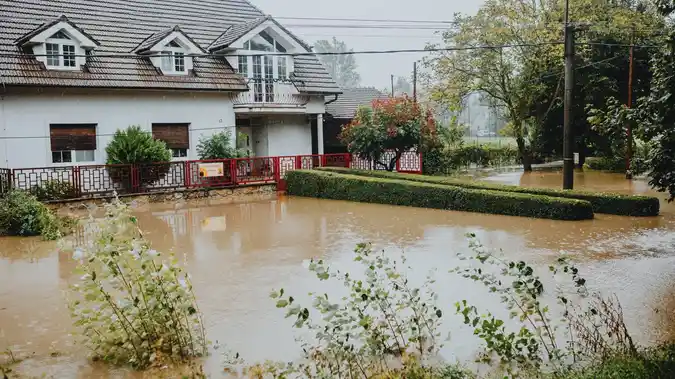
Picture this: you step outside after a storm and see standing water, slick soil, and grass pressed flat in patches. Your job is to protect the lawn before the next 24 hours turn a wet yard into a compacted one. So, keep people, pets, and mowers off it.
Key Takeaways
- Stop damage before you try to fix it.
- Standing water is less harmful than traffic on saturated soil.
- Drainage paths matter more than fertilizer right now.
- Debris should come off the lawn fast, but only when it’s safe to walk.
- The first repair step is letting the ground dry enough to hold your weight.
1. Keep traffic off the lawn until the surface firms up
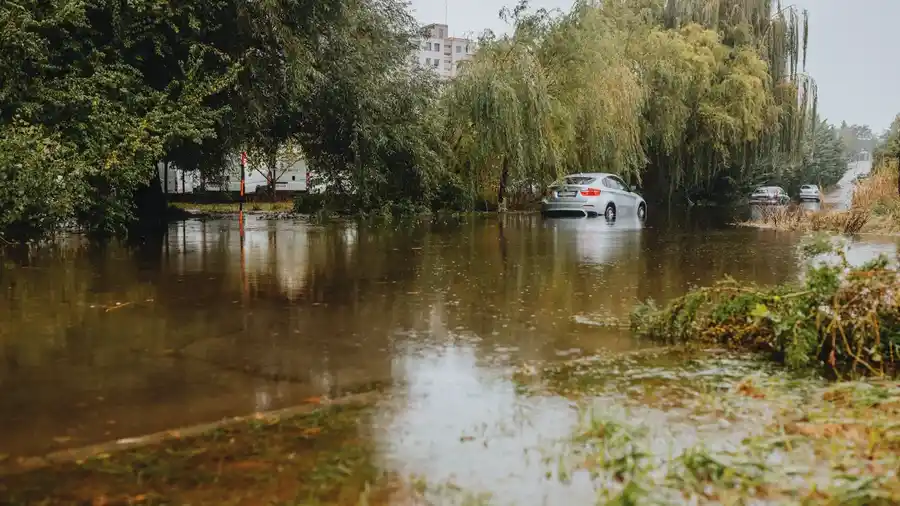
Picture this: the rain has eased, but the yard still squishes under your shoes and leaves a dark sheen on the soil. That soft ground is easy to crush, and soil compaction can linger long after the water is gone. The first move is simple: stay off it.
- Block the area for at least 24 hours after heavy rain if water is still visible, and longer if your footprints sink. The result you want is no new ruts, no tire tracks, and no pressed-down grass crowns.
- Move lawn equipment to dry ground before the next pass through the yard. A mower or wheelbarrow on wet soil leaves channels that hold water and can turn one soggy corner into a permanent low spot.
- Use boards only for access if you must cross a saturated section to clear debris. Lay them flat and step lightly; that spreads your weight and cuts down on footprint damage.
- Wait for the soil to crumble, not smear before you rake or edge. If it sticks to your boots like paste, it’s still too wet.
The truth is, many lawns don’t die from water alone. They get damaged by one person walking across the same wet strip six times. That’s the costly mistake. The fix is patience, not action.
How do I protect a lawn from standing water?
Picture this: water is pooling in the same low spot for hours, and the grass under it is going dull green or gray. You protect the lawn by giving that water a path out, then keeping the outlet clear so it doesn’t back up. Start with the easiest drainage route you already have.
- Look for the exit point. Find where water naturally wants to go—down a slope, into a ditch, or toward a drain. If you can guide runoff 3 to 6 feet away from the ponded area, that usually helps more than trying to soak it up.
- Open a shallow path with a rake or broom. Pull loose mulch, leaves, and twigs out of the low spot so water can move. You’re not digging a trench; you’re clearing a route.
- Check gutters and downspouts. If roof water is dumping onto the lawn, extend the downspout so it carries water away from the turf instead of pouring it onto the same patch every storm.
- Leave the grass alone under deeper water. Don’t mow, aerate, or topdress while water is pooled. The grass is already stressed, and the equipment does more harm than the flood.
A standing puddle for a few hours is not the same as a lawn under water for days. Short-term pooling can clear on its own if the site drains. Long-lasting ponding points to a drainage problem, not a mowing problem. That’s the part to watch.
Drainage fixes that help during future storms
If the same area floods every time it rains hard, the best protection is a real drainage correction. That can mean regrading a low spot, adding a swale, or installing a drain line. Those are bigger jobs than a cleanup. They also work better than repeated patchwork. According to the U.S. Environmental Protection Agency, landscape changes that slow and redirect runoff can reduce stormwater impact, which is useful when you are planning a longer-term fix. EPA
- Redirect roof runoff away from turf.
- Keep storm drains and grates free of leaves.
- Add a shallow swale where water already wants to travel.
- Fix compacted paths that block infiltration.
What should I do after heavy rain on my lawn?
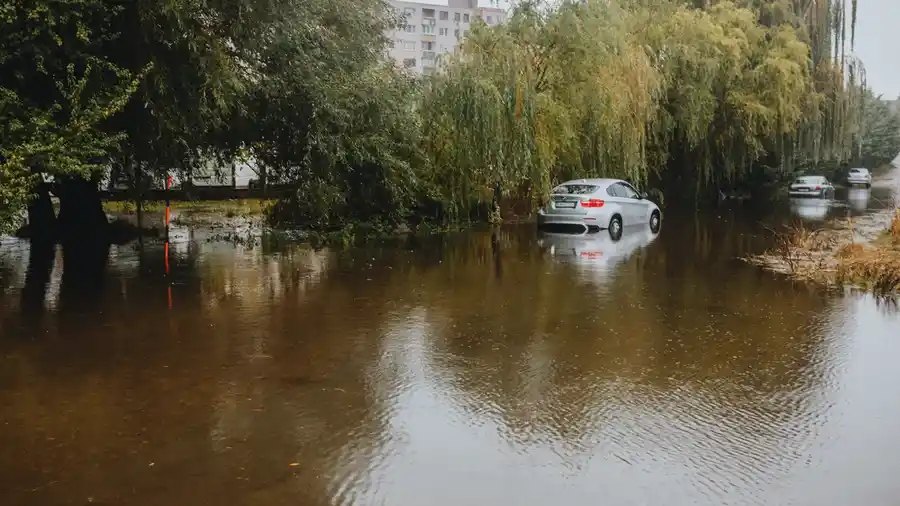
Picture this: the rain stopped last night, but the grass is matted, the yard smells earthy, and a layer of sticks is spread across the surface. After heavy rain, your job is cleanup first, then inspection, then repair only if the lawn is dry enough to handle. Work in that order.
- Remove debris once the surface is safe to stand on. Pick up branches, toys, trash, and anything heavy that could smother grass for more than a day. The lawn should look clear, not cluttered.
- Rinse or brush off silt where it settled. A thin layer of mud can block light and air. If the deposit is light, a soft rake or broom is enough. If it’s thick, wait until it dries so you can lift it without smearing it deeper.
- Check for erosion channels. Look at slopes, edges, and spots below downspouts. You’re watching for shallow channels, exposed roots, or a thin strip of topsoil washed away.
- Leave flattened grass alone if the crowns are intact. Bent blades often spring back after the soil dries. Cutting too soon tears them and leaves the lawn with a ragged look for longer.
- Mark damaged zones. Use a flag, stick, or small marker so you remember where water sat longest. That tells you where the drainage problem is, and it helps later repairs.
Most of this work takes less time than a full lawn repair. But the timing matters. If you rush out with a mower or a rake before the soil can support weight, you make the problem bigger. The University of Missouri Extension also notes that wet soils are more easily compacted, which is why cleanup should wait until the surface can hold you. University of Missouri Extension
Debris cleanup without making the lawn worse
Heavy rain throws more than water at a yard. It leaves mulch, twigs, leaves, and yard waste across the grass. Clear that debris soon, because wet piles block light and trap moisture. Keep the cleanup gentle: lift heavy pieces by hand, and use a leaf rake with light pressure instead of dragging tools through soft ground. For runoff and soil loss problems, the USDA Natural Resources Conservation Service explains that keeping soil covered is one of the best ways to limit erosion. USDA NRCS
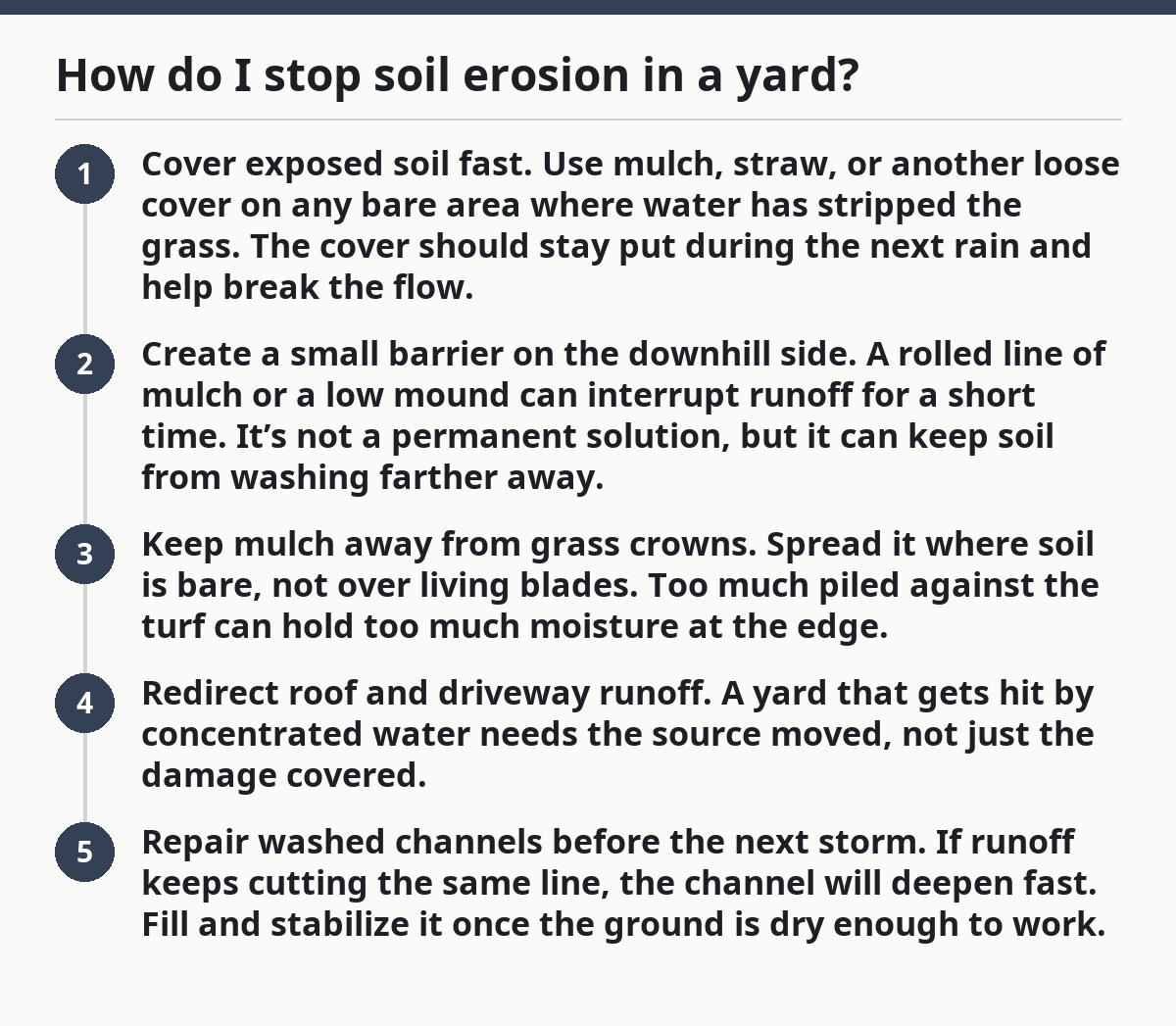
How do I stop soil erosion in a yard?
Picture this: water is racing off a slope, carrying dark soil with it and cutting a path through the turf. You stop erosion by slowing the water, protecting bare edges, and keeping soil covered until it can settle. The first fix is about controlling movement.
- Cover exposed soil fast. Use mulch, straw, or another loose cover on any bare area where water has stripped the grass. The cover should stay put during the next rain and help break the flow.
- Create a small barrier on the downhill side. A rolled line of mulch or a low mound can interrupt runoff for a short time. It’s not a permanent solution, but it can keep soil from washing farther away.
- Keep mulch away from grass crowns. Spread it where soil is bare, not over living blades. Too much piled against the turf can hold too much moisture at the edge.
- Redirect roof and driveway runoff. A yard that gets hit by concentrated water needs the source moved, not just the damage covered.
- Repair washed channels before the next storm. If runoff keeps cutting the same line, the channel will deepen fast. Fill and stabilize it once the ground is dry enough to work.
On the flip side, don’t spread loose soil over a flooded slope while it’s still wet. It slides, seals, or moves with the next shower. A dry window of at least a day or two is safer for small repairs than a wet afternoon.
When a flood leaves more than surface damage
If the flooding brought in oily residue, sewage, or heavy contamination, treat the area as a cleanup issue first, not a lawn issue, and consult a local cleanup professional or your local health department before you re-enter the area. Keep people and pets out until it has been handled safely. That’s not the same as ordinary rainwater, and it needs a different response. The CDC advises avoiding contact with floodwater when contamination may be present. CDC
What not to do until the lawn dries out
Picture this: the sky clears, and the yard looks tempting enough to mow, aerate, or seed right away. That impulse causes the most avoidable damage. The short version is simple: don’t press, cut, or stir wet soil.
- Do not mow wet turf. Wet blades clump, the wheels sink, and the mower can leave ruts.
- Do not aerate saturated soil. The tines tear and smear instead of opening useful holes.
- Do not fertilize a flooded lawn. Rain can move nutrients off-site before roots can use them.
- Do not topdress deep mud. Adding material to a soggy surface usually seals it in.
- Do not seed bare areas until the soil is workable. Seed can wash away before it settles.
The cost of doing too much too soon is plain: you trade a temporary flood for long-term compaction, rutting, and weak growth. Wait until the ground can support your weight without sinking. That’s the real green light.
How to judge whether the lawn is ready for repair
Picture this: the sun is out, the puddles are gone, and you’re deciding whether to clean up, mow, or fix damaged spots. The lawn is ready when the surface is firm enough to walk on without leaving marks and the soil no longer sticks to your shoes. That usually means a dry window, not just one sunny hour.
A good rule is to press your heel into the turf and look for a print. If it leaves a clear dent or mud clings to the sole, wait. If the soil breaks apart when you scratch it lightly with a hand rake, you can start cleanup and minor repair.
That still doesn’t mean every task is fair game. Big repairs, such as reshaping drainage or rebuilding a slope, may need a longer dry stretch than a simple debris pickup. If the same spot floods after every 1-inch storm or every hard rain, the site needs a drainage fix, not just a cleanup routine. Seasonal lawn maintenance works best when water problems are handled early, before they become repeat damage. For stormwater planning, the National Oceanic and Atmospheric Administration tracks heavy rainfall patterns that can help explain repeated flooding in the same yard. NOAA
A quick decision guide for the next rainstorm
If the forecast shows more rain within 12 to 24 hours, protect the weak spots first:
- move loose debris away from drains,
- keep off the saturated sections,
- clear roof runoff routes,
- and watch low spots where water already sits.
If the lawn is still soft after the storm, leave repairs for later. If it firms up, then you can begin the next step without making deeper tracks.
Can grass survive flooding?
Yes, grass can survive short flooding if the roots are not buried in stagnant water for too long. The risk rises when water sits for days, soil stays cold and packed, or debris smothers the crowns. After the water leaves, wait for the lawn to dry before judging the damage.
What should I do after heavy rain on my lawn?
Remove debris first, then check for standing water, ruts, and washed-out soil. Keep off the lawn until the ground is firm enough not to leave prints. If water keeps pooling in the same place, the site needs a drainage fix, not just cleanup.
How do I stop soil erosion in a yard?
Slow the water and keep soil covered. Mulch, a shallow swale, and better runoff control at downspouts can all help. On slopes, avoid leaving bare patches exposed before the next storm, because loose soil moves fast once water starts cutting channels.
Drafted with AI; not yet reviewed by a person.





Leave a Reply