Last updated: November 05, 2026
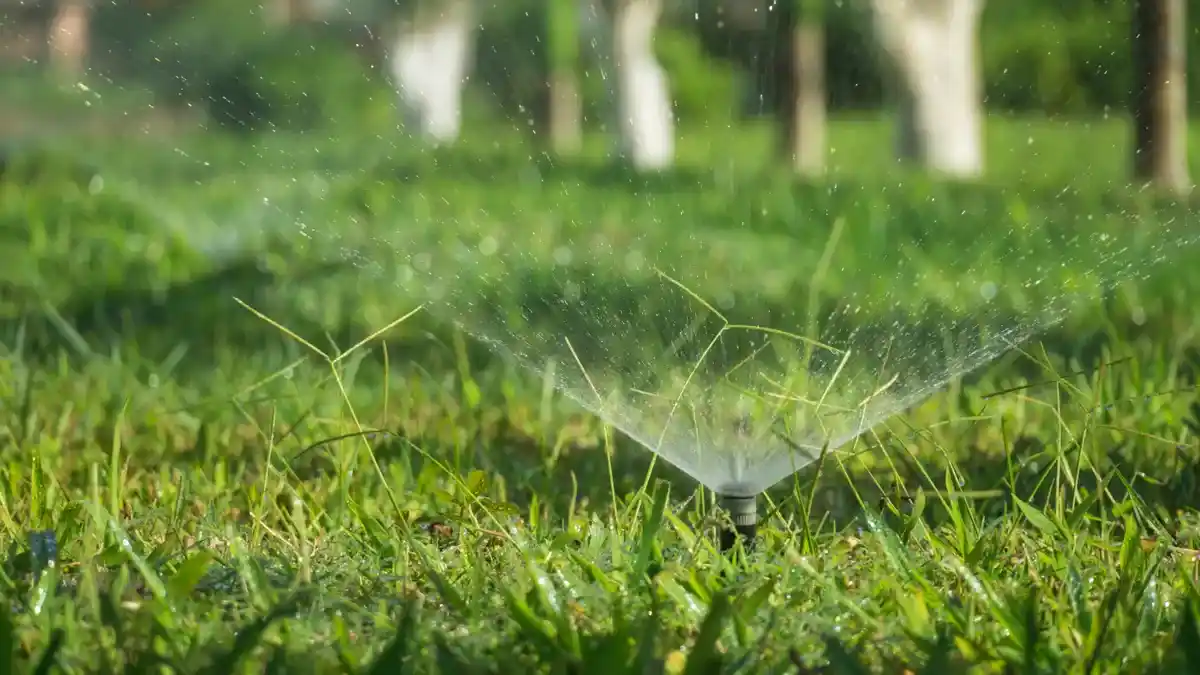
Quick answer: water when the top few inches of soil start to dry, and give enough water to wet the root zone instead of sprinkling the surface every day. For most home lawns, that means watering in the early morning with a sprinkler or garden hose, in a deeper, less frequent pattern than many people expect. This guide explains when to water grass and how much to give it.
Key Takeaways
- Water grass when soil below the surface starts drying, not on a fixed schedule.
- Aim to wet the root zone, not just the top inch of soil.
- Early morning is usually the best watering window because wind is lower and less water evaporates.
- Set sprinkler time by measuring output and adjusting until the root zone is wet, not soggy.
The simple rule for lawn watering
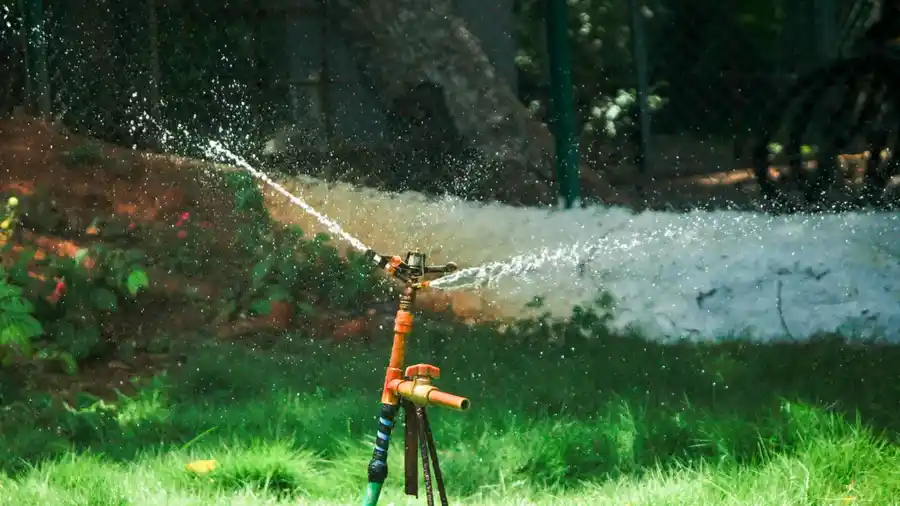
Water lawn grass when the soil below the surface is drying out, not on a fixed calendar day. A lawn watering schedule that ignores soil and weather causes the two common failures: shallow roots from light daily watering, and stress from waiting too long during hot, windy stretches.
The easiest check is practical, not fancy. Push a screwdriver, soil probe, or a spade into the ground. If it slides in easily for several inches, the soil still holds enough moisture. If it meets resistance and the top layer looks pale or dusty, it is time to water. A rain gauge helps here too, because a brief shower that only wets the top of the grass often does less than it seems.
What matters most is the root depth of the grass. Established turf sends roots deeper when water arrives in a fuller dose and then has time to dry slightly before the next watering. A shallow-rooted lawn depends on constant surface moisture and fails faster in heat. That is why “little and often” is usually the wrong approach for mature grass.
This is also where weather changes the answer. A cool cloudy week, a sandy soil, a clay soil, a recent storm, and a lawn under tree cover all change the timing. A calendar says “Wednesday.” The grass asks, “How dry is the soil at root depth?”
Therefore, the same rule applies across most yards: read the soil first, then adjust the schedule.
How much water grass needs at one time
Grass usually needs enough water to soak the root zone, not just the top inch. The exact amount depends on soil type, sun, wind, temperature, and grass species, but the goal is the same: moisten the soil several inches deep so roots have a reason to grow downward.
A practical target is to water until the soil is damp below the surface, then stop before runoff starts. On many lawns, that means a long session rather than a short one. A sprinkler may need to run long enough to deliver a meaningful soak, while a garden hose with a sprinkler attachment may need to stay in one zone until the water has worked down.
The common mistake is to guess by look alone. Grass can look wilted while the soil is still wet a few inches down, especially in midday heat. It can also look green after a quick shower while the root zone is dry. A rain gauge gives a better clue because it shows what actually fell, not what it felt like from the porch.
One honest trade-off: deeper watering takes more time. If you have several lawn zones, a full soak may mean rotating the sprinkler rather than trying to finish in 10 minutes. That is the price of stronger roots. For example, a zone that needs a deeper soak may take more than one pass.
A good rule for a home lawn is this: use enough water to reach the active root zone, then wait until the soil starts to dry again before the next round. The exact depth varies, but a thin mist over the surface rarely does the job.
When should you water grass during the day?
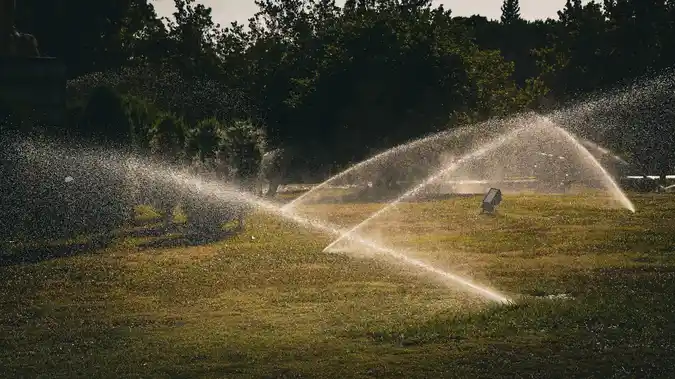
Early morning is usually the best time to water grass because wind is usually lower and more water reaches the soil instead of evaporating. Morning watering also gives grass blades time to dry during the day, which is one reason many lawn guides and turf professionals prefer it.
The goal is not a magical hour on the clock. It is the stretch before the day gets hot. If you water around sunrise or a few hours after, the soil absorbs more and the leaves dry sooner. That makes the water do its job where it counts: at the roots.
Evening watering is less useful for a lawn unless the weather is extreme and the grass is already stressed. The problem is lingering moisture on the blades and in the thatch, which stays around longer overnight. I would not make evening watering a habit for a healthy lawn.
Midday watering wastes more than many people think. Sun and wind increase surface loss, and water can disappear before it has time to move down. A quick top-up at noon may feel responsible, but it often buys very little.
If your only choice is a hot afternoon or a dry lawn, water anyway. The better rule is still: morning first, afternoon only when needed, evening as the last choice.
For outside guidance, the University of California Agriculture and Natural Resources has turf watering advice, and the U.S. Environmental Protection Agency’s WaterSense materials also support watering with weather and soil conditions in mind.
How to set sprinkler run time without guessing
Set sprinkler run time by checking how fast your system puts water on the lawn, then adjusting until the root zone is wet, not soggy. That is the most reliable way to avoid underwatering and waste from runoff.
Start with a simple catch test. Place a few straight-sided containers, like tuna cans or rain gauges, across one sprinkler zone. Run the sprinkler for a set time, such as 15 or 20 minutes, then measure how much water collected. If the cups are collecting very little, the zone needs more time. If water pools or runs off before the soil can take it in, split the watering into two shorter rounds with a pause in between.
Here is a practical sequence:
- Choose one sprinkler zone and place 4 to 6 identical containers across it.
- Run the sprinkler for 15 minutes.
- Measure the water in the containers in inches or millimeters.
- Estimate how long it takes that zone to deliver a deep soak without runoff.
- Use that time as your base setting, then adjust after weather changes, rain, or heat.
The point is consistency. Different sprinklers throw different patterns, and a hose-end sprinkler often waters unevenly if the pressure changes or the yard slopes. A rain gauge also helps here because it lets you compare natural rain to scheduled watering.
The drawback is obvious: this takes a little setup. Still, it is better than repeating a 10-minute schedule that never reaches the roots. If your lawn slopes, clay soil usually needs slower watering than sandy soil, because clay sheds water quickly when applied too fast.
Watering new grass needs a different approach
Watering new grass means keeping the seedbed or fresh sod consistently moist at first, then gradually shifting to deeper watering as roots establish. That is not the same as caring for an established lawn.
New seed dries out fast. The top layer of soil can lose moisture in a single warm, windy day, and seedlings will fail if they dry between waterings. For that stage, frequent light watering is useful because the roots are tiny and near the surface. The goal is damp soil, not a deep soak every time.
With new sod, the first days matter even more. Sod pieces need moisture under and around the roots so they knit into the soil below. Too little water leaves edges curling and gaps forming. Too much water can keep the base soggy and slow rooting. The job is to keep the soil beneath the sod moist, then reduce frequency as the sod settles.
A simple transition helps:
- First phase: water often enough to keep the top layer from drying.
- Second phase: after roots begin to anchor, water less often but more deeply.
- Final phase: move toward the same schedule you would use for an established lawn.
The trade-off is that new grass demands attention. It is not the time for a set-it-and-forget-it sprinkler routine. If you are away often or cannot check soil moisture, new seed may be the wrong choice for that season.
Signs you are watering too much or too little
You are watering too much when the soil stays wet for long stretches, the lawn feels squishy, or water runs off before it sinks in. You are watering too little when the grass loses color, the leaf blades fold or look dull, and the soil is dry several inches down.
A lot of lawn trouble comes from reading the leaves instead of the roots. Visible stress can point to drought, but it can also show up for other reasons. That is why soil moisture matters more than appearance alone.
Overwatering has costs beyond wasted water. It can encourage shallow roots, weak growth, and runoff that carries fertilizer away from where it belongs. Underwatering has a different cost: the grass survives on the edge, then turns patchy after heat or wind. Both problems make the lawn harder to recover.
This is where a rain gauge and your hand both help. The gauge tells you how much rain fell. Your fingers or a soil probe tell you whether that water reached the root zone. If the top looks wet but the subsoil is dry, the lawn still needs attention.
The right answer changes with weather. A cool week may need little or no extra watering. A hot, dry, windy week can change the plan fast. That is why rigid weekly routines fail and soil-based watering works better.
The mistakes that waste water and weaken grass
The biggest watering mistake is short, frequent watering. It wastes water, encourages shallow roots, and leaves the lawn more vulnerable the moment temperatures rise. The fix is to water less often and more deeply.
Another mistake is watering by appearance alone. A lawn can look thirsty when the root zone still has enough moisture, especially in the afternoon. That habit leads to extra watering, muddy patches, and runoff. Use the soil instead of the surface as your guide.
A third mistake is watering at the wrong time of day. Midday watering loses more to evaporation, and late-night watering keeps the grass wet longer than it needs to be. Morning is the steadier choice for most home lawns.
A fourth mistake is treating all soil the same. Sandy soil drains faster and may need more frequent checks. Clay soil holds water longer and can puddle if you push too much through too quickly. For a yard with mixed soils or drainage problems, it is wise to consult a local extension office or lawn professional, because one sprinkler setting will not suit every yard. The University of California Agriculture and Natural Resources and EPA WaterSense both note that soil and site conditions change watering needs.
The honest limitation here is that no schedule works forever. A lawn under a tree, a slope, new construction fill, and heavy foot traffic can all change how water moves. That is why I would rather give a soil-based rule than pretend a fixed number solves every yard.
If the lawn has an irrigation system you do not understand, that belongs in a different guide. The same is true of complex sprinkler timer setup or installing irrigation hardware. This page is about when to water grass and how much to give it, not about redesigning the system.
Frequently asked questions
Should I water my lawn every day?
No, not for an established lawn. Daily watering usually keeps the surface damp and the roots shallow, which is the opposite of what grass needs. A better pattern is to water when the soil at root depth starts drying, then water deeply enough that the moisture reaches several inches down.
Is it better to water grass in the morning or evening?
Morning is better for most lawns. Early watering reduces wind loss and gives the grass blades time to dry during the day. Evening watering can leave moisture on the lawn overnight, which is a weaker choice for routine care.
How can I tell if my lawn needs water?
Check the soil, not just the color of the grass. If a screwdriver or soil probe goes in easily for several inches, the lawn may still have enough moisture. If the soil feels dry below the surface and the grass looks dull or folds underfoot, it is time to water.
Drafted with AI; not yet reviewed by a person.





Leave a Reply