Last updated: November 19, 2026
Quick answer: core aeration is the main repair for how to improve compacted soil in a lawn, and it usually works best when you also reduce traffic and keep the soil open afterward. Compacted soil in a lawn is fixed by opening the ground, reducing the pressure that caused the compaction, and keeping roots in looser soil long enough for turf to recover. The fastest practical fix is usually core aeration, followed by better traffic control and the right topdressing; if the soil stays dense, the problem will come right back.
Key takeaways
- Compaction shows up first in the root zone, not just on the surface.
- Core aeration is the main repair for most lawns with compacted soil.
- Clay-heavy soil and repeated foot traffic are the usual culprits.
- Fixing drainage and traffic patterns matters as much as the aerator.
- If you only scratch the surface, roots stay trapped in hard soil.
How do I tell if my lawn soil is compacted?
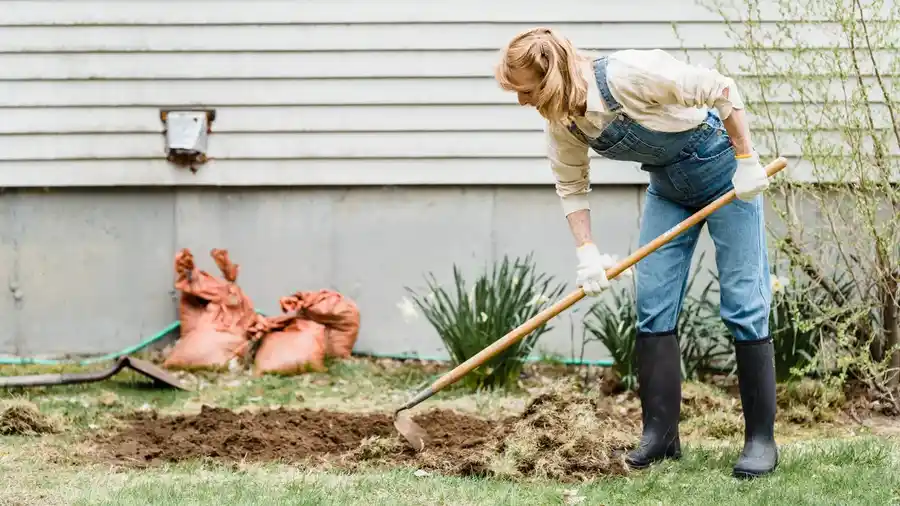
Compacted soil feels hard, sheds water, and keeps grass roots shallow. If a screwdriver, soil probe, or garden trowel stops after 2 to 4 inches in dry ground, that is a strong clue; healthy turf soil is usually easier to penetrate.
Look for these signs together rather than one at a time:
- Water puddles after a light rain or sprinkler cycle.
- Grass thins along paths, play areas, or where cars are parked.
- The lawn dries out faster than expected, even when you water.
- Roots stay close to the surface instead of extending downward.
- New growth can look weak, with dull color and patchy cover.
The cause is often a mix of soil type and pressure. Clay soils compact more easily than sandy soils, and repeated foot traffic, mower turns, or equipment on wet ground compress the pore spaces that roots and air need. Surface runoff is a clue too: if water races off the lawn instead of soaking in, the soil is probably sealed tight near the top.
A simple test is to push a straight metal rod or screwdriver into several places in the yard after irrigation has stopped and the surface is moist, not muddy. If it slides in easily in one area but stops hard in another, the problem is uneven. That matters because compacted strips under walk paths or favorite play spots often need more attention than the rest of the lawn.
The important distinction is this: thin grass does not always mean compaction. Shade, drought, insect damage, poor mowing, and low fertility can all weaken turf. But if poor drainage, hard ground, and shallow roots show up together, soil compaction is the first thing to fix before any repair work.
For more on the soil profile, see the USDA Natural Resources Conservation Service guide to soil health and soil compaction.
What causes compacted soil in a yard?
Repeated pressure on moist soil is the main cause of compacted soil in a yard. The most common sources are foot traffic, mower traffic, parked vehicles, construction activity, and soil that was already dense from the start.
The causes usually stack up:
- Foot traffic on the same routes. Side yards, gate entrances, and pet runs get pressed down day after day. The lawn may still look green, but roots lose room to spread.
- Working or walking on wet soil. Wet ground compresses far more easily than dry ground. A single afternoon on soggy turf can do more damage than several weeks of normal use.
- Heavy equipment or parked vehicles. Even one compacted strip under a trailer, truck tire, or dumpster can stay hard for months.
- Clay-rich native soil. Clay particles fit tightly together, so the soil structure closes up faster than sandy soil. It also tends to hold water at the surface longer, which makes traffic damage worse.
- Thatched or poorly managed lawns. A thick surface layer can hide compaction below it, and shallow roots make the turf less resilient.
The fix starts with choosing the right repair for the source. If traffic is the cause, no aerator can win unless the traffic pattern changes. If the soil is naturally dense, one pass with a rental machine may help for a season but not solve the problem long term.
This is where many generic lawn articles go wrong: they jump straight to seed or fertilizer. That wastes time and money because roots cannot fill in dense soil well. A lawn growing on compacted ground often needs oxygen and pore space more than anything else. If the soil stays tight, fertilizer mainly feeds a stressed plant in the wrong environment.
If the lawn has been driven on, built over, or repeatedly soaked and walked on, expect a slower recovery. The surface may improve in weeks, but the root zone may take a full growing season to respond.
For related yard repair, see lawn aeration, soil drainage, and lawn overseeding.
How to improve compacted soil in a lawn: the step-by-step fix
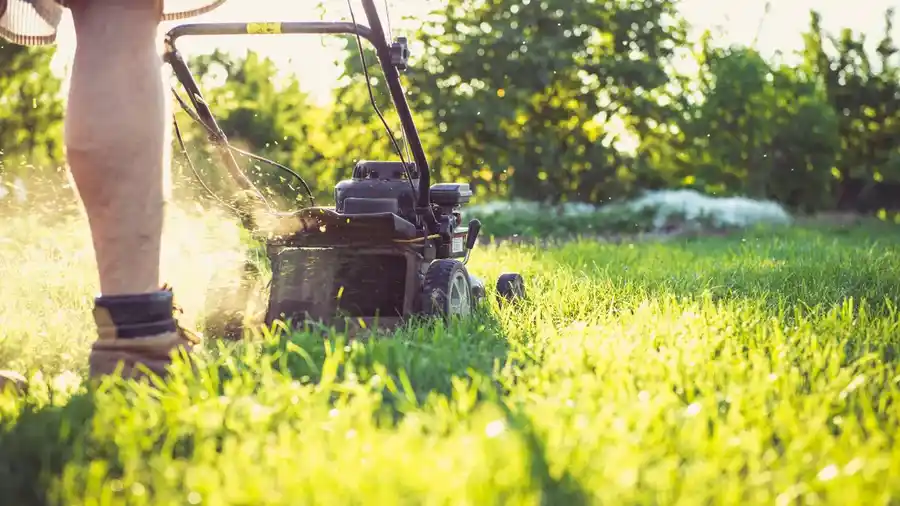
The repair usually starts with aeration, traffic relief, and soil protection long enough for roots to expand. Start with soil that is moist but not muddy, use a core aerator if you can, and then protect the lawn from repeated pressure for at least 4 to 6 weeks.
- Check moisture first. Water the lawn lightly 1 day before aerating, or wait until after a soaking rain when the soil is damp but not sticky. The tool should pull plugs cleanly, not smear the ground.
- Choose a core aerator, not a spike tool. A hollow-tine core aerator removes plugs of soil and opens real space for air and roots. Spike aerators punch holes, but they often compress the sides of the hole and can make compacted soil worse in dense ground.
- Run the aerator in two directions over the worst areas if needed. A second pass north-south and east-west can help on heavily compacted strips, paths, or play zones. You should see soil plugs on the surface after the pass, with visible holes spaced across the lawn.
- Leave the plugs in place. Let them dry and break down naturally over 1 to 2 weeks. They return soil microbes and loosened material to the surface as they crumble.
- Topdress lightly if the soil is very tight. Spread a thin layer, about 1/4 inch, of screened compost over the aerated lawn and work it in with a drag mat or leaf rake. The goal is to fill holes and improve soil structure, not bury the grass.
- Redirect traffic immediately. Keep kids, pets, and heavy gear off the repaired area for several weeks. If one walkway keeps causing the problem, add stepping stones, a path, or a narrower traffic route.
- Water for recovery, not saturation. Keep the top few inches evenly moist while roots re-enter the loosened soil. Deep, infrequent watering is better than daily puddling, which can close the pore space you just opened.
What success looks like is simple: water soaks in faster, the ground feels less brick-like underfoot, and grass begins rooting deeper where the aerator passed. The lawn may look a little rough for a short time because of the plugs, but that is the sign the repair actually reached the problem.
If you rent an aerator, ask for a core model with hollow tines. Rental shops commonly carry walk-behind machines for home lawns, and the exact size matters less than the tool type and the soil condition. On small lawns, a manual aerator can help spots like a gate entrance or pet path, but it is slow and tiring on larger areas.
For tools and upkeep, see lawn care equipment and topdressing compost.
Why aeration works, and when it does not
Aeration works because it creates channels for air, water, and roots to move through compacted soil. It does not fully solve a lawn that is compacted from the top down by bad traffic habits, poor drainage, or very heavy clay without follow-up care.
The basic idea is soil structure. Healthy soil has clusters and pore spaces between particles. Compaction squeezes those spaces shut, which limits oxygen and water movement. Core aeration removes small plugs and gives the root zone breathing room again.
But aeration has limits:
- It helps most when the compaction is in the upper layer, not deep subsoil.
- It works better on lawns that can recover during active growth.
- It loses value fast if the same routes are hammered again.
- It cannot replace drainage work where water stands for long periods.
For many homeowners, one annual aeration is enough to keep a manageable lawn from getting worse. In more heavily used yards, spring and fall aeration may be needed, especially on clay soil or on areas where children, dogs, or equipment cross the lawn daily. The timing should match the grass’s active season so roots can grow into the opened soil. If the turf is already stressed by heat or drought, aerating can add more stress.
This is also the point where a generic article often overpromises. Aeration is not magic. It is a reset, not a permanent cure, and a professional can help if the lawn keeps compacting or drainage problems return. If the lawn drains poorly, if runoff carries water away from the root zone, or if the soil under the turf is dense subsoil from construction, the holes close again unless the site changes too. That is why compaction repair belongs in a soil and turf health plan, not as a one-off chore.
For deeper guidance on the broader turf-soil relationship, the hub page on soil and turf health is the right next stop.
The University of Massachusetts Amherst Turf Program also notes that core aeration is a standard practice for relieving surface compaction in turfgrass systems. See the UMass Turf Program for turf management guidance.
What should I do after aerating so the soil stays loose?
You should protect the openings after aerating so the soil does not compact again before roots move in. The first 2 to 6 weeks after aeration can matter most, because that is when air and water movement have the best chance to change the root zone.
The follow-up is simple, but it has to be disciplined:
- Keep people off the worst areas for several weeks.
- Avoid parking, storage, or repeated wheelbarrow use on the repaired strip.
- Water deeply enough to keep the soil active, not soggy.
- Mow carefully and avoid sharp turns in the same spots.
- If the lawn has a repeating traffic line, change the route or add a hard surface.
Compost topdressing helps most on soil that is tight but still workable. A thin 1/4-inch layer can improve surface structure and feed soil life over time. A thick layer is a mistake; it can smother grass crowns and create uneven spots. The goal is to improve the top zone, not build a new lawn on top of the old one.
If bare or thin areas appear after compaction is relieved, they can often fill in better once roots have room. That said, this page is not about overseeding a lawn for thicker grass or repairing bare spots in a lawn. The job here is to remove the root cause first, because seed fails more often in hard soil than in open soil.
A good sign that the aftercare is working is better infiltration. After a watering, the surface should absorb faster and leave fewer puddles. Another sign is the feel underfoot: the lawn should begin to spring back a bit instead of feeling packed and dead.
For seed timing, see overseeding a lawn and soil amendments.
Common mistakes that make compaction worse
The biggest mistake is using the wrong tool or the wrong timing, because both can leave the soil just as tight as before or tighter. Spike aerators, wet soil, and repeated traffic are the three errors that waste the most effort.
Here is what to avoid:
- Aerating saturated ground. Wet soil smears and closes back up. Wait until the surface is moist, not muddy.
- Using a spike aerator on dense soil. It may leave holes, but it often compresses the walls around them. In compacted clay, that can make the root path narrower.
- Leaving traffic unchanged. If the same 3-foot-wide path stays in use, the compaction returns fast.
- Adding too much topsoil or compost. A thick layer can bury crowns and create uneven settling. Keep topdressing light.
- Skipping the underlying drainage problem. If water stands after rain, the lawn may need grading, downspout changes, or another drainage fix in addition to aeration.
The cost of these mistakes is not just a rough-looking lawn. It is lost root growth, shallow rooting, and a cycle where the surface keeps thinning while the soil underneath gets harder. The repair then becomes more expensive and more frequent.
This is also the cleanest point to say who this approach is not for: if a yard has deep standing water, severe grading problems, or soil so packed that water barely enters at all after repeated aeration, soil improvement alone may not be enough. That kind of site can need drainage work, soil replacement in strips, or a landscape redesign. A quick weekend fix is not realistic there.
When compacted soil needs a bigger fix
Compacted soil needs a bigger fix when aeration helps only briefly or when the lawn stays wet, hard, or shallow-rooted after repeated treatment. If the lawn has persistent runoff, ponding, or a traffic pattern that cannot be changed, the soil problem is bigger than turf care alone.
Watch for these signals:
- Water sits in one place after ordinary rainfall.
- The same dead strip returns every season.
- Aeration holes close over quickly and roots stay shallow.
- The area has a long history of construction fill or repeated vehicle weight.
At that point, a lawn may need a combination of aeration, soil amendment, drainage correction, and traffic redesign. Sometimes the best move is to stop treating the area like ordinary turf and treat it like a hard-use zone with a path, bed, or planting change.
If the issue is modest, though, core aeration plus careful aftercare is usually enough to make real progress. The main job is to give the roots room and then keep that room open long enough for the turf to use it.
How can I tell if my lawn soil is compacted?
Compacted soil is hard to push into, drains slowly, and keeps roots shallow. A screwdriver test is a good quick check: if it meets strong resistance in several spots, especially along paths or play areas, compaction is likely part of the problem.
Does aeration fix compaction?
Aeration helps fix compaction, but it does not cure every lawn by itself. Core aeration opens the soil and gives roots space, yet the lawn can compact again if traffic stays heavy or drainage stays poor.
What causes compacted soil in a yard?
Compacted soil in a yard is usually caused by repeated pressure on wet or clay-heavy soil. For a broader overview, see the USDA NRCS pages on soil health and soil compaction.
Drafted with AI; not yet reviewed by a person.




Leave a Reply