Last updated: October 27, 2026
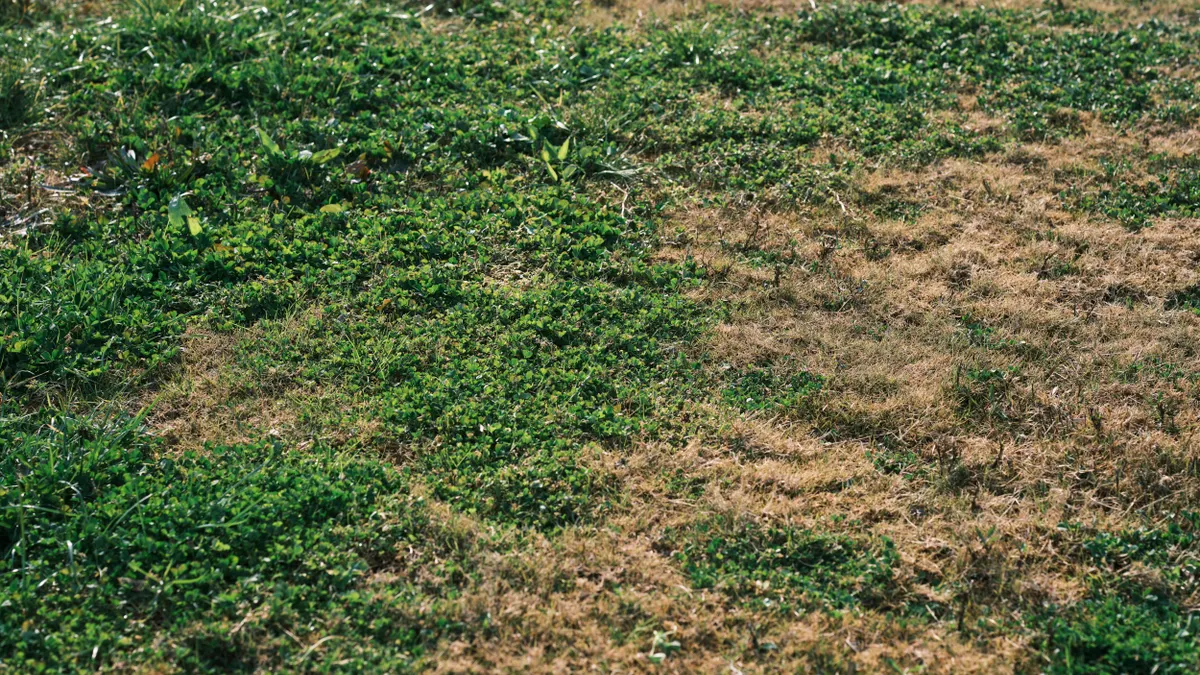
Quick answer: remove visible crabgrass first, then use prevention at the right season next spring. If the patch is small, a spot approach may be enough; if crabgrass keeps returning, the lawn problem is usually thin turf, bare soil, or missed pre-emergent timing. How to get rid of crabgrass in a lawn depends on whether you are treating plants already up or preventing new seedlings. If you are unsure which situation you have, consult a qualified lawn-care professional or your local extension office.
Key Takeaways
- Remove visible crabgrass first, then time prevention so new seeds do not sprout.
- Thin turf, open soil, and timing mistakes help crabgrass return.
- Use a visible-weed product only if the label allows lawn treatment, not prevention alone.
- If the lawn is too damaged for spot treatment, get professional guidance.
Who this applies to, and what you need first

This applies to a lawn with crabgrass already visible, or a lawn that had crabgrass last season and needs prevention next spring. It assumes you already have a mower, a rake, a way to water the lawn, and access to either a pre-emergent herbicide or a post-emergent herbicide labeled for lawns. It also assumes you know where the crabgrass is showing up, even if you do not need a formal identification lesson.
The first decision is whether you are dealing with active growth or planning ahead. Crabgrass is an annual weed, which means it completes its life cycle in one season. That matters because the fix changes with the stage. Once it is up, prevention alone will not make it disappear. Once it has not yet germinated, post-emergent products are the wrong tool.
If the lawn is mostly bare, heavily compacted, or so thin that weeds cover large areas, the usual homeowner approach may not be enough on its own. In that case, a two-part plan often works better: remove what is there, then improve turf density and timing for next year. That also lines up with the hub page on weed, pest, and disease control, which covers the broader decision-making around lawn problems.
One honest limitation: no single treatment makes crabgrass vanish everywhere at once. Existing plants can be controlled, but bare spots will still need reseeding later if you want the lawn to crowd out the next flush. If the damage is extensive, consult a local extension office or lawn-care professional for a renovation plan.
| Approach | Best for | Typical timing | Key note |
|---|---|---|---|
| Hand removal | Small patches | When soil is moist | Pull the crown and roots |
| Post-emergent herbicide | Visible crabgrass | Active growth | Use only a lawn-labeled product |
| Pre-emergent herbicide | Next season’s seedlings | Before germination | Timing matters more than the calendar |
| Overseeding/repair | Thin turf and bare spots | After label wait period | Fill openings so weeds lose space |
How to get rid of crabgrass in a lawn
Remove existing crabgrass first, then use prevention at the correct season so new seeds do not sprout. The order matters. A pre-emergent herbicide blocks germination before seedlings appear; a post-emergent herbicide is used after crabgrass is already visible.
- Map the problem area. Walk the lawn and mark the patches with flags, string, or even small stakes in areas of roughly 1 to 3 square feet. Verify that the issue is localized and not spread through the whole yard. If you cannot find the boundaries, the problem is likely broader than it first looks, and a targeted approach may miss active patches.
- Mow the lawn at the highest height the turf type tolerates. Keep the grass within its recommended range, usually around 2.5 to 4 inches for many home lawns, without scalping. Verify that the canopy shades the soil; if soil is exposed everywhere, crabgrass has room to keep germinating. If mowing leaves brown stubble or exposes stems, the setting is too low and will favor weeds.
- Remove small plants by hand when the soil is moist. Pull from the base and lift the whole plant, including the central crown and as much root as comes with it. Check that no loose seedheads remain in the patch. If the plant breaks off cleanly at the top and roots stay in the ground, it may regrow or leave seed behind.
- Use a post-emergent herbicide only on visible crabgrass, and only as the label allows for lawns. Apply to actively growing weeds in calm weather, usually when temperatures are mild rather than during heat stress. Verify that the product is labeled for your turf species and for crabgrass. If the label does not name both, do not guess; a wrong product can injure turf or simply miss the weed.
- Water according to the label after application, if the product requires it. Some lawn herbicides need a dry period before irrigation; others need no special watering. Verify the specific wait time on the product label. If you water too soon, the treatment may wash off; if you delay too long when the label says otherwise, you may reduce performance. If the label is unclear, consult the product manufacturer or a lawn-care professional.
- Rake out dead or dying clumps after the product has had time to work. Wait until the weed is clearly declining, then remove the debris so sunlight and seed can reach the soil surface. Verify that the patch is open enough for recovery. If you rake too soon, you may spread seed or disturb turf that is still recovering.
- Fill thin spots with seed only after the herbicide label says reseeding is allowed. Some products require a waiting period before lawn seed can be added; others do not. Verify the exact interval on the label and match it to the season. If you overseed too early, seedlings may fail or the product may block establishment.
- Set next season’s prevention date before you forget it. Put a reminder on your calendar for early spring, timed to soil temperature rather than the first hot day. Many extension sources and university turf guides say pre-emergent crabgrass control works best before soil warms enough for germination, often when forsythia is blooming in your area. If you wait until crabgrass is visible, the prevention window has passed.
The key distinction is simple: active plants call for removal or post-emergent control; future plants call for pre-emergent control. Mixing those up is the most common reason crabgrass keeps coming back in the same lawn.
Why crabgrass keeps coming back
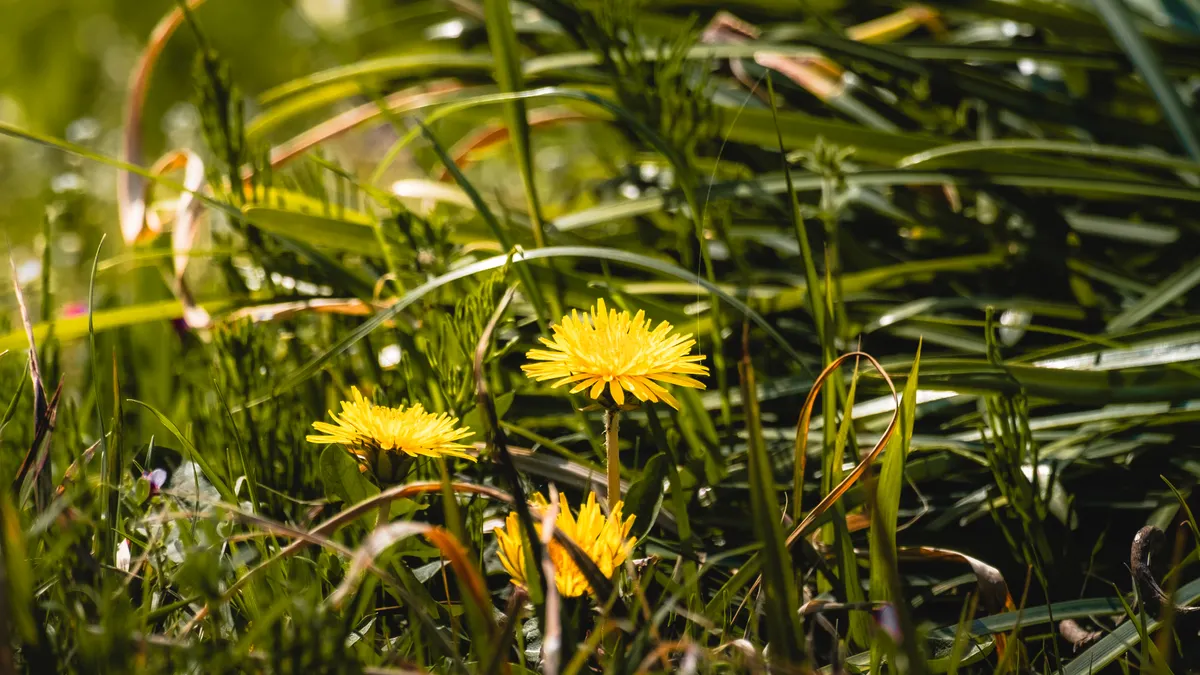
Crabgrass keeps coming back because the lawn is giving it open soil, sunlight, and a timing advantage. The fix is not only a weed killer; it is also a thicker turf canopy and better spring timing.
Thin turf is the biggest driver. Bare or weak grass leaves soil exposed, and crabgrass seed is built to exploit that. If the lawn has patches after winter, traffic wear, drought stress, or mower damage, those gaps become landing spots. The practical fix is to repair the weak areas with seed or sod after treatment, then keep the grass dense enough to shade the ground.
Timing is the second driver. Pre-emergent herbicide works before crabgrass germinates, not after it has already appeared. That means a late spring application can be wasted effort. Extension publications from state universities commonly recommend watching soil temperature and local phenology, not just the calendar. The exact date shifts by region, but the principle does not.
Another cause is repeated seed input. One mature plant can shed a lot of seed over a season, so a few missed clumps can become next year’s problem. This is why mowing before seedheads mature and removing surviving plants matters.
The lawn itself can also be part of the issue. Compacted soil, poor drainage, and excessive bare ground all favor crabgrass. That does not mean the yard needs a complete renovation, but it does mean the weed is often a symptom rather than the whole problem. If the same spots stay open year after year, soil improvement and reseeding matter as much as weed control.
For readers who want the broader turf context, the weed, pest, and disease control hub is the better next stop than chasing one product at a time. For practical lawn repair, the overseeding guide and the aeration guide can help you close the gaps that crabgrass uses.
What not to do when treating crabgrass
Do not spray the whole lawn with a product meant for visible weeds if the label is for prevention only. A pre-emergent herbicide is designed to stop germination in the top layer of soil; it does little to plants that are already growing. The result is disappointment, not control.
Do not use a post-emergent herbicide as though it were harmless on any turfgrass. Lawn labels are specific about species. A product that is fine on one grass can damage another, especially in heat or drought stress. If the label does not clearly list your turf, skip it.
Do not scalp the grass hoping to “get ahead” of crabgrass. Cutting too low exposes soil and weakens the lawn’s own competition. The weed then gets more light, more room, and more seedbed.
Do not seed immediately after every treatment. Some herbicides have a waiting period before seeding, and that period varies by product. Ignoring the label can leave you with dead seed, thin emergence, or a wasted batch of lawn seed.
Do not expect one season of treatment to fix a lawn that has been thin for years. Crabgrass control is partly a timing job and partly a turf-density job. If the soil stays bare, the weed will find the same opening again.
When the standard approach does not apply
The standard approach does not apply if the lawn is too damaged to recover with spot treatment alone. That usually means the bare areas are large enough that reseeding or renovation is the main job, not weed removal.
Large patches of more than a few square feet: This usually means the turf has lost density in that area — repair the patch and plan for reseeding rather than only spraying.
Repeated crabgrass in the same spots every year: This suggests the soil is staying open long enough for seed to germinate — address mowing height, compaction, irrigation, and reseeding timing.
The label on your herbicide does not list your grass type: This means the product may injure the lawn — do not apply it and choose a labeled alternative.
The lawn is under drought stress or extreme heat: Stress increases the chance of turf injury and weakens recovery — wait for better conditions or seek local lawn guidance.
You need to seed right away after treatment: Some pre-emergent products block seedling establishment for a period — use a product compatible with reseeding or delay the seeding plan.
These are not rare edge cases. They are the situations where a simple “spray it and move on” plan usually fails. A garden center label can answer product timing, but a local extension office or qualified lawn-care professional can help when the turf is thin, the species is unclear, or the lawn needs renovation rather than control.
The mistakes people actually make, and what they cost
One mistake is waiting until midsummer to think about prevention. By then, crabgrass has often already germinated, which means the season’s best prevention window is gone. The alternative is to set a spring reminder tied to local soil warming.
Another mistake is using one product for both killing existing plants and preventing new ones without checking the label. That usually leaves the live plants standing while the new generation still appears. The alternative is to separate the jobs: post-emergent for visible weeds, pre-emergent for next season.
A third mistake is mowing too short. A low cut exposes soil and weakens the grass that should be competing with crabgrass. The better approach is to stay in the recommended mowing range for the turf type and leave enough leaf surface to shade the ground.
A fourth mistake is reseeding at the wrong time relative to treatment. That can waste seed or block germination. The fix is to read the herbicide label for the reseeding interval before buying seed.
A fifth mistake is ignoring drainage and compaction. If water sits or the soil is hard, turf thins out and crabgrass moves in. The more durable fix is to improve turf density, aeration where appropriate, and water management instead of repeating the same spray every year.
How long it takes, and what good progress looks like
Crabgrass control usually takes at least one full season to judge properly. Existing plants may show decline over days to a couple of weeks after a labeled post-emergent treatment, but the real test is whether the lawn fills back in and the next flush is smaller.
Good progress looks like three things: fewer visible clumps, fewer new seedlings in the same areas, and thicker turf coverage by late season. If the same open patches remain bare after treatment, the lawn still needs seed or another repair plan. If new crabgrass appears despite correct timing, the prevention window may have been missed or the lawn may need a different product labeled for your grass type.
It helps to think in seasons, not days. Spring is for prevention, summer is for cleanup, and fall is often the best time to thicken turf with seed in many climates. That sequence is what breaks the cycle. A single treatment can reduce the weed, but a healthier lawn is what keeps it from reclaiming the space. For a regional schedule, check your local extension office before the soil warms.
Can I reseed after crabgrass treatment?
Yes, but only after the product label allows reseeding.
The waiting period depends on the herbicide and sometimes on the turf species. Some post-emergent products allow reseeding sooner than pre-emergent products, while others require a longer delay. The practical step is to read the label before you buy seed, then match your reseeding date to that interval. If you ignore the timing, the seed may fail or the lawn may thin out again. For product-specific timing, check the label or ask a lawn-care professional.
Will crabgrass die in winter?
Yes, crabgrass is an annual and usually dies after frost or winter cold.
That does not mean the problem is gone. Its seeds can remain in the soil and start the cycle again in spring. A dead patch in winter often marks a spot that will need prevention next season and, if the turf is thin, reseeding to close the gap. Winter kills the plant, not the seed bank.
When should I apply crabgrass preventer?
Apply crabgrass preventer before seeds germinate, not after you see plants.
The exact timing depends on your region and weather, but many lawn guides use early spring and soil warming as the signal. A practical clue in some areas is forsythia bloom. The important point is that pre-emergent herbicide works ahead of emergence, so if crabgrass is already visible, you need a different approach for this season and prevention for the next one. For the most accurate window, follow your local extension calendar.
Drafted with AI; not yet reviewed by a person.

Leave a Reply