Last updated: October 27, 2026
Quick answer: use the right lawn fertilizer, spread less than you think you need, and water it in unless the label says not to. Fertilizer burn usually comes from too much nitrogen at once, a bad spread rate, or pellets sitting on dry grass too long. Lawn fertilizer works best when it matches the lawn’s condition, not a fixed calendar.
Start with the lawn, not the bag
The safest way to fertilize a lawn without burning it is to decide what the grass actually needs before you open the bag, rather than assuming every lawn needs the same feed. A lawn that is already dense and green usually needs less nitrogen than one that is pale, thin, or recovering from heat stress. If the turf looks healthy, heavy feeding can do more harm than good.
Read the fertilizer label before anything else. The three numbers on the bag are the N-P-K analysis: nitrogen, phosphorus, and potassium. Nitrogen drives top growth and color. Phosphorus supports root development, but many lawns do not need extra phosphorus unless a soil test or local recommendation says so. Potassium helps the grass handle stress. For most home lawns, the number that gets people into trouble is nitrogen, because it is the nutrient most likely to scorch grass when overapplied.
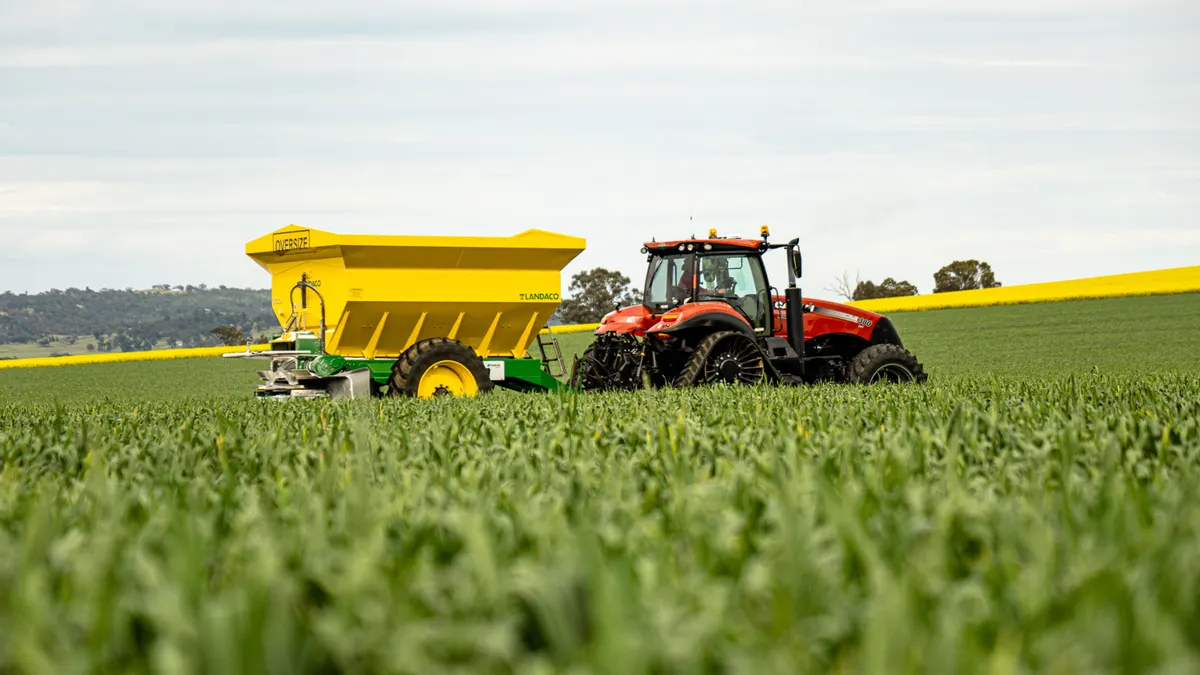
Choose granular fertilizer if you want the most controllable application. A granular product is easier to spread evenly with a broadcast spreader than a liquid is to “eyeball.” That matters because uneven application makes dark stripes in one pass and burned streaks in the next. Slow-release fertilizer is usually the safer choice for a home lawn because it releases nitrogen over time instead of dumping it all at once. Fast-release products can work, but they punish sloppy spreading.
This is also where timing matters. A cool-season lawn usually takes feed best in active growth, often spring and early fall. A warm-season lawn usually responds better in late spring and summer. If the grass is dormant, heat-stressed, or recently damaged, fertilizer can sit on the surface and raise burn risk instead of helping recovery.
For broader lawn care context, the hub on lawn care basics can sit beside this guide.
What lawn fertilizer does, and why burn happens
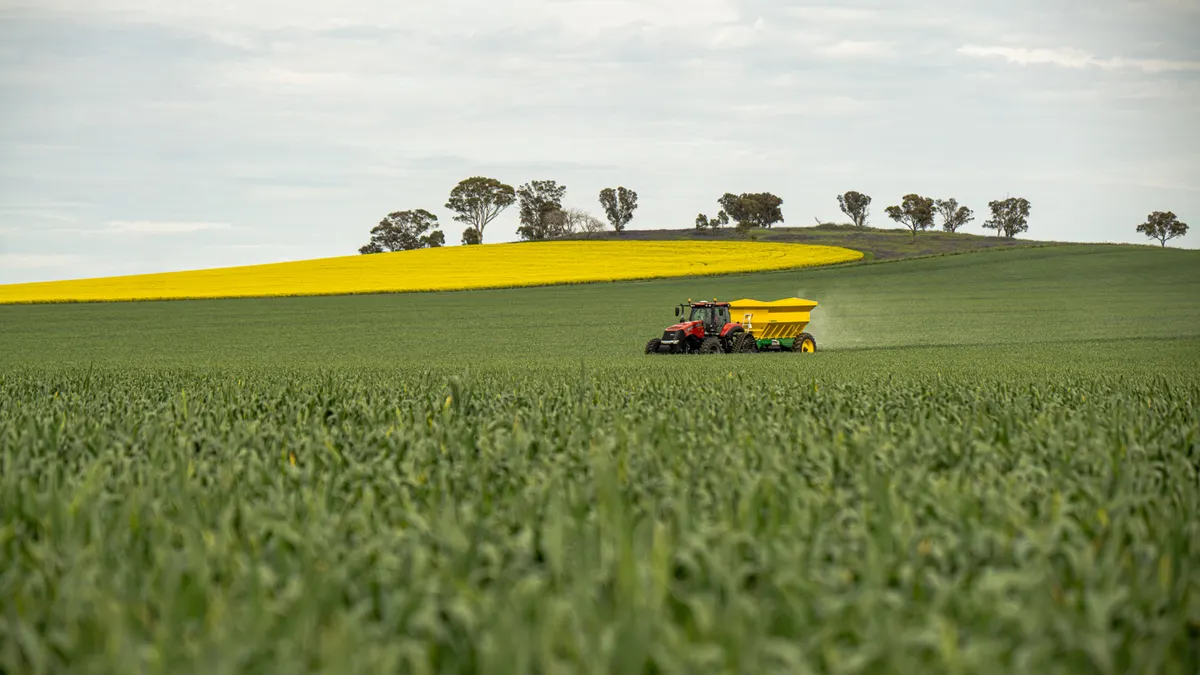
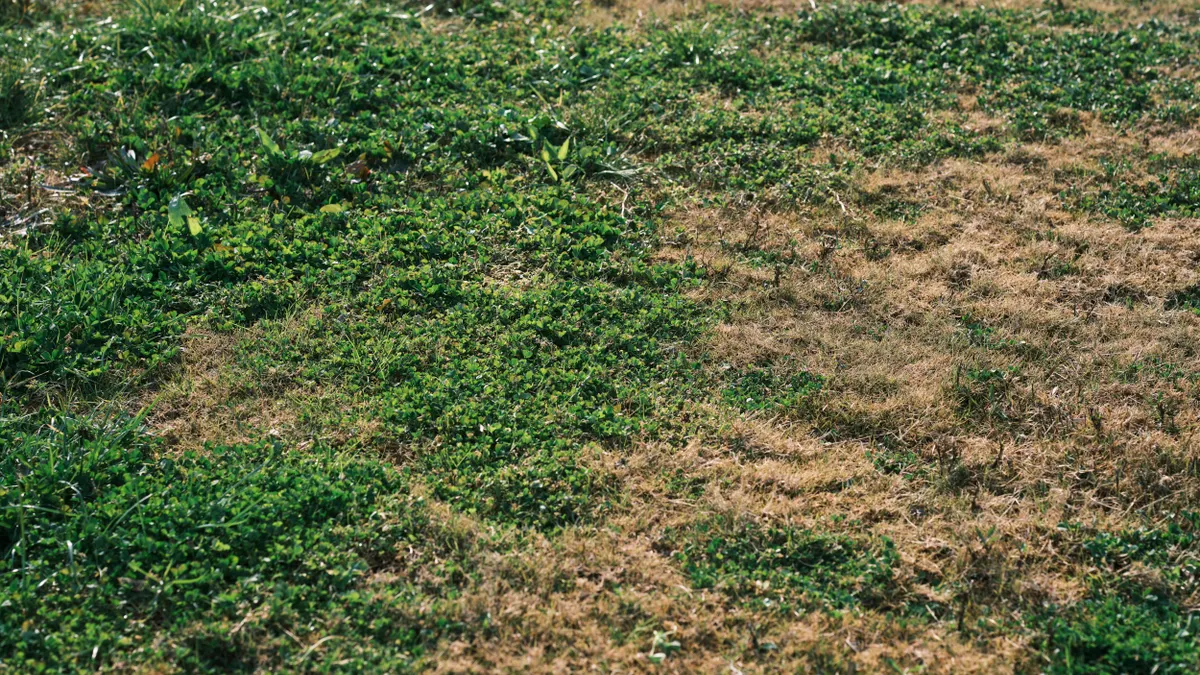
Lawn fertilizer feeds grass, but too much fertilizer pulls water out of the blades and roots. That is the simple reason a lawn burns. Salt injury from excess nitrogen is the usual culprit, not some mysterious bad batch. The result is often a yellow or brown fringe on blades, then bigger dead patches where the product landed too heavily.
Burn is more likely under a few conditions. Dry soil is one. Hot weather is another. Freshly mown turf with exposed leaf tips is also vulnerable, especially if a broadcast spreader dropped a heavy pass across a turning point or overlap. A fertilizer with a high nitrogen analysis can cause more visible injury than a milder one if the spread rate is too high.
Phosphorus and potassium matter, but they are not the main burn risk in most lawn applications. Nitrogen is. That is why the common mistake is to chase fast green-up by adding more than the label calls for. A lawn does not get greener faster in direct proportion to fertilizer rate. It often gets stressed faster.
The good news is that burning is preventable without becoming timid about feeding altogether. A lawn that gets the correct amount at the correct time usually responds with steady color and growth, not a sudden dark surge followed by yellowing tips. The goal is not maximum fertilizer. The goal is the right dose.
How to fertilize a lawn without burning it, step by step
Use this order every time, and keep the spreader setting tied to the product label rather than a guess. A typical broadcast spreader can handle a granular fertilizer cleanly if it is calibrated and the lawn is reasonably dry.
- Measure the lawn area so you know how much fertilizer belongs on the whole yard. A 5,000-square-foot lawn needs a very different amount than a 500-square-foot patch, and if you are unsure about coverage, consult a local extension office or lawn-care professional before applying. The USDA National Institute of Food and Agriculture and many extension services recommend measuring the area first so the rate matches the space.
- Check the label for the application rate and the N-P-K numbers. The label tells you how many pounds or ounces cover a given square footage, and that figure is the ceiling, not a target to exceed.
- Set the broadcast spreader to the product’s recommended setting and test it on a small, nonessential strip if the label suggests calibration. Wheel speed, granule size, and spreader type can change output, so the setting on the bag is the starting point, not a guarantee.
- Apply in two passes if the label rate is high, going half the dose in one direction and the other half at a right angle. This evens out coverage and reduces the chance of a dark strip that gets overloaded.
- Keep the spreader moving through overlaps and turns so extra fertilizer does not dump at the start, stop, or corner. The lawn should look evenly dusted, not striped or clumped.
- Leave granules on the blades only briefly, then water them in as directed. The grass should look clean again after watering, not speckled with fertilizer pellets sitting on top.
If the lawn is already stressed, skip the application instead of pushing through. A brown patch from drought or heat will not respond well to a feeding that same day. The better move is to wait for cooler conditions, then fertilize lightly.
A simple rule helps here: if the bag recommends a rate that feels aggressive, do not “round up.” Round down. You can often feed again later if the lawn genuinely needs it; you cannot undo an overdose once the fertilizer has been spread.
What spread rate keeps grass safe?
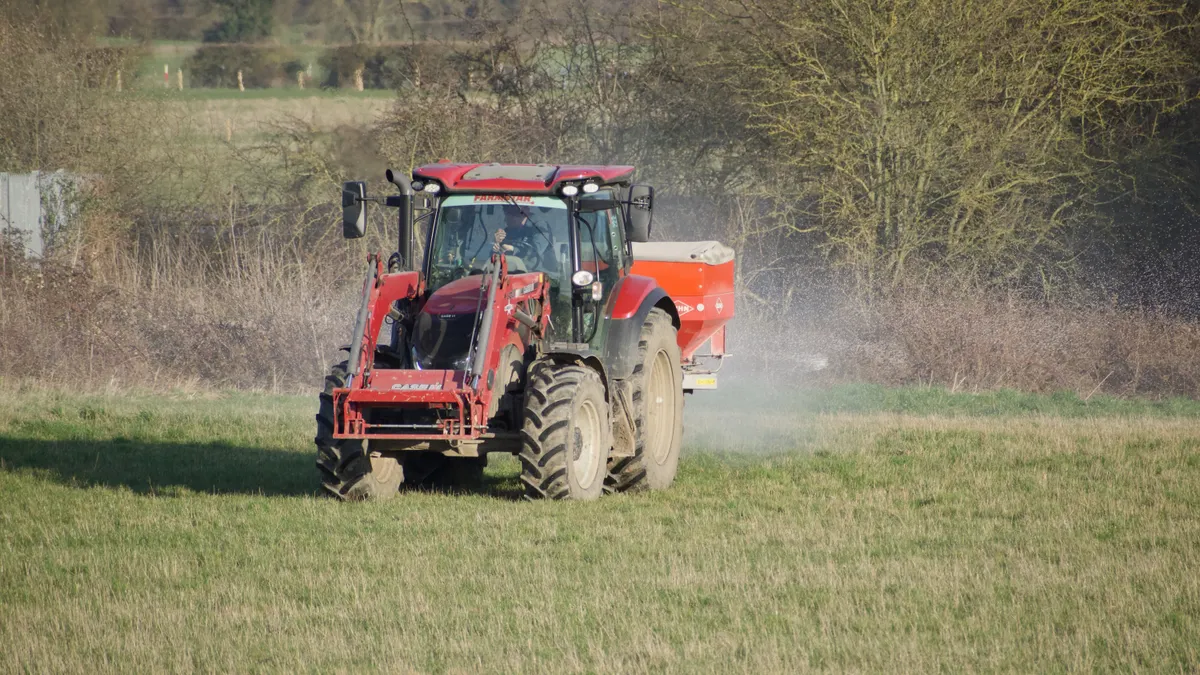
The safest spread rate is the one printed on the fertilizer label for that product and lawn size. “More” is not a better setting when the goal is healthy turf. A broadcast spreader should put down an even pattern at the rate the product was made for, but calibration and walking speed still matter.
The practical problem is that many people underestimate how much material a lawn receives when they overlap passes. A small overlap may look harmless, but repeated passes can turn into a heavy strip. That strip is where burn shows first. The same thing happens at the edges of driveways, sidewalks, and tight turns, where a spreader often dumps more product than the middle of the lawn.
Granular fertilizer gives better control than a loose, improvised application because the granules are visible. You can see where the pattern gets dense. If you notice clumps or streaks while spreading, stop and fix the settings before continuing. Do not try to “make it even later.” Later is too late once concentrated nitrogen has settled into one area.
This is also the section where slow-release fertilizer earns its keep. A slow-release product is more forgiving if the spread rate is slightly off, because the nitrogen does not hit the grass all at once. It is not a license to ignore the label, but it is a useful buffer for home lawns where perfection is hard.
The one thing I would not recommend is guessing by color alone. A lawn that looks a little pale does not automatically need a heavier dose. Pale color can come from compacted soil, poor watering, shade, or low mowing height. Fertilizer is only one tool, and using too much of it can turn a cosmetic problem into a dead patch.
Should I water after fertilizing?
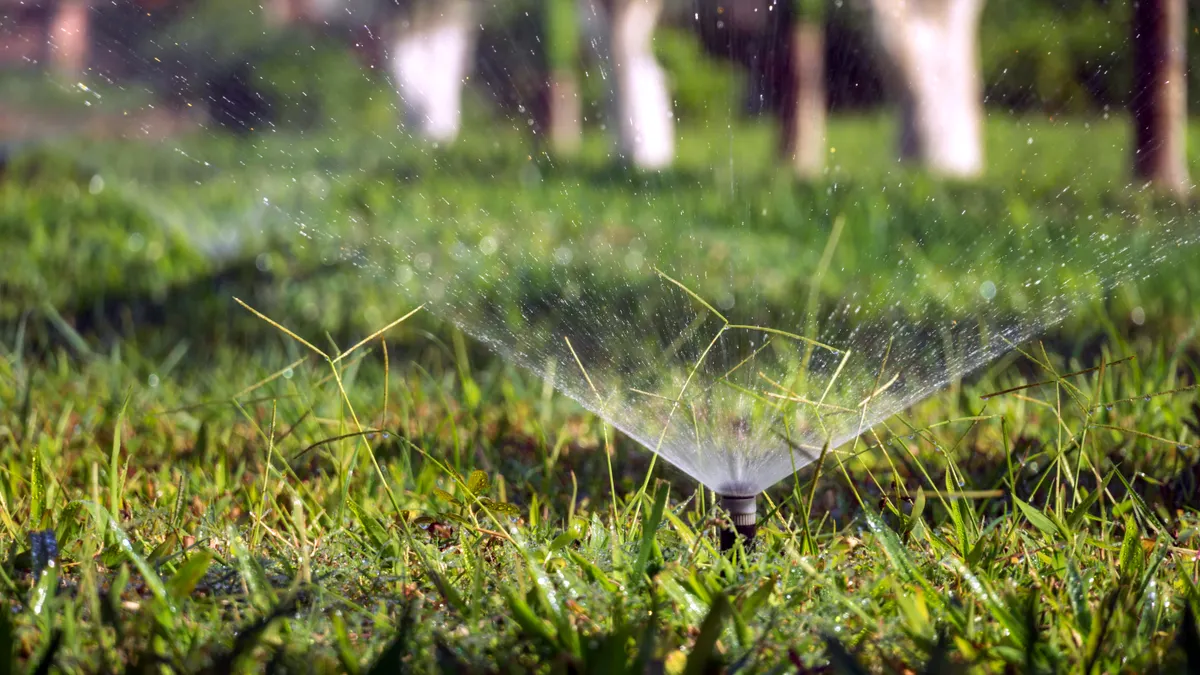
Yes, water after fertilizing unless the label says the product is designed to be left dry for a specific reason. Water moves granular fertilizer off the leaf surface and down into the soil, which lowers burn risk and makes the nutrients available to the roots. A light, even watering is usually enough to rinse the granules in; a flood is not the goal.
The timing matters. If fertilizer sits on dry blades for hours, the chance of scorch rises, especially during warm weather. If rain is due soon, that may do the job for you, but only if the forecast is reliable and the rain is gentle enough to wash the product in rather than wash it away. A heavy storm can move fertilizer off the lawn and into beds, drains, or bare spots.
Do not water so hard that the surface turns muddy and runs off. A short watering cycle is usually better than a long soak right after application. The point is to dissolve the granules and move them to the root zone, not to drown the yard. If your irrigation system applies unevenly, watch for puddling in low spots, because those areas may collect more fertilizer than the rest of the lawn.
If the lawn is already dry and the soil is hard, watering before fertilizing can help. Moist soil reduces stress and makes uptake smoother. That does not mean soaking the lawn for an hour first. It means giving the grass a normal drink so the roots are not starting from a drought-stressed state.
Common mistakes that burn lawns
The biggest mistake is applying fertilizer at the wrong rate, and it costs you in brown streaks, patchy grass, and time spent repairing damage. The fix is simple: follow the label, use a spreader, and do not double the rate because the lawn “looks hungry.”
The second mistake is fertilizing during heat or drought stress. A lawn under stress cannot use the nutrients well, so the fertilizer sits there and increases salt pressure. If daytime temperatures are high and rainfall has been scarce, wait. A delayed feeding is far cheaper than replacing burned turf.
The third mistake is putting fertilizer on wet grass and then letting it sit in clumps. Wet blades can catch granules and hold them in place, especially if the spreader is not calibrated well. If the product is meant to be watered in, water it in promptly and evenly. If clumps land in one place, brush or blow them off before they burn a spot.
The fourth mistake is using a high-phosphorus product when the lawn does not need it. That does not usually cause visible burn as fast as nitrogen overload, but it is still wasted material and can be the wrong input for the site. Unless a soil test or local recommendation points that way, keep phosphorus modest.
The last mistake is feeding a lawn on autopilot every time the calendar says so. That approach ignores what the grass is showing. A better habit is to check color, growth, weather, and recent mowing before every application. If the lawn looks healthy and the weather is rough, skip the fertilizer and come back later.
When not to fertilize at all
Do not fertilize when the lawn is dormant, heat-stressed, or already damaged in a way fertilizer cannot fix. A stressed lawn has limited capacity to process nutrients, and the extra salts can do more harm than good. That is especially true during very hot weather or during a dry spell with no irrigation.
Skip feeding right before a forecast of heavy rain. Fertilizer can wash off the lawn before it has time to move into the soil, and that wastes product while increasing runoff risk. A moderate watering after application is useful; a downpour is not the same thing.
Do not apply fertilizer if the spreader is throwing unevenly or if you have no way to measure coverage. An imprecise pass is one of the most common causes of visible burn because the excess lands in streaks. A small, controlled application is safer than a rushed one.
If the lawn needs major recovery, or if the problem looks like disease, insect injury, or soil compaction rather than simple hunger, fertilizer is not the first fix. In that case, a local extension office or lawn-care professional can help identify the real cause before more nitrogen goes down. A feed is only useful when the turf can use it.
Key takeaways
- The safest lawn fertilizer plan starts with the lawn’s condition, not a routine date on the calendar.
- Nitrogen is the nutrient most likely to burn grass when it is overapplied.
- A granular, slow-release fertilizer spread with a broadcast spreader is easier to control than a quick, heavy application.
- Watering after fertilizing usually lowers burn risk and helps nutrients reach the root zone.
- If the grass is stressed, dormant, or already damaged, waiting is often the better move.
How often should I fertilize my lawn?
The right frequency depends on grass type, climate, and soil condition, not a universal calendar. A healthy lawn usually needs fewer feedings than a thin or pale one. Start with the product label and local guidance, then adjust based on visible growth, color, and season. Overfeeding is a bigger risk than underfeeding for most home lawns.
Can fertilizer burn grass?
Yes, fertilizer can burn grass when too much nitrogen lands in one place or when it sits on dry blades too long. Burn often shows up as yellowing, browning, or streaks that match the spread pattern. Watering after application usually lowers the risk, but it cannot rescue a seriously overloaded area once damage starts.
Should I water after fertilizing?
Yes, watering after fertilizing is usually the safest move for a lawn. It rinses granules off the leaf blades and helps move nutrients into the soil where roots can use them. A light, even watering is enough in many cases. Check the label, though, because some products have specific watering instructions.
Drafted with AI; not yet reviewed by a person.

Leave a Reply