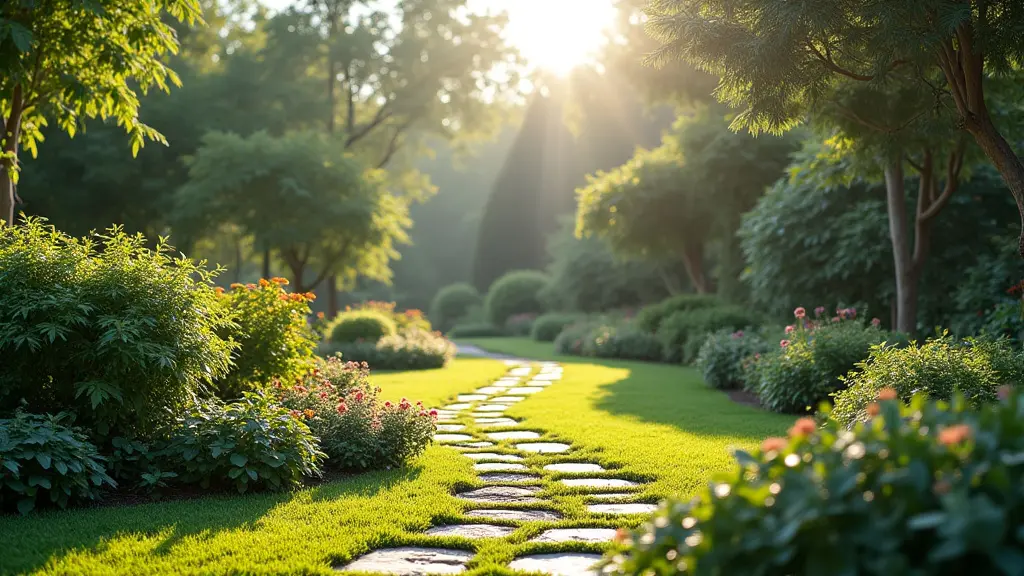
Picture this: you’re relaxing on your patio, the warm Virginia sun on your face, and a lush, vibrant green lawn stretching out before you. Sounds idyllic, right? But achieving that perfect outdoor space takes more than just a little luck. Whether you’re a seasoned gardener or a complete beginner, maintaining a stunning Virginia lawn and landscape can be a rewarding experience. This post is your comprehensive guide, offering practical advice and insider tips to help you transform your yard into a beautiful and thriving oasis. Get ready to explore the essentials and learn how to create a Virginia lawn and landscape you’ll be proud of.
Key Takeaways
- Learn about the best grass types suited for the Virginia climate.
- Understand the importance of soil testing and proper fertilization.
- Discover effective strategies for controlling common lawn pests and diseases.
- Explore the essential steps for successful lawn maintenance, including mowing and watering.
- Gain insights into creating a beautiful and sustainable landscape design.
- Find expert advice on choosing the right plants and trees for your Virginia yard.
Choosing the Right Grass for Your Virginia Lawn
The foundation of any beautiful landscape is healthy grass. Selecting the right type of grass for your Virginia lawn is the first, and perhaps most important, step. Virginia’s climate experiences a wide range of temperatures and humidity levels, making certain grass varieties better suited than others. Consider factors such as sunlight exposure, foot traffic, and your personal preferences when making your decision. Knowing the specific characteristics of different grasses will ensure you start off right.
Warm-Season Grasses for Virginia
Warm-season grasses thrive in the warmer months and go dormant during the winter. They are well-adapted to the hot, humid conditions that Virginia experiences throughout the summer. These grasses generally require less watering and fertilization than their cool-season counterparts once established. However, they may turn brown in the winter.
- Bermudagrass: Bermudagrass is a popular choice for lawns in the southern parts of Virginia. It is known for its excellent wear tolerance, making it ideal for high-traffic areas. This grass spreads quickly through stolons and rhizomes, forming a dense turf.
- Zoysiagrass: Zoysiagrass is another warm-season grass that performs well in Virginia. It is known for its dense, fine texture and its ability to tolerate shade better than Bermudagrass. Zoysiagrass is a slow-growing grass, so it takes longer to establish.
- Centipedegrass: Centipedegrass is a low-maintenance warm-season grass that is popular in the southern parts of Virginia. It has a coarse texture and forms a dense turf. Centipedegrass is known for its slow growth rate, so it requires less mowing.
Bermudagrass has a fine to medium texture and a good overall appearance. It requires full sun to thrive, so it is not a good choice for shady areas. Regular mowing is needed to keep it looking its best. Bermudagrass also needs to be fertilized several times during the growing season and needs good drainage to prevent disease.
Zoysiagrass has excellent wear tolerance and good drought resistance once established. It forms a thick turf that helps to crowd out weeds. Zoysiagrass also has a deep root system, which helps it to withstand dry conditions. Fertilization needs are moderate, and it generally requires less mowing than Bermudagrass. It is an excellent option for areas with moderate foot traffic and partial shade.
Centipedegrass is well-adapted to sandy or acidic soils. It is relatively drought-tolerant once established. Centipedegrass needs low levels of fertilization and is generally not well-suited for high-traffic areas. It is a good choice for homeowners seeking a low-maintenance option that still provides a good appearance. However, be cautious when using herbicides. Some weed killers can harm centipedegrass.
Cool-Season Grasses for Virginia
Cool-season grasses grow best during the cooler months of spring and fall. They can tolerate the cold winters of Virginia. Cool-season grasses need regular watering and fertilization, particularly during the hot summer months, and can be more susceptible to certain diseases and pests. The upside is a consistently green lawn year-round.
- Tall Fescue: Tall fescue is a popular cool-season grass that is well-suited to the Virginia climate. It is known for its durability, drought tolerance, and shade tolerance. Tall fescue forms a dense, dark green turf and is a good choice for high-traffic areas.
- Kentucky Bluegrass: Kentucky bluegrass is another popular cool-season grass. It is known for its fine texture, dark green color, and excellent appearance. Kentucky bluegrass forms a dense, attractive turf. However, it requires more maintenance than tall fescue.
- Perennial Ryegrass: Perennial ryegrass is often used as a companion grass with Kentucky bluegrass and tall fescue, and it is also planted alone. It is known for its rapid germination and establishment rate. Perennial ryegrass provides quick green-up and excellent wear tolerance.
Tall fescue is relatively low-maintenance, requiring moderate levels of fertilization and watering. It has a deep root system, making it more drought-resistant than some other cool-season grasses. It is a good option for home owners seeking a versatile grass that performs well in a variety of conditions. However, tall fescue can be prone to certain fungal diseases, especially in humid conditions, and may require regular aeration.
Kentucky bluegrass is best suited for full sun and requires regular watering and fertilization. It is less drought-tolerant than tall fescue and can be susceptible to diseases. Kentucky bluegrass spreads through rhizomes, forming a dense mat. It is a good choice for lawns where appearance is a top priority, but be prepared to provide extra care during the hot summer months. Be careful when mowing, as scalping can stress this grass.
Perennial ryegrass has a fine to medium texture and forms a dense turf. It is a good choice for areas with high foot traffic. Perennial ryegrass is often used to overseed existing lawns to improve their appearance and density. However, it requires regular watering and fertilization, and is not as drought-tolerant as some other cool-season grasses. It is also more prone to disease than tall fescue. Use it cautiously in shaded areas.
Preparing and Maintaining Your Lawn’s Soil
Healthy soil is the foundation of a thriving lawn. The quality of your soil significantly impacts grass growth, and proper preparation and ongoing maintenance are essential. This involves understanding your soil’s composition, performing regular soil testing, and applying the appropriate amendments. It is all key to ensuring your grass receives the nutrients it needs to flourish.
The Importance of Soil Testing
Before you begin any lawn care regimen, conduct a soil test. Soil tests provide valuable information about your soil’s pH level, nutrient content, and organic matter. This information guides you in making the right decisions regarding fertilization and soil amendments. Without this knowledge, you may be guessing when it comes to the care of your Virginia lawn and landscape.
- Why Test?: Soil testing reveals deficiencies, like a lack of nitrogen, phosphorus, or potassium, essential for grass growth. It also identifies imbalances, such as high acidity (low pH), which can prevent nutrient absorption. Knowing these details allows you to amend the soil accordingly, making it more favorable for your chosen grass type.
- How to Test: You can purchase soil test kits from most garden centers, or you can send a soil sample to a local extension office or a commercial laboratory. When collecting a soil sample, take several cores from different areas of your lawn. Mix the cores together and send a representative sample to the testing facility.
- Interpreting Results: Soil test results usually include the soil’s pH level, levels of essential nutrients (nitrogen, phosphorus, potassium, etc.), and organic matter content. Recommendations are often given for the types and amounts of fertilizer and soil amendments needed to improve the soil’s health.
Soil testing can also reveal the presence of heavy metals or other contaminants, which could affect the health of your lawn and the safety of your family and pets. Testing will help you make the best decisions regarding fertilization, planting, and drainage.
The results of the test will provide specific recommendations for fertilizer application and soil amendments. Follow these recommendations to get the best results. Test your soil every two to three years, or more frequently if you notice any changes in the health or appearance of your lawn.
For example, if the pH level is too low (acidic), the test might suggest adding lime to raise it. If nutrient levels are low, it might recommend a specific fertilizer blend. Understanding these results and acting on the recommendations is key to achieving a healthy lawn.
Fertilizing Your Virginia Lawn
Fertilizing is essential for providing your lawn with the necessary nutrients for healthy growth. Choose a fertilizer that matches the needs of your grass type and the results of your soil test. Proper fertilization not only promotes vigorous growth but also increases resistance to pests and diseases.
- Choosing the Right Fertilizer: Lawn fertilizers typically contain three primary nutrients: nitrogen (N), phosphorus (P), and potassium (K). These are usually represented by three numbers on the fertilizer bag, such as 10-10-10 or 20-5-10. The numbers indicate the percentage by weight of each nutrient.
- Timing of Fertilizer Application: The best time to fertilize your lawn depends on the type of grass you have and the climate of Virginia. For cool-season grasses, the best times to fertilize are in the fall and spring. This is when the grass is actively growing. Avoid fertilizing during the heat of summer.
- Types of Fertilizers: There are many types of fertilizers available. Granular fertilizers are spread using a broadcast spreader. Liquid fertilizers are mixed with water and applied using a sprayer. Organic fertilizers, such as compost and manure, are a great option for environmentally conscious homeowners.
Nitrogen promotes green growth. Phosphorus supports root development. Potassium enhances overall plant health and disease resistance. Select a fertilizer based on the type of grass you have and your soil test results. Slow-release fertilizers provide nutrients over a longer period. Quick-release fertilizers provide a rapid boost, but may require more frequent applications.
Warm-season grasses should be fertilized in the late spring and early summer. The soil should be moist, and you should always water the lawn thoroughly after applying fertilizer to help the nutrients reach the roots. Fertilize according to the package directions or the recommendations from your soil test.
Synthetic fertilizers are made from chemicals and provide a quick release of nutrients. Organic fertilizers release nutrients more slowly, improving the overall soil health. Choose a fertilizer type based on your personal preferences, the type of grass you have, and the results of your soil test. Always follow the manufacturer’s instructions for application rates.
Managing Pests and Diseases in Your Lawn
Pests and diseases can wreak havoc on your Virginia lawn and landscape, causing unsightly damage and potentially killing your grass. Recognizing these issues early and taking swift action is essential to maintaining a healthy lawn. There are several strategies for controlling pests and diseases, from preventative measures to targeted treatments.
Common Lawn Pests
Numerous pests can damage lawns, including insects, grubs, and other creatures. Knowing how to identify and control these pests will protect your grass from damage.
- Grubs: Grubs are the larvae of various beetles, such as Japanese beetles and June bugs. They feed on grass roots, causing brown patches in the lawn. Look for spongy turf and easy-to-lift grass.
- Chinch Bugs: Chinch bugs are tiny insects that suck the sap from grass blades, causing yellowing and browning patches. They are most common in sunny areas with dry conditions. Check for chinch bugs by examining the base of the grass blades.
- Sod Webworms: Sod webworms are the larvae of moths. They feed on grass blades, leaving behind a chewed-up appearance. Look for small, green caterpillars and patches of brown grass.
To control grubs, apply a grub control product in late summer or early fall, when the grubs are young and most vulnerable. You can also introduce beneficial nematodes, which are microscopic worms that feed on grubs. Preventative treatments, such as applying insecticides at the appropriate time, are effective at stopping damage before it starts.
To control chinch bugs, water your lawn regularly and avoid over-fertilizing. Insecticidal treatments may be necessary if the infestation is severe. Make sure to choose products specifically designed for chinch bugs. Keeping your lawn healthy helps it to naturally resist pest infestation.
To control sod webworms, mow your lawn regularly, and avoid overwatering. Applying an insecticide containing Bacillus thuringiensis (Bt) can be effective. This is a natural insecticide that is safe for people and pets. Ensure that you have identified the pest correctly before applying any treatment.
Common Lawn Diseases
Diseases can also damage your lawn. They are often caused by fungi or bacteria. Recognizing the symptoms of these diseases and taking preventative measures will help you to keep your lawn healthy and beautiful. Over-watering, poor drainage, and excessive thatch can worsen the problem.
- Dollar Spot: Dollar spot is a fungal disease that causes small, circular patches of dead grass. The patches are typically about the size of a silver dollar. It is more common in lawns with low nitrogen levels and in warm, humid conditions.
- Brown Patch: Brown patch is another fungal disease that causes large, irregular patches of brown grass. It is more common in warm, humid conditions and in lawns with poor air circulation. It can be especially prevalent in areas where there’s poor drainage.
- Rust: Rust is a fungal disease that causes yellow or orange spots on grass blades. The spots may turn reddish-brown. It is more common in lawns with low nitrogen levels and in cool, wet conditions. Rust thrives in shady areas with poor air circulation.
To prevent dollar spot, fertilize your lawn properly and ensure proper drainage. You can also apply a fungicide to control the disease. Improve air circulation by pruning any overhanging branches. Water your lawn deeply and less frequently. This allows the grass to dry out between waterings. Use a fungicide if the issue is severe.
To prevent brown patch, improve air circulation by pruning any overhanging branches. Avoid overwatering and fertilize your lawn properly. You can also apply a fungicide to control the disease. Aerate your lawn to improve drainage. This is especially helpful in clay soils. Improve drainage and water in the early morning.
To prevent rust, fertilize your lawn properly and improve air circulation. You can also apply a fungicide to control the disease. Mow your lawn regularly to remove infected blades. Increase sunlight and air movement by trimming trees. Avoid overwatering your lawn. This is a common issue with shady lawns.
Essential Lawn Maintenance Practices
Regular maintenance is critical for keeping your Virginia lawn and landscape looking its best. Proper mowing, watering, and aeration are the main practices you’ll need to do regularly. Following a consistent maintenance schedule ensures your grass remains healthy, green, and vibrant throughout the growing season.
Mowing Your Lawn Correctly
Mowing is one of the most basic, yet important, aspects of lawn care. It not only keeps your lawn looking neat but also promotes healthy growth. Incorrect mowing practices can stress the grass and make it more susceptible to disease and pests. Correct mowing includes the frequency, height, and method of mowing.
- Mowing Frequency: The frequency of mowing depends on the grass type and the growth rate. In general, you should mow your lawn often enough that you only remove about one-third of the grass blade at a time. This keeps the grass healthy and avoids scalping.
- Mowing Height: The ideal mowing height varies by grass type. Taller grass blades promote deeper roots, making the lawn more drought-tolerant. Taller grass can also shade the soil and prevent weed growth.
- Mowing Techniques: Vary your mowing pattern each time to prevent the grass from leaning in one direction. Sharpen your mower blades regularly to ensure a clean cut, which prevents disease. Avoid mowing when the grass is wet, as this can lead to uneven cuts and the spread of disease.
During peak growing seasons, you may need to mow your lawn once or twice a week. In the spring and fall, when growth slows, mowing once a week may be sufficient. Always follow the one-third rule, as this will prevent stress on the grass. Avoid cutting too much at once.
Most cool-season grasses, like tall fescue, should be mowed at a height of 2.5 to 4 inches. Warm-season grasses, such as Bermudagrass, may be mowed at a lower height of 1 to 2 inches. Consult local guides for information specific to your grass type and the best height for your lawn. Adjust the height of your mower to the recommended level.
Ensure that you overlap each pass to avoid leaving strips of uncut grass. Consider using a mulching mower. This mower finely chops the grass clippings and returns them to the lawn, acting as a natural fertilizer. Keep your mower blades sharp. Dull blades can tear the grass instead of cutting it cleanly.
Watering Your Lawn Effectively
Proper watering is essential for maintaining a healthy and vibrant lawn, especially during the hot Virginia summers. The goal is to provide enough water to keep the grass thriving without overwatering, which can lead to disease. Understanding how to water your lawn effectively will help you conserve water and keep your lawn looking great.
- Watering Frequency: Deep, infrequent watering is the key to a healthy lawn. Water deeply enough to soak the soil to a depth of 6 to 8 inches. The frequency depends on the grass type, the climate, and the soil conditions.
- Watering Techniques: Use a sprinkler system or a hose to water your lawn. Make sure that the water reaches all areas of the lawn evenly. You can test your watering by placing a few empty cans on the lawn. Once the cans have collected 1 inch of water, the lawn has received enough water.
- Signs of Overwatering and Underwatering: Overwatering can lead to shallow roots and increased disease risk. The lawn may feel spongy, and you may see fungal diseases. Underwatered lawns will turn brown, and the grass blades will curl.
In general, you should water your lawn when the top inch of soil is dry. During the summer, you may need to water your lawn once or twice a week. Water in the early morning to allow the grass to dry during the day, which reduces the risk of disease. Water slowly to allow the soil to absorb the water.
Avoid watering during the heat of the day, as much of the water will evaporate. Consider using a soaker hose or drip irrigation system for more efficient watering. These systems deliver water directly to the roots. Use a rain gauge to keep track of how much rainfall you are receiving.
Adjust your watering schedule accordingly if you notice either of these conditions. Water when needed, and do not overwater. Observe your lawn for any signs of stress. Check the soil moisture levels to make sure your lawn is getting enough water. Adjust the water schedule to suit the weather.
Creating a Sustainable Landscape Design
Creating a sustainable landscape design goes beyond just planting grass and shrubs. It involves designing a beautiful outdoor space that also considers the environment, conserves resources, and supports biodiversity. With the right planning and choices, you can create a beautiful landscape that is also friendly to the planet.
Selecting the Right Plants and Trees
Choosing the correct plants and trees is crucial for a sustainable landscape. Selecting plants that are native to your area will require less water and maintenance. It will also support local wildlife. By carefully considering the needs of your plants, you can create a thriving landscape.
- Native Plants: Native plants are well-adapted to the local climate and soil conditions, and they require less water, fertilizer, and pesticides. They also provide food and habitat for native wildlife, such as birds, butterflies, and pollinators.
- Drought-Tolerant Plants: Drought-tolerant plants are a great choice for areas that experience dry spells. These plants have adapted to survive with less water, reducing the need for irrigation. This will save water and lower your water bill.
- Trees for Shade and Beauty: Trees provide shade, which can reduce your energy costs and create a comfortable outdoor living space. They also add beauty to your landscape and provide habitat for wildlife. Consider the size and growth habits of trees before planting them.
Examples of native plants for Virginia include the Eastern redbud tree, Virginia bluebells, and various types of grasses and wildflowers. Look for plants that are suitable for your specific location, considering sunlight exposure, soil type, and drainage. By planting native species, you are contributing to a healthier environment.
Some drought-tolerant options for Virginia include sedum, coneflowers, and various ornamental grasses. Group plants with similar water needs together to make watering more efficient. Use mulch around your plants to help retain moisture and reduce evaporation. These help save water while also providing aesthetic appeal.
Some good tree options for Virginia include the red oak, sugar maple, and river birch. Consider the mature size of the tree and make sure it has enough space to grow. Plant trees in locations that provide shade during the hottest parts of the day. Trees can also help to reduce noise pollution. They add beauty to your home.
Implementing Water-Wise Practices
Conserving water is essential for a sustainable landscape. There are several water-wise practices you can adopt to reduce water usage and protect this valuable resource.
- Efficient Irrigation Systems: Use efficient irrigation systems, such as drip irrigation or soaker hoses, to deliver water directly to the roots of plants. These systems use less water than traditional sprinklers and reduce water waste due to evaporation.
- Rainwater Harvesting: Collect rainwater in rain barrels or cisterns for use in watering your plants. Rainwater is a natural and free source of water. It is ideal for your plants.
- Xeriscaping: Xeriscaping is a landscaping method that uses drought-tolerant plants and efficient irrigation techniques to reduce water usage. This is a very beneficial process to incorporate.
Consider installing a smart irrigation system that uses weather data to adjust the watering schedule based on rainfall and temperature. Ensure that your irrigation system is properly maintained to avoid leaks and inefficiencies. Check for any clogs in the system. Check the nozzles and heads periodically.
Rainwater harvesting can help to reduce your water bill and conserve water. Place rain barrels under downspouts to collect rainwater from your roof. Use the collected water to water your plants or fill your bird bath. Be sure to check with your local authorities for regulations regarding rainwater harvesting.
Xeriscaping can transform your landscape into a water-wise oasis that requires minimal watering and maintenance. Group plants with similar water needs together. Use mulch around your plants to help retain moisture and reduce weed growth. Consider using hardscaping elements, such as gravel or stone, to reduce the amount of grass in your landscape. Xeriscaping makes for a great look.
Eco-Friendly Lawn Care Techniques
Adopting eco-friendly lawn care techniques will help to reduce your environmental impact and create a healthier landscape. These practices focus on using natural products and methods to maintain your lawn. They are also gentle on the environment.
- Composting: Compost your yard waste, such as grass clippings and leaves, to create a natural fertilizer and soil amendment. Composting reduces the need for synthetic fertilizers and improves the soil’s health.
- Using Organic Fertilizers: Use organic fertilizers, such as compost, manure, or seaweed extract, to provide nutrients to your lawn. Organic fertilizers release nutrients slowly, improving the overall soil health and reducing the risk of pollution.
- Reducing Pesticide Use: Reduce or eliminate the use of synthetic pesticides. These products can harm beneficial insects, wildlife, and the environment. Consider using natural pest control methods, such as introducing beneficial insects, using insecticidal soap, or removing pests by hand.
Create a compost pile in your yard or use a compost bin. Add a variety of organic materials, such as grass clippings, leaves, food scraps, and yard waste. Turn the compost pile regularly to provide oxygen. Use the finished compost to fertilize your lawn and garden. Composting adds nutrients to your soil. It is great for the environment.
Avoid using synthetic fertilizers, which can pollute waterways and harm the environment. Choose fertilizers that are specifically formulated for your grass type and soil conditions. Apply fertilizer according to the manufacturer’s instructions, or as per recommendations. Be mindful of the soil test results. Organic fertilizers improve the soil structure.
Practice good lawn care practices to prevent pest problems in the first place. This includes proper mowing, watering, and fertilization. If you must use pesticides, choose products that are low in toxicity. Apply pesticides only when necessary. This practice is environmentally friendly.
Common Myths Debunked
Myth 1: You need to water your lawn every day.
The reality is that daily watering is often unnecessary and can actually harm your lawn. Overwatering can lead to shallow root systems, making your grass more susceptible to drought and disease. Instead, water deeply but less frequently, allowing the soil to dry out between waterings. This encourages deep root growth, making your lawn more resilient.
Myth 2: Fertilizer is always good for your lawn.
While fertilizer is important, over-fertilizing can be detrimental. Excessive fertilizer use can lead to fertilizer burn, encourage weed growth, and pollute waterways through runoff. The best practice is to have your soil tested to determine the specific nutrient needs of your lawn, then apply fertilizer accordingly, following the package instructions.
Myth 3: All grass clippings cause thatch build-up.
Not necessarily. While a heavy layer of grass clippings can contribute to thatch, leaving clippings from a properly mowed lawn can actually benefit your lawn by returning nutrients to the soil. Mulching mowers finely chop grass clippings, allowing them to decompose quickly and provide a natural fertilizer. Excessive thatch build-up usually results from too much nitrogen, and can be avoided by maintaining proper mowing techniques.
Myth 4: Weed killers are always necessary to get rid of weeds.
While herbicides can be helpful, they are not always the answer. Many weeds can be controlled through proper lawn care practices, such as mowing regularly, aerating the lawn, and overseeding to create a thick, healthy turf. When herbicides are necessary, use them sparingly and target specific weeds.
Myth 5: Aeration is only for compacted clay soils.
While aeration is especially beneficial for compacted clay soils, it can benefit any lawn. Aeration helps improve air circulation, water absorption, and nutrient uptake, leading to a healthier lawn. Even lawns on sandy soils can benefit from aeration. Aeration is a great method, regardless of your soil type.
Frequently Asked Questions
Question: What’s the best time to fertilize my Virginia lawn?
Answer: For cool-season grasses, fertilize in the fall and spring. For warm-season grasses, fertilize in late spring and early summer.
Question: How often should I mow my lawn?
Answer: Mow frequently enough that you’re removing no more than one-third of the grass blade at a time. The frequency varies by grass type and growth rate.
Question: How do I know if my lawn needs watering?
Answer: Check the soil moisture. Water when the top inch of soil is dry, usually once or twice a week, depending on the weather.
Question: What are the main types of grass used in Virginia?
Answer: Common choices are tall fescue (cool-season) and Bermudagrass (warm-season), along with Kentucky bluegrass and Zoysiagrass.
Question: Is it necessary to aerate my lawn?
Answer: Yes, aeration helps improve air and water absorption, leading to a healthier lawn, regardless of soil type.
Final Thoughts
Creating and maintaining a beautiful virginia lawn and landscape is achievable with the correct knowledge and a little effort. By understanding the best grass types, soil care techniques, and pest management strategies, you can transform your outdoor space. Remember to focus on sustainable practices, such as choosing native plants, conserving water, and using eco-friendly lawn care products. Regular maintenance, including mowing and watering, is also key to long-term success. So, take the advice from this guide, apply these insights, and begin the enjoyable process of creating a lush, green, and inviting lawn you can enjoy for years. Your perfect Virginia landscape is within reach.
Leave a Reply