Remember that scorching summer when your lawn looked more like a desert landscape? The dry heat, the relentless sun… it seemed impossible to keep anything green! Many of us in the Southwest have experienced the frustration of struggling to create a beautiful, healthy yard. This post is your guide to turning that brown patch into a vibrant oasis. You’ll learn the secrets to successfully managing your southwest lawn and garden, even in the toughest conditions. Get ready to transform your outdoor space and enjoy a thriving landscape!
Key Takeaways
- Learn about the best plant choices for a successful southwest garden.
- Discover how to conserve water effectively in your landscape.
- Understand the importance of soil preparation in the Southwest.
- Explore strategies for pest and disease control in your garden.
- Find out how to design and plan a stunning southwest yard.
- Gain insights into ongoing garden care and maintenance.
Selecting the Right Plants for Your Southwest Garden
Choosing the right plants is the foundation of a successful southwest lawn and garden. The harsh climate, characterized by intense sun, high temperatures, and limited rainfall, demands careful selection. Native plants, adapted to these conditions, are generally your best bet. These species have evolved to thrive in the area, requiring less water and maintenance than imported varieties. Selecting appropriate plants reduces your reliance on water and fertilizers, leading to a healthier garden and environment. Focus on plant choices that can withstand the intense sunlight and heat of the region.
Prioritizing Native Plants
Native plants are naturally suited to the climate and soil of the Southwest. They require less water, are more resistant to pests and diseases, and provide habitat for local wildlife. Some excellent choices include desert marigolds, penstemons, and various types of cacti and succulents. These plants are built to handle the region’s climate. The benefit of native plants is that they require less intervention to thrive, leading to a more natural and sustainable landscape. They support local ecosystems and minimize environmental impact.
- Native plants are already adapted to the climate, requiring less water.
- They support local wildlife, including pollinators and birds.
- Native plants are often more resistant to pests and diseases.
- They contribute to the biodiversity of the region.
- Using native plants reduces the need for fertilizers and pesticides.
Many local nurseries specialize in native plants, providing expert advice on the best choices for your specific location and soil conditions. It’s often helpful to visit these nurseries to see the plants in person and get advice from experts. They can also offer guidance on planting, spacing, and care.
Drought-Tolerant Alternatives
While native plants are ideal, some drought-tolerant non-native plants can also thrive in the Southwest. Consider plants like lavender, rosemary, and sedum, which are well-adapted to dry conditions. These plants require less watering than traditional lawn grasses and other water-guzzling varieties, contributing to water conservation efforts. Choose plants labeled as drought-tolerant to improve your garden’s water efficiency. When selecting drought-tolerant plants, make sure they align with your desired aesthetic. Combining native and drought-tolerant options can create a beautiful and sustainable landscape.
- Lavender and rosemary add fragrance and attract pollinators.
- Sedum provides texture and visual interest with its unique foliage.
- Drought-tolerant plants reduce water bills.
- These plants are usually low-maintenance.
- They provide diversity and color to your garden.
Before planting any drought-tolerant alternatives, research their specific needs. Some may still require occasional watering, especially during establishment. Knowing what your plants require leads to their long-term health. Consider grouping plants with similar water needs together to simplify your watering schedule and increase efficiency. By mixing native plants and drought-tolerant options, you can create a beautiful and resource-conscious garden.
Avoiding Water-Guzzling Species
Certain plants are simply not suited for the Southwest. Plants that require a lot of water, like many varieties of turfgrass, are best avoided. These plants lead to increased water usage, higher water bills, and may contribute to water scarcity issues. Consider the ecological impact of your plant choices. Choosing alternatives to water-intensive plants is crucial for sustainability. If you want a lawn, consider alternatives to traditional grass that require less water.
- Avoid planting turfgrass, which needs large amounts of water.
- Reduce or eliminate plants with high water demands.
- Prioritize plants that thrive with minimal water.
- Learn the specific water needs of each plant before introducing it to your garden.
- Water-guzzling plants can be
A good rule of thumb is to group plants with similar water needs together. This simplifies watering and helps prevent overwatering or underwatering certain areas of your garden. Be conscious of your watering practices. The environment will appreciate it, and your water bill will benefit, too!
Water Conservation Strategies in Your Landscape
Conserving water is essential in the Southwest. Water conservation is key to a thriving southwest lawn and garden. Implementing water-wise practices not only helps the environment but also reduces your water bills. Several techniques can help you to conserve water while maintaining a vibrant garden. These include efficient irrigation, careful plant selection, and responsible watering habits. By adopting these strategies, you can enjoy a beautiful landscape and do your part to conserve this precious resource.
Efficient Irrigation Systems
Choose irrigation systems designed for water conservation. Drip irrigation and soaker hoses deliver water directly to plant roots, minimizing water loss from evaporation and runoff. These systems are significantly more efficient than traditional sprinklers. Drip irrigation is especially effective for trees, shrubs, and vegetable gardens. Using a well-designed irrigation system can reduce water waste and promote plant health. In addition to being efficient, these systems are relatively easy to install and maintain.
- Drip irrigation targets water directly to plant roots, reducing water waste.
- Soaker hoses provide slow, even watering.
- Install a smart irrigation controller to adjust watering based on weather conditions.
- Regularly check your irrigation system for leaks and clogs.
- Use a rain sensor to prevent watering during rainfall.
For existing sprinkler systems, consider converting them to a more efficient type of irrigation.
Mulching for Water Retention
Mulch helps conserve water by reducing evaporation from the soil surface. It also suppresses weeds, which compete with plants for water and nutrients. Use organic mulches such as wood chips, shredded bark, or compost. These materials break down over time, enriching the soil. Mulch also helps to regulate soil temperature, keeping the soil cool in summer and warm in winter. Apply mulch around trees, shrubs, and flower beds to create a water-wise garden.
- Mulch reduces water loss through evaporation.
- Mulch suppresses weed growth, reducing competition for water.
- Organic mulch enriches the soil as it decomposes.
- Mulch regulates soil temperature, protecting plant roots.
- Apply mulch 2-4 inches thick around plants.
When mulching, keep the mulch away from plant stems to prevent rot. The proper use of mulch is a simple, yet effective way to conserve water and promote plant health. Regular mulching will improve your garden and reduce the frequency of watering. Always select mulch materials that are appropriate for your specific plants and landscape conditions.
Watering Practices
Watering deeply but less frequently encourages deep root growth. Deep roots enable plants to access water deeper in the soil, making them more drought-tolerant. Water early in the morning to minimize water loss from evaporation. Avoid watering during the heat of the day or when it’s windy. This will save water and increase your garden’s efficiency. Use a moisture meter to check soil moisture levels before watering. Overwatering can lead to root rot and other problems.
- Water deeply but less frequently to encourage deep root growth.
- Water early in the morning to minimize evaporation.
- Avoid watering during the heat of the day.
- Use a moisture meter to check soil moisture levels.
- Group plants with similar water needs for efficient watering.
Consider implementing a watering schedule that is tailored to your garden’s needs. If you have different types of plants, you may need to adjust the watering schedule based on their specific needs. Adjust your watering practices based on weather conditions. Being mindful of your watering habits will have a significant impact on your water consumption. Regular monitoring and adjustments ensure water conservation efforts are working effectively. Remember, conservation is key to a thriving southwest lawn and garden.
Soil Preparation and Amendment in the Southwest
Soil preparation is essential for a flourishing southwest lawn and garden. The soil conditions in the Southwest can often be challenging, with high clay content, poor drainage, and limited organic matter. Proper soil preparation, including soil testing and amendment, will improve the soil structure. Well-prepared soil supports healthy plant growth. Healthy soil will retain more moisture, allowing for healthier plants. By addressing these issues, you can create a thriving environment for your plants.
Soil Testing and Analysis
Begin by testing your soil to determine its composition, pH level, and nutrient content. Soil testing gives insight into your garden’s requirements. This test lets you find out whether the soil is deficient in any nutrients, has any imbalances, or has any issues that need addressing. You can purchase soil testing kits online or consult with your local extension office. Soil testing is a straightforward process that helps you to understand your soil’s health.
- Test your soil to determine its pH level and nutrient content.
- Soil tests identify any deficiencies or imbalances.
- Contact your local extension office for advice and services.
- Soil tests recommend appropriate soil amendments.
- Periodic soil testing is a useful way to track soil health.
The results will provide recommendations for soil amendments and fertilizers. Use the results to guide your soil preparation efforts. Regular soil testing will help you maintain soil health over time. Understanding your soil is key to a successful southwest lawn and garden.
Amending Clay Soil
Clay soil is a common challenge in the Southwest. It tends to compact easily, has poor drainage, and can hinder root growth. Amending clay soil improves drainage and aeration. Incorporate organic matter, such as compost, well-rotted manure, or shredded leaves. Organic matter improves soil structure. Adding these materials increases water retention. Adding organic matter provides valuable nutrients for your plants, too. Using these materials, your plants will have a much easier time growing in the Southwest’s challenging soil conditions.
- Incorporate organic matter, like compost, into the soil.
- Add coarse sand or other materials to improve drainage.
- Amend the soil before planting.
- Work amendments into the top 6-12 inches of soil.
- The goal is to create a well-draining, nutrient-rich environment.
Work amendments into the top 6-12 inches of soil to improve the structure. The addition of organic matter provides nutrients and helps improve soil drainage, making it easier for plant roots to grow. A well-amended soil is key to the long-term health of your plants. This is an important step for creating a thriving southwest lawn and garden.
Improving Soil Drainage
Poor drainage can lead to root rot and other problems. Improving soil drainage is vital for a healthy garden. Adding organic matter, as discussed above, is a great start. Another method is to incorporate materials like pea gravel or horticultural sand to improve drainage. This will reduce waterlogged conditions. Building raised beds or planting on mounds also helps to improve drainage. Proper drainage allows for healthy root growth and nutrient absorption. Be certain that your plants will benefit from these improvements to the garden’s soil.
- Incorporate organic matter to improve drainage.
- Add coarse sand or pea gravel to the soil.
- Consider building raised beds or planting on mounds.
- Avoid overwatering, as this can worsen drainage issues.
- Improving drainage promotes healthy plant growth.
Before planting, test the soil’s drainage by digging a hole and filling it with water. Note how long it takes for the water to drain. If it drains slowly, make the necessary amendments. Prioritizing soil drainage is a core factor in the long-term health of your garden. The well-draining soil creates a friendly environment for plant roots, allowing them to thrive.
Pest and Disease Management in Your Garden
Pest and disease management is a critical aspect of maintaining a healthy southwest lawn and garden. The warm, dry climate can encourage certain pests and diseases to flourish. Proactive measures, such as choosing disease-resistant plant varieties and regularly monitoring your garden, can help you prevent and manage problems before they escalate. By implementing integrated pest management strategies, you can minimize the use of pesticides and promote a healthy ecosystem.
Identifying Common Pests and Diseases
Becoming familiar with the common pests and diseases in your area is the first step. Look for signs of infestation, such as holes in leaves, discoloration, or unusual growths. Common pests in the Southwest include aphids, spider mites, and scale insects. Common diseases include fungal infections, such as powdery mildew, and root rot. Many online resources and local extension offices can help you identify problems. Knowing your specific pests and diseases will help you choose the right management strategy.
- Identify common pests like aphids and spider mites.
- Recognize signs of diseases such as powdery mildew.
- Regularly inspect plants for any signs of problems.
- Use online resources and local experts to identify problems.
- Early detection is important for effective treatment.
Regularly inspect your plants for signs of pest or disease infestations. Pay close attention to the undersides of leaves, where many pests like to hide. The early detection of issues will prevent them from becoming more widespread and difficult to control. Accurate identification enables you to choose appropriate treatments and preventive measures. Consider planting varieties that are known to be disease-resistant.
Using Integrated Pest Management
Integrated Pest Management (IPM) is a sustainable approach that minimizes the use of pesticides. IPM combines multiple methods for pest and disease control, including cultural practices, biological controls, and, as a last resort, chemical treatments. For example, promoting beneficial insects, such as ladybugs and lacewings, which prey on pests. Also, use barriers or traps to capture pests, and remove affected plant parts. This reduces your reliance on harsh chemicals, benefitting the environment.
- Encourage beneficial insects, such as ladybugs.
- Use physical barriers or traps to capture pests.
- Remove any affected plant parts immediately.
- Use organic or natural pesticides.
- Implement IPM strategies to minimize chemical usage.
Always consider IPM strategies before resorting to chemical controls. IPM can lead to healthier plants, a healthier environment, and a more sustainable approach to gardening. Consult with your local extension office. IPM is an effective approach for managing pests and diseases in your southwest lawn and garden.
Organic Pest Control Methods
There are many organic methods to control pests and diseases. Use horticultural oils, insecticidal soaps, and neem oil to control a wide range of pests. These treatments are less harmful to beneficial insects and the environment than synthetic pesticides. Another option is using companion planting, where you plant certain plants together to deter pests. Some examples include planting marigolds to repel nematodes. By incorporating organic pest control practices, you can create a safe and effective way to manage pests.
- Use horticultural oils and insecticidal soaps.
- Use neem oil for pest control.
- Employ companion planting strategies.
- Introduce beneficial insects.
- Choose organic pest control products.
Always follow the instructions on any product. Reapply as needed. By using organic pest control methods, you reduce your environmental impact. These methods support a healthier ecosystem in your southwest lawn and garden. The long-term health of your garden will improve with the use of these eco-friendly methods.
Designing and Planning Your Southwest Yard
Careful planning and design are important to creating a beautiful and functional southwest lawn and garden. Consider your climate, soil conditions, and personal preferences to create a landscape that complements your home and lifestyle. Think about how you’ll use your outdoor space, as well as the aesthetics. Proper planning reduces the effort required to get the results you want.
Assessing Your Site and Microclimates
Assess your site by considering factors such as sunlight exposure, wind patterns, and existing structures. Different areas of your yard may have different microclimates, affecting plant selection. Some areas may get more or less sun than others. Other areas might be more protected from the wind. Note how sunlight and shade affect your landscape. Understanding these factors helps in making sound decisions. Observe your yard throughout the day and year to understand these differences.
- Note the amount of sunlight each area receives.
- Consider wind patterns and exposure.
- Observe the microclimates in your yard.
- Take note of any existing features.
- Use the information to guide your plant selection.
Use this information to determine which plants will thrive in each area. Understanding your microclimates helps you choose the right plants for your garden. Properly assessing your site and the microclimates will guide your decisions. This foundational step will ensure success in the southwest lawn and garden.
Creating a Landscape Plan
Develop a landscape plan to visualize your design and guide the implementation. Sketch out your ideas. Include the placement of plants, hardscape features, and irrigation systems. This plan helps with the layout of your garden. Use graph paper or landscape design software. Make sure the plan accurately represents the space. A well-prepared plan saves time and prevents costly mistakes. A good plan will help you estimate the costs of your project.
- Sketch your design or use landscape design software.
- Include all the features, such as plants and hardscape.
- Show the placement of irrigation and lighting.
- Estimate costs based on your plan.
- Revise the plan as needed.
Consider the scale and proportion of the elements. Create a harmonious and functional outdoor space. Before starting your project, share your plan with a professional for feedback. A well-crafted plan leads to a well-designed and functional southwest lawn and garden.
Hardscape and Design Elements
Incorporate hardscape elements to add structure and interest to your landscape. Consider patios, pathways, retaining walls, and outdoor living spaces. These hardscape features can define different areas. They can also create focal points, such as water features or fire pits. Choose materials that are well-suited to the Southwest climate. Consider drought-tolerant and native materials. The strategic use of hardscape elements can improve your outdoor living area and create a welcoming space.
- Add patios, pathways, and retaining walls.
- Include outdoor living areas, such as seating areas.
- Choose drought-tolerant and native materials.
- Consider focal points such as water features.
- Use hardscape elements to improve functionality and aesthetics.
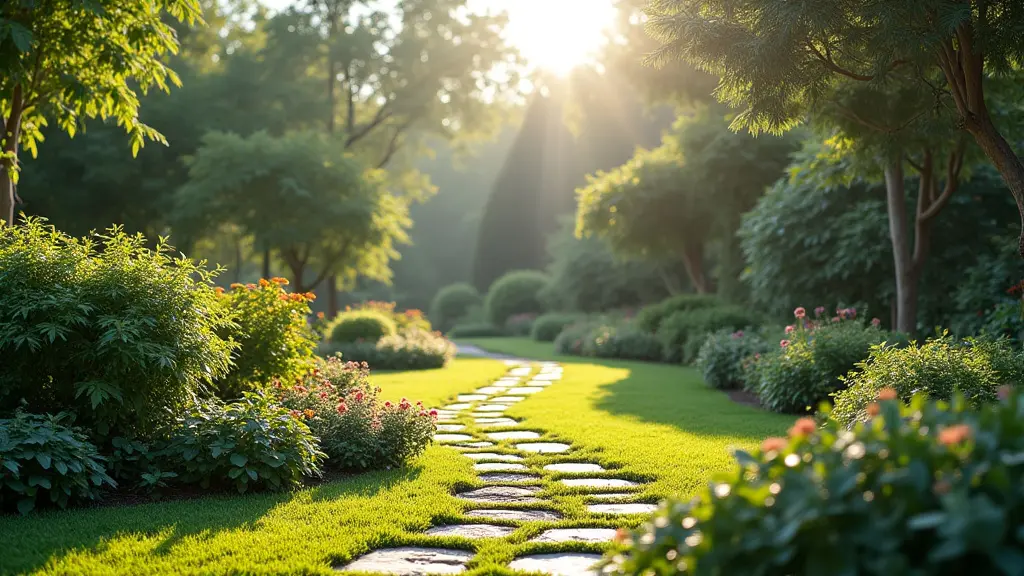
Use design elements like gravel pathways and natural stone patios. These options add to the visual appeal. The strategic use of design elements can create a beautiful and functional southwest lawn and garden. Prioritize both form and function when selecting materials and design features.
Ongoing Garden Care and Maintenance
Ongoing care and maintenance are important to keeping your southwest lawn and garden healthy. Regular maintenance will also help your garden look its best. This includes watering, weeding, pruning, fertilizing, and pest and disease control. Maintaining your garden is an ongoing process that requires consistent effort. By following these maintenance practices, you can enjoy a vibrant and beautiful outdoor space year-round.
Regular Watering Schedule
Create a consistent watering schedule. Adjust the frequency and amount based on the weather and the specific needs of your plants. Young plants and newly planted gardens require more frequent watering. Use a moisture meter to check soil moisture levels. Water deeply but less frequently to encourage deep root growth. Adjust the irrigation system as needed. Having a regular watering schedule is a core step for maintaining a healthy garden. This keeps your plants happy and flourishing.
- Water regularly, based on the needs of your plants.
- Use a moisture meter to check soil moisture levels.
- Water deeply, less often, to encourage deep root growth.
- Adjust watering during extreme weather conditions.
- Monitor your plants for signs of stress.
Pay close attention to changes in the weather, and adapt your watering accordingly. Monitor your plants for signs of stress. With consistent watering, you will ensure the long-term health and beauty of your southwest lawn and garden.
Weeding and Pruning Practices
Weeding regularly prevents unwanted plants from competing with your plants for water and nutrients. Remove weeds as soon as you see them. Regularly prune your plants to encourage healthy growth and remove dead or damaged branches. Pruning allows plants to focus energy on new growth. Pruning also helps improve the shape of your plants. A regularly maintained garden will stay healthy and vibrant. Regular weeding and pruning make a big difference.
- Remove weeds regularly to prevent competition.
- Prune plants to remove dead or damaged branches.
- Encourage healthy new growth.
- Improve the shape and appearance of your plants.
- Use the correct pruning techniques for each plant type.
Proper pruning techniques vary depending on the plant type. Research the best practices for each of your plants. By following these guidelines, you will improve plant health and appearance. Maintain your southwest lawn and garden to keep it looking great.
Fertilizing and Soil Health
Provide your plants with the necessary nutrients by fertilizing them. Choose fertilizers that are appropriate for the specific needs of your plants and soil type. Conduct soil tests. The tests can help you determine the optimal fertilization strategy. Amend your soil with organic matter regularly. Organic matter improves soil structure and nutrient retention. A healthy soil leads to healthy plants, so the efforts are worthwhile. Fertilizing and soil improvement are critical for plant growth.
- Use fertilizers that are appropriate for your plants.
- Conduct soil tests to determine your soil’s needs.
- Amend the soil with organic matter regularly.
- Follow the instructions on the fertilizer packaging.
- Fertilizing helps your southwest lawn and garden thrive.
Consider using slow-release fertilizers. This will provide a steady supply of nutrients. Using the proper fertilization methods, you can ensure a beautiful garden year-round.
Common Myths Debunked
Myth 1: You Need a Lot of Water to Have a Beautiful Garden
In the Southwest, this is simply not true. While water is essential for plant life, a beautiful garden is completely achievable with smart water practices. Native and drought-tolerant plants are designed to thrive with minimal watering, while efficient irrigation systems ensure every drop is used effectively. It’s about working with nature, not against it. You can create a stunning southwest lawn and garden without excessive water use.
Myth 2: All Southwest Gardens Must Be Desolate and Spiky
Many think southwest gardens are limited to cacti and succulents. While these are excellent choices, a thriving southwest garden can include a wide variety of plants. Choose from flowering plants, shrubs, and even small trees. By selecting plants adapted to the climate and soil, you can create a beautiful and diverse landscape, defying the stereotype of a sparse and barren yard.
Myth 3: Native Plants Are Always the Best Choice
While native plants are often the best choice, it is not always true. While native plants are well-suited to the region, some drought-tolerant non-native plants can also thrive. The best approach involves choosing plants that suit your specific needs. Understanding your local climate and soil conditions is key.
Myth 4: Chemical Fertilizers Are Always the Fastest Way to Improve Growth
Chemical fertilizers can provide quick results, but they can damage the environment. They can also harm beneficial soil organisms. Organic methods, such as compost and slow-release fertilizers, offer sustainable and long-term benefits for your plants. A healthy soil ecosystem supports healthy plants. This can make a much larger difference in the long run. Prioritizing long-term soil health over quick fixes is a smarter approach.
Myth 5: It’s Impossible to Have a Lush Lawn in the Southwest
The myth of not having a lush lawn is not exactly true. While traditional lawns require a lot of water, alternatives can provide a similar aesthetic. Consider using drought-tolerant grass varieties or groundcovers. With careful planning, you can have a green, inviting lawn. The selection of plants will have a lot to do with whether this is a successful plan. Remember, it’s about smart choices, not limitations.
Frequently Asked Questions
Question: What are the best plants for a low-water garden in the Southwest?
Answer: Excellent choices include native plants like desert marigolds, penstemons, and various cacti and succulents. Other drought-tolerant options include lavender, rosemary, and sedum.
Question: How often should I water my plants in the Southwest?
Answer: Water deeply but less frequently, allowing the soil to dry out between waterings. The frequency will depend on the plant type, weather conditions, and soil type. Check soil moisture before watering.
Question: How can I improve my clay soil?
Answer: Amend clay soil by incorporating organic matter like compost, well-rotted manure, or shredded leaves. Consider adding coarse sand or other materials to improve drainage.
Question: What are some organic pest control methods?
Answer: Use horticultural oils, insecticidal soaps, neem oil, and introduce beneficial insects. Companion planting can also help deter pests.
Question: How do I choose the right plants for my yard?
Answer: Consider the amount of sunlight, wind patterns, and existing structures in your yard. Select plants that are well-suited to your local climate and soil conditions, and consider your aesthetic preferences.
Final Thoughts
Creating a thriving southwest lawn and garden may seem like a challenge, but with the right knowledge and approach, it’s absolutely attainable. This guide has provided you with the key elements for success: choosing the right plants, conserving water, preparing the soil, managing pests and diseases, and designing a beautiful landscape. Remember that planning, persistence, and a willingness to adapt to the local environment are key. Embrace the unique beauty of the Southwest, experiment with different plant choices, and enjoy the process of watching your garden flourish. Armed with the insights you’ve gained, you’re well-equipped to transform your yard into a stunning oasis that reflects the spirit of the Southwest.

Leave a Reply