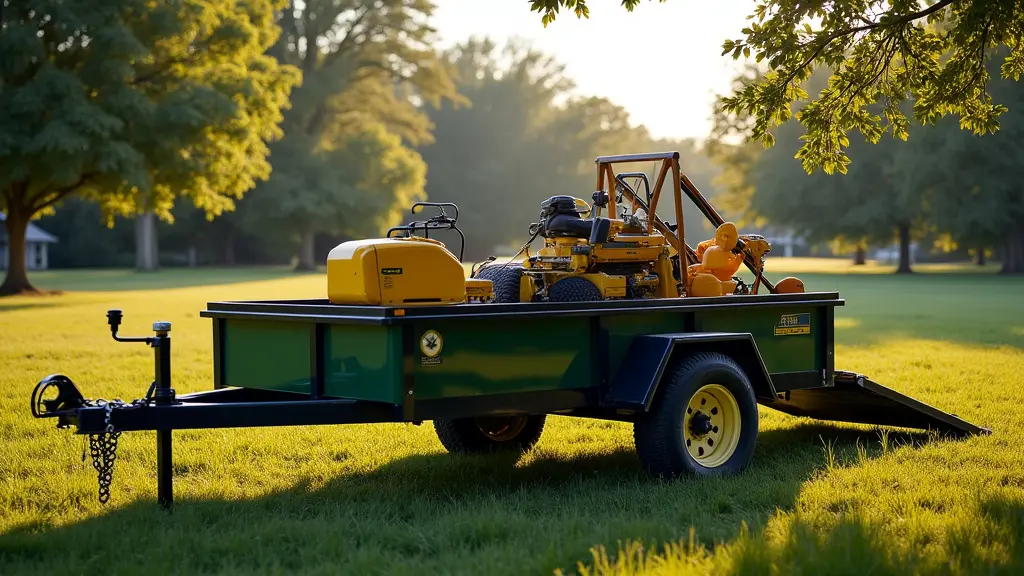
Picture this: a beautiful Saturday, sun shining, and you’re ready to tackle some yard work. But your trusty wheelbarrow is overflowing, and that pile of leaves just keeps growing. Sound familiar? Many homeowners face similar situations, constantly moving debris, tools, and supplies. This guide explores everything you need to know about the lawn and garden utility trailer, from choosing the right one to maximizing its use. You’ll gain a thorough exploration of trailer types, materials, and features, equipping you with the knowledge to select the perfect one. This post will help you increase your productivity and make yard work a breeze.
Key Takeaways
- Learn about the different types of lawn and garden utility trailers and their best uses.
- Discover essential factors to consider when selecting a trailer for your needs.
- Understand the importance of trailer maintenance for longevity and safety.
- Explore various features that enhance the usability of your trailer.
- Explore the safety precautions to follow when using a lawn and garden utility trailer.
- Uncover tips for efficient loading, hauling, and unloading to save time.
Choosing the Right Lawn and Garden Utility Trailer
Selecting the ideal lawn and garden utility trailer depends on several factors, including the type of work you do, the size of your property, and the kinds of materials you usually transport. Some trailers are better for specific tasks. For example, a small, lightweight trailer may suit regular home use, while a larger, more heavy-duty one could be better for hauling larger loads of firewood or landscaping materials. The goal is to match the trailer’s capabilities to your individual requirements, saving you time and effort.
Types of Lawn and Garden Utility Trailers
There’s a wide range of lawn and garden utility trailers available, each built for a particular set of jobs. Knowing the differences is important for picking the right one. Consider the materials you’ll be hauling, the size of your yard, and how often you’ll use the trailer. Let’s look into the various types of trailers and what each is best suited for.
- Single-Axle Trailers: These trailers are the most common type for residential use. They have one axle and are typically smaller and lighter, making them easy to maneuver. They are great for hauling yard waste, tools, and small equipment.
- Tandem-Axle Trailers: These trailers have two axles, which offer greater stability and weight capacity. They are best for hauling heavier loads like gravel, soil, or larger pieces of equipment.
- Dump Trailers: Dump trailers come with a hydraulic lift system that allows you to dump the trailer’s contents easily. They are great for transporting materials like dirt, gravel, or mulch.
- Utility Trailers with Ramps: These trailers often have a ramp at the rear, making it easy to load and unload equipment such as lawnmowers, ATVs, or small tractors.
Single-axle trailers are a practical choice for most homeowners. They are easy to attach and detach from your vehicle and don’t require a large truck or SUV. They are also usually more affordable than trailers with multiple axles, making them a good option for people on a budget. They are great for taking on typical yard tasks, such as hauling grass clippings or branches.
Tandem-axle trailers provide extra support and balance, especially when carrying heavy items. They are helpful if you have a lot of large-scale projects or if you need to transport bulk items. They are designed to manage heavier loads and provide a smoother ride, making them a great option if you need to carry loads frequently or over rough terrain. They are often used by landscapers or those involved in larger projects.
These trailers are perfect for projects where you need to unload materials quickly and efficiently. They save you the effort of shoveling and manual unloading. They are helpful for tasks such as removing construction debris or spreading mulch in your garden. They offer convenience by letting you dump the contents with the push of a button.
A ramp is a game-changer when loading machinery or wheeled equipment. The ramp simplifies loading tasks by eliminating the need to lift heavy items, and they are especially useful for those with mobility issues or those who work alone. They are great for landscaping projects or anyone who needs to move heavy equipment around their property.
Trailer Size and Weight Capacity
The size and weight capacity of a lawn and garden utility trailer are important considerations. Knowing the amount of weight you need to haul and how much space you need to work with is the first step. You’ll need to know the dimensions of your vehicle’s hitch and consider the maximum load your vehicle can pull. Overloading the trailer can damage the trailer and the vehicle, or even lead to accidents.
- Determining Load Needs: Figure out the typical weight and volume of the materials you’ll be hauling. This includes yard waste, construction materials, or equipment.
- Weight Capacity and GVWR: Understand the Gross Vehicle Weight Rating (GVWR) of the trailer. This is the maximum weight the trailer can handle, including the trailer itself and the load.
- Trailer Dimensions: Consider the length, width, and height of the trailer’s bed. Make sure it is large enough to handle your largest items.
Think about the materials you move regularly. Do you frequently haul bags of mulch, or do you occasionally move heavy items like appliances? Assessing your load needs will make sure you pick the right trailer size and weight capacity to avoid overloading the trailer.
GVWR (Gross Vehicle Weight Rating) is a crucial specification. It is the maximum the trailer can safely carry. Also, make sure that the total weight of the trailer and its contents does not exceed the towing capacity of your vehicle. Overloading can lead to mechanical failure and safety issues.
The bed size will dictate what you can carry, so make sure it will fit your loads. A longer trailer bed is useful for carrying long items, while a wider bed offers more room for bulky materials. The height of the sides will also dictate how much material you can safely load.
Materials and Construction
The materials that make up your lawn and garden utility trailer influence how durable, long-lasting, and easy to maintain it is. The most popular materials used are steel and aluminum. Each has its advantages, so consider your budget, the intended use of the trailer, and the weather conditions in your area when picking a material.
- Steel Trailers: Steel trailers are known for their strength and durability. They can withstand heavy loads and rough treatment, making them a good option for regular or heavy-duty use.
- Aluminum Trailers: Aluminum trailers are lighter than steel trailers, which can enhance fuel efficiency and make them easier to tow. Aluminum is naturally resistant to rust, making it a good choice for people who live in areas with wet conditions.
- Frame and Decking Materials: The frame provides the structural support for the trailer, and the decking forms the base of the trailer bed. Choose materials that can handle the types of loads you’ll be carrying and the conditions you will be using the trailer in.
Steel trailers are usually more affordable than aluminum ones. They are also less likely to be damaged by impacts. Steel is a very sturdy material, perfect for hauling heavy loads, but it is susceptible to rust. Regular maintenance, such as painting, is important to ensure a long lifespan.
Aluminum’s lighter weight makes towing easier, reduces wear on your vehicle, and improves fuel economy. Aluminum is great for resisting rust, which makes it an ideal option for humid environments. Although aluminum trailers can be more expensive than steel ones, the reduced maintenance needs and fuel savings can make them a wise option in the long run.
Pay close attention to the frame and decking. Look for strong, rust-resistant materials. The decking’s condition affects how well the trailer will hold up over time. Make sure the decking material can handle the weight you intend to haul.
Essential Trailer Features and Accessories
There are many features and accessories to improve the safety, convenience, and usefulness of a lawn and garden utility trailer. These additions can make your work easier, more effective, and a lot safer. The following are some key features that you might want to explore.
- Ramps: Ramps make it easier to load and unload equipment such as lawnmowers, ATVs, and other wheeled items. They increase safety and prevent the need for lifting heavy items.
- Side Rails and Gates: Side rails and gates keep materials inside the trailer, preventing spills and increasing the amount of material you can carry.
- Tie-Down Points: Tie-down points, such as D-rings, are essential for securing your cargo and preventing it from shifting during transport.
- Trailer Lights: Trailer lights, including brake lights, taillights, and turn signals, are necessary for safe towing, particularly in low-light conditions.
- Brakes: Trailers that are heavy-duty often have brakes. They improve stopping power, particularly when hauling heavy loads or when descending hills.
Ramps are a must-have if you’ll be hauling any type of wheeled equipment. Ramps make loading and unloading a breeze, saving time and reducing physical strain. They also enhance safety by giving you a stable surface to walk on while loading and unloading.
Side rails and gates make sure your cargo remains safely contained within the trailer. They are great for hauling loose materials like mulch, gravel, or branches. They prevent items from falling out during transport, increasing safety.
Tie-down points are vital for ensuring the safety of your cargo. They let you fasten your cargo firmly to the trailer, preventing movement and ensuring your load gets to its destination without any issues. They make sure that tools, equipment, and other materials are secure.
Trailer lights are very important for safety, particularly when driving at night or in conditions with low visibility. They allow other drivers to see your trailer, helping to prevent crashes. Make sure your trailer lights work properly and are visible.
Trailer brakes are important for heavy loads or for use on hilly terrain. They reduce the burden on your towing vehicle’s brakes, enhancing your control and safety. They are essential to ensure the safe stopping of the trailer, so they should be checked and maintained.
Lawn and Garden Utility Trailer Maintenance and Safety
Keeping your lawn and garden utility trailer in good shape will ensure that it continues to perform properly. Regular inspections and maintenance will extend the life of your trailer and will help keep you and others safe. Safety and maintenance go hand in hand.
Regular Maintenance Tasks
Routine care will keep your trailer in excellent condition for many years. Regular upkeep prevents serious issues from developing, saves you money on expensive repairs, and makes sure your trailer is always ready when you need it.
- Tire Inspections: Check your tires for proper inflation, wear, and tear before each use. Make sure the tires are suitable for the weight of your load and the speed at which you will be towing.
- Lubrication: Regularly lubricate the wheel bearings, hitch components, and any moving parts of the trailer to prevent wear and corrosion.
- Brake Checks: If your trailer has brakes, inspect them regularly to ensure they function correctly. Make sure the brake pads are in good condition.
- Cleaning and Storage: Clean your trailer regularly to remove dirt and debris. Always store the trailer in a protected area when not in use.
Tire checks are basic, but they’re important. Make sure the tires have the correct pressure as indicated on the sidewall. Also, look for cuts, bulges, or uneven wear that might signal an issue. Maintain the tires to prevent blowouts and to ensure the trailer handles correctly.
Lubrication is necessary for the trailer’s moving parts to function correctly. This helps prevent friction, which can cause damage and reduce the trailer’s performance. Using the right lubricants can protect components from the elements, ensuring smooth operation and prolonging the life of your trailer.
Brakes must function correctly at all times. They need to be regularly checked to ensure they provide adequate stopping power. Check the brake pads for wear and replace them as needed. Brakes are a major component of a safe towing experience.
Cleaning and storing the trailer properly is key to preventing rust and corrosion. Clean the trailer after each use to remove dirt and debris. When not in use, keep the trailer under cover, out of the elements, to prevent sun damage.
Safety Precautions While Towing
When you’re towing a lawn and garden utility trailer, your safety and the safety of other road users are very important. Always follow these safety guidelines to make sure you have a safe and stress-free journey.
- Weight Distribution: Load the trailer properly, distributing the weight evenly to prevent swaying or instability. The heavier items should be placed at the center, as close to the axle as possible.
- Hitch Connection: Always make sure the trailer is correctly connected to your vehicle’s hitch. Inspect the hitch and safety chains before each trip.
- Driving Speed: Reduce your speed while towing a trailer. The recommended speed is usually lower than the posted speed limit.
- Visibility: Always use your turn signals, brake lights, and hazard lights. Make sure your mirrors are adjusted correctly to see around the trailer.
- Load Security: Make sure the load is secure before you start driving. Use tie-downs, straps, or nets to keep the cargo from shifting.
Proper weight distribution is essential for safe towing. Uneven weight distribution can cause the trailer to sway, making it difficult to control. Distribute the weight so that it doesn’t exceed the trailer’s GVWR.
Ensure that the hitch is properly connected to your vehicle. Inspect the hitch ball and coupler for wear and tear. Double-check that the safety chains are connected and crossed beneath the trailer’s tongue.
Reduce your speed, especially in adverse conditions like rain or strong winds. Allow for longer stopping distances, as it takes more distance to stop a vehicle when towing. Maintaining a slower speed allows for more control and decreases the risk of accidents.
Ensure that your vehicle’s lights are working correctly and are easily visible to other drivers. Adjust your mirrors so you can see down the sides of the trailer. This increases safety and helps other drivers know your intentions.
Secure the load inside the trailer with tie-down straps or nets. Make sure items cannot shift or fall out while driving, preventing loss of cargo or potential hazards. Regularly check the load throughout your journey to make sure it is still secure.
Practical Examples and Real-World Applications
To help you better understand the usefulness of a lawn and garden utility trailer, here are some examples of its real-world use. These situations demonstrate how a trailer can streamline yard work, home improvement projects, and other tasks.
- Landscaping Project: Imagine you are planting a new garden. You can use your trailer to haul bags of soil, mulch, and plants from the nursery. The trailer will make it easier to bring all the materials home and get your yard looking great.
- Home Renovation: Suppose you’re doing a small home renovation. You could use your trailer to haul construction debris to the landfill or to transport new building materials. It’s the perfect solution for removing waste and bringing new supplies to your location.
- Leaf Removal and Yard Cleanup: Consider the fall. You can use your trailer to collect and haul away leaves and yard debris. This helps you to manage the season’s cleanup with greater efficiency.
Managing yard waste becomes a lot more efficient with a trailer. This is especially helpful during the fall, when the volume of leaves and debris can be significant. It simplifies the cleanup process and makes your yard look better.
This shows how a trailer can help with a small or large-scale landscaping project. You can eliminate multiple trips by moving large volumes of materials quickly and easily.
This shows how the trailer can save time and effort during home improvement jobs. You can handle waste removal and transportation of supplies in a simple manner, reducing the number of trips you need to make.
Statistics support the importance of utility trailers for homeowners:
| Statistic | Source |
|---|---|
| Over 20% of homeowners undertake landscaping or yard projects annually, often requiring the hauling of materials. | National Gardening Association Survey |
| Approximately 15% of homeowners report needing to haul construction debris or home improvement materials, showcasing the broad applicability of utility trailers. | Home Improvement Research Institute |
Common Myths Debunked
There are some misconceptions about lawn and garden utility trailers that could mislead people. Knowing the facts will help you make more informed decisions about your trailer.
Myth 1: Any Vehicle Can Tow Any Trailer
Reality: Not all vehicles have the same towing capacity. The size of the trailer and the load you carry must match your vehicle’s towing limits. Overloading a vehicle can be harmful and is dangerous. Check your vehicle’s manual for towing capacity.
Myth 2: Trailers Are Difficult to Maneuver
Reality: While it takes practice, maneuvering a trailer becomes easier with time. Start by practicing in a safe area, and get used to how the trailer responds to steering inputs. Taking it slow is the secret to safe and smooth driving.
Myth 3: Trailer Maintenance Is Expensive
Reality: Most trailer maintenance is easy to do and relatively inexpensive. Regular inspections, lubrication, and tire checks are simple tasks that can prevent major issues down the road. Addressing small problems before they grow into large ones saves money in the long run.
Myth 4: Small Trailers Are Only for Light Loads
Reality: While some small trailers are designed for light loads, many have surprisingly high weight capacities. Make sure you match the trailer’s capacity to the weight of your typical loads. Always check the GVWR of the trailer to make sure it will be suitable.
Myth 5: Trailer Insurance Isn’t Necessary
Reality: Trailer insurance is worth considering, particularly if you use your trailer frequently or for commercial purposes. Many auto insurance policies may not fully cover a trailer. This ensures you are protected in case of accidents or damage.
Frequently Asked Questions
Question: How do I choose the right size trailer for my needs?
Answer: Assess the typical size and weight of the materials you’ll be hauling. Ensure the trailer’s dimensions and weight capacity can accommodate your loads. Consider the frequency of use and the types of projects you’ll be undertaking.
Question: What’s the difference between a single-axle and a tandem-axle trailer?
Answer: A single-axle trailer has one axle, suitable for lighter loads and easier maneuverability. A tandem-axle trailer has two axles, providing increased stability and weight capacity, suitable for heavier loads and rougher terrains.
Question: How often should I perform maintenance on my trailer?
Answer: Perform basic maintenance tasks before each use and more thorough inspections every few months or as needed. Check tires, lubricate moving parts, inspect lights, and check brakes regularly.
Question: What are the main safety precautions to take when towing a trailer?
Answer: Ensure correct hitch connection, secure the load, maintain appropriate speed, and distribute the weight evenly. Use trailer lights and mirrors, and always be aware of the increased stopping distance required when towing.
Question: Can I legally tow a trailer without a special license?
Answer: In most areas, you don’t need a special license for a utility trailer used for personal use, provided it meets the weight and size restrictions. Always check the specific laws in your area.
Final Thoughts
Selecting and using a lawn and garden utility trailer doesn’t have to be complicated. By carefully considering your needs and following the advice in this guide, you can choose a trailer that makes yard work and hauling tasks more simple. Remember, pick a trailer that matches your expected load and use, then follow the safety guidelines and maintenance tips to protect the life of your equipment. A well-chosen and well-maintained trailer is a valuable tool. Start enjoying your outdoor tasks and make the most of your time and resources!




Leave a Reply