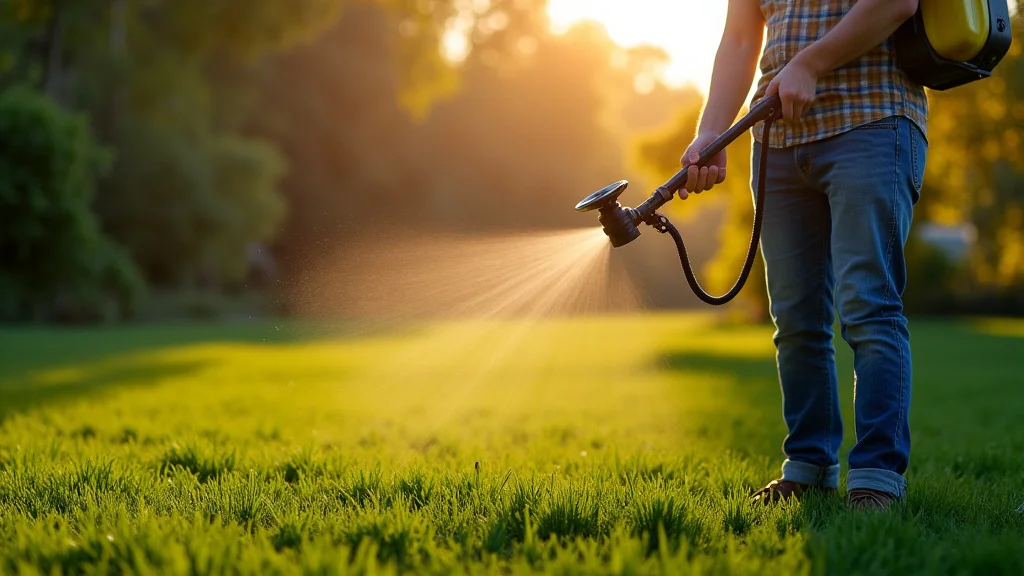
Picture this: It’s a sunny Saturday, and you’re envisioning a lush, green lawn and vibrant, blooming flowers. But the reality? Weeds are taking over, and your roses are battling aphids. You’re thinking, “I need a better way to tackle this!” A lawn and garden pump sprayer is the answer! This guide will provide you with all the essential information to choose the perfect sprayer, apply solutions effectively, and maintain your beautiful outdoor space. You’ll learn how to pick the right one, use it safely, and troubleshoot common issues. Get ready to transform your garden into a thriving paradise!
Key Takeaways
- Learn how a lawn and garden pump sprayer works and its core components.
- Discover how to select the right sprayer for your specific gardening needs and projects.
- Master the proper techniques for mixing and applying herbicides, pesticides, and fertilizers.
- Explore important safety precautions to protect yourself, your family, and the environment.
- Find out how to keep your sprayer in top condition with regular maintenance and cleaning.
- Troubleshoot common issues and ensure long-lasting performance for your spraying projects.
Unveiling the Mechanics of a Lawn and Garden Pump Sprayer
A lawn and garden pump sprayer is more than just a bottle; it’s a carefully engineered tool designed to apply liquids evenly and efficiently to your plants and lawn. It transforms the way you handle gardening tasks, making them easier and more effective. From simple watering tasks to detailed pest control, these sprayers offer a solution. They’re valuable for both professional landscapers and backyard gardeners.
Components of a Sprayer
The core components work together to deliver the liquid. The main parts, each playing a crucial role, are designed for the optimal dispersal of liquids. Each section is vital for successful operation and the long life of your sprayer. Understanding these elements can help you diagnose and resolve any issues, extending the life of your equipment. It also helps select the best sprayer for your particular needs.
- Tank: This is the main container that holds the liquid solution. It can range in size from small, handheld models to larger, backpack or wheeled units. Tanks are usually made from durable plastic that resists chemicals. They have a fill opening and often include a measurement scale for easy mixing.
- Pump: The pump is the heart of the sprayer. It creates pressure, forcing the liquid out of the tank and through the nozzle. Sprayers use different types of pumps, including manual piston pumps (operated by hand), diaphragm pumps (also manual or powered), and electric pumps (battery-powered).
- Hose and Wand: The hose connects the tank to the wand. The wand is a long tube with a handle and a nozzle at the end. It allows you to direct the spray where you want it. Wands can be straight or adjustable, and some have telescoping features for added reach.
- Nozzle: The nozzle is the key component that determines the spray pattern and application rate. Different nozzles are available for various tasks, from fine misting to targeted stream spraying. Nozzles are often made of plastic or metal and may have adjustable settings.
- Pressure Relief Valve: This safety feature releases excess pressure to prevent the tank from rupturing. It’s especially important in pump sprayers where pressure can build up quickly.
These components collaborate to provide an effective and reliable tool for your gardening tasks. Learning about them ensures you understand how to use, care for, and troubleshoot your sprayer efficiently.
Operating Principles
The principle behind a lawn and garden pump sprayer is simple, yet effective. This is how the device works: you manually pump the handle or use an electric pump to build pressure inside the tank. This pressure forces the liquid through the hose and out of the nozzle. The nozzle design then determines the spray pattern and flow rate. This process makes it easy to control the application of your chosen solution. The consistent pressure from the pump ensures even coverage, which is key for tasks like weed control, pest control, and fertilizing. Understanding these principles helps to use and maintain the sprayer effectively.
- Pressure Generation: The pump, whether manual or electric, is key. It raises the pressure inside the tank. For manual sprayers, this involves using a handle. Electric sprayers use a battery-powered pump.
- Liquid Flow: Pressurized liquid flows from the tank through the hose to the wand. The hose is often made of a flexible and durable material that withstands the pressure.
- Nozzle Action: The nozzle converts the liquid into a spray pattern. Different nozzles have different patterns, like fan, cone, or jet, each suited for a specific application.
- Application Control: The user controls the spraying by aiming the wand and triggering the spray using a lever or a valve on the wand. This allows precise application of the liquid where it is needed.
The operation of a lawn and garden pump sprayer relies on simple, well-coordinated components. Each component’s function contributes to delivering the liquid effectively and efficiently, offering a convenient way to keep your plants healthy and beautiful.
Selecting the Perfect Lawn and Garden Pump Sprayer
Choosing the right lawn and garden pump sprayer is crucial for ensuring that your gardening tasks are both efficient and effective. The market offers a wide variety of sprayers, each designed for particular tasks and levels of use. The correct selection depends on several key aspects, including your garden’s size, the types of solutions you plan to use, and your personal preferences for ease of use and features. Taking the time to consider these factors will help you select the ideal sprayer. This will make your gardening chores more enjoyable and productive.
Tank Capacity and Design
Tank capacity is one of the first things to consider. You need to assess the size of your garden and the scale of the jobs you will undertake. Sprayers come with a variety of tank sizes. Small, handheld models work well for small gardens or spot treatments. Larger, backpack or wheeled sprayers are better for extensive areas. Tank design also influences ease of use. Wide-mouth openings make filling and cleaning easier, and translucent tanks allow you to monitor the liquid level. Durable materials are also important, particularly if you are planning to use the sprayer with harsh chemicals.
- Handheld Sprayers: Ideal for small gardens, potted plants, and quick jobs. They typically hold 1-2 gallons and are easy to carry and maneuver.
- Backpack Sprayers: Perfect for medium to large gardens. They hold 4-6 gallons, which can be easily carried on your back. They provide greater mobility.
- Wheeled Sprayers: Designed for large areas. These sprayers have larger tank capacities (10-25 gallons) and often include features. These include extended wands, making it easier to cover large lawns or rows of plants.
The selection of tank capacity and design can drastically impact your spraying experience. Match the sprayer to the size and needs of your garden for greater efficiency and enjoyment.
Pump Type and Features
The type of pump is key to how the sprayer functions. There are three main types: manual piston pumps, diaphragm pumps, and electric pumps. Manual piston pumps require continuous hand pumping to maintain pressure. Diaphragm pumps, found in both manual and electric models, offer a more consistent spray. Electric pumps run on batteries. They offer the convenience of automated pressure, reducing fatigue and providing consistent coverage. Consider features such as adjustable nozzles, pressure relief valves, and wand extensions, which enhance the sprayer’s versatility.
- Manual Piston Pumps: These are common in handheld sprayers. They require constant pumping to build and maintain pressure.
- Diaphragm Pumps: They often provide a more consistent spray. They are suitable for thicker liquids.
- Electric Pumps: Powered by batteries, they maintain constant pressure. They provide ease of use, especially for large areas.
Choosing the right pump type and looking at available features will influence the efficiency and comfort of the spraying process. Match these elements to your garden’s requirements and the chemicals that you plan to use for optimal outcomes.
Nozzle Selection and Spray Patterns
The nozzle is key in determining the spray pattern and application rate. Different nozzles are designed for specific tasks. For example, a flat fan nozzle is perfect for applying herbicides to a broad area. A cone nozzle is ideal for general watering or applying insecticides. Adjustable nozzles offer versatility, allowing you to switch between different spray patterns. The material and design of the nozzle impacts durability and spray precision. Nozzle selection is important for efficient application. It also influences the effectiveness of treatments and minimizes waste.
- Flat Fan Nozzles: These provide a wide, even spray. They are useful for herbicides and broad-area coverage.
- Cone Nozzles: Create a cone-shaped spray, which is good for watering and insecticide application.
- Adjustable Nozzles: These can be set to different spray patterns. They are versatile and suited for various tasks.
Selecting the right nozzle will enhance the effectiveness and efficiency of your spraying tasks, ensuring you get the best results for your plants. A good nozzle setup contributes to overall success.
Proper Application Techniques for Lawn and Garden Solutions
Effective application techniques are essential to ensure the safety and effectiveness of your lawn and garden treatments. From herbicides to fertilizers, the right approach will maximize the benefits while minimizing risks. The process includes correct mixing, application timing, and environmental considerations. Properly applying these treatments keeps your garden healthy and protects the surrounding environment.
Mixing and Dilution Guidelines
Accurate mixing is essential for the effectiveness of your chemicals. Always read and follow the manufacturer’s instructions carefully when preparing your solution. Measurements may differ depending on the product and the target you’re treating. Use measuring cups or marked containers to guarantee accurate dilutions, and never guess the amounts. Avoid mixing too much solution at once, especially if you have a small garden or only need to treat a small area. Using the correct dilution reduces the risk of harming plants or over-applying chemicals, and it prevents waste.
- Read the Label: The label will provide the precise instructions for mixing the product with water. Make sure you fully understand the instructions.
- Use Measuring Tools: Employ accurate measuring cups or syringes. These guarantee the right concentrations of the chemicals.
- Mix in a Separate Container: Prepare the solution in a bucket before putting it into your sprayer. This makes it easier to mix chemicals.
Good mixing practices help you get good results and preserve the environment. Following these steps helps keep your garden healthy and vibrant. It also makes sure you use your resources wisely.
Application Timing and Weather Conditions
Timing and weather are key factors that impact the effectiveness of any garden treatment. Application timing should align with the life cycle of the target pest or weed. This is usually when they are most vulnerable. Weather conditions can influence how a spray behaves. It can impact its efficacy and safety. Applying chemicals on a calm day reduces the risk of drift. Avoid spraying when rain is expected. This ensures that the treatment will have time to absorb. Consider temperature, wind speed, and humidity to optimize the application process. Correct application enhances treatment efficacy and reduces environmental impact.
- Read Weather Forecasts: Use forecasts before spraying. Choose clear, calm days.
- Avoid Windy Conditions: Windy conditions can cause drift. This makes the treatment less effective and could affect the surrounding environment.
- Check Plant Health: Be aware of plant health. Some chemicals can harm plants under extreme conditions.
Carefully managing the timing and taking account of weather conditions improve application outcomes. It ensures that treatments are effective and sustainable.
Targeted Spraying Techniques
Targeted spraying is vital for maximizing the efficiency of your treatments. This helps ensure that the product gets where it needs to go. This involves focusing on the area needing treatment and using the right nozzle setting. Direct your spray at the target pest or the specific weed, avoiding unnecessary contact with other plants. For spot treatments, use a cone nozzle to limit the spray area. For broader applications, use a flat fan nozzle to achieve uniform coverage. Targeted techniques reduce chemical use, prevent harm to non-target plants, and minimize environmental impact.
- Identify the Target: Clearly identify the weeds or pests you are planning to treat.
- Adjust the Nozzle: Use the right nozzle setting based on the target and the area to be treated.
- Control the Spray: Aim the spray accurately. Apply chemicals only where they are needed to save money and safeguard the environment.
Using targeted spraying techniques will improve effectiveness. It also reduces chemical use, making your garden care more sustainable.
Safety Precautions and Environmental Considerations
Safety is the most important factor when you use a lawn and garden pump sprayer. Proper handling of chemicals and paying attention to the environment is essential for protection. Following these guidelines will guarantee that you are safe. It also protects your loved ones and preserves the natural ecosystem.
Personal Protective Equipment (PPE)
Appropriate personal protective equipment (PPE) is essential when handling chemicals. This ensures safety. The basic PPE includes gloves, eye protection, and protective clothing. Wear chemical-resistant gloves to protect your hands. Use safety glasses or a face shield to keep chemicals from your eyes. Cover your skin with long sleeves, pants, and closed-toe shoes. For some treatments, a respirator or mask might be needed. Always refer to the product label for specific PPE instructions and recommendations. Properly using PPE guarantees your health and safety. It also decreases the potential for chemical exposure.
- Gloves: Wear chemical-resistant gloves made of nitrile or similar materials to prevent skin contact.
- Eye Protection: Use safety glasses or a face shield to guard against splashes.
- Protective Clothing: Use long sleeves, pants, and closed-toe shoes. This helps prevent chemical contact with your skin.
Taking precautions with PPE will minimize exposure risk. This helps guarantee your well-being while gardening. Safety should be a top priority at all times.
Environmental Responsibility
Environmental responsibility is a key component of effective gardening. Prevent water contamination and protect beneficial insects by implementing responsible practices. Avoid spraying near water bodies. Do not spray during windy conditions to prevent drift. Be careful when cleaning and disposing of sprayer equipment. Prevent contamination. Use the smallest amount of chemical necessary for effective treatment. Consider using non-chemical methods for pest and weed control. This will help reduce environmental impact. Being conscious of these practices will support healthy gardening and protect our ecosystems.
- Avoid Water Contamination: Never spray near water bodies. This helps protect water quality.
- Prevent Drift: Spray on calm days. This reduces the risk of chemicals spreading.
- Dispose of Properly: Follow local regulations when disposing of chemicals and empty containers.
Being responsible with the environment guarantees your gardening is not harmful to ecosystems. It supports the health of both your garden and the planet.
Storage and Disposal Practices
Proper storage and disposal are crucial for the safe use of lawn and garden pump sprayers and chemicals. Store chemicals in their original containers in a cool, dry, and secure place. Keep them out of reach of children and pets. Properly dispose of unused chemicals and empty containers according to local regulations. Do not pour chemicals down drains or into the environment. Rinse and clean your sprayer after each use and dispose of the rinse water properly. Following these practices guarantees safety and decreases environmental risk. These practices also support responsible gardening.
- Secure Storage: Store chemicals in a locked cabinet. This is away from kids and pets.
- Proper Disposal: Follow local regulations for chemical disposal and empty container disposal.
- Regular Cleaning: Rinse the sprayer to prevent build-up and contamination.
By following safe storage and disposal practices, you protect your safety and assist in protecting the environment. Good habits are essential for healthy gardening.
Maintaining and Caring for Your Lawn and Garden Pump Sprayer
Routine care is essential to ensure your lawn and garden pump sprayer performs well and lasts for a long time. Regular maintenance and careful cleaning will extend the life of your sprayer. It also guarantees reliable performance for your lawn and garden tasks. A well-maintained sprayer is always prepared and safe. It will efficiently provide solutions to all your gardening issues.
Cleaning and Flushing Procedures
Cleaning your sprayer after each use prevents chemical residue buildup. These residues can cause blockages and hinder performance. Thoroughly flush the tank, hose, and nozzle after each use. Fill the tank with clean water and spray it out until it runs clear. For some products, you might need a specialized cleaner. Disassemble and clean the nozzle, and check for any blockages. Store the sprayer in a clean, dry place. Cleaning is important for the life of the sprayer and prevents contamination.
- Rinse the Tank: Fill the tank with clean water. Then, spray it out until it runs clear.
- Clean the Nozzle: Remove and clean the nozzle. Be sure that there are no blockages.
- Inspect and Flush: Check the hose and wand for any obstructions. Flush them with water.
Cleaning after each use prevents problems. This also supports the sprayer’s consistent and reliable performance for your gardening tasks.
Pump and Component Inspection
Regular inspection of your sprayer’s pump and components is important for preventing problems. Check the pump for any leaks or signs of wear. Inspect the hose for cracks or damage, and make sure that all connections are secure. Examine the nozzle and filter for blockages. Replace worn or damaged parts immediately to maintain optimal performance and prevent further damage. Regular checks will support your sprayer’s longevity. This will make sure that it works effectively when you need it.
- Check the Pump: Look for leaks or wear. Resolve issues early to avoid major repairs.
- Inspect the Hose: Check for cracks or damage to ensure that it operates correctly.
- Examine the Nozzle: Make sure the nozzle is clean and functioning correctly.
Routine inspections help to catch problems before they become serious. They improve the lifespan and reliability of your sprayer, ensuring that you’re always ready for gardening tasks.
Storage and Winterization
Appropriate storage and winterization are essential. This is particularly important if you live in a region with seasonal weather variations. Before storing your sprayer, clean it thoroughly. Completely empty the tank, hose, and nozzle. You should store the sprayer in a cool, dry place. If you live in an area with freezing temperatures, winterize your sprayer. Add antifreeze or a similar solution to prevent damage from freezing. Proper storage will protect your sprayer from damage. It will support its readiness for the next gardening season.
- Clean Thoroughly: Always clean your sprayer before storing it to remove any chemicals.
- Store Properly: Keep your sprayer in a climate-controlled area. This protects it from extreme conditions.
- Winterize: In areas with freezing temperatures, use antifreeze. This prevents damage.
By following these steps, you will keep your lawn and garden pump sprayer in top condition, making sure that it is ready for use when you need it.
Troubleshooting Common Issues with Your Sprayer
Even with proper maintenance, you might experience issues with your lawn and garden pump sprayer. Understanding how to solve these common issues can prevent delays and wasted time. Identifying and fixing the issues quickly guarantees that your sprayer operates efficiently. This gives you the best results for your garden tasks.
Loss of Pressure
A loss of pressure is one of the most frequent problems. This can lead to ineffective spraying. Several things can contribute to this problem. Make sure the tank is properly sealed and that the pump is functioning correctly. Check for leaks in the hose, connections, or pump itself. A worn pump seal or a damaged pressure relief valve might also cause pressure loss. Check these components. If needed, replace worn or damaged parts. Regularly maintaining and inspecting the sprayer will help prevent pressure loss issues.
- Check the Seal: Make sure the tank lid is closed securely.
- Examine the Pump: Look for any signs of wear. Check for leaks in the pump or in the pump seals.
- Inspect the Relief Valve: Make sure the pressure relief valve is working correctly.
Solving pressure loss quickly will improve the sprayer’s performance. It will guarantee even and effective application of solutions to your garden.
Clogged Nozzle
A clogged nozzle is a frequent problem. It can lead to uneven spray patterns. Causes include debris or chemical buildup in the nozzle. To resolve this, remove the nozzle. Flush it with water. Use a soft brush or a specialized nozzle cleaning tool to remove any blockage. Avoid using sharp objects. These could damage the nozzle. Regularly cleaning the nozzle and using a filter can prevent clogs. Knowing how to quickly remove clogs will keep your spraying tasks uninterrupted.
- Remove the Nozzle: Unscrew the nozzle from the wand.
- Rinse with Water: Flush the nozzle with clean water to remove residue.
- Use a Soft Brush: Remove any remaining blockages. Do not use sharp objects.
Clearing a clogged nozzle will restore the sprayer’s performance. It also helps to distribute your chosen solutions evenly.
Leaking Issues
Leaks can occur from various parts of the sprayer. They can result in product loss. They also create a safety hazard. Find the source of the leak by checking the tank, pump, hose, and connections. Tighten loose connections. Replace any damaged components. For tank leaks, inspect the seals and the tank itself for cracks or damage. Fixing leaks as soon as they appear is important. It prevents chemical exposure and wasted product. Regular inspections and proper maintenance can help prevent leaks.
- Check the Tank: Inspect the tank for cracks or damage.
- Examine the Connections: Tighten any loose connections.
- Replace Damaged Components: Replace worn seals or parts.
Promptly fixing leaks assures the safe and effective use of the sprayer. It also reduces the need for constant maintenance.
Common Myths Debunked
Frequently Asked Questions
Question: How often should I clean my lawn and garden pump sprayer?
Answer: Clean your sprayer immediately after each use. This removes any chemical residue, which prevents clogs and damage.
Question: What’s the best way to store a sprayer during the winter?
Answer: Completely empty and clean the sprayer. If freezing temperatures are expected, winterize by adding antifreeze. Then, store it in a cool, dry place.
Question: What should I do if my sprayer isn’t building pressure?
Answer: Check the tank lid, pump seals, and hose connections. Make sure there are no leaks. Inspect the pump and replace any damaged parts.
Question: How do I know which nozzle to use?
Answer: Choose your nozzle based on the product. Use fan nozzles for broad coverage, cone nozzles for watering or insecticides, and adjustable nozzles for various applications.
Question: Is it safe to mix different chemicals in the same sprayer?
Answer: No, it’s risky to mix chemicals in your sprayer. This could cause dangerous reactions. Always mix and apply chemicals separately and follow label instructions.
Final Thoughts
Selecting the appropriate lawn and garden pump sprayer, understanding its functions, and learning how to apply treatments effectively will help you achieve a healthier, more vibrant garden. It’s about combining the right tool with safe practices and knowing the basics of maintaining your equipment. From choosing the correct sprayer to learning how to mix, apply, and store your solutions safely, this information ensures you are well-equipped. Take what you’ve learned. Put your knowledge into action. Get out there and nurture your plants! Enjoy the beautiful results of your labor.



Leave a Reply