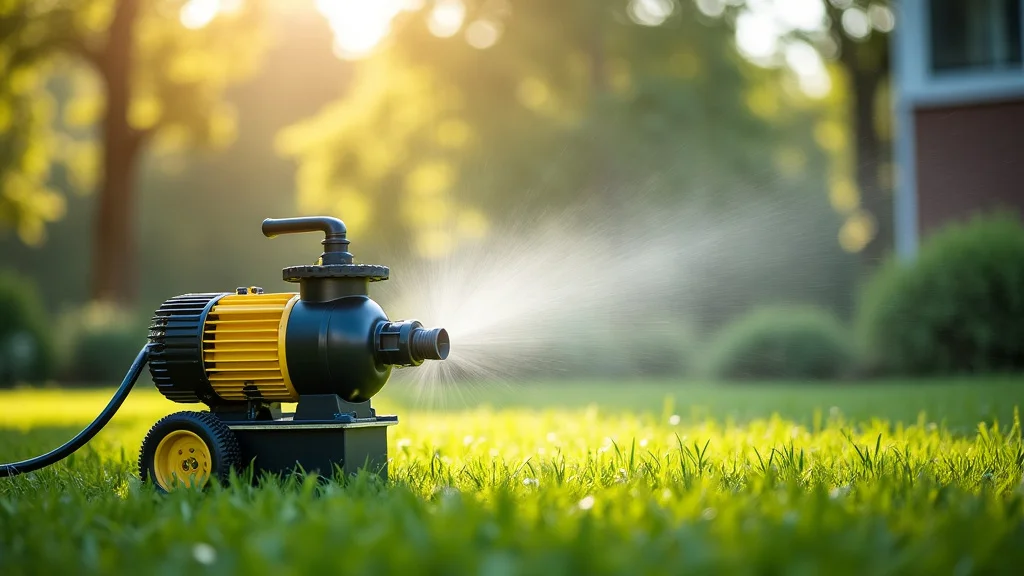
Remember that time your rose bushes were under attack from aphids, and your old watering can just wasn’t cutting it? Frustrating, right? Or maybe you spent hours trying to fertilize your lawn, only to realize the coverage was uneven. That’s where a lawn and garden pump pressured sprayer steps in. This post will explore everything you need to know about these helpful tools, from choosing the right one to using it safely and effectively. You’ll gain a solid grasp of how they work, how to maintain them, and how to choose the right one for your gardening needs, helping you achieve a healthier, more beautiful yard with ease.
Key Takeaways
- Learn the different types of lawn and garden pump pressured sprayers available.
- Understand the key features to consider when choosing a sprayer.
- Discover the proper techniques for using a sprayer for different tasks.
- Find out how to safely store and maintain your sprayer for long-lasting performance.
- Explore common issues and solutions related to sprayer use.
- Become knowledgeable about the various uses of a lawn and garden pump pressured sprayer.
Getting Started with a Lawn and Garden Pump Pressured Sprayer
A lawn and garden pump pressured sprayer is a handheld or backpack-style device used to apply liquids, such as herbicides, pesticides, fertilizers, and water, to plants, lawns, and gardens. These sprayers provide a more controlled and efficient way to treat your outdoor spaces compared to traditional watering cans or other methods. They work by pressurizing a tank, forcing the liquid through a nozzle, creating a spray pattern that can be adjusted for different applications.
Types of Sprayers Available
There is a variety of sprayers available to the home gardener. Each has different features depending on the tasks to be performed. Choosing the right one depends on your needs. The size of the area you need to spray, the type of liquids you will be using, and your budget will all influence your decision. Here are some of the popular types:
- Handheld Sprayers: These are typically small, lightweight sprayers ideal for spot treatments and small gardens. They are easy to maneuver and require no batteries or power.
- Pump Sprayers: These sprayers often have a pump and a tank to build up pressure. The tank is pressurized by manual pumping. They are a step up in size and capacity from handheld sprayers.
- Backpack Sprayers: Worn on your back, these sprayers offer hands-free operation and are great for larger areas. They often have a higher capacity tank and built-in pumps for consistent pressure.
- Battery-Powered Sprayers: These sprayers use batteries to operate the pump, providing consistent pressure without manual pumping. They are convenient for larger areas and reduce user fatigue.
Handheld sprayers are perfect for small tasks, like treating individual plants or small patches of weeds. They’re easy to carry around and don’t require any cords or power sources, making them very convenient. The typical size is from 1 to 3 gallons.
Pump sprayers often have a larger capacity than handheld sprayers, typically ranging from 1 to 5 gallons. They involve manual pumping to build pressure and offer more coverage. Ideal for mid-sized gardens and lawns, pump sprayers are versatile and relatively inexpensive. This type is very common and a great starting point for many gardeners.
Backpack sprayers offer the greatest capacity and hands-free convenience. These are worn on your back, which frees up your hands for spraying. They are ideal for covering large areas, such as lawns or sizable gardens. Backpack sprayers come with a larger tank capacity, usually ranging from 3 to 6 gallons, and often include built-in pumps for consistent pressure. These are great if you are planning on treating your whole lawn.
Battery-powered sprayers are designed for ease of use. They use a rechargeable battery to run the pump, so you don’t have to manually pump the sprayer. This feature is especially appreciated when spraying larger areas, reducing fatigue. These are often preferred for larger lawns or for those who want a more effortless spraying experience.
Key Features to Consider
When selecting a lawn and garden pump pressured sprayer, think about what features will make your gardening tasks easier and more efficient. Considering the key features before buying helps ensure you get a sprayer that fits your specific needs.
- Tank Capacity: This is the size of the tank, in gallons, that holds the liquid. The size you need depends on the size of your lawn or garden. Smaller gardens can use smaller tanks, while large lawns need bigger tanks.
- Nozzle Types: Different nozzles create different spray patterns. Adjustability lets you change the pattern to fit the task. A cone nozzle is excellent for general spraying, while a fan nozzle provides wider coverage.
- Pressure Regulation: Some sprayers have adjustable pressure settings, which can be useful for different tasks. This will let you control the rate at which you spray. It can be useful for applying delicate chemicals or different coverage needs.
- Ergonomics: Consider how comfortable the sprayer is to use. Look for features like padded straps for backpack sprayers or an easy-to-grip handle for handheld models. The comfort of use is important, especially if you have a larger area to treat.
Tank capacity affects how often you need to refill the sprayer. Smaller tanks are easier to carry, but require more frequent refills. Larger tanks allow you to cover more ground before refilling, which saves time. Consider the size of your lawn or garden and how much area you will treat at once.
The nozzle type affects the spray pattern and how effectively the liquid is applied. Adjustable nozzles let you switch between different patterns, such as a cone or fan spray. Cone nozzles are good for general use, and fan nozzles are good for broad areas. Choose nozzles that suit the type of plants and the specific application.
Pressure regulation allows you to adjust the force of the spray. Higher pressure is good for spraying hard-to-reach areas or for more aggressive applications. Lower pressure is useful when spraying delicate plants or applying herbicides. Look for a sprayer that allows you to control the pressure.
If you’ll be using the sprayer for an extended time, comfort matters. Check for ergonomic features like padded shoulder straps on backpack models, comfortable handles, and adjustable wands. This will help reduce fatigue, so you can work longer.
Using Your Lawn and Garden Pump Pressured Sprayer Effectively
Using a lawn and garden pump pressured sprayer properly is vital for achieving the desired results and ensuring your safety. This involves knowing how to fill the sprayer, prepare the liquids, and apply them correctly.
Preparing for Application
Before you begin spraying, there are key steps to follow. This will guarantee a successful outcome. Taking the time to prepare properly protects both your plants and you. Make sure you read the product label of whatever you are spraying. Following the instructions on the product label is key to safety.
- Read the Label: Always carefully read the instructions on the product you are using. This will let you know the correct dilution ratios and safety precautions.
- Dilution: Mix the liquid with water as directed. Use a measuring cup and fill the tank. Do not mix more than you need for the job.
- Safety Gear: Wear protective clothing like gloves, safety glasses, and a mask to avoid contact with the liquid.
Each liquid you use, such as pesticides or fertilizers, will have specific instructions. These instructions will tell you how much to mix with water. They will also provide guidelines on how to handle the chemical safely, including any required protective gear.
Accurate mixing is essential for the product to work properly. Use measuring tools to ensure the correct concentration. Always add the concentrate to the water, not the other way around, to prevent splashing. Avoid overfilling the tank, which can cause spills when you pressurize it.
Safety should be your priority when working with any chemicals. Protective gear, like gloves, safety glasses, and a mask, will protect you from potential harm. These items will reduce the risk of contact with the liquid.
Spraying Techniques
Proper spraying techniques are essential for effective application. The method you use directly impacts how well the product works and the health of your plants. This includes how you hold the wand and move across your lawn or garden.
- Spray Pattern: Use a consistent and overlapping spray pattern for even coverage.
- Walking Speed: Maintain a steady pace to prevent over-spraying or under-spraying.
- Nozzle Settings: Adjust the nozzle based on the task, using a fan spray for large areas and a cone spray for specific plants.
Overlapping your spray strokes ensures that every area gets the treatment it needs. Avoid leaving gaps, which can lead to patchy results and areas where pests or weeds can survive. Consistent coverage is critical for overall effectiveness.
Adjust your pace to match the spray pattern and the specific product instructions. Too fast, and you risk under-application. Too slow, and you may apply too much, which can damage plants. A steady pace ensures accurate application.
Different nozzles are made for different purposes. The settings allow you to apply the product efficiently and safely. A fan spray is ideal for larger spaces, while a cone spray provides concentrated treatment for specific plants. This ensures that you have complete control over the application.
Post-Application
After you have completed spraying, there are steps to take. These steps will keep you safe and extend the life of your equipment. Properly handling the sprayer and any remaining product is key.
- Rinse the Sprayer: Thoroughly rinse the sprayer tank, hose, and nozzle after each use.
- Clean Up: Dispose of any unused liquid safely according to product guidelines.
- Storage: Store the sprayer in a cool, dry place away from direct sunlight and extreme temperatures.
Rinsing the sprayer prevents residue buildup and extends its life. Fill the tank with clean water and spray it out, making sure to flush the hose and nozzle. This process removes any remaining product and prevents clogs.
Proper disposal is very important. Consult the product label for specific instructions. Pour any leftover product down the drain. This will prevent environmental contamination and keep you and others safe.
Proper storage is important to maintain the quality of the sprayer and any remaining product. Extreme temperatures can damage the sprayer, and direct sunlight can degrade the liquid. Storing it correctly keeps it ready for the next use.
Maintenance and Troubleshooting Your Sprayer
Regular maintenance will keep your lawn and garden pump pressured sprayer working well. This will help you get the best performance over time. Addressing issues as they arise will save you money and keep your equipment running smoothly.
Regular Maintenance Tasks
Regular maintenance is key to keeping your sprayer in good condition. Taking care of your equipment reduces wear and tear. It also ensures that the sprayer will work when you need it.
- Cleaning: Regularly clean the sprayer after each use to remove any residue.
- Inspection: Periodically inspect the sprayer for leaks, cracks, and wear and tear.
- Lubrication: Lubricate moving parts, such as the pump, according to the manufacturer’s instructions.
Cleaning prevents the buildup of chemicals that can corrode parts or clog the nozzle. Flush the tank and hose with clean water. Wipe down the exterior surfaces to remove any spills.
Regular inspections help identify potential problems. Check the tank, hose, and nozzle for any signs of damage. Tighten any loose connections and replace worn parts. Addressing problems quickly can prevent bigger problems.
Lubrication reduces friction and wear on moving parts. Refer to the manual for recommendations on lubricants and the frequency of lubrication. Proper lubrication improves the longevity and performance of your sprayer.
Troubleshooting Common Issues
Even with good care, your sprayer might have issues. Many problems are easy to fix. Knowing how to diagnose and address problems helps you get back to spraying quickly.
- Clogged Nozzle: Remove the nozzle and clear any debris with a small brush or needle.
- Low Pressure: Check for leaks in the tank, hose, or connections. Make sure that the pump is working properly.
- Pump Failure: If the pump does not build up pressure, inspect it for damage and replace it if necessary.
A clogged nozzle is a common problem that can reduce the spray pattern. This often occurs when the product used is not properly mixed. Take the nozzle off and clean out the blockage. Make sure the nozzle is put back on correctly.
Low pressure is an indication that there is a problem somewhere in the system. Check all of the connections and components to make sure that they are working. This includes the pump mechanism.
Pump failure means that the sprayer can’t build up enough pressure. It often involves worn seals or other issues. Replacing the pump is often the best solution.
Common Myths Debunked
Myth 1: Larger tank sprayers are always better.
Reality: The ideal tank size depends on the size of your lawn and the jobs you do. While larger tanks may cover more ground before refilling, they can also be heavy and cumbersome to carry. For small gardens, a smaller sprayer may be more practical, while larger lawns benefit from bigger tanks.
Myth 2: Any nozzle is fine for any job.
Reality: Using the correct nozzle ensures effective and efficient spraying. Different nozzles are designed for specific tasks. A cone nozzle is a general-purpose choice, while a fan nozzle is better for broader coverage. Consider the type of liquid and the area being treated.
Myth 3: You can skip safety gear when spraying.
Reality: Always use safety gear such as gloves, safety glasses, and a mask. Protecting yourself from contact with the chemicals is important. Chemicals can harm you, so protecting yourself is important to prevent health problems.
Myth 4: Rinsing isn’t needed if you only use water-based products.
Reality: It is always important to rinse your sprayer thoroughly after use. Over time, residues can build up and affect the performance. Rinsing your sprayer keeps it in good working order and prevents future clogs or damage.
Myth 5: All sprayers are designed to spray any liquid.
Reality: While sprayers are versatile, they are not all designed to handle every kind of liquid. Be sure the sprayer you select is compatible with the type of product that you are planning to spray. Check the product label and the sprayer instructions to confirm that the two are compatible.
Frequently Asked Questions
Question: How do I choose the correct sprayer?
Answer: Think about the size of your area, the types of liquids you’ll be using, and how comfortable you want it to be. Consider the tank size, nozzle types, and whether you prefer a manual or battery-powered pump.
Question: What is the best way to clean my sprayer?
Answer: After each use, rinse the tank with clean water. Spray the water through the hose and nozzle to remove residue. Clean the outside surfaces with a damp cloth.
Question: How often should I replace the parts of my sprayer?
Answer: This depends on how frequently you use your sprayer and the materials you are spraying. Regularly inspect the parts for wear and tear, and replace them when they get damaged. Follow the manufacturer’s guidelines for parts replacement.
Question: Can I use my sprayer for both herbicides and pesticides?
Answer: It is important to clean your sprayer thoroughly between uses when you switch between herbicides and pesticides. It is a good idea to consider having separate sprayers for different chemicals to avoid contamination. This prevents accidental damage to your plants.
Question: Where should I store my sprayer?
Answer: Store the sprayer in a cool, dry place away from direct sunlight and extreme temperatures. This protects the sprayer and any products inside from damage.
Final Thoughts
Using a lawn and garden pump pressured sprayer can make a big difference in how you manage your outdoor spaces. By understanding the different types of sprayers, you can make the right choice for your needs. Knowing how to fill, apply, and maintain your sprayer is crucial for success. Consistent maintenance and safety practices, like reading labels and wearing protective gear, will not only ensure effective results but also extend the life of your equipment. From spot treating weeds to fertilizing your lawn, the lawn and garden pump pressured sprayer is a helpful tool for any gardener. Explore the options, pick the right one for you, and begin enjoying a healthier, more beautiful yard with ease.



Leave a Reply