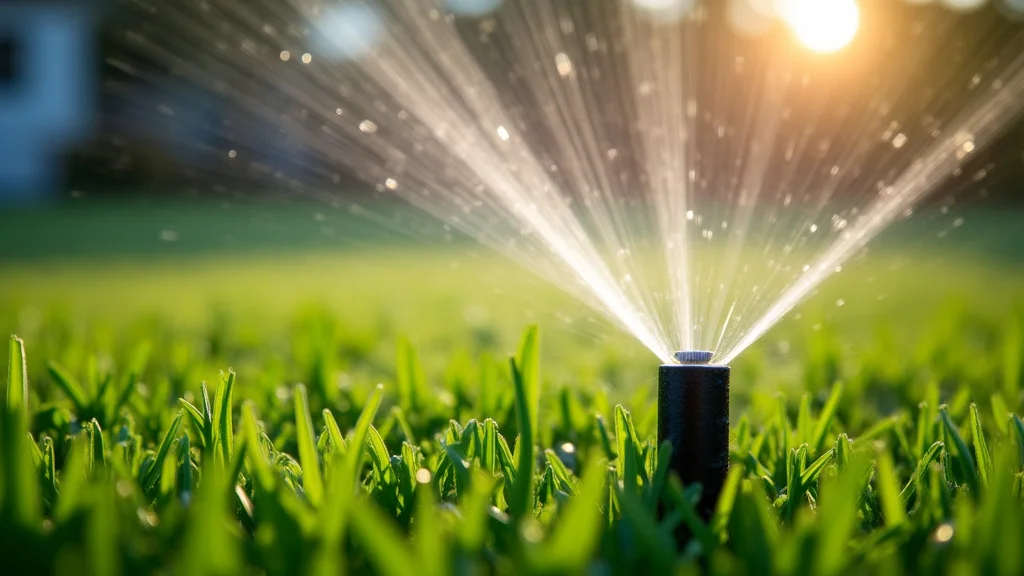
Remember that scorching summer when your lawn looked more like a desert? You tried everything: extra watering, different fertilizers, even pleading with the weather gods. The struggle is real! Fortunately, there’s a better way to ensure a lush, green landscape: lawn and garden irrigation systems. This guide will help you select, install, and maintain the perfect system for your property. By exploring the benefits and practical applications, you’ll gain the knowledge to keep your lawn thriving and save water. Get ready to experience a healthy and vibrant yard! This guide focuses on water conservation and the importance of sustainability. It is suitable for homeowners and landscape enthusiasts of all experience levels.
Key Takeaways
- Learn the different types of lawn and garden irrigation systems and their suitability for various landscapes.
- Discover how to calculate your water needs based on your plant types and climate.
- Gain practical tips for designing and installing an effective irrigation system.
- Understand how to maintain and troubleshoot common irrigation problems.
- Explore the advantages of smart irrigation technology and water conservation techniques.
- Protect the health of your lawn and garden through proper irrigation practices.
Choosing the Right Lawn and Garden Irrigation Systems
The foundation of a beautiful, thriving yard lies in a well-chosen lawn and garden irrigation system. Selecting the right type is critical for efficient water usage and the overall health of your plants. This section explores different system types, from the traditional to the more advanced, to help you make an informed decision based on your specific needs and landscape. Discover the benefits and features of each system type so you can have an efficient watering solution.
Sprinkler Systems: The Classic Choice
Sprinkler systems, the workhorses of lawn irrigation, come in various forms, each offering unique benefits for different landscapes. These systems are known for their ability to cover large areas quickly, making them ideal for lawns and expansive gardens. Understanding the different sprinkler types is the first step in creating an irrigation plan that caters to your property’s precise needs. Whether you have a small yard or a large estate, there’s a sprinkler system that can meet your needs.
- Fixed Spray Sprinklers: These sprinklers deliver a consistent spray pattern in a fixed radius, making them ideal for smaller, square, or rectangular areas. They are simple to install and maintain, making them a popular option for homeowners. However, they can be less efficient in areas with irregular shapes or obstacles.
- Rotary Sprinklers: Rotary sprinklers, also known as rotor sprinklers, use a rotating stream of water to cover a wider area, offering more flexibility and better water distribution. They are designed for larger lawns and gardens, providing a greater reach than fixed spray sprinklers. Rotary sprinklers can be adjusted to cover different areas.
- Impact Sprinklers: Impact sprinklers, the original type of rotary sprinkler, use a hammer-like arm to repeatedly hit the water stream, causing it to rotate. They are known for their durability and reliable performance, making them suitable for agricultural and large residential applications. They can cover wide areas and handle high water pressure.
Fixed spray sprinklers are best suited for smaller lawns or gardens with uniform shapes. They provide consistent coverage, but their fixed pattern means they might not be the best choice for areas with varied plant heights or irregular layouts. The water output is typically around 1.0 to 2.0 inches per hour. This type of sprinkler is cost-effective and easy to install, but may not be as water-efficient as other options.
Rotary sprinklers are excellent for larger lawns and gardens. They cover a greater area than fixed spray sprinklers and offer improved water distribution. The rotating stream of water ensures even coverage, which prevents dry spots and excessive watering in certain areas. They generally have a lower application rate, which allows water to be absorbed more effectively by the soil. Water output is typically around 0.4 to 0.8 inches per hour.
Impact sprinklers are robust and can withstand high water pressure, making them suitable for large lawns and gardens. Their design helps to reduce clogging from debris, and they are effective at distributing water over a large area. They can also be adjusted to cover various distances. These sprinklers are best used in open areas, as they can sometimes create a misty effect that may not be ideal in windy conditions. Water output ranges from 1.0 to 4.0 inches per hour.
Drip Irrigation: Targeted Efficiency
Drip irrigation systems are at the forefront of water conservation, delivering water directly to the roots of plants. This method minimizes water waste by reducing evaporation and runoff, making it ideal for gardens, flower beds, and landscapes with varying plant needs. By focusing water delivery where it’s needed most, drip irrigation helps conserve water and supports healthier plant growth. Drip irrigation is a great way to conserve water, reduce disease, and promote efficient growth in your plants.
- Emitter Types: Emitters are the heart of a drip system, delivering water directly to the plant’s root zone. There are various types of emitters, including pressure-compensating emitters, adjustable emitters, and inline emitters. Each type has its benefits depending on the specific needs of your plants and the layout of your garden.
- Tubing and Layout: Drip systems use flexible tubing to transport water from the main line to individual plants. The layout should be carefully planned to ensure that all plants receive adequate water. This includes the use of various connectors, such as tees, elbows, and stakes to secure the tubing in place. The layout should consider plant spacing, plant type, and the terrain of your garden.
- Benefits of Drip Irrigation: Drip irrigation offers several advantages over traditional sprinkler systems. It is highly efficient, conserving water by delivering it directly to plant roots. It minimizes weed growth by keeping the soil surface dry. It reduces the risk of plant diseases by keeping foliage dry. Drip irrigation is especially effective for vegetables, shrubs, and trees.
Choosing the right emitter is key to the efficiency of your drip system. Pressure-compensating emitters provide a consistent flow rate regardless of pressure changes, which is especially useful on slopes or with long tubing runs. Adjustable emitters allow you to customize the water output to meet the individual needs of your plants. Inline emitters are integrated directly into the drip tubing, providing a consistent water flow at set intervals.
The layout of your drip system is crucial for optimal water distribution. Start by measuring the area and planning the placement of your plants. Then, lay out the tubing, ensuring that emitters are placed near the base of each plant. Secure the tubing with stakes to prevent shifting and ensure that the emitters are positioned correctly. Consider using a filter to prevent clogging and to improve water quality, which can help prolong the system’s life and ensure efficient watering.
Drip systems reduce water waste by minimizing evaporation and runoff. Plants can use water more efficiently, leading to healthier growth. By delivering water directly to the roots, drip systems reduce weed growth. Drip irrigation is especially effective in areas with water restrictions or where water conservation is a priority. Drip systems are also less susceptible to wind interference and can provide consistent watering even in challenging conditions.
Soaker Hoses: Simple and Effective
Soaker hoses are a simple, cost-effective method for irrigating gardens, flower beds, and vegetable patches. These hoses slowly release water along their entire length, ensuring deep watering that promotes healthy root growth. They are easy to install, making them suitable for both beginners and experienced gardeners. Soaker hoses are an excellent way to water your garden with minimal water waste.
- How They Work: Soaker hoses are made from porous material that slowly releases water over time. They are designed to be placed directly on the soil surface, delivering water to the roots of plants. Water seeps out slowly, ensuring deep watering. This method is highly effective in promoting healthy root growth.
- Installation and Use: Installing a soaker hose involves simply laying the hose along the base of your plants. Connect the hose to a water source, turn on the water slowly, and let it run for the recommended time. Ensure the hose is covered with mulch to help retain moisture and reduce evaporation. Avoid placing the hose directly on top of the plants to prevent damage.
- Advantages of Soaker Hoses: Soaker hoses offer several advantages, including water efficiency, reduced weed growth, and ease of installation. They are a cost-effective option for watering gardens and flower beds, making them accessible to a wide range of gardeners. They are a practical solution for water conservation.
Soaker hoses are simple to set up and operate. The porous material allows water to seep slowly into the soil, providing deep, even watering. This method is effective in promoting healthy root growth and minimizing water waste. They are flexible and easy to maneuver, making them suitable for various garden layouts. They are also cost-effective and require minimal maintenance.
The installation of a soaker hose is very straightforward. Measure your garden beds and choose the appropriate length of hose. Lay the hose along the base of your plants, securing it with stakes if necessary. Ensure that the hose is properly connected to a water source and that the water pressure is regulated to prevent leaks or damage. The slow release of water helps reduce runoff and encourages deep watering, which promotes healthy plant growth.
Soaker hoses deliver water directly to the soil, minimizing water waste and reducing the risk of water loss through evaporation. They are a budget-friendly option, making them accessible to many gardeners. This targeted watering method reduces weed growth by keeping the soil surface drier, and soaker hoses provide deep watering. They are a practical choice for water conservation and ease of use.
Designing Your Lawn and Garden Irrigation Systems
Designing a lawn and garden irrigation system involves more than simply connecting some hoses and sprinklers. It’s about careful planning and consideration to make certain your plants get the right amount of water, where they need it, and when they need it. This section will walk you through the essential steps, from assessing your property to selecting the right components and laying out your system for optimal performance. Successful design will save you time, water, and money, ensuring your landscape thrives.
Assessing Your Water Needs
Before you begin designing your lawn and garden irrigation system, it is important to assess your property’s water needs. This involves determining the types of plants you have, their individual watering requirements, and the climate conditions in your area. This information will help you to calculate the necessary water flow and design an efficient system that provides plants with the proper amount of water. Proper water assessment is crucial for sustainable gardening.
- Plant Types and Water Requirements: Different plants have different water needs. For example, thirsty annuals and perennials need more water than drought-tolerant native plants. Group plants with similar water needs in the same zones to simplify irrigation.
- Soil Types and Drainage: Soil type significantly impacts the rate at which water is absorbed and retained. Sandy soils drain quickly, requiring more frequent watering, whereas clay soils retain water longer. Consider soil drainage when determining the frequency and duration of watering.
- Climate and Microclimates: Your local climate, including rainfall patterns, temperature, and humidity, affects how much water your plants need. Microclimates within your landscape, such as sunny spots or shaded areas, can also influence water needs. Adjust your watering schedule based on these factors.
Consider the specific needs of each plant type. High-water-use plants, such as annuals and vegetables, require more frequent watering, whereas drought-tolerant species like succulents and many native plants need less. Grouping plants with similar needs simplifies watering schedules and reduces the risk of over- or underwatering. Proper assessment prevents overwatering, which can lead to root rot and other plant diseases.
Soil type greatly influences how water moves through the ground. Sandy soils drain rapidly, meaning water will pass through quickly, necessitating more frequent watering to keep plants properly hydrated. Clay soils hold water longer, requiring less frequent irrigation. Loam, a mix of sand, silt, and clay, typically offers the best drainage and water retention characteristics. Checking your soil helps to determine the proper irrigation schedule and to avoid water waste.
Local climate significantly impacts irrigation needs. Areas with high temperatures and low rainfall will require more frequent watering, while cooler, wetter regions will need less. Microclimates within your yard, such as areas that are exposed to sunlight or are shaded, also play a role. Sunny areas dry out faster than shaded areas and may need more water. Adjusting your watering schedule based on these factors ensures that plants receive the right amount of water. This helps prevent overwatering and conserve water resources.
Calculating Water Flow and Pressure
Understanding water flow and pressure is a vital part of planning an efficient irrigation system. Knowing the available water pressure and flow rate from your water source is essential for selecting the correct components and ensuring that your system operates effectively. Failing to properly calculate these parameters can lead to inadequate watering, water waste, and potential system damage. Understanding water pressure and flow rate is essential for proper irrigation.
- Measuring Water Pressure: Measure water pressure using a pressure gauge. Attach the gauge to an outdoor faucet and turn the water on fully. Note the pressure reading in pounds per square inch (PSI).
- Determining Water Flow Rate: Collect water in a bucket over a set time period (e.g., one minute). Measure the amount of water collected in gallons. Multiply the amount of water collected in gallons by 60 to calculate the flow rate in gallons per hour (GPH).
- Component Selection Based on Pressure and Flow: Choose sprinklers, drip emitters, and other components that are compatible with your water pressure and flow rate. Avoid exceeding the maximum pressure rating of any component to prevent damage. Properly match the components to prevent system malfunction.
Accurate water pressure is a necessity for your irrigation system to work correctly. A pressure gauge is a simple and reliable tool. Attach the gauge to an outdoor faucet, turn the water on fully, and wait for the pressure to stabilize. The reading in pounds per square inch (PSI) will help to determine the suitability of various irrigation components like sprinklers, emitters, and valves, which are designed to perform within specific pressure ranges. It also helps to prevent damage from excessive pressure.
The water flow rate indicates how much water your water source can provide. To measure this, collect water in a bucket over a measured timeframe. A one-minute test is a good starting point. Use a container with gallon markings to measure the volume of water collected. To convert the result to gallons per hour (GPH), multiply the gallons collected in one minute by 60. This tells you how much water is available for the irrigation system. A sufficient flow rate ensures all zones receive enough water.
Your water pressure and flow rate influence which components are best for your system. Look for sprinklers and emitters that operate within your tested pressure range. Selecting components that align with your water’s pressure and flow prevents problems. Choosing components that exceed the available pressure is a common mistake and can lead to inefficient watering and potential component failure. Matching components is an important step in designing a system that works well.
Laying Out Your Irrigation System
Laying out your lawn and garden irrigation system efficiently is critical for proper water distribution and system performance. Effective planning requires careful consideration of the area to be irrigated, the location of plants, and the most efficient way to deliver water to them. A well-designed layout guarantees even watering, water conservation, and healthy plant growth. Well-thought-out planning prevents water waste and ensures plant health.
- Zoning Your Landscape: Divide your landscape into zones based on plant types, sunlight exposure, and water needs. Group plants with similar requirements together, and water each zone separately.
- Planning Pipe and Sprinkler Placement: Plan the layout of pipes, sprinkler heads, and drip lines to ensure that all areas of your landscape receive water. Consider the radius of sprinkler coverage, and the spacing of drip emitters.
- Using a Controller and Valves: Install a programmable controller to automate your irrigation system. Use valves to control the flow of water to different zones. The controller manages the timing and duration of watering sessions.
Dividing your yard into zones, based on plant type and watering requirements, is key. Grouping plants with similar watering needs, such as a sunny flower bed or a shady vegetable garden, makes irrigation more efficient. This allows you to tailor watering schedules to each area’s specific needs. Zoning prevents under- or overwatering and promotes healthier plant growth by providing appropriate water to different plants.
Carefully plan the placement of pipes, sprinkler heads, and drip lines. Consider the radius of sprinkler coverage to ensure that all areas receive water. For drip systems, place emitters near the base of each plant, and space them appropriately. Accurate placement is essential for ensuring that every part of your landscape gets the water it requires. This approach prevents water waste and reduces the risk of dry spots.
A programmable controller is central to an automated irrigation system. It allows you to schedule watering times and durations, saving time and water. The system connects to valves that control the flow of water to different zones. This gives precise control over each watering session. Using a controller and valves makes it easier to manage watering schedules and helps to conserve water. These features are great for ensuring that plants receive the water they need efficiently.
Installing Lawn and Garden Irrigation Systems
The successful installation of a lawn and garden irrigation system is a balance of careful preparation, precise execution, and a thorough knowledge of how the various components fit together. This section provides a step-by-step guide to installing different types of irrigation systems. Whether you are a homeowner or a landscape professional, these steps will help you create a professional-grade irrigation setup. Proper installation ensures water efficiency, system longevity, and the health of your landscape.
Gathering Tools and Materials
Before you begin the installation process, it’s essential to gather the necessary tools and materials. Having everything ready will simplify the installation. Proper preparation will ensure a smooth and efficient installation. This makes it easier to complete the project and helps avoid unnecessary delays.
- Essential Tools: Shovels, trenchers, pipe cutters, pliers, screwdrivers, a measuring tape, and a level are essential tools for installing an irrigation system. Consider renting a trenching machine for larger projects.
- Irrigation Components: Purchase the necessary components, including sprinkler heads, drip emitters, pipes, fittings, valves, a controller, and a backflow preventer. Select components that are compatible with your water pressure and flow rate.
- Safety Gear: Wear safety glasses, gloves, and appropriate footwear during installation. Take caution when digging to avoid underground utilities. Plan your project with safety in mind.
Essential tools are the foundation of your installation process. A shovel and trencher are crucial for digging trenches to bury pipes. Pipe cutters and pliers are needed for cutting and connecting pipes and fittings. A measuring tape and level ensure accurate placement of sprinkler heads and other components. For larger projects, renting a trenching machine can significantly speed up the digging process. These tools make the work easier and help to achieve a professional finish.
Gather the specific components for your system. This includes sprinkler heads, drip emitters, pipes, fittings, valves, a controller, and a backflow preventer. Choose components that are compatible with your measured water pressure and flow rate, as this is essential for efficient operation. Ensuring that you have all the necessary parts helps to prevent problems. This preparation ensures a smooth installation and promotes the overall system performance.
Safety should be a top priority during installation. Wear safety glasses to protect your eyes from debris, gloves to protect your hands, and sturdy footwear. Before digging, contact your local utility companies to identify and mark underground utilities. Following these precautions minimizes risks and helps to ensure a safe installation. Proper safety procedures help to reduce the risk of injury and promote a safer work environment.
Installing Sprinkler Systems
Installing a sprinkler system involves several steps, from trenching and laying pipes to installing sprinkler heads and connecting the system to your water source. This section provides a practical, step-by-step approach to make the process simple. Properly installing your sprinkler system will maximize efficiency and promote a healthy landscape. Make certain to follow these guidelines for a system that delivers water efficiently.
- Trenching and Pipe Laying: Dig trenches to bury the main water line and lateral lines. Bury the pipes at a depth that protects them from damage, and that is below the frost line in cold climates. Use a trencher for ease and efficiency.
- Connecting Sprinkler Heads and Valves: Install sprinkler heads, and connect them to the lateral lines using appropriate fittings. Install valves to control water flow to different zones, and connect these valves to a controller. Make sure that all connections are secure and leak-free.
- Testing and Adjusting: After installation, thoroughly test the system to ensure that all sprinkler heads are functioning correctly and that there are no leaks. Adjust sprinkler heads for proper coverage. The goal is to provide uniform water distribution throughout the landscape.
Digging trenches is an essential part of the process. Dig trenches to bury the main water line and lateral lines, ensuring the pipes are protected from damage. Bury pipes deep enough to prevent damage from lawnmowers or foot traffic. In areas with frost, bury pipes below the frost line to prevent freezing. A trencher can greatly speed up the digging process, making this task faster and easier. Proper trenching helps protect your system and promote its longevity.
This is where you connect the system’s sprinklers and install the valves. Attach sprinkler heads to lateral lines using suitable fittings, making sure that each head is positioned correctly to cover the required area. Install valves to control water flow to different zones, and connect them to a programmable controller for automated operation. It’s crucial to ensure all connections are watertight to avoid water loss and maintain system efficiency. Properly installed valves and heads ensure effective watering.
After installation, the testing phase confirms that your system functions correctly and that there are no leaks. Operate each zone and check that sprinkler heads cover the intended areas evenly. Make any adjustments needed to optimize water distribution, which helps to prevent dry spots and water waste. This step confirms the system’s efficiency and confirms that your investment is sound. Uniform coverage guarantees that your landscape receives the water it requires.
Setting Up Drip Irrigation
Setting up a drip irrigation system involves assembling the necessary components, from the main water line to the emitters. By using the following steps, you can set up a drip system that provides targeted, efficient watering. The outcome is a healthier garden and the conservation of precious water. Proper setup is essential for system efficiency.
- Connecting the Main Line: Connect the main water line to your water source using a backflow preventer. Install a pressure regulator to maintain a consistent water pressure, protecting your drip system. Attach the filter.
- Laying Out Drip Tubing and Emitters: Lay out the drip tubing along your garden beds or rows. Place emitters near the base of each plant, or use inline emitters. Fasten the tubing securely with stakes to prevent shifting and to maintain the correct placement.
- Testing and Adjusting Drip Lines: Turn on the water and inspect the system for leaks or clogs. Adjust the emitters to ensure they are delivering the correct amount of water for each plant. Make certain that the system is operating effectively and that the water distribution is uniform.
Start by connecting the main line to your water source. A backflow preventer is critical for preventing water contamination. Installing a pressure regulator helps maintain consistent pressure, which protects the components of your drip system from damage. Finally, a filter is a key component. It removes debris and ensures that the emitters don’t clog. These initial connections are essential for the system’s performance.
Careful layout is key. Lay the drip tubing throughout your garden. Place emitters directly at the base of each plant. For inline emitters, space them according to the manufacturer’s recommendations. Use stakes to secure the tubing in place, preventing it from moving and ensuring correct emitter positioning. Proper positioning is critical for targeted watering and optimal plant hydration.
Once your drip lines are in place, turn on the water to check for any leaks or clogs. Inspect the emitters to make certain they are delivering the right amount of water. Adjust the emitters as needed. Uniform water distribution is crucial for promoting healthy plant growth and preventing water waste. Testing ensures your system operates effectively and delivers water efficiently.
Maintaining Lawn and Garden Irrigation Systems
Regular maintenance is key to keeping your lawn and garden irrigation systems operating efficiently and for a long time. It involves simple tasks like checking for leaks to more involved procedures such as winterizing. This part will provide advice on how to keep your system in top condition. By focusing on maintenance, you can protect your investment and save water.
Routine Inspections and Cleaning
Regular inspections and cleaning are essential to ensure that your irrigation system operates smoothly and efficiently. This routine helps to identify and address problems before they become major issues. Consistent maintenance helps to extend the lifespan of your irrigation system. This will save water and protect your plants.
- Checking for Leaks: Regularly inspect all components of your irrigation system, including pipes, fittings, sprinkler heads, and drip lines. Look for signs of leaks, such as wet spots, standing water, or unusually high water bills.
- Cleaning Sprinkler Heads and Filters: Remove and clean sprinkler heads periodically to remove any debris that may have accumulated. Clean filters to prevent clogging and to maintain water flow. Clean the filters regularly to ensure clear water flow.
- Testing the Controller and Valves: Test the controller regularly to ensure that it is functioning correctly and that it is properly scheduling watering times. Test valves for leaks or blockages, and make sure that they open and close as intended. Proper function is key.
Regularly inspect all parts of your system, from pipes to sprinkler heads, to catch any leaks early on. Look for wet patches in your lawn, standing water, or spikes in your water bill. Addressing leaks quickly prevents water waste and helps keep your water bill lower. Early detection and fixing of leaks prevents larger problems from developing.
Over time, sprinkler heads and filters may collect debris that hinders performance. Remove sprinkler heads and clean them. Clean filters to remove any blockages that might be affecting water flow. Regular cleaning is critical for maintaining efficiency. Regularly clean all components to avoid clogging and to guarantee optimal water distribution throughout your yard.
Check your system’s controller to verify that it’s programmed correctly and that it’s watering at the right times and for the right durations. This helps you to adjust the system as needed. Test the valves to check for leaks and ensure they are opening and closing as expected. Properly functioning valves are necessary for maintaining your yard’s watering schedule. Testing helps to prevent water waste and system failures.
Winterizing Your Irrigation System
Preparing your lawn and garden irrigation system for the winter is essential in climates that experience freezing temperatures. Failure to properly winterize your system can result in significant damage due to the expansion of frozen water in the pipes. This step-by-step procedure ensures the longevity of your system. You can save money by taking care of your system.
- Shutting Off the Water Supply: Turn off the water supply to your irrigation system at the main shut-off valve. This will prevent water from entering the system and freezing.
- Draining the System: Drain the irrigation system to remove any remaining water. Use one of three methods: manual draining, blowing out the system with compressed air, or using an automatic drain valve. These steps prevent water from freezing.
- Protecting the Controller: Protect the controller from freezing temperatures by disconnecting the power supply and bringing it indoors. It will keep it from exposure to damaging elements. Make certain to keep the controller in a temperature-controlled environment.
Turning off the water supply is the initial step to winterizing your system. The main shut-off valve cuts off the water’s entry into the system. This step ensures that no additional water enters the pipes, which minimizes the risk of freeze damage. Shutting off the water supply helps to safeguard your system.
Draining the system removes any remaining water. There are several ways to do this. You can manually drain the system by opening drain valves at the lowest points. Another method involves using compressed air to blow out water. In some systems, automatic drain valves perform this task. Draining removes all water from pipes and components, preventing freezing and potential damage.
The controller is a vital part of your irrigation system and should be protected. Disconnect the power supply and bring the controller indoors for protection from freezing temperatures and harsh weather. Storing the controller in a temperature-controlled environment, such as a garage or basement, protects it from the elements. This prevents potential damage and helps to extend its lifespan, while ensuring that the controller remains ready for use when the weather warms.
Troubleshooting Common Issues
Even with careful installation and maintenance, problems can arise with your irrigation system. Knowing how to troubleshoot common issues will save time and money. By understanding these issues, you can keep your system functioning at its best. Addressing these common problems will allow for efficient water use.
- Low Water Pressure: Low water pressure can be caused by various factors, including clogged sprinkler heads, leaks in the system, or a problem with the water supply. Check and clean sprinkler heads, inspect for leaks, and contact a plumber if you suspect a water supply issue.
- Uneven Watering: Uneven watering can result from several causes, including blocked sprinkler heads, improperly placed sprinklers, or a poorly designed system. Adjust sprinkler head positions, check for blockages, and make sure that the system provides adequate coverage for all areas.
- Leaks and Water Waste: Leaks can be caused by damaged pipes, loose fittings, or cracked sprinkler heads. Regularly inspect your system for leaks, and make sure that all connections are secure. If you find leaks, repair them. Proper maintenance will help reduce water waste.
Low water pressure can lead to uneven watering and inefficiencies. Clogged sprinkler heads or leaks in the system are common culprits, and these problems can be fixed easily. Regularly check and clean sprinkler heads. Inspect pipes, fittings, and other components for leaks. If the problem persists, the water supply might be the issue. A plumber can help to determine and correct any issues with the water supply.
Uneven watering is characterized by dry and overly wet spots in the yard. Blocked sprinkler heads can often cause this, and can be fixed by cleaning. Improper placement and system design are other causes that should be considered. Adjust the sprinkler head positions. This will ensure that all areas receive adequate water. Adjusting the system helps to improve water distribution, encouraging a healthier and more uniform landscape.
Leaks lead to water waste and can cause higher water bills. Damaged pipes, loose fittings, or cracked sprinkler heads are common sources of leaks. Regularly inspect the system for these issues. Make sure all connections are secure and repair any leaks immediately. This reduces water waste and helps to save money on water bills. Proactive repairs guarantee system efficiency.
Common Myths Debunked
Myth 1: Lawn and garden irrigation systems are only for wealthy homeowners.
Reality: While high-end systems can be costly, there are many affordable options available, including DIY systems. Soaker hoses and basic sprinkler systems are economical and can be installed by almost anyone. The cost of a system is influenced by factors like the size of the yard and the complexity of the design, not just income levels.
Myth 2: Drip irrigation is only for vegetable gardens and flower beds.
Reality: Drip irrigation is great for all plant types, including trees and shrubs. Drip systems are highly efficient and can be used in any landscape where targeted watering is beneficial. They’re particularly effective for trees and shrubs.
Myth 3: More water is always better for lawns and gardens.
Reality: Overwatering can be as harmful as underwatering. It can lead to root rot, disease, and wasted water. Proper irrigation involves watering deeply but infrequently. This encourages deep root growth and healthier plants.
Myth 4: You need to water your lawn every day to keep it green.
Reality: The frequency of watering depends on factors such as climate, soil type, and plant needs. Watering deeply one or two times a week is often sufficient. Frequent, shallow watering can actually harm your lawn.
Myth 5: Sprinkler systems are difficult to install and maintain.
Reality: Modern sprinkler systems are designed for ease of use. While professional installation is an option, many homeowners can install and maintain their systems with basic tools and knowledge. Routine maintenance tasks are easy to handle.
Frequently Asked Questions
Question: How often should I water my lawn?
Answer: The frequency depends on your local climate, soil type, and the type of grass you have. Generally, water deeply but less often.
Question: What is the best time to water my lawn?
Answer: Early morning (before sunrise) is often best. This minimizes water loss due to evaporation.
Question: How do I know if my plants are getting enough water?
Answer: Check the soil moisture. If the top few inches are dry, it’s time to water.
Question: What is the purpose of a backflow preventer?
Answer: A backflow preventer protects your drinking water from contamination by preventing water from flowing back into the water supply.
Question: Can I install an irrigation system myself?
Answer: Yes, many homeowners can install irrigation systems. DIY kits and online resources are widely available.
Final Thoughts
Investing in a well-designed lawn and garden irrigation system is an investment in your property’s beauty and health. From selecting the appropriate system type to designing an efficient layout, understanding the steps involved empowers you to maintain a thriving landscape. Proper installation and diligent maintenance are key to the longevity and effectiveness of your system, ensuring that your lawn and garden receive the right amount of water. Embrace the benefits of water conservation and healthy plant growth. Explore different options to determine what works best for your situation. By using the practical knowledge shared in this guide, you can improve the appearance and health of your yard.
Leave a Reply