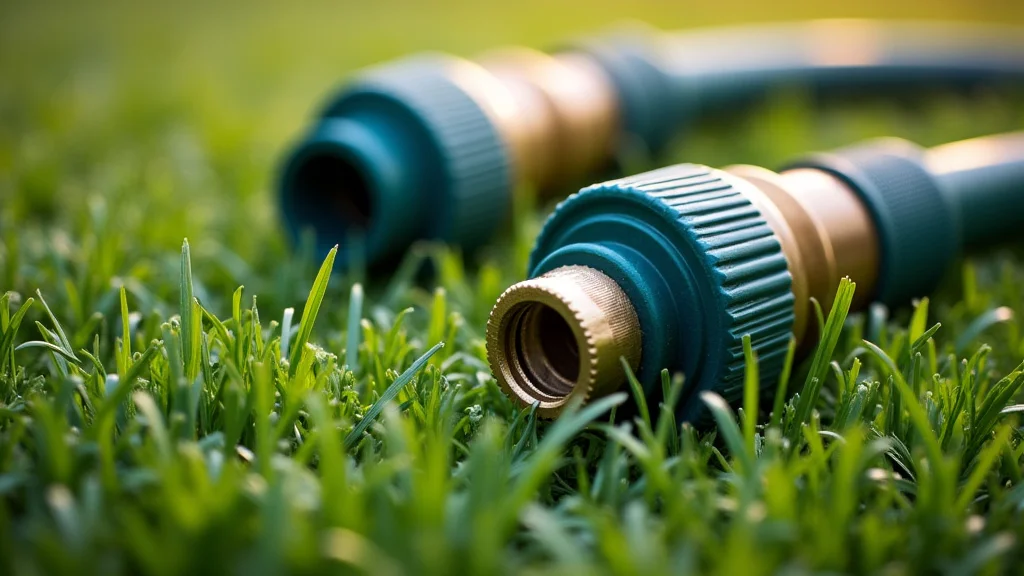
Remember that scorching summer day when you desperately tried to water your wilting petunias? The lawn and garden hose kinked, the water pressure dropped, and your plants suffered! We’ve all been there. Choosing the right lawn and garden hose can seem tricky, but it doesn’t have to be. This guide simplifies the process, equipping you with the information you need to select the perfect hose for your watering needs. You’ll gain a thorough exploration of hose types, materials, and features, ensuring you make an informed decision and save time and frustration. Let’s get started!
Key Takeaways
- Learn about the different types of lawn and garden hoses available.
- Discover the key materials used in hose construction and their benefits.
- Understand the importance of hose length, diameter, and burst pressure.
- Explore various hose features, such as couplings and nozzle compatibility.
- Get tips on maintaining your hose for longevity.
- Compare different hose options to find the perfect fit for your needs.
Exploring Lawn and Garden Hose Options
Selecting the ideal lawn and garden hose goes beyond just grabbing the first one you see. Several varieties exist, each catering to different needs and gardening styles. This section provides an overview of common hose types, offering insight into their unique features and optimal applications. From lightweight options to heavy-duty models, exploring these categories is the initial move in making a selection.
Traditional Rubber Hoses
Traditional rubber hoses are the workhorses of the gardening world. They’re renowned for their durability and resistance to wear and tear, able to withstand various weather conditions and resist kinking. They typically consist of a reinforced rubber or rubber-like material, offering a long lifespan. However, rubber hoses can be quite heavy, particularly when full of water, which might be a consideration for elderly gardeners or those with mobility problems. Their flexibility can also vary; some are less pliable in cold temperatures.
- Durability: Rubber hoses are highly resistant to abrasion and punctures.
- Weather Resistance: They can handle both hot and cold temperatures without significant damage.
- Weight: Rubber hoses are usually heavier compared to other types.
- Flexibility: Flexibility can differ based on the specific rubber blend used.
Consider a scenario where you frequently use your hose for heavy-duty tasks, like washing cars or filling a large pool. A rubber hose would be a fitting choice due to its strength. The longevity of a rubber hose can be a great investment; with proper care, it can last many years. However, its bulkiness might make it less appealing for smaller gardens or for gardeners who prefer a lighter-weight option.
Vinyl Hoses
Vinyl hoses provide a more budget-friendly option. They are generally lighter than rubber hoses, making them easier to handle, particularly when winding and unwinding them. However, vinyl hoses are often less durable. They can become stiff in cold weather and are susceptible to kinking more easily than rubber alternatives. Despite these drawbacks, vinyl hoses are acceptable for light-duty gardening tasks, where the risk of abrasion is low. A vinyl hose is suitable for someone new to gardening or for simple tasks.
- Cost-Effectiveness: Vinyl hoses are generally more affordable than rubber hoses.
- Lightweight: Easier to move around the yard.
- Kinking: More prone to kinking, particularly if bent sharply.
- Durability: Less durable than rubber hoses, more likely to crack or tear.
Imagine you have a small balcony garden where you only need to water a few potted plants. A vinyl hose would likely suffice for your needs. Its lightweight design is easy to manage in a limited space. However, if you often drag your hose across rough surfaces, you would be best served by a rubber hose. The choice hinges on the intended use and the specific environmental conditions.
Hybrid Hoses
Hybrid hoses attempt to combine the advantages of rubber and vinyl hoses. They often utilize a blend of materials, aiming to achieve a balance between durability, flexibility, and weight. Hybrid hoses frequently incorporate a flexible core with a durable outer layer. These hoses usually have good kink resistance and can function efficiently in varied weather conditions. Hybrid hoses provide a compelling mix of features and generally offer superior performance compared to vinyl hoses while often maintaining a more reasonable price point than all-rubber designs. They are a well-rounded option for numerous gardening scenarios.
- Kink Resistance: Often designed with features to reduce kinking.
- Weight: Typically lighter than rubber hoses.
- Durability: Stronger than standard vinyl hoses.
- Price: Commonly sit between vinyl and rubber hoses in terms of cost.
Picture a scenario where you need a hose for various tasks, from watering the lawn to washing the car. A hybrid hose can serve well. Its good kink resistance will prevent frustration, and its solid durability will withstand typical use. Another example might be someone who needs to move their hose across a gravel driveway often. A hybrid hose would have enough durability to withstand the abrasion.
Expandable Hoses
Expandable hoses, also known as stretch hoses, are an innovative design. They are made from an expandable inner tube and a durable outer covering, typically made of woven fabric. When water flows through them, they expand to their full length; when emptied, they retract to a smaller size, making them easier to store. Their lightweight and compact nature makes them attractive, but they can be less robust than other types, with the potential for tearing or bursting if not handled carefully. These types of hoses are great for those with small storage areas.
- Compact Storage: Shrink down for easy storage.
- Lightweight: Very easy to move around.
- Durability: Can be prone to punctures or leaks if not properly cared for.
- Expandability: Expand to several times their contracted length.
Consider a small balcony with limited storage space. An expandable hose is an ideal solution. Its compact size when not in use ensures it won’t take up much room. Suppose you have a garden shed overflowing with tools; an expandable hose would offer ease of storage. However, if you have rough terrain, an expandable hose might be more vulnerable to damage.
Material Matters: Understanding Hose Construction
The materials utilized in constructing a lawn and garden hose significantly influence its durability, flexibility, and overall performance. The inner tube, outer cover, and fittings each play a part in determining the hose’s ability to withstand pressure, resist wear, and function in various environmental conditions. Understanding these materials is essential for choosing a hose that aligns with your specific needs.
Inner Tube Materials
The inner tube of a lawn and garden hose is the channel through which water flows. The materials used here must be resistant to water permeation, pressure, and potentially, the chemicals in water or fertilizers. Common inner tube materials include vinyl, rubber, and polyurethane, each with its characteristics. These impact the flexibility, durability, and cost of the hose. They are an essential element in the hose’s functionality.
- Vinyl: Offers a cost-effective option, but may kink more readily and is less durable.
- Rubber: Provides superior durability and flexibility, but is often heavier.
- Polyurethane: Offers excellent abrasion resistance and flexibility, commonly found in hybrid hoses.
- Material Impact: Determines the hose’s flexibility, pressure rating, and chemical resistance.
Think about a gardener who uses a hose extensively for watering. The inner tube material impacts the hose’s ability to maintain a steady flow of water over time. A rubber inner tube will likely last longer and resist kinks. If a hose is used with fertilizers, the inner tube material must resist the chemicals.
Outer Cover Materials
The outer cover of a lawn and garden hose protects the inner tube from external damage, such as abrasion, sunlight, and impacts. The materials used determine the hose’s resistance to wear and tear. Common materials include woven fabrics, rubber, and vinyl, which greatly impact durability and protection from environmental factors. The outer cover is important for the hose’s lifespan.
- Woven Fabric: Frequently used in expandable hoses, offering flexibility and lightweight.
- Rubber: Provides excellent abrasion resistance and protection from the elements.
- Vinyl: Offers a cost-effective protective layer, but can be less durable.
- Durability: Impacts the hose’s ability to withstand being dragged across rough surfaces and exposure to the sun.
Picture a scenario where a hose frequently rests on a rough concrete surface. A rubber outer cover would be more fitting due to its resistance to abrasion. This will make it far less susceptible to wear and tear than a vinyl hose. If your hose is exposed to the sun’s rays for extended periods, selecting a cover that can resist UV damage is key.
Fittings and Couplings
The fittings and couplings are the connectors at each end of the lawn and garden hose, used to attach it to the faucet and the nozzle or sprinkler. Brass and plastic are the primary materials used in these fittings. The quality of these components impacts how securely the hose connects, how resistant it is to leaks, and how long it lasts. Fittings are often a common point of failure, so their material and construction quality are key to the hose’s lifespan.
- Brass: Offers excellent durability and resistance to corrosion, often considered a premium choice.
- Plastic: More affordable, but may not be as durable as brass.
- Connection: Impacts how well the hose connects to other components and resists leaks.
- Durability: Determines how long the fittings will last before wearing out.
Imagine you use your hose daily; using brass fittings is a good choice. Their durability will reduce the chance of leaks and ensure the hose functions over time. Consider a situation where the hose is exposed to the elements. Brass fittings resist corrosion. Plastic fittings are prone to cracking in cold weather.
Sizing Up Your Hose: Length, Diameter, and Pressure
Selecting the correct size of your lawn and garden hose is vital to ensuring efficiency and optimal performance. The length, diameter, and pressure rating of a hose each play key roles in its functionality, influencing water flow and usability. Recognizing your needs and understanding the specifications will allow you to pick a hose that perfectly meets your garden’s demands.
Hose Length Considerations
The length of a lawn and garden hose should be chosen based on the area you need to water. A hose that’s too short will restrict your reach, forcing you to move the faucet frequently, and a hose that’s too long will be unwieldy and take up too much storage space. Measure the farthest point you’ll need to reach with your hose from the faucet. Consider a small amount of extra length for maneuverability.
- Measuring: Determine the distance from the faucet to the furthest point you need to reach.
- Maneuverability: Allow for some extra length to move around obstacles.
- Storage: Consider storage space when selecting hose length.
- Impact: Influences ease of use and the area you can cover.
Envision a large garden with multiple flower beds and a vegetable patch at the far end. Measuring the distance to the farthest point is necessary. Adding a bit extra length will allow for easy access. Suppose you have a small patio garden; a shorter hose might be the suitable choice for the area.
Hose Diameter and Water Flow
The diameter of a lawn and garden hose directly influences the flow rate of water. Hoses are usually available in standard diameters, most commonly 1/2 inch, 5/8 inch, and 3/4 inch. A larger diameter hose generally provides a higher flow rate, allowing you to fill watering cans, sprinklers, or pools more quickly. However, larger diameter hoses can be heavier and might not be needed for smaller watering tasks. Choosing the proper diameter is essential for efficiently getting the job done.
- Diameter Sizes: Common sizes are 1/2 inch, 5/8 inch, and 3/4 inch.
- Flow Rate: Larger diameters enable higher water flow rates.
- Watering Needs: Match the diameter to the watering task.
- Impact: Determines how quickly you can water the lawn or fill containers.
Consider filling a large swimming pool. A 3/4-inch hose will fill it faster due to its increased flow rate. Watering a small garden with a 1/2-inch hose is fine. If you’re using a sprinkler, a larger hose can improve water coverage by increasing the water flow.
Burst Pressure Ratings
The burst pressure rating indicates the maximum water pressure a lawn and garden hose can withstand before it bursts or leaks. This is a critical safety consideration, as exceeding the hose’s burst pressure can lead to hose failure and potential injury. Always check the pressure rating and ensure it exceeds the water pressure of your faucet. Hoses are rated in PSI (pounds per square inch). A higher PSI rating means a stronger hose.
- PSI: Expresses a hose’s maximum pressure capacity.
- Water Pressure: Make sure the hose’s rating surpasses the water pressure of your faucet.
- Safety: Prevents hose failure and possible injury.
- Impact: Protects the hose from damage and ensures longevity.
Check your local water pressure by using a water pressure gauge on your faucet. If the water pressure is 60 PSI, use a hose with a burst pressure higher than that. If you’re using a pressure washer, select a hose specifically designed for that higher pressure. Always examine the hose’s specifications.
Feature Focus: Exploring Hose Features and Enhancements
Beyond the basic materials and dimensions, many additional features can improve the utility and convenience of a lawn and garden hose. These features can range from specialized couplings to integrated spray nozzles, offering ways to personalize your watering experience. Understanding these add-ons can help in selecting a hose that caters to your unique needs and preferences.
Couplings and Connectors
The couplings and connectors at the ends of your lawn and garden hose are critical. They determine how easily the hose attaches to the faucet and spray nozzles. Different types of couplings are available, including those made of brass or plastic. Quick-connect systems allow for simple and speedy changes between different accessories. Quality couplings reduce leaks and ensure a secure connection. Selecting good couplings increases the hose’s usability.
- Materials: Brass fittings often provide greater durability than plastic ones.
- Quick Connects: Allow you to change nozzles and accessories easily.
- Leak Resistance: Well-designed couplings minimize leaks.
- Impact: Simplifies use and the ability to switch attachments.
Imagine having multiple attachments, such as a sprinkler and a spray nozzle. Quick-connect couplings would allow you to switch between them quickly and easily. Brass fittings are generally more durable than plastic. These can give you confidence in the hose’s longevity and performance.
Nozzle Compatibility
The ability to connect different nozzles and accessories enhances a lawn and garden hose’s versatility. Different hoses are designed to work with various nozzle types, including adjustable spray nozzles, fan nozzles, and soakers. Making sure the hose couplings are compatible with your preferred accessories is key. It ensures flexibility in your watering tasks. The hose’s compatibility impacts the types of tasks you can perform with the hose.
- Nozzle Types: Adjustable, fan, and soaker nozzles are popular options.
- Coupling Compatibility: Assures that your hose will work with your preferred nozzles.
- Flexibility: The ability to select the right spray pattern for the task.
- Impact: Determines the different functions the hose can perform.
Envision a scenario where you wish to water your plants with a gentle spray and then wash your car with a powerful jet. A hose that works with various nozzles and spray patterns is essential. Check the hose specifications. Assess if it will be compatible with your nozzles.
Kink Resistance Features
Kinking can be a major source of frustration when using a lawn and garden hose. To address this, many hoses include features to reduce or eliminate kinking. These features can include reinforced construction, kink-resistant collars at the ends, and flexible inner tubes. Kink resistance not only saves time but also guarantees continuous water flow. Kink resistance enhances the overall user experience.
- Reinforced Construction: Improves overall strength and flexibility.
- Kink-Resistant Collars: Help avoid kinking at the ends of the hose.
- Flexible Inner Tubes: Reduce the chance of kinking.
- Impact: Reduces frustration and makes watering simpler.
Consider a situation where you need to move your hose around the garden frequently. A hose with enhanced kink resistance will be less likely to slow you down. A hose with reinforced construction or a flexible design will resist kinking. This keeps the water flowing continuously.
Maintaining Your Hose: Tips for Longevity
Proper care and maintenance of your lawn and garden hose will significantly extend its lifespan, saving money and reducing waste. Regular maintenance is necessary to prevent damage and ensure the hose’s ability to provide water over time. Simple steps can greatly impact the durability and functionality of your hose. Here are some of the actions you can take.
Cleaning and Storage
Regularly cleaning and storing your lawn and garden hose correctly is a simple yet crucial part of maintenance. After each use, rinse the hose to remove dirt, debris, and chemicals that can cause deterioration. When storing, drain the hose of water and coil it neatly to prevent kinks and stress on the materials. Proper storage also protects the hose from exposure to the sun and extreme temperatures. Cleaning and storage practices greatly increase your hose’s service life.
- Rinsing: Removes dirt and chemicals that can cause the hose to decay.
- Draining: Prevents freezing and expansion, reducing the risk of damage.
- Coiling: Prevents kinks and reduces the stress on the materials.
- Impact: Extends the hose’s life and reduces the risk of leaks.
Imagine after you have finished watering your garden. Rinse the hose to remove any fertilizer residue. After use, drain and coil your hose and store it in a cool, shaded place. This will protect it from sunlight and temperature changes. It will also help the hose last much longer.
Preventing Kinks and Tangling
Preventing kinks and tangling is essential for maintaining a lawn and garden hose’s functionality. Kinks can restrict water flow and strain the hose’s materials. To prevent this, when using the hose, avoid sharp bends. Coiling the hose carefully after each use is vital. Consider using a hose reel or hanger to keep the hose neatly organized, reducing the chance of kinks or tangles. Proactive actions can extend the hose’s lifespan and enhance the watering experience.
- Avoiding Sharp Bends: Prevents restricting water flow.
- Coiling Properly: Reduces the risk of kinks and tangles.
- Hose Reels or Hangers: Keep the hose organized and accessible.
- Impact: Keeps the hose working correctly and ensures an even water flow.
While watering your garden, ensure there are no sharp bends that might impede water flow. After you are finished using the hose, carefully coil it on a hose reel. This will prevent tangles and make storing the hose simpler. It will also extend its life.
Inspecting for Damage
Regularly inspecting your lawn and garden hose for damage can prevent small problems from becoming large and costly issues. Check the hose regularly for cracks, leaks, or wear and tear. Inspect the couplings to make sure they are secure and not leaking. Early detection allows you to address any issues promptly. This ensures the hose’s continued usability. Proactive inspections improve the lifespan of the hose.
- Cracks and Leaks: Look for any signs of water escaping.
- Wear and Tear: Look for any signs of abrasion.
- Coupling Condition: Check that the couplings are securely attached.
- Impact: Prevent small problems from escalating into larger ones.
Make it a habit to inspect your hose each time you prepare to use it. Look for any damage along the hose length. If you detect a leak, try to locate its source. Addressing such issues early will prevent further damage to the hose.
Myth Debunking
Myth 1: All Lawn and Garden Hoses Are the Same
In reality, lawn and garden hoses vary substantially in terms of materials, construction, and features. The differences can affect durability, flexibility, and overall performance. Rubber hoses are often heavier and more durable than vinyl ones. Expandable hoses offer compact storage but may be less robust. Choosing the right hose depends on your specific needs and usage patterns.
Myth 2: A Longer Hose Is Always Better
Although it might be tempting to purchase the longest lawn and garden hose available, the perfect length relies on the size of your garden and the location of your faucet. A hose that is too long will be unwieldy, more difficult to store, and may result in water pressure loss. It’s usually better to measure the distance you need to reach and choose a hose length that is only long enough. This will enhance the watering experience.
Myth 3: The Heavier the Hose, the Better the Quality
While heavier hoses, such as those made from rubber, often do offer a greater degree of durability, weight isn’t the sole indicator of quality in a lawn and garden hose. Advanced hybrid hoses, combining multiple materials, provide a good balance between weight, flexibility, and durability. Focusing on factors like the material’s quality, the type of construction, and the burst pressure rating is a more reliable approach to assessing hose quality.
Myth 4: Brass Fittings Are Always Superior
Brass fittings are often considered the premium choice for lawn and garden hoses due to their durability and resistance to corrosion, but they are not always the best option for every situation. High-quality plastic fittings are also available. They can provide an adequate connection, especially in regions with mild weather. The quality of the construction is key. This influences the fitting’s longevity. This will ensure leak resistance and durability over time.
Myth 5: Expandable Hoses Are Not Durable
Although some believe that expandable hoses are not durable, the reality is more nuanced. While they can be less resilient than rubber or hybrid hoses, several high-quality expandable hoses are designed to withstand regular use. The durability of an expandable lawn and garden hose depends on its construction quality, including the materials used in the inner and outer layers. Some can last for years with good care.
Frequently Asked Questions
Question: What is the most durable type of lawn and garden hose?
Answer: Rubber hoses are generally considered the most durable due to their resistance to abrasion, weather, and kinks. However, hybrid hoses also offer a good balance of durability and flexibility.
Question: How do I measure my water pressure to ensure the hose is suitable?
Answer: You can use a water pressure gauge, which can easily connect to your faucet. Make sure the hose’s burst pressure rating is higher than the water pressure you measure.
Question: Are expandable hoses prone to leaks?
Answer: Some expandable hoses may be prone to leaks if not made with high-quality materials. Proper care and handling are essential to prevent leaks.
Question: What is the best hose diameter for general gardening tasks?
Answer: A 5/8-inch diameter is a popular choice for general gardening. It provides a good balance of water flow and is still relatively easy to handle.
Question: How can I prevent my hose from kinking?
Answer: Choose a hose designed to be kink-resistant, and avoid sharp bends during use. Properly storing your hose on a reel or hanger also helps prevent kinks.
Final Thoughts
Selecting the right lawn and garden hose doesn’t have to be a hassle. Now, you have a clear plan for making the right choice. Remember that the perfect hose aligns with your unique requirements, from the size of your garden to the tasks you perform. Consider the type of hose, paying attention to the materials, length, diameter, and burst pressure. Look at extra features like fittings and nozzles. It’s also important to follow a few simple upkeep steps to increase the lifespan of your hose. Choosing the right hose empowers you to water your plants effectively.
Leave a Reply