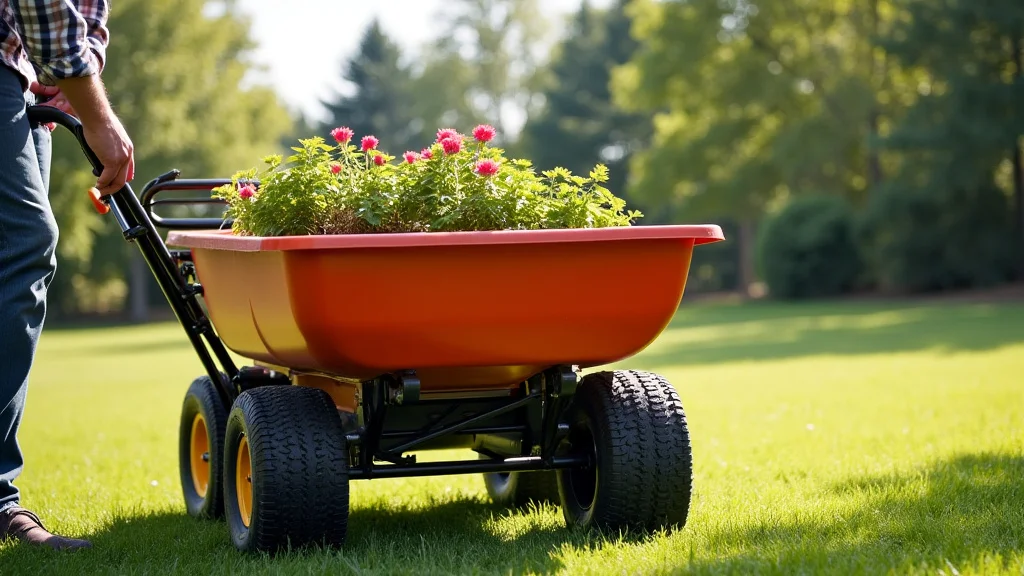
Picture this: a Saturday afternoon, sunshine, and a yard overflowing with yard waste from recent lawn care. You’ve got bags of leaves, branches, and compost to move, and the thought of carrying it all by hand fills you with dread. That’s where a lawn and garden hand truck steps in to save the day. This essential tool transforms a back-breaking chore into a manageable task. In this guide, we’ll explore the ins and outs of lawn and garden hand trucks, helping you select the perfect one for your needs and get the most out of it. You will gain valuable insights into different types, features, and how to choose the right one, improving your yard work experience and saving time.
Key Takeaways
- Learn about the different types of lawn and garden hand trucks available.
- Discover the key features to consider when choosing a hand truck.
- Understand the weight capacity and how it affects your choice.
- Find out which hand truck is right for your specific needs.
- Gain valuable tips on using and maintaining your hand truck.
- Maximize your hand truck’s lifespan and make yard work easier.
Selecting the Ideal Lawn and Garden Hand Truck
Choosing the right lawn and garden hand truck can make a significant difference in your yard work. Several models exist, each offering its own benefits. From simple designs to advanced models with multiple features, the market is filled with options. This section will explore the various types, helping you pinpoint the best match for your individual needs. We’ll examine different wheel configurations, frame materials, and weight capacities, allowing you to choose a hand truck that handles any task.
Types of Lawn and Garden Hand Trucks
Several types of hand trucks are designed for lawn and garden use, each suitable for different tasks and terrains. Selecting the correct type improves efficiency and reduces physical strain. Each model’s strengths lie in how well they handle certain types of loads and grounds. Knowing the differences ensures you select the correct equipment for the job.
- Standard Hand Trucks: Standard hand trucks are the most basic and versatile. They typically have a two-wheel design and a straight frame.
- Convertible Hand Trucks: Convertible hand trucks can change from a two-wheel hand truck to a four-wheel cart. This flexibility is perfect when you need to move heavier items or more items at once.
- All-Terrain Hand Trucks: All-terrain hand trucks feature larger, often pneumatic, tires. These are ideal for uneven surfaces, such as lawns, gravel paths, and rough terrain.
- Specialty Hand Trucks: Specialty hand trucks are designed for specific tasks. For example, some models are designed for moving potted plants, while others are built to handle trash cans.
They are effective for moving boxes, bags of soil, and other general yard items. The simple construction makes them easy to use, while their narrow profile allows them to maneuver through tight spaces.
They can handle a large variety of tasks in the yard. Their adaptability makes them a valuable asset when managing different kinds of loads.
This design allows them to handle heavier loads. They ensure that users can maneuver through the yard with ease and reduce the risk of items being dropped.
These may include built-in features such as plant supports or trash can holders, offering convenience for particular yard chores.
Key Features to Consider
When selecting a lawn and garden hand truck, various features are worth considering. These features directly impact ease of use, durability, and effectiveness. Paying close attention to these elements enables you to make a suitable choice.
- Wheel Type: Wheel type is a key consideration. Pneumatic tires provide cushioning for rough terrain, while solid rubber tires are puncture-resistant.
- Weight Capacity: Always check the weight capacity. Ensure the hand truck can handle the typical loads you’ll be moving.
- Frame Material: The frame material affects durability and rust resistance. Steel is strong but can rust. Aluminum is lighter and rust-resistant.
- Handle Design: The handle design impacts comfort and control. Choose a handle that is easy to grip and comfortable to use for extended periods.
- Additional Features: Consider extra features like folding designs for storage, stair climbers, or attachments for specific items.
Pneumatic tires are ideal for lawns and gravel, providing better shock absorption, while solid tires are perfect for harder surfaces where punctures are a concern.
Exceeding the weight capacity can damage the hand truck and, more importantly, can cause injuries to the user. Always choose a hand truck with a capacity exceeding your needs.
Steel is sturdy but may require more maintenance to prevent rust, whereas aluminum offers a balance of durability and lightness.
Consider handle padding or ergonomic designs for better grip and to reduce strain. The right handle can make a real difference in the comfort during long work sessions.
These features can provide convenience and add versatility to your hand truck, offering benefits for different jobs.
How to Use Your Lawn and Garden Hand Truck
Proper use and maintenance of your lawn and garden hand truck can extend its lifespan. Understanding the best practices will ensure it operates effectively. This section explores fundamental techniques for loading and unloading, maneuvering, and maintaining the hand truck for years of use.
Loading and Unloading
Proper loading and unloading techniques are key to using your hand truck efficiently and safely. Overloading or improperly loading can affect the hand truck’s balance and your safety. Following a few simple steps guarantees that your hand truck operates smoothly and reduces risks.
- Assess the Load: Before loading, look at the load’s weight and shape. If the load is particularly heavy, use a hand truck with a higher weight capacity.
- Position the Hand Truck: Place the hand truck with its base against the load. This ensures the weight distribution is correct.
For boxes or similar items, place the base of the truck under the bottom and then tilt the hand truck back.
- Secure the Load: Once the load is in position, ensure it is stable. If necessary, use straps or bungee cords.
- Unloading: When unloading, place the hand truck on a level surface. Slowly tilt the hand truck forward.
Also, observe any special handling needs for items like fragile plants.
This helps to stop any movement during transport, especially on uneven ground. Securing the load prevents items from falling.
Gently lower the load onto the ground. Make sure to unload slowly and safely to avoid any injuries or accidents.
Maneuvering Your Hand Truck
Maneuvering your hand truck effectively requires balance, control, and awareness of your surroundings. Proper maneuvering reduces effort, increases safety, and prevents damage to both the hand truck and the objects you are moving.
- Start with a Straight Path: When starting, choose a straight path as much as possible to avoid unnecessary turning.
- Maintain a Steady Pace: Move at a comfortable pace. Avoid rushing, as this can lead to loss of control.
- Navigating Turns: When turning, use your body to steer the hand truck. Lean slightly in the direction you are turning.
- Handling Inclines and Declines: When traveling uphill, pull the hand truck, tilting it slightly backward. Going downhill, control the hand truck’s speed.
This provides better control and allows you to keep an eye on your surroundings. A straight path minimizes the effort needed.
Keep the load balanced to maintain stability. Pushing or pulling the hand truck requires smooth movements.
Slow down before making sharp turns to avoid tipping. Make turns wider when carrying heavier loads.
Make use of the hand truck’s leverage. Always be prepared for shifting loads during transitions.
Maintenance and Safety
Regular maintenance and adherence to safety guidelines are essential for keeping your lawn and garden hand truck in excellent condition. This section includes maintenance tips and safety practices that will guarantee optimal performance, as well as extending its operational life. Proper maintenance contributes to safety and longevity.
Maintenance Tips
Consistent maintenance is necessary to keep your hand truck operating effectively. Regular checks, cleaning, and necessary repairs will keep it performing at its best. Taking care of your hand truck not only extends its life but also keeps it safe.
- Regular Inspections: Check your hand truck regularly for any damage. Pay attention to the wheels, frame, and handles.
- Cleaning: Clean your hand truck regularly. Remove dirt, debris, and any build-up that may impact its performance.
- Lubrication: Lubricate the moving parts, such as the wheel axles, to ensure smooth operation.
- Wheel Care: Check the tire pressure on pneumatic tires regularly. If the tires are solid, make sure they are in good condition.
Look for loose bolts, cracks, or wear and tear that may require attention.
Use water and mild soap to wash the frame and wheels. Wipe it down to avoid rust.
Apply lubricant as needed, especially if the hand truck squeaks or becomes hard to maneuver.
Replace worn tires promptly to prevent issues.
Safety Practices
Adhering to safety guidelines when using your hand truck is very important to avoid accidents and injuries. Making safety a priority while working in your yard makes the entire process both efficient and risk-free. Remembering these practices contributes to a safe work environment.
- Wear Appropriate Footwear: Wear sturdy shoes with good traction. This will help you maintain balance.
- Be Aware of Your Surroundings: Pay attention to your environment. Watch out for obstacles, uneven surfaces, and slopes.
- Don’t Overload: Always stay within the hand truck’s weight capacity. Overloading increases the chance of accidents.
- Use Straps: When transporting items, secure the load with straps or bungee cords. This prevents items from falling.
Closed-toe shoes will protect your feet from any potential injuries.
Clear a path before beginning the job and make sure that you have clear visibility.
Distribute the load evenly to maintain stability. The weight limit is there for your safety.
This is especially essential when moving items on uneven surfaces.
Common Myths Debunked
Several misconceptions exist regarding the use and benefits of lawn and garden hand trucks. Understanding the truth behind these myths allows for smarter choices and more effective use of your equipment. Correcting these misunderstandings leads to a safer and more efficient experience.
Myth 1: All Hand Trucks Are the Same
Answer: Not all hand trucks are created equal. Different hand trucks have varying designs, features, and weight capacities, each suited to different tasks. Some are designed for general use, while others are built for specific tasks like moving plants or handling rough terrain. Therefore, selecting the correct hand truck depends on the nature of the tasks that you plan to undertake.
Myth 2: Hand Trucks Are Only for Heavy Loads
Answer: Hand trucks are useful even for light or medium-weight tasks. They reduce strain, helping you move items more efficiently. They also ensure items remain secure during transportation. While they can handle heavy loads, their ease of use makes them valuable for tasks of all weights.
Myth 3: The Heavier the Hand Truck, the Better
Answer: The weight of the hand truck matters, but it’s not always the determining factor. The best hand truck balances durability and manageability. A heavier hand truck may seem durable, but if it is difficult to maneuver, it can become a hindrance. Therefore, choose a hand truck appropriate for your weight and handling needs.
Myth 4: Maintenance Is Unnecessary
Answer: Regular maintenance extends the life and performance of the hand truck. Simple practices like cleaning, lubrication, and checking for damage can avoid problems and ensure the hand truck operates safely. Skipping maintenance can lead to unexpected breakdowns, safety issues, and a shorter lifespan for the equipment.
Myth 5: You Don’t Need Straps to Secure the Load
Answer: Straps are essential for safety, particularly when the ground is uneven or when the items being transported could shift. Straps maintain the load’s stability, reducing the risk of items falling and causing potential injury. Securing the load increases the effectiveness of the hand truck while protecting both the user and the load.
Frequently Asked Questions
Question: What type of hand truck is best for uneven terrain?
Answer: Hand trucks with pneumatic tires are best for uneven terrain, as they offer cushioning and shock absorption.
Question: How do I determine the weight capacity I need?
Answer: Consider the heaviest loads you typically move and select a hand truck with a capacity that exceeds that weight to avoid potential damage.
Question: Can I use a hand truck for moving potted plants?
Answer: Yes, but choose a model with features like plant supports for better stability.
Question: How do I clean my hand truck?
Answer: Clean your hand truck with water and mild soap, then wipe it dry to prevent rust.
Question: How often should I check the tire pressure on my hand truck?
Answer: Check the tire pressure on pneumatic tires regularly, preferably before each use.
Final Thoughts
The lawn and garden hand truck is a practical tool for any homeowner. From selecting the right type and understanding its features to mastering correct use, maintenance, and safety, this guide provides a complete overview. Choosing the right hand truck is the first step toward easier yard work. Regularly inspecting, cleaning, and lubricating your hand truck will keep it working well and guarantee a longer lifespan. Embrace the convenience and efficiency a good hand truck offers to transform yard work. By implementing these tips and practices, you can enjoy a more comfortable, safer, and efficient experience, making outdoor chores less strenuous and more enjoyable.





Leave a Reply