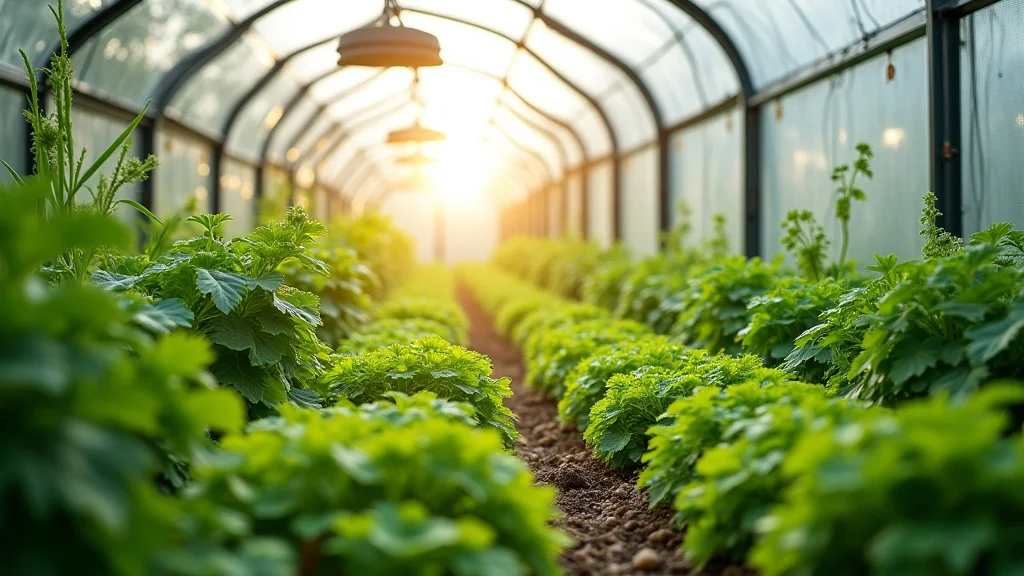
Picture this: It’s the middle of winter, and you’re craving fresh, homegrown tomatoes. But the weather outside is frightful. That’s where a lawn and garden greenhouse comes in. They allow you to extend your growing season, protect your plants from the elements, and cultivate a wider variety of crops. This guide will help you to learn everything you need to know about the lawn and garden greenhouse, from selecting the right one to maximizing your harvest. You’ll gain a deeper appreciation for the possibilities of enclosed gardening and the tools required to bring your growing dreams to fruition.
Key Takeaways
- Discover the benefits of utilizing a lawn and garden greenhouse.
- Learn how to choose the right greenhouse for your space and needs.
- Explore the different types of greenhouse structures available.
- Understand the essential elements for maintaining a healthy greenhouse environment.
- Gain insights on the best crops to cultivate in a greenhouse setting.
- Get tips on extending the growing season and increasing your yields.
Choosing the Right Lawn and Garden Greenhouse
Selecting the ideal lawn and garden greenhouse is a pivotal decision, significantly impacting your gardening success. The choice requires careful evaluation of various elements, including space availability, budget, and gardening goals. The first step involves assessing your available space and determining the greenhouse size that can be accommodated. Consider the size of your garden and the plants you want to cultivate. Think about whether you need a small, portable structure, or a larger, more permanent one. It’s also important to think about the location of your greenhouse. Ensure it receives adequate sunlight throughout the day, as this is crucial for plant growth.
Assessing Space and Size
Before making a purchase, measure the area where you intend to place the greenhouse. This provides a clear understanding of the maximum dimensions available. When evaluating size, also consider the type of plants you intend to grow and their mature sizes. For example, tall tomato plants will need more vertical space than compact herbs. Leave room for walkways and access for tending to your plants. Overcrowding can hinder plant growth and make maintenance difficult. A well-planned layout enhances the overall gardening experience, making it both easier and more enjoyable. It’s smart to plan for future expansion if you anticipate increasing your gardening endeavors over time.
- Measure Your Garden Area: Accurately measure the available space, considering the footprint and height. Note any obstructions, such as trees, fences, or utility lines.
- Consider Plant Size and Needs: Evaluate the types of plants you plan to grow and their size when mature. Provide sufficient vertical and horizontal space for growth.
- Plan for Walkways and Access: Include walkways inside the greenhouse to provide convenient access to all plants for watering, pruning, and harvesting.
- Think About Future Expansion: If you are unsure of how much space you will need, or you believe you will expand the number of plants you grow in the future, opt for a size slightly larger than your immediate needs.
This allows you to select a greenhouse that fits comfortably within your area, preventing overcrowding and ensuring there is enough room for access and plant growth.
Different plants have varying space requirements. Ensuring sufficient space helps prevent overcrowding and encourages healthy plant growth, leading to higher yields and healthier plants.
Walkways improve usability and make maintenance more comfortable. They also help minimize the risk of damaging plants while tending to them.
This gives you flexibility in the future. Having some extra space can be useful, especially as your gardening skills and interest grow.
Budget Considerations
Setting a realistic budget is a critical step in the greenhouse selection process. The cost of a lawn and garden greenhouse can vary widely, depending on size, materials, and features. Consider all associated costs, not just the initial price of the structure. This includes things like site preparation, foundation work, heating, ventilation, and additional equipment. Decide how much you are prepared to spend and explore options that match that budget. This will narrow down your choices and prevent overspending. Researching and comparing different models and brands is important. Look for sales and promotions to get the best value. Remember that a higher initial investment in a well-built greenhouse often pays off over time, due to improved durability and performance.
- Set a Realistic Budget: Determine the maximum you’re prepared to spend on the greenhouse and all associated costs, including site preparation, assembly, and ongoing expenses.
- Assess Ongoing Expenses: Consider the costs of utilities, such as electricity for lighting and heating, water for irrigation, and any maintenance or repair needs.
- Compare Different Models and Brands: Research and compare models from various brands, considering features, materials, warranties, and customer reviews.
- Look for Sales and Promotions: Take advantage of sales, seasonal discounts, and clearance offers to save money on your greenhouse purchase.
Having a set budget helps you make informed choices and avoid overspending. It also helps you assess whether the investment will provide the benefits and the gardening results that you desire.
Understanding ongoing expenses helps you anticipate long-term costs and ensures you can afford to operate the greenhouse effectively, providing a realistic estimate of the total cost.
This comparison helps you identify the best value and features for your budget. It also increases your ability to get a greenhouse that meets your needs.
These offers can significantly reduce the initial cost, making your greenhouse investment more accessible and providing more value for your money.
Types of Greenhouse Structures
Different greenhouse structures are available, each with unique features, advantages, and drawbacks. The most popular types include: lean-to greenhouses, freestanding greenhouses, and geodesic dome greenhouses. Lean-to greenhouses attach to an existing structure, like a house or garage, making them ideal for small spaces. Freestanding greenhouses are separate structures and offer more flexibility in terms of location and size. Geodesic domes provide a unique, energy-efficient design, but may be more complex to assemble. The selection of the structure is a matter of personal needs, the space available, and your financial situation. Researching each type will help determine which fits your needs the best.
- Lean-To Greenhouses: They attach to an existing building, perfect for smaller spaces or adding a greenhouse without extensive site preparation.
- Freestanding Greenhouses: They offer more flexibility in terms of size, placement, and design options, providing the freedom to locate the greenhouse anywhere on your property.
- Geodesic Dome Greenhouses: They’re known for their strength, energy efficiency, and unique aesthetic appearance.
- Portable Greenhouses: These are usually temporary structures that are easy to move, which is ideal if you want flexibility.
They can be economical and provide easy access and climate control when connected to your home.
They provide the ability to maximize sunlight and provide separate climate control.
They may require some assembly, but provide even light distribution and the potential for a long lifespan.
They are affordable and a good option for beginners who are unsure about committing to a permanent structure.
Essential Elements for a Thriving Greenhouse
Creating a thriving environment inside your lawn and garden greenhouse requires carefully managing several essential elements. These include light, temperature, ventilation, humidity, and water. Proper control of these factors will help plant growth and health. Adequate sunlight is critical. Greenhouses should be positioned to receive as much direct sunlight as possible. The temperature should be maintained within the ideal range for the plants you’re growing, utilizing heating and cooling systems as needed. Proper ventilation prevents diseases, and humidity control is necessary to prevent pests.
Light and Temperature
Light and temperature are two of the most critical factors for successful greenhouse gardening. Adequate sunlight is essential for photosynthesis. The plants’ food is generated by photosynthesis, and in turn, their growth. Choose a location for your greenhouse that receives plenty of direct sunlight, ideally facing south to capture maximum solar energy. Temperature control is also vital. Different plants have different temperature needs. Install a heating system to maintain warm temperatures during colder months and a cooling system, such as vents or fans, to prevent overheating in summer. Monitor temperature regularly to ensure it stays within the ideal range for your plants.
- Maximize Sunlight Exposure: Position your greenhouse to receive the most direct sunlight possible throughout the day.
- Implement Temperature Control: Install heating systems (e.g., space heaters, radiant heaters, or forced-air systems) and cooling systems (e.g., vents, fans, or evaporative coolers).
- Monitor Temperature Regularly: Use thermometers to monitor the temperature inside the greenhouse daily.
- Choose Appropriate Covering Materials: Select greenhouse covering materials, such as glass, polycarbonate panels, or polyethylene film, that offer good light transmission and insulation.
This ensures plants get the light they need for photosynthesis, which is critical for growth and health.
Temperature control is essential to ensure plants thrive in optimal climate conditions.
Regular monitoring helps you respond quickly to fluctuations, adjusting heating or cooling as needed to keep conditions ideal.
The correct materials can help to capture and retain heat and provide plants with the light they need.
Ventilation and Humidity
Proper ventilation and humidity control are vital for maintaining a healthy environment inside your lawn and garden greenhouse. Good ventilation regulates temperature, reduces humidity, and prevents the buildup of diseases. Install vents, fans, or automated ventilation systems to circulate air and remove excess moisture. Humidity levels should be managed to prevent diseases. Use a hygrometer to measure humidity. You can control humidity by watering plants at the base, installing a dehumidifier, or improving air circulation. By paying attention to these factors, you can create a favorable environment in your greenhouse.
- Install Ventilation Systems: Equip the greenhouse with vents, fans, or automated ventilation systems to promote airflow and maintain consistent temperatures.
- Monitor Humidity Levels: Use a hygrometer to track humidity and adjust watering, ventilation, or the use of dehumidifiers as needed.
- Water Plants Carefully: Water plants at the base to avoid wetting the foliage, which can increase humidity and promote diseases.
- Provide Adequate Air Circulation: Ensure there is enough air circulation around the plants to prevent moisture buildup and disease.
Ventilation helps to reduce the risk of diseases.
Monitoring allows you to make adjustments that help prevent mold and other humidity-related problems.
Base watering reduces humidity around the leaves, which lowers the chances of fungal infections.
Proper air circulation ensures that each plant gets what it requires for healthy growth.
Watering and Irrigation
Efficient watering and irrigation are key to the health of your lawn and garden greenhouse plants. The irrigation system you choose will depend on the type of plants you are growing. Drip irrigation systems offer precision, delivering water directly to the roots. Overhead sprinklers are ideal for certain plants and situations. Regardless of the system, it’s essential to water your plants regularly. Consider factors such as plant type, stage of growth, and environmental conditions. Overwatering can lead to root rot, so make sure your plants do not sit in water. Monitoring soil moisture is a good way to determine when to water. Watering at the base of the plant can help prevent diseases.
- Choose an Irrigation System: Select an irrigation system like drip irrigation, so water goes directly to the roots. This improves water usage and plant health.
- Water Consistently: Establish a regular watering schedule. This could be daily, every other day, or weekly.
- Monitor Soil Moisture: Check the moisture level of the soil, using your fingers to test the top inch.
- Water at the Base: Water the soil directly at the base of the plants to minimize leaf wetness.
It also prevents water from getting on the leaves of the plant, preventing diseases.
Consistency is key. Different plants have different water requirements.
This prevents overwatering, which can lead to root rot and diseases.
Base watering reduces the risk of diseases that can be caused by moisture on the leaves.
Selecting the Right Crops
Choosing the right crops is essential for maximizing your lawn and garden greenhouse yields. The controlled environment of a greenhouse allows you to grow various vegetables, fruits, herbs, and flowers year-round, which is not possible in an outside garden. Select crops that thrive in a greenhouse environment and consider the climate. Many crops, such as tomatoes, peppers, cucumbers, and lettuce, can grow exceptionally well in a greenhouse. Think about the variety of plants you’d like to cultivate. Experiment with different plants. By choosing the right crops, you can make the most of your space and enjoy fresh produce.
Best Vegetables and Fruits
The controlled environment of a lawn and garden greenhouse allows you to grow some delicious vegetables and fruits. Tomatoes are one of the most popular greenhouse crops. Look for varieties suitable for greenhouse cultivation. Bell peppers, chili peppers, and eggplants all grow well in this environment. Cucumbers can thrive in the controlled climate of a greenhouse. Strawberries can produce a delicious crop year-round. Consider planting a selection of these plants to enjoy a variety of fresh produce throughout the year. Remember to choose the correct plants for your space and your climate.
- Tomatoes: Plant indeterminate tomato varieties that will produce fruit throughout the growing season.
- Peppers: Grow bell peppers, chili peppers, and other varieties to offer a range of flavors and heat levels.
- Cucumbers: Cultivate cucumbers, choosing bush or vining varieties, and train the vines on trellises.
- Strawberries: Plant strawberries for a delicious crop of fruit year-round.
Provide support, such as stakes or trellises, to encourage upward growth and maximize space efficiency.
Maintain consistent temperatures and provide adequate support for the plants.
These plants need warmth to grow.
Ensure that these plants are well-watered.
Herbs and Flowers
Herbs and flowers flourish in a greenhouse. Growing herbs provides fresh ingredients for cooking. You can grow basil, mint, parsley, and chives year-round. Flowers add beauty and fragrance to your greenhouse. Start your flowers from seed and grow them in the greenhouse. Consider the light and temperature conditions needed by each plant. Growing herbs and flowers in your lawn and garden greenhouse creates a varied and enjoyable growing space. It provides both practical and aesthetic advantages.
- Herbs: Grow popular herbs like basil, mint, parsley, and chives.
- Flowers: Start various flower varieties, such as petunias, geraniums, and pansies.
- Consider Sunlight Requirements: Research the light requirements of both herbs and flowers.
- Provide Adequate Support: Some flowers may need support.
Providing the correct conditions of warmth, moisture, and light ensures you will harvest a good crop.
These plants will add beauty, fragrance, and color to your greenhouse.
Make sure you arrange plants in areas that best match their individual needs.
Make sure you provide trellises or stakes to support their growth.
Extending the Growing Season
One of the significant advantages of having a lawn and garden greenhouse is its ability to extend the growing season. This is a very useful tool, as it gives the gardener more flexibility. You can start plants early in the season, before the last frost. It also lets you continue growing crops later in the year. With a greenhouse, you can create a warmer environment, which will protect the plants from cold, wind, and frost. It can also provide a stable environment, which allows for earlier harvests and longer crop yields.
Starting Seeds Early
Starting seeds early is a great way to extend the growing season in your lawn and garden greenhouse. Begin by starting seeds indoors, a few weeks before the last frost. This will give your plants a head start on growth. Use seed starting trays, or small pots, and fill them with a seed-starting mix. Provide adequate light and water to encourage germination and early growth. Once the seedlings have developed a few sets of leaves, they are ready to be transplanted. By starting seeds early, you’ll be able to get a jump start on the growing season and increase your yields. This helps to produce healthier plants.
- Start Seeds Weeks Before the Last Frost: Begin seed starting indoors, about six to eight weeks before the last predicted frost date.
- Use Seed-Starting Trays or Small Pots: Fill seed-starting trays or small pots with a seed-starting mix.
- Provide Adequate Light and Water: Place the seed trays near a sunny window or under grow lights, and water them consistently.
- Transplant Seedlings When Ready: Once the seedlings have developed a few sets of true leaves, transplant them into larger pots or directly into the greenhouse.
This jumpstarts the growing season and provides plants with a significant head start.
Use a well-draining potting mix to promote healthy root growth and prevent diseases.
Light and water are vital.
This is necessary as the roots and plant itself begin to grow.
Protecting Plants from Frost
Protecting plants from frost is crucial for extending the growing season. Use heaters and frost protection fabric, such as horticultural fleece, or row covers, to protect your plants. These measures prevent frost damage, which can kill or damage plants. Make sure to monitor the weather forecast and be prepared to take preventative measures when frost is expected. By taking these actions, you can keep your greenhouse plants growing longer and harvest more.
- Utilize Heating Systems: Install greenhouse heaters or use supplemental heating systems.
- Use Frost Protection Fabric: Cover plants with frost protection fabric or horticultural fleece.
- Monitor Weather Forecasts: Monitor local weather forecasts.
- Insulate the Greenhouse: Improve insulation to keep the warmth.
These will maintain a warm environment when the temperature outside drops below freezing.
This traps heat and creates a microclimate.
This allows you to take necessary protective measures before cold snaps or frost events.
This will help to reduce energy costs.
Common Myths Debunked
Myth 1: Greenhouses are Only for Experienced Gardeners
Many think that a lawn and garden greenhouse is only for the experienced. The reality is that greenhouses can be very beginner-friendly. While advanced techniques exist, you can start small, and learn as you go. There are many simple, beginner-friendly greenhouse kits and resources available. The controlled environment of a greenhouse provides a safer space to experiment with gardening, making it ideal for new gardeners to develop their skills and knowledge.
Myth 2: Greenhouses are Expensive and Require Major Investment
The belief that greenhouses require a major financial commitment is common. The truth is that there are many budget-friendly options, from smaller, portable greenhouses to DIY setups. You can start with a simple, affordable structure and expand as your needs and budget grow. Used greenhouses or repurposed materials can also provide cost savings. Careful planning, research, and resourcefulness can make greenhouse gardening accessible without breaking the bank.
Myth 3: Greenhouses Require Excessive Maintenance and Time
Many assume that greenhouses require excessive work. However, this isn’t always true. While a lawn and garden greenhouse does require maintenance, this can be managed with efficient systems. Automating irrigation, ventilation, and temperature control can significantly reduce the time spent on daily tasks. Choosing low-maintenance plants and implementing organized gardening practices will also help to reduce your workload, giving you a balance between work and enjoyment.
Myth 4: Greenhouses Are Only Suitable for Specific Climates
There is a false idea that greenhouses are only practical in certain climates. Greenhouses are adaptable. Greenhouses can benefit gardeners in various climate zones. In colder climates, they extend the growing season. In warmer climates, they offer protection from extreme heat or pests. With appropriate climate control and plant selection, greenhouses can be effective in many locations, providing gardeners with the ability to grow crops year-round. This is all dependent on whether or not the environment is controlled.
Myth 5: Greenhouses Are Only For Food Production
Some people think that greenhouses are only for food production. However, lawn and garden greenhouse provides more than just food. Greenhouses are excellent spaces for growing flowers and ornamental plants. They are great for starting seeds and rooting cuttings. They provide a sheltered space for indoor gardening and experimenting with different plant varieties. Greenhouses enable you to enjoy your passions for botany and landscaping, creating a beautiful space.
Frequently Asked Questions
Question: How do I choose the best location for my greenhouse?
Answer: Select a location that receives ample sunlight, at least six hours a day. Make sure the ground is level, and consider the wind patterns. Proximity to a water source and electricity also simplifies maintenance.
Question: What types of plants are best for a beginner greenhouse?
Answer: Start with easy-to-grow plants such as lettuce, herbs, tomatoes, and peppers. These plants are relatively tolerant of environmental fluctuations. They also have good growth rates.
Question: How can I control the temperature inside my greenhouse?
Answer: Use ventilation systems, such as vents and fans, to circulate air and reduce heat. If you need it, install heating units during cold periods. You can also use shade cloths in the summer.
Question: How often should I water my plants in the greenhouse?
Answer: Watering frequency depends on the plant type, the weather, and your greenhouse conditions. Check the soil moisture regularly and water when the top inch or two is dry. Drip irrigation can also be an efficient method.
Question: Can I use my greenhouse year-round?
Answer: Yes, with proper climate control, you can use your greenhouse all year. Install heating and cooling systems to maintain the ideal growing conditions. You can also use lighting to help with insufficient natural light during the darker winter months.
Final Thoughts
Creating a lawn and garden greenhouse is a rewarding project that offers numerous benefits. From extending your growing season to providing a controlled environment, a greenhouse expands your gardening possibilities. Selecting the right greenhouse, understanding the essential elements, and choosing appropriate crops are key steps to success. By creating a suitable environment, you can enjoy fresh produce, herbs, and flowers year-round. Start by assessing your space and budget, then choose a greenhouse structure that meets your needs. Pay attention to light, temperature, ventilation, humidity, and water management. Select crops that are suitable for greenhouse conditions and extend your growing season by starting seeds early and protecting plants from frost. With a little planning and effort, your greenhouse can become a productive and enjoyable space. Embrace the opportunities that enclosed gardening brings. The journey to a thriving greenhouse garden is just a few steps away!
Leave a Reply