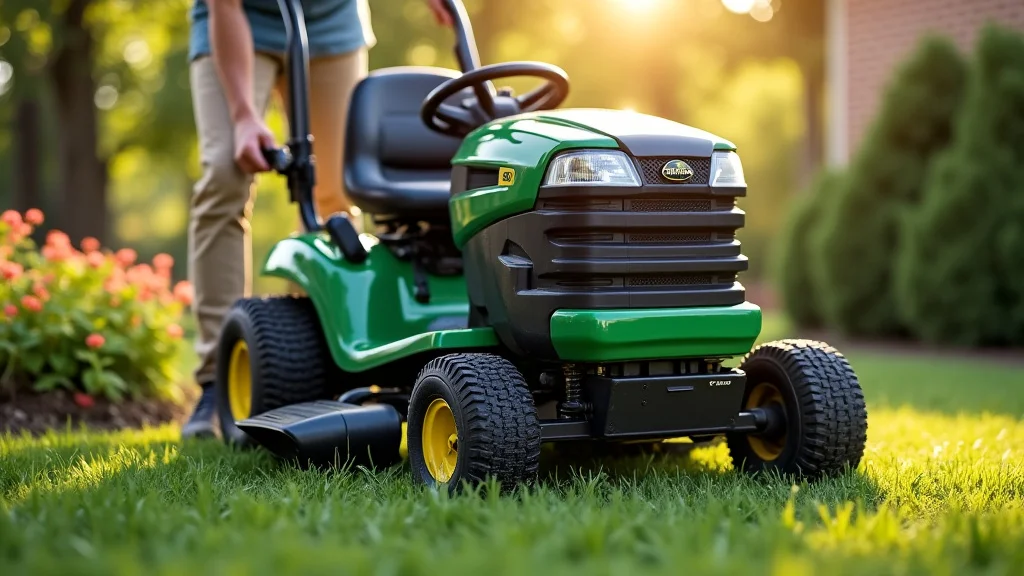
Picture this: It’s Saturday morning, the sun is shining, and you’re ready to get your lawn looking its best. You head out to fire up your trusty lawnmower, but the engine sputters and dies. The culprit? Often, it’s the lawn and garden fuel pump. This seemingly small component is essential for delivering fuel to your engine. Don’t worry, though! This guide will help you understand, troubleshoot, and maintain your fuel pump, saving you time and money. By the time you finish reading, you’ll be well-equipped to diagnose and fix many fuel-related issues, making your yard work a breeze. You’ll also learn the key steps to keep your equipment running smoothly season after season.
Key Takeaways
- Learn how a lawn and garden fuel pump functions and its importance.
- Discover common fuel pump problems and their causes.
- Get step-by-step instructions for troubleshooting fuel pump issues.
- Find out how to perform regular maintenance on your fuel pump.
- Understand when to repair or replace your fuel pump.
- Get expert tips for choosing the right fuel pump.
Understanding the Lawn and Garden Fuel Pump
The lawn and garden fuel pump is a vital component of any small engine. It’s responsible for transporting fuel from the fuel tank to the carburetor, which then mixes the fuel with air to create a combustible mixture. This mixture powers the engine, allowing your lawnmower, trimmer, or other equipment to operate effectively. Without a functioning fuel pump, your engine won’t run, rendering your tools useless. The fuel pump ensures a consistent fuel supply, which is critical for the engine’s performance and longevity. Modern fuel pumps come in various forms, including mechanical and electronic types, depending on the engine design.
Types of Fuel Pumps
The type of fuel pump used in your lawn and garden equipment depends on the engine design. Knowing the difference between them will help with troubleshooting and selecting the correct replacement. Different types of fuel pumps serve the same basic purpose. They provide fuel to the engine. But the methods used differ, depending on the engine type and the particular application.
- Mechanical Fuel Pumps: These pumps are often found on older engines. They are directly driven by the engine, usually by a cam. As the engine runs, the cam pushes a lever on the fuel pump. This lever action then causes a diaphragm inside the pump to move. This creates suction, drawing fuel from the tank. Mechanical fuel pumps are usually simple and reliable, but their performance can be directly affected by engine speed.
- Vacuum Fuel Pumps: Vacuum fuel pumps utilize the vacuum created by the engine’s intake manifold to operate. This vacuum actuates a diaphragm within the pump, which then draws fuel from the tank and delivers it to the carburetor. These pumps are relatively simple but can be sensitive to leaks in the vacuum lines. They are most commonly found on small engines with carburetors.
- Electric Fuel Pumps: Electric fuel pumps, unlike mechanical or vacuum pumps, are powered by electricity. They are typically found on fuel-injected engines. These pumps are located inside the fuel tank. They have the ability to supply a consistent and higher fuel pressure than mechanical or vacuum pumps. Electric fuel pumps offer more precise fuel delivery. They also tend to be less prone to vapor lock.
Components of a Fuel Pump
The fuel pump is composed of several critical parts. Each part plays a specific role in its overall function. If any of these parts fail, the fuel pump’s performance will suffer, leading to engine problems. A good awareness of the components will aid in diagnosing issues and selecting replacement parts.
- Diaphragm: This flexible membrane is a key component in mechanical and vacuum fuel pumps. The diaphragm moves in response to engine vacuum or mechanical action, creating the suction that pulls fuel from the tank. The diaphragm’s condition is vital. A damaged diaphragm can lead to fuel leaks or a loss of pumping pressure.
- Valves: Valves control the flow of fuel in and out of the pump chamber. They are usually one-way check valves that allow fuel to flow in a single direction, preventing backflow. If valves become damaged or clogged, fuel flow can be restricted, causing the engine to starve for fuel.
- Inlet and Outlet Ports: These ports connect the fuel pump to the fuel tank and the carburetor, respectively. They provide entry and exit points for the fuel. Ensuring these ports are clean and free from obstructions is important for maintaining proper fuel flow.
- Fuel Lines: These flexible hoses transport fuel to and from the fuel pump. They are vulnerable to cracking, dry rot, and other damage. Leaks in fuel lines can not only cause a loss of fuel pressure but also create a fire hazard.
Common Lawn and Garden Fuel Pump Problems
Several issues can arise with your lawn and garden fuel pump, often resulting in engine starting or running problems. Being able to recognize these issues early can help prevent more serious damage to your equipment. Identifying the source of the problem is the first step towards a repair. Common issues can often be addressed with basic tools and knowledge.
Fuel Pump Failure Symptoms
Several symptoms indicate a potential fuel pump problem. Paying attention to how your engine starts and runs can alert you to underlying issues with the fuel pump. Common symptoms may provide clues to help diagnose and resolve problems before they become serious. Regular monitoring of the equipment’s performance is essential.
- Engine Won’t Start: The most common symptom is an engine that fails to start at all. This may happen because the fuel pump is not delivering fuel to the carburetor. If your engine cranks but doesn’t fire up, the fuel pump could be the problem. Inspect the fuel pump if other ignition issues have been ruled out.
- Engine Runs Rough: An engine that runs roughly or sputters may indicate a fuel delivery problem. A weak or inconsistent fuel pump may not be supplying enough fuel to the engine. This can cause the engine to misfire or run at reduced power.
- Engine Stalls: An engine that starts and then stalls, especially when under load, may have fuel pump issues. The pump can provide enough fuel to start. However, when the engine demands more fuel, the pump may not be able to deliver it.
- Fuel Leaks: A fuel pump that leaks is a clear indication of a problem. Leaks can happen from cracks in the pump housing. They can also occur from damaged fuel lines connected to the pump. Leaks pose safety risks and can result in significant fuel loss.
Causes of Fuel Pump Failure
Fuel pump failure can result from various factors, including the condition of the fuel itself. Knowing the typical causes can help you prevent future issues. Several key factors can reduce the lifespan of a fuel pump. Preventing problems requires good maintenance practices and attention to the equipment.
- Fuel Contamination: Contaminated fuel can clog the fuel pump, preventing it from working correctly. Dirt, rust, or other debris in the fuel tank can get sucked into the pump. This can block the pump and damage its internal components. Using clean fuel and regularly replacing the fuel filter are essential.
- Fuel Aging: Fuel that sits for a long time can degrade. It can also develop varnish and other deposits that clog the fuel pump. Always use fresh fuel and treat it with a fuel stabilizer. This becomes important if you store your equipment for extended periods.
- Physical Damage: Physical damage to the fuel pump can occur due to impact. It can also occur from vibration, or from being used in extreme conditions. Check the fuel pump for cracks or other visible damage. Protect it from exposure to extreme temperatures or physical stress.
- Diaphragm Deterioration: In mechanical and vacuum pumps, the diaphragm can deteriorate over time. The material can become brittle, and the diaphragm can crack. This can result in fuel leaks and a loss of pumping efficiency. The deterioration rate depends on the quality of the pump and the fuel.
Troubleshooting Your Lawn and Garden Fuel Pump
If you suspect a fuel pump problem, a systematic troubleshooting approach is essential. A methodical approach will help isolate the issue and avoid unnecessary repairs. Many fuel pump issues can be resolved with basic tools and some time. Understanding the steps can save you both time and money.
Initial Inspection
Before any major disassembly, a visual inspection can often reveal the problem. A visual check can identify obvious issues before you start taking things apart. This also lets you confirm whether the fuel pump is indeed the source of the problem. This initial step can streamline the diagnosis process.
- Check Fuel Level: Make sure there’s enough fuel in the tank. Sometimes, the simplest solution is the correct one. If the tank is empty, the pump has nothing to pump. Refuel the tank and try to start the engine.
- Inspect Fuel Lines: Look for any leaks or cracks in the fuel lines. Feel for wet spots around the fuel lines, which may indicate a leak. Pay close attention to the connections. Ensure the fuel lines are properly connected and not blocked.
- Examine Fuel Filter: A clogged fuel filter can restrict fuel flow. Locate the fuel filter and inspect it for any signs of contamination or blockage. If the filter is dirty, replace it. Replace the fuel filter during regular maintenance.
- Check for Obvious Damage: Look for any physical damage to the fuel pump housing or its associated components. Inspect the pump for cracks, corrosion, or any other visible damage. Any apparent damage is a sign that the pump is not functioning correctly.
Fuel Delivery Testing
If the initial inspection doesn’t reveal the problem, the next step is to test the fuel delivery. These tests help determine if the fuel pump is delivering fuel to the carburetor. Testing the delivery will clarify if the fuel pump is pumping fuel as required. Ensure the engine receives enough fuel to run properly. Follow these steps to perform fuel delivery tests:
- Disconnect Fuel Line: Disconnect the fuel line from the carburetor. Place the end of the fuel line into a container. If you have a fuel shut-off valve, close it first.
- Crank the Engine: Attempt to start the engine, or crank it over a few times. Observe if fuel comes out of the fuel line. This is a basic test to verify if the pump is supplying fuel. No fuel means the pump isn’t working or the fuel line is blocked.
- Check Fuel Flow Rate (Mechanical Pumps): For mechanical fuel pumps, measure the fuel flow rate. Connect the fuel line back to the carburetor. Disconnect the return fuel line (if applicable) and measure the fuel flow rate for a specific time. Compare the fuel flow rate against the manufacturer’s specifications.
- Check Fuel Pressure (Electric Pumps): Use a fuel pressure gauge to check the fuel pressure. Connect the gauge to the fuel line between the fuel pump and carburetor. Turn on the ignition and read the fuel pressure on the gauge. Compare the reading to the manufacturer’s specifications.
Advanced Troubleshooting Steps
If the basic tests don’t identify the problem, more advanced steps may be necessary. These steps can pinpoint the source of the fuel pump issue. You may need to use a multimeter or other specialized tools. Proceed carefully and follow all safety precautions to avoid injury or equipment damage.
- Check for Blockages: Use compressed air to blow through the fuel lines, fuel filter, and carburetor. These components are prone to blockage. This is particularly relevant if the fuel system shows signs of contamination.
- Test for Electrical Issues (Electric Pumps): Use a multimeter to check the voltage at the fuel pump. Ensure the pump is receiving the correct voltage. A low or no voltage reading suggests a problem with the wiring or the electrical supply.
- Inspect the Diaphragm (Mechanical/Vacuum Pumps): For mechanical or vacuum pumps, carefully inspect the diaphragm for any damage. Remove the pump from the engine and disassemble it to inspect the diaphragm. Replace it if you find any cracks or deterioration.
- Check for Vacuum Leaks (Vacuum Pumps): Test the vacuum lines for leaks using a vacuum gauge or by inspecting the lines visually. Replace any cracked or damaged lines. A vacuum leak can prevent the fuel pump from functioning.
Maintaining Your Lawn and Garden Fuel Pump
Regular maintenance is important for ensuring the longevity of your lawn and garden fuel pump. Implementing these preventative measures will ensure that the equipment works reliably and efficiently. Maintenance can prevent premature failure. It can also reduce the need for more costly repairs.
Regular Maintenance Tasks
Implementing a regular maintenance schedule will keep your fuel pump in good condition. Preventative measures will ensure smooth operation and can prevent premature failures. Following a good routine will help extend the lifespan of your fuel pump.
- Use Fresh Fuel: Always use fresh fuel and
- Add Fuel Stabilizer: Use a fuel stabilizer to keep the fuel fresh and prevent it from degrading. Fuel stabilizer is particularly important if you store your equipment for extended periods. This will help prevent the fuel from breaking down.
- Replace the Fuel Filter: Replace the fuel filter at recommended intervals. A clogged filter restricts fuel flow and can damage the fuel pump. Consult your equipment’s manual to find the replacement interval.
- Inspect and Replace Fuel Lines: Regularly inspect the fuel lines for cracks, leaks, or signs of wear. Replace any damaged fuel lines. Cracked fuel lines can result in leaks. Leaks reduce fuel pressure, which can damage the fuel pump.
Storage Tips for Fuel Pump Longevity
Proper storage of your equipment is important for preserving the fuel pump. These tips will help prevent damage and ensure reliable performance when you’re ready to use your equipment. Preventative measures are essential. They will help to avoid problems caused by storage.
- Drain the Fuel Tank: Drain the fuel tank completely before storing your equipment for an extended period. Stale fuel can degrade and leave deposits in the fuel system. This is especially true if you do not use fuel stabilizer.
- Run the Engine Dry: Start the engine and let it run until it stops due to lack of fuel. This ensures there’s no fuel left in the carburetor. This step reduces the risk of gum and varnish deposits forming in the carburetor.
- Use Fuel Stabilizer: If draining the fuel is not possible, add a fuel stabilizer to the fuel tank. Then run the engine for a few minutes. This allows the stabilizer to circulate through the fuel system. This will protect the fuel pump and other components from fuel degradation.
- Store in a Dry Place: Store your equipment in a dry place. This prevents moisture from getting into the fuel system. Moisture can cause corrosion and other damage. Store equipment indoors. Or, cover it if you must store it outdoors.
Repair or Replace Your Lawn and Garden Fuel Pump?
Knowing when to repair or replace your fuel pump can save you money. The decision depends on the nature of the damage and the pump’s age. The cost of repair versus replacement is also an important factor. Consider these points when deciding.
When to Repair
Some fuel pump issues are easily fixable and do not warrant a full replacement. Repairing a fuel pump can save money and extend the life of your equipment. Repairing issues early can prevent further damage. Repairing is a viable solution for several issues.
- Clogged Fuel Filter: If the only problem is a clogged fuel filter, replacing the filter is a simple and inexpensive solution. A new fuel filter will restore the fuel flow. Fuel filters are inexpensive and easy to replace.
- Loose Connections: Ensure that all connections are secure, including the fuel lines. A loose connection can cause fuel leaks. Tightening the connections is a simple fix.
- Minor Leaks: If the fuel pump has a minor leak from a damaged fuel line, replacing the fuel line may solve the problem. Fuel lines are usually easy to replace. Replacing the line is less expensive than replacing the entire pump.
When to Replace
Some fuel pump problems are too severe to repair. In these cases, it is more cost-effective to replace the entire fuel pump. When the fuel pump is beyond repair, replacement is the more reliable choice. Considering these points will help you make the right decision.
- Internal Component Failure: If the fuel pump’s internal components, such as the diaphragm or valves, are damaged, replacement is often necessary. These components may be difficult to replace, and the repair may not be reliable. Damaged internal components can cause the fuel pump to fail.
- Severe Fuel Leaks: Severe fuel leaks can be dangerous and indicate extensive damage to the fuel pump. Replacing the pump is often the best option to ensure safety. This will prevent a potential fire hazard.
- Fuel Pump Age: If the fuel pump is old or has accumulated many operating hours, replacing it may be the best approach. Older pumps are likely to fail. Replacement will prevent potential future problems.
Choosing the Right Lawn and Garden Fuel Pump
Selecting the correct
Factors to Consider
Several factors should be considered when choosing a replacement fuel pump. Knowing your engine’s requirements is the first step in choosing a replacement. Taking these aspects into account will help ensure that you choose a compatible and reliable replacement. Understanding your engine is critical when choosing a fuel pump.
- Engine Type: Determine whether your engine is a mechanical, vacuum, or electric fuel pump. Ensure the replacement matches your existing pump type. Mechanical fuel pumps are usually driven by the engine. Vacuum pumps use the engine’s vacuum for operation. Electric pumps run on electricity.
- Fuel Pump Specifications: Check the manufacturer’s specifications for your equipment. Pay attention to fuel flow rate and pressure requirements. Using a pump with incorrect specifications can cause poor performance or damage the engine. Checking the specifications is crucial for compatibility.
- Compatibility: Ensure the
- Quality: Purchase a fuel pump from a reputable manufacturer known for quality. Quality pumps typically provide longer service lives. Be sure to consider the product’s ratings and reviews. High-quality pumps are typically more durable and reliable.
Purchasing Tips
Buying a new fuel pump is a necessary step to get your equipment running again. Following these suggestions can help you find a reliable pump at a good price. A little preparation can save you time and money. These suggestions will help with the purchasing process.
- OEM vs. Aftermarket: Consider whether to buy an Original Equipment Manufacturer (OEM) or an aftermarket pump. OEM pumps are made by the equipment manufacturer. Aftermarket pumps are manufactured by third-party companies. OEM parts are more expensive but are made to the equipment’s specifications. Aftermarket pumps are generally less expensive.
- Read Reviews: Read reviews from other customers to get an idea of the pump’s reliability. Check the reviews to find the products that are best for your needs. Customers often share information about the quality of the pump.
- Compare Prices: Compare prices from different retailers to find the best deal. Prices can vary significantly. Comparing prices is an important part of the purchasing process.
- Warranty: Look for a pump that comes with a warranty. This will protect you in case the pump fails prematurely. A warranty gives you some peace of mind.
Common Myths Debunked
Myth 1: Fuel pumps never fail.
Answer: Fuel pumps are mechanical devices, and like any machine, they can fail. They have a finite lifespan, and factors such as fuel contamination, age, and wear can contribute to their eventual failure. Regular maintenance and proper fuel storage can help extend their life, but they will eventually need to be replaced.
Myth 2: Any fuel pump will work.
Answer: This is untrue. Using the wrong fuel pump can damage your engine. It’s crucial to select a fuel pump that matches your engine’s specifications. Using the wrong pump may affect the fuel flow and pressure. It can also cause engine damage.
Myth 3: Fuel stabilizer isn’t really necessary.
Answer: This is incorrect. Fuel stabilizer is a useful tool. It prevents fuel degradation and the formation of harmful deposits. It’s especially useful if you’re storing equipment for extended periods. Fuel stabilizer can help to keep your equipment in top condition.
Myth 4: Fuel filters don’t need to be changed regularly.
Answer: Fuel filters must be changed. They catch debris and contaminants that can damage the fuel pump and carburetor. Clogged filters restrict fuel flow. They can reduce the engine’s performance or cause it to fail. Replace your fuel filter at the intervals specified in your equipment’s manual.
Myth 5: Premium fuel is always better.
Answer: This is not always true for lawn and garden equipment. Many small engines are designed to run on regular gasoline. Higher-octane fuel may not provide any performance benefit. It can also be more expensive. Consult your owner’s manual. It will specify the correct fuel grade for your equipment.
Frequently Asked Questions
Question: How often should I replace my fuel filter?
Answer: The fuel filter should typically be replaced annually or every 100 hours of use, or as specified in your equipment’s manual. Replace it sooner if you notice any performance issues.
Question: Can I use fuel with ethanol in my lawn and garden equipment?
Answer: While some equipment is ethanol-compatible, ethanol can damage fuel lines and other components in older engines. Check your equipment’s manual to verify compatibility, and consider using fuel without ethanol if possible.
Question: How do I know if my fuel pump is getting power?
Answer: For electric fuel pumps, use a multimeter to check for voltage at the pump’s terminals when the engine is cranking or running. No voltage suggests an electrical problem.
Question: What’s the best way to clean a clogged fuel pump?
Answer: It’s generally best to replace a clogged fuel pump. While some people attempt to clean them, the effectiveness is questionable. Replacement usually offers the best long-term reliability.
Question: Can I fix a mechanical fuel pump myself?
Answer: Repairing a mechanical fuel pump can be done, but it depends on the issue. Replacing the diaphragm or fuel lines is feasible. But, internal component failure may require professional repair or replacement of the pump.
Final Thoughts
A well-functioning lawn and garden fuel pump is the heart of your small engine’s fuel system. Understanding how this component operates, knowing its potential issues, and applying basic maintenance can prevent frustrating breakdowns. By following the troubleshooting steps and maintenance tips, you can extend the life of your equipment and keep your yard looking its best. With the knowledge you’ve gained from this guide, you can confidently diagnose fuel pump problems and make informed decisions about repair or





Leave a Reply