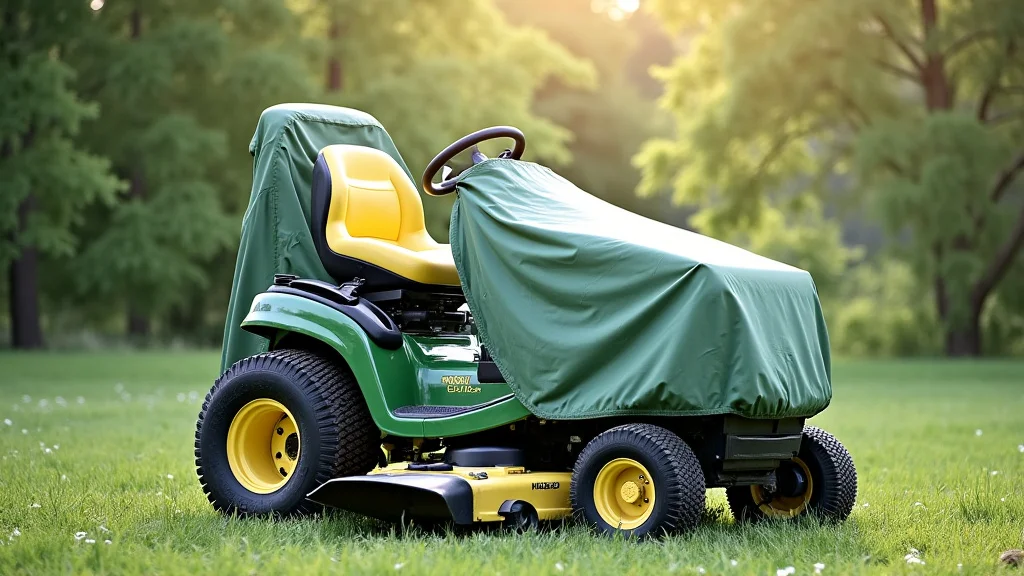
Remember that sinking feeling when you uncover your lawnmower after a long winter, only to find rust and damage? Or perhaps the disappointment of a faded and cracked grill cover after a summer of barbecues? These scenarios are all too familiar for homeowners who invest in valuable outdoor equipment. This post is dedicated to helping you safeguard your investments with the right lawn and garden equipment covers. You’ll learn everything you need to know to choose the perfect covers, ensuring your tools and machines stay in top condition. By the end, you’ll be able to extend the lifespan of your gear, saving money and the hassle of premature replacements, while ensuring your tools are ready for action whenever you need them.
Key Takeaways
- Understand the importance of protecting outdoor equipment from the elements.
- Learn about different types of lawn and garden equipment covers and their materials.
- Discover how to choose the right cover size and features for your specific needs.
- Find out how to properly maintain and care for your covers to extend their lifespan.
- Explore the benefits of using covers for various types of outdoor equipment.
- Understand how covers can enhance the longevity and performance of your gear.
Why Use Lawn and Garden Equipment Covers?
Outdoor equipment is exposed to a barrage of environmental threats, including sun, rain, snow, and wind. These elements can cause significant damage over time, leading to rust, corrosion, fading, and general wear and tear. Lawn and garden equipment covers act as a protective barrier, shielding your valuable investments from these damaging forces. This preventative measure is not just about aesthetics; it’s a practical way to prolong the life of your equipment and maintain its functionality.
The Impact of Sun Exposure
The sun’s ultraviolet (UV) rays are particularly harmful. They can cause materials to fade, crack, and become brittle. Plastic components, in particular, are susceptible to UV damage. Over time, this exposure can weaken the structure of your equipment, leading to premature failure. Furthermore, prolonged sun exposure can also cause the paint on metal surfaces to fade and peel, making the equipment look worn and reducing its resale value. By using a cover, you significantly reduce the amount of direct sunlight your equipment receives, thus mitigating the harmful effects of UV radiation.
- Fading and Discoloration: The sun’s UV rays break down the pigments in paint and plastics, leading to fading and discoloration of your equipment.
- Material Degradation: UV rays can also degrade the materials themselves, causing them to become brittle and prone to cracking or breaking.
- Reduced Resale Value: Equipment that has been exposed to the sun’s damaging rays often looks old and worn, which can significantly decrease its resale value.
This is a common issue with lawnmowers, tractors, and even outdoor furniture. Covers made from UV-resistant materials provide an effective barrier, protecting the equipment’s appearance and helping it to maintain its original color.
Plastic components and rubber seals are particularly vulnerable. Covers made from sturdy, UV-resistant fabrics help to prevent this type of damage, extending the lifespan of the equipment.
Maintaining the appearance of your equipment is a worthwhile investment. Covers protect against fading, cracking, and peeling, helping your equipment retain its value.
The Effects of Moisture and Humidity
Moisture is another major enemy of outdoor equipment. Rain, snow, and humidity can lead to rust and corrosion on metal parts, as well as the growth of mold and mildew. This is especially true for equipment that is stored outdoors or in damp environments. By using a cover, you create a dry environment around your equipment, preventing these damaging effects. The cover acts as a shield, keeping moisture away from sensitive components and prolonging the life of your gear. Proper ventilation features in some covers can also help prevent condensation buildup.
- Rust and Corrosion: Moisture causes metal parts to rust and corrode, leading to decreased performance and eventual failure.
- Mold and Mildew Growth: In humid environments, mold and mildew can quickly grow on equipment, causing damage and producing unpleasant odors.
- Component Damage: Moisture can also damage electrical components and other sensitive parts.
Lawnmowers, snow blowers, and other metal equipment are particularly vulnerable. Covers that are waterproof or water-resistant provide an essential layer of protection, keeping moisture at bay and preventing rust.
Covers can help prevent this by keeping equipment dry and by allowing for adequate ventilation. Choose covers with breathable fabrics to minimize moisture buildup and promote airflow.
By preventing water from reaching these components, a cover ensures that your equipment functions correctly and lasts longer.
Protection from Other Environmental Hazards
Beyond sun and moisture, covers offer protection against other environmental hazards. Wind can blow debris, such as leaves, twigs, and dust, onto and into your equipment, potentially clogging vents and damaging internal components. Animals, such as birds, squirrels, and rodents, can also cause damage by nesting in or chewing on equipment. A cover acts as a physical barrier, keeping these hazards away from your valuable tools and machines. This protection is especially important during the off-season, when equipment is often stored outdoors.
- Debris and Dust: Covers prevent leaves, twigs, dust, and other debris from accumulating on and in your equipment, which can clog vents, impede performance, and lead to more serious problems.
- Animal Damage: Animals can be a nuisance, and they can cause damage to equipment by nesting in or chewing on it.
- Wind and Storms: In windy conditions or during storms, covers can protect equipment from being directly hit by windblown objects or from being shifted and damaged.
Regular use of a cover keeps your equipment cleaner and in better working order.
A cover can help deter animals from accessing your equipment, protecting it from potential damage. Look for covers made from sturdy materials that are difficult for animals to penetrate.
Consider covers with straps or tie-downs to secure them in place during inclement weather.
Choosing the Right Lawn and Garden Equipment Covers
Selecting the correct lawn and garden equipment covers involves considering several factors, including the type of equipment you need to cover, the size and shape of the equipment, the material of the cover, and any additional features that might be beneficial. With the proper cover, you can safeguard your equipment effectively, ensuring its longevity and maintaining its performance.
Determining the Correct Size and Shape
Accurate measurement is the initial step. Measure the length, width, and height of the equipment, including any handles or attachments. This information is essential for finding a cover that fits properly. Too small, and the cover will not fully protect the equipment; too large, and the cover might blow away in the wind or collect excessive water. Consider the shape of your equipment. Covers come in various shapes, from rectangular for lawnmowers and grills to more specialized shapes for tractors and other machinery. Ensure the cover you choose accommodates all of your equipment’s dimensions, including any unusual angles or protrusions.
- Precise Measurement: Always measure the length, width, and height of your equipment before purchasing a cover.
- Shape Considerations: Determine the shape of your equipment. Different types of equipment will have different shapes, so select a cover that suits that particular shape.
- Allowance for Attachments: Factor in any attachments or accessories when measuring and choosing a cover.
Use a tape measure to get accurate dimensions. Record these measurements to help you find the right size cover.
Examples: Lawnmowers often have rectangular shapes. Tractors may need covers designed with their unique shape in mind.
If your lawnmower has a grass catcher, for instance, be sure the cover is long enough to cover it.
Exploring Different Cover Materials
Cover materials vary widely, each offering different levels of protection and durability. Understanding the properties of these materials is key to making the right choice for your needs. The material of the cover will affect its resistance to water, UV rays, tearing, and abrasion. Also, consider the breathability of the material, which influences its ability to prevent moisture buildup and promote airflow, thereby preventing mold and mildew growth. Some materials are treated with special coatings to enhance their resistance to water and UV damage.
- Polyester: Polyester is a common choice due to its durability, water resistance, and affordability.
- Oxford Fabric: Oxford fabric is a heavier-duty material, often made from polyester or a blend of polyester and cotton.
- Vinyl: Vinyl is completely waterproof and offers excellent protection against the elements.
- Canvas: Canvas is a classic material known for its breathability and durability.
- Coated Fabrics: Many covers incorporate coatings, such as polyurethane (PU) or polyvinyl chloride (PVC), to enhance water resistance, UV protection, and overall durability.
It resists fading and stretching, and it is also relatively easy to clean. Polyester is a good all-around option for most equipment.
It’s known for its excellent abrasion resistance and durability, making it suitable for equipment exposed to harsh conditions.
However, it may not be as breathable as other materials and could trap moisture if not properly ventilated. Vinyl is a strong choice for protection against rain and snow.
It is often treated to be water-resistant and offers good protection against UV rays. It is also environmentally friendly. However, canvas can be heavier and more prone to mildew if not properly cared for.
These coatings provide an extra layer of defense against the elements.
Key Features to Look For
Consider features that make covers more practical and effective. Features like air vents, elastic hems, and tie-down straps can make a significant difference in how well the cover performs and how long it lasts. Air vents promote airflow, preventing moisture buildup and mold growth, which is critical in humid environments. Elastic hems and adjustable straps ensure a snug fit, preventing the cover from blowing away in windy conditions. Consider also whether the cover is easy to put on and take off, and whether it has any additional pockets or storage features.
- Air Vents: Air vents are crucial for allowing moisture to escape, preventing mold and mildew growth.
- Elastic Hems and Drawstrings: These features help to secure the cover in place, preventing it from blowing off in the wind and ensuring a snug fit.
- Tie-Down Straps: Tie-down straps offer an extra layer of security, especially for equipment stored outdoors.
- Reinforced Corners: Reinforced corners add durability and prevent tearing, which is especially important for covers that will be exposed to rough conditions.
- UV Protection: UV-resistant materials and coatings provide protection from sun damage, extending the life of the cover itself.
These small openings provide ventilation, allowing air to circulate. Always check for this feature, especially if you live in a humid climate.
Look for covers with these features to maximize protection.
They help to keep the cover in place during storms and high winds.
This is a particularly important factor for covers that are expected to be put on and taken off frequently.
These features protect the equipment from fading, cracking, and brittleness.
Maintaining and Caring for Your Lawn and Garden Equipment Covers
Proper care and maintenance are important to extending the lifespan and effectiveness of your lawn and garden equipment covers. Regular cleaning, proper storage, and timely repairs can make your covers last for years, safeguarding your equipment against the elements. Cleaning your covers prevents the accumulation of dirt, debris, and mildew, which can compromise their protective qualities. Storing them correctly will prevent damage when they’re not in use. Performing repairs promptly addresses any damage to the cover, keeping it functioning properly.
Cleaning and Storing Covers
Regular cleaning keeps the covers clean and protects the equipment. Cleaning frequency depends on the environment and how often the cover is used, but a periodic cleaning, perhaps every few months or as needed, is generally sufficient. Proper storage is also important. When not in use, store your covers in a dry, well-ventilated area to prevent mildew and damage. Avoid folding or creasing the cover for prolonged periods, as this can weaken the material. If possible, consider storing the cover in its original bag or a breathable storage container.
- Cleaning Frequency: Clean your covers regularly, usually every few months or when they look dirty.
- Cleaning Methods: Use a mild soap and water solution to clean your covers. Avoid harsh chemicals or abrasive cleaners that can damage the material.
- Drying: Allow the cover to air dry completely before storing it.
- Storage: Store covers in a dry, well-ventilated area when not in use.
This removes dirt and debris that can degrade the cover over time. Clean it before storing it away for a season.
A soft brush can help to remove stubborn dirt. Always rinse thoroughly to remove all traces of soap.
Never store a wet or damp cover, as this can lead to mold and mildew growth. Hang the cover or lay it flat in a well-ventilated area.
Avoid direct sunlight and extreme temperatures, which can damage the material. Consider storing it in a breathable storage bag.
Repairing Minor Damage
Even with proper care, covers can sustain damage over time, such as small tears or loose stitching. Addressing these issues promptly prevents them from worsening and ensures the cover continues to provide protection. Small tears can often be repaired with a patch or by using a fabric repair adhesive. Loose stitching can be easily repaired with a needle and thread. For more significant damage, consider contacting a professional for repair or replacement.
- Identifying Damage: Regularly inspect your covers for any signs of damage, such as tears, rips, or loose stitching.
- Small Tears and Rips: Use a patch kit or fabric repair adhesive to mend small tears and rips.
- Loose Stitching: Use a needle and thread to repair any loose stitching.
- Professional Repairs: For more significant damage, consider professional repairs or replacement of the cover.
Catching these issues early can prevent them from getting worse.
Clean the area around the tear and apply the patch or adhesive according to the manufacturer’s instructions.
This is usually a simple fix that can prevent the seam from unraveling further.
Attempting to fix major damage yourself might not be effective and could worsen the situation.
Extending Cover Lifespan
By following a few simple practices, you can maximize the lifespan of your covers and get the most out of your investment. Regular cleaning, proper storage, and prompt repairs are key. Avoid exposing the covers to harsh chemicals or extreme temperatures, which can damage the material. Choosing covers made of high-quality, durable materials with UV protection will also contribute to a longer lifespan. Consider your usage of the covers; for instance, those used in full sun or during harsher weather conditions may require more frequent attention and maintenance.
- Quality Materials: Choose covers made from high-quality, durable materials, such as heavy-duty polyester or Oxford fabric, to ensure long-lasting protection.
- UV Protection: Select covers that offer UV protection, which helps prevent fading, cracking, and brittleness caused by sun exposure.
- Regular Inspection: Inspect your covers regularly for any signs of damage and address issues promptly.
- Proper Storage: Store covers in a dry, well-ventilated area when not in use to prevent mold, mildew, and other damage.
- Avoid Harsh Chemicals: Never use harsh chemicals or abrasive cleaners, which can damage the cover material.
These materials are more resistant to wear and tear.
UV-resistant covers can significantly extend their lifespan.
Catching problems early can prevent them from escalating.
Avoid exposure to extreme temperatures and direct sunlight.
Use a mild soap and water solution for cleaning.
Lawn and Garden Equipment Cover Benefits: Real-World Examples
The practical advantages of using covers are easily observed through examples. The benefits extend beyond simply protecting the equipment; they contribute to the preservation of your investments and the ease with which you enjoy your outdoor spaces. Consider the difference between leaving your lawnmower exposed to the elements and using a well-fitting cover. Without a cover, rust, corrosion, and damage from the sun are inevitable. A cover, however, acts as a barrier, keeping your equipment in peak condition.
- Lawnmower Longevity: A homeowner in a rainy climate stored their lawnmower without a cover. Within a year, rust had formed, and the engine’s performance had noticeably diminished. However, a neighbor who used a cover saw their lawnmower still functioning smoothly after several years of use.
- Grill Protection: A family purchased a high-end grill. After the first year, without a cover, the grill’s stainless steel surfaces showed signs of rust and the paint had started to peel. Upon using a grill cover, the grill looked new after three years.
- Tractor Maintenance: A farmer used a tractor cover for their valuable tractor during the winter months, and was able to avoid major engine repair and saved valuable time during the planting season.
Consider the cost. Replacing equipment prematurely is expensive. Using lawn and garden equipment covers, on the other hand, is a cost-effective way to preserve your investments, especially when considering the relatively low cost of a cover compared to the price of replacing your equipment. For example, a quality lawnmower cover might cost $30, while a new lawnmower can cost several hundred dollars or more. By using a cover, you can effectively delay or eliminate the need for costly replacements. Moreover, well-protected equipment is often easier to resell.
Common Myths Debunked
Misconceptions about lawn and garden equipment covers can sometimes deter people from using them. It’s important to debunk these myths with the facts.
Myth 1: Covers are only useful for cold climates.
Covers provide year-round protection. While they are useful in winter to shield equipment from snow and ice, they are just as important in warmer climates, protecting against UV rays, rain, and dust.
Myth 2: Covers make the equipment rust faster.
Incorrect. High-quality covers often include breathable materials, or ventilation features, which allow moisture to escape and prevent condensation, thus reducing rust. Without a cover, moisture from rain or humidity can directly attack the equipment.
Myth 3: Covers are a hassle to put on and take off.
Modern covers are designed for ease of use. Many come with features like elastic hems and tie-down straps for a secure and quick fit. Choose a cover that’s the appropriate size and shape, making application simple.
Myth 4: Covers are only for expensive equipment.
Protection from the elements is beneficial for all equipment, regardless of cost. Even basic tools and machines benefit from the protection a cover provides, extending their lifespan and maintaining their condition.
Myth 5: Covers are not necessary if equipment is stored indoors.
While indoor storage provides some protection, covers offer an extra layer of defense. They protect against dust, scratches, and any potential spills or damage. They also create a barrier against pests.
Frequently Asked Questions
Question: What is the best material for lawn and garden equipment covers?
Answer: The best material depends on your specific needs, but polyester and Oxford fabrics are popular choices for their durability and water resistance.
Question: How often should I clean my equipment cover?
Answer: Clean your cover every few months or as needed, depending on your environment and usage.
Question: Can I use a cover on my grill all year round?
Answer: Yes, covers offer year-round protection. Ensure the cover is designed for outdoor use and properly ventilated.
Question: How can I prevent my cover from blowing away?
Answer: Choose a cover with elastic hems, drawstrings, or tie-down straps to secure it.
Question: Should I store my equipment with the cover on?
Answer: Yes, using a cover when your equipment is stored ensures ongoing protection from the elements, as well as dust and debris.
Final Thoughts
Investing in lawn and garden equipment covers is a smart move for any homeowner or gardener. The benefits, from extending the lifespan of your tools to protecting your financial investments, are easily observed. They are a simple yet effective way to safeguard your valuable equipment from the damaging effects of sun, rain, and other environmental hazards. Selecting the right covers, maintaining them properly, and understanding the features that provide the best protection can make a huge difference. By taking these steps, you not only preserve your equipment’s functionality, but also save money and time on replacements and repairs. This means your equipment is ready to go when you are, season after season. Take action today, and make the investment in your outdoor gear.



Leave a Reply