Remember that time you tried to grow a rose bush, and it just… didn’t? The soil was wrong, the sun was too harsh, and suddenly, you’re looking at a collection of dry sticks. Gardening in Australia can be tricky. This post will help you avoid those gardening disasters by exploring the ins and outs of lawn and garden Australia. You’ll learn the best plants for your climate, how to maintain a healthy lawn, and how to create the outdoor space of your dreams. By the end, you’ll be able to create a thriving lawn and garden Australia that you can enjoy all year round.
Key Takeaways
- Discover the best plants for various Australian climates.
- Learn how to choose the right soil and fertilizers.
- Find out how to deal with common Australian garden pests and diseases.
- Gain tips for effective watering and lawn care techniques.
- Understand the importance of native plants in your garden.
- Get inspiration for designing your ideal outdoor space.
Choosing the Right Plants for Your Australian Garden
Australia’s climate varies greatly from the tropical north to the temperate south, so selecting the correct plants is crucial for a successful garden. Consider your local climate zone, which is determined by temperature, rainfall, and humidity. These zones help determine which plants will thrive in your area. Using native plants is not only eco-friendly, but also makes maintenance easier.
Understanding Australian Climate Zones
Australia has several distinct climate zones. These zones influence the types of plants that will thrive in your garden. For example, tropical northern Australia has a warm, humid climate perfect for plants like mango trees and heliconias. The temperate regions of the south have cooler winters, well-suited for deciduous trees and cool-season grasses. It’s vital to research your specific region’s climate zone before you begin planting. The Bureau of Meteorology provides detailed climate information, including maps of the climate zones, for all of Australia.
- Tropical Zone: Characterized by high temperatures and humidity all year, ideal for tropical plants such as palms and ferns.
- Temperate Zone: Features moderate temperatures with distinct seasons, suitable for a wide range of plants.
- Arid Zone: Known for low rainfall and hot temperatures, best suited for drought-resistant species.
- Alpine Zone: Cold temperatures with high rainfall, ideal for hardy plants that survive in cold conditions.
The tropical zone offers warm temperatures and humidity levels throughout the year. Plants that love these conditions, like various palm species and ferns, flourish in this environment. Selecting plants that love the tropical climate means less work for you, as they are naturally adapted to the weather. Ensure your garden has good drainage, as heavy rainfall is common.
The temperate zone sees seasonal changes in temperature. This zone is generally perfect for a broad variety of plants, including many flowers, shrubs, and trees. These plants flourish with moderate temperatures and seasonal cycles. You can create a visually interesting garden with both flowering and foliage plants that change with the seasons. Research which plants do best in your specific local climate.
The arid zone experiences low rainfall and can get very hot. Drought-resistant species are the best choice. This includes succulents, cacti, and other plants that store water. This type of garden can create beauty with its interesting textures and forms. Using mulch helps conserve water and reduces the need for frequent watering. Make sure your garden gets sunlight, and choose plants that can handle the heat.
The alpine zone is known for low temperatures and high rainfall. This climate is perfect for planting hardy species that thrive in cold environments. Examples include varieties of conifers and certain ground cover plants that can tolerate snow and frost. Ensuring you select cold-tolerant plants means they will be less vulnerable to weather extremes. Protecting plants from strong winds is also important.
The Best Plants for Australian Gardens
Choosing the right plants is a core part of effective lawn and garden Australia projects. Native plants are an excellent choice because they’re adapted to the local environment and need less water and care. However, certain exotic species can also be successful. Here are some options:
- Native Plants: These species are uniquely suited to the Australian environment.
- Drought-Tolerant Plants: Essential for areas with low rainfall.
- Flowering Plants: Add beauty and color to any garden.
- Fruit Trees: Great for fresh produce and a beautiful garden.
Native plants are already adapted to Australian conditions, making them ideal for low-maintenance gardening. Examples include Eucalyptus trees, various Acacia species, and kangaroo paws. They are usually well-suited to the local soil and climate, making them more resilient to pests and diseases. Plus, these plants attract local wildlife, such as birds and insects, boosting the biodiversity of your garden.
In regions with dry weather, drought-tolerant plants are very important. Succulents, such as Aloe vera and Echeveria, are good choices, along with native plants like bottlebrush and grevillea. These plants have mechanisms to conserve water, like thick leaves or deep roots. Mulching can help retain moisture in the soil, which helps these plants thrive. Carefully research which plants are best for your area’s specific needs.
Flowering plants can transform a garden. Consider species like roses, camellias, and lavender for their beauty and fragrance. They provide color and texture, making your outdoor space inviting. To keep these plants blooming, regular pruning, fertilizing, and appropriate watering are important. Choosing different varieties means your garden will be beautiful all year long.
Growing fruit trees can bring fresh produce straight to your table. Citrus trees (lemon, orange, etc.), avocados, and mangoes are popular choices, depending on your climate. Fruit trees also add a lovely aesthetic to your lawn and garden Australia. Choose varieties suited to your zone and provide ample sunlight, proper pruning, and regular watering. You’ll enjoy the fruits of your labor!
Maintaining a Healthy Lawn and Garden
Once you’ve chosen the right plants, proper care is important for your lawn and garden Australia to thrive. This involves good soil preparation, watering practices, and pest control.
Soil Preparation and Fertilizing
The health of your soil is the basis of a healthy garden. Soil testing is important to identify any nutrient deficiencies or imbalances. This helps you select the right fertilizers. Different plants have different needs, so research the specific requirements of what you’re planting. Poor soil can cause issues like stunted growth, nutrient deficiencies, and increased vulnerability to pests and diseases.
- Soil Testing: A critical step to determine the soil’s composition.
- Fertilizing: Providing the right nutrients for plant growth.
- Soil Amendments: Improving soil structure and drainage.
- Mulching: Protecting the soil and retaining moisture.
Soil testing determines the pH level and nutrient content of your soil. You can buy test kits or send samples to a lab. These tests identify deficiencies like low levels of nitrogen, phosphorus, or potassium, and provide detailed insights. Based on the results, you can select the correct fertilizers and soil amendments to create the perfect growing conditions for your plants.
Fertilizing helps plants thrive by supplying essential nutrients. Use fertilizers that are suited to your plants’ specific needs. For example, flowering plants need phosphorus for bloom production. When you apply fertilizer, follow the directions on the package carefully. Over-fertilizing can be harmful to your plants and the environment. Consider using organic options.
Adding soil amendments like compost, aged manure, or vermicast improves soil quality and drainage. These amendments add organic matter, which increases water retention and aeration. Organic matter helps build a healthy soil food web, which is essential for plant health. This also improves the soil’s structure, allowing roots to grow freely. Amend your soil before planting.
Mulching with materials like bark chips, straw, or shredded leaves creates a layer that retains moisture, suppresses weeds, and regulates soil temperature. Mulch protects the soil from erosion and helps prevent diseases. It also breaks down over time, enriching the soil with organic matter. Always ensure proper coverage, but avoid piling mulch up against plant stems, to prevent rot.
Watering Techniques for Lush Lawns
Proper watering is important to keep your lawn and garden Australia green. Water deeply but infrequently to encourage deep root growth. Avoid overwatering, which can lead to root rot and fungal diseases. The best time to water is in the morning to allow the foliage to dry during the day, which can help prevent diseases.
- Watering Frequency: Balancing moisture needs.
- Irrigation Systems: Efficient watering solutions.
- Rainwater Harvesting: Sustainable water use.
- Monitoring Soil Moisture: Checking to see when to water.
Watering frequency depends on your local climate, soil type, and the plants you have. Generally, water less often but deeply. This encourages roots to grow deep into the soil, which makes them more resistant to drought. Observe your plants for signs of water stress, such as wilting leaves or yellowing foliage. Adjust your watering schedule based on your observations.
Installing an irrigation system ensures that your plants get water efficiently. Options include drip irrigation (which delivers water directly to the roots), sprinkler systems, and soaker hoses. These systems reduce water waste and give a consistent water supply. Automating your watering with timers and sensors makes your job easier, while also conserving water.
Rainwater harvesting offers a sustainable way to water your garden. Collecting rainwater in tanks gives a cost-effective and environmentally friendly water source. Rainwater is free of chemicals and salts. This is often better for plants than treated tap water. You can then use the water to water your lawn and plants. Many local councils provide rebates for harvesting systems.
Check your soil’s moisture levels before watering. Use your finger, a moisture meter, or a soil probe to see how wet the soil is at various depths. Watering only when the soil is dry ensures that you don’t overwater. Adjust your watering schedule based on your observations. Also, check to see if your plants need water during periods of heavy rain or high humidity.
Pest and Disease Control
Dealing with pests and diseases is a regular aspect of maintaining a healthy garden. Identifying problems early and taking the right actions can keep your plants safe. Choosing plants resistant to common pests and diseases helps minimize issues.
- Identifying Common Pests: Early detection is critical.
- Natural Pest Control: Safer alternatives.
- Disease Prevention: Maintaining plant health.
- Integrated Pest Management (IPM): A combined strategy.
Regularly inspect your plants for signs of pests, such as holes in leaves, discolored foliage, or webbing. Common pests in Australia include aphids, scale insects, and caterpillars. Learn to recognize these pests and their impact. Quick detection allows you to take action before the infestation gets out of control. Many online resources and local gardening groups can provide help with identification.
Using natural pest control methods protects your plants and the environment. Introducing beneficial insects, like ladybugs and lacewings, can help control pest populations. Another option is using organic sprays made from neem oil or insecticidal soap. These methods are much safer than harsh chemicals and are also good for the environment. These methods are a responsible way to manage pests in your lawn and garden Australia.
Preventing diseases is better than treating them. Good air circulation prevents fungal diseases, so space your plants appropriately. Remove any infected leaves or plants promptly to prevent spreading. Provide adequate sunlight and water. This will help plants become resistant to diseases. Fungicides can be used. Always read and follow the instructions carefully before use.
Integrated Pest Management combines several strategies to manage pests and diseases in a way that minimizes environmental impact. This approach includes pest identification, monitoring, prevention techniques, and the use of the least toxic control methods when necessary. This approach maintains a healthy ecosystem in your garden. The goal is to minimize pest damage, while also protecting beneficial insects and wildlife.
Designing Your Ideal Outdoor Space
Your lawn and garden Australia can be a reflection of your style. Design your outdoor space to create a relaxing area that you will love. This means considering aspects like layout, planting choices, and hardscaping elements.
Planning Your Garden Layout
Before you start planting, think about how you will use your outdoor space. Consider traffic flow, sun exposure, and the overall look you want to achieve. Sketching a plan can help visualize the finished result. Proper planning ensures that all your elements work together harmoniously.
- Defining Zones: Creating functional areas.
- Considering Sunlight: Maximize sun exposure.
- Creating Pathways: Adding structure and flow.
- Choosing Hardscaping Elements: Adding structure and interest.
Divide your garden into zones that serve different purposes, such as a dining area, a play area, or a quiet space. Defining zones makes the garden both functional and visually appealing. Consider using pathways, fences, or changes in elevation to separate these zones. This adds interest and makes your outdoor space more usable.
Analyze how sunlight hits your garden throughout the day to maximize sun exposure. Consider the sun’s path during different times of the year. Place plants that need a lot of sunlight in areas that receive ample exposure. Use shade trees to provide relief in areas that get too much sun. Plan the placement of your garden features based on sun exposure.
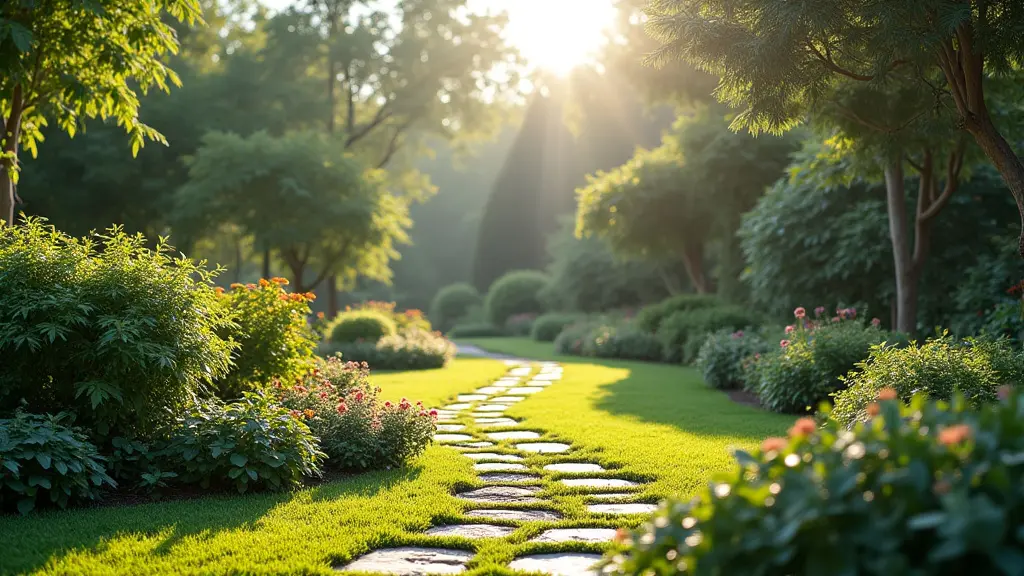
Pathways add structure and direct movement through the garden. Use materials like paving stones, gravel, or stepping stones to create paths that lead to different zones or points of interest. Make sure your paths are wide enough for comfortable walking. Consider incorporating curves in your pathways to create a more relaxed and interesting garden design.
Hardscaping elements include paths, patios, walls, and other non-plant features. These elements add structure and style to your garden. Select materials that match your home’s aesthetic. A brick patio can offer a classic look, while wooden decking adds warmth. Think about how these elements add interest and make your outdoor space enjoyable.
Choosing Plants for Aesthetics and Functionality
The plants you choose can greatly impact your garden’s aesthetic. Consider the colors, textures, and forms of your plants to create a garden that is visually attractive. Using plants for privacy, shade, and windbreaks is also important. Think of plants not just as pretty things, but as functional features.
- Color Schemes: Bringing color into your garden.
- Textural Variety: Adding depth and interest.
- Using Plants for Privacy: Designing boundaries.
- Incorporating Shade and Windbreaks: Protecting your plants.
Use color to create different moods and highlight specific features. A monochromatic color scheme, such as using various shades of purple, can create a soothing effect. Bright and contrasting colors create a vibrant look. Think about how colors change with the seasons and plan accordingly. Coordinate color schemes with your home’s exterior and surrounding landscapes.
Combine plants with different leaf textures to add depth and interest. Combine large-leaved plants, like hostas, with fine-textured plants, like ferns. This contrast creates a dynamic and appealing look. This approach can make your garden more visually interesting. Also, consider the feel of different textures, such as the soft feel of grasses or the rough feel of certain barks.
Use plants to create privacy and define your garden boundaries. Plant hedges, such as the Lilly Pilly, or use tall grasses to screen off unwanted views. This creates a sense of seclusion and makes your outdoor space more relaxing. Choose plants that have a dense growth habit to ensure effective privacy. Consider the size and maintenance needs of plants when selecting them.
Use trees and shrubs to provide shade and protection from the wind. This improves the microclimate in your garden. Shade trees help reduce the heat and create comfortable spaces during summer. Windbreaks protect plants from damage and reduce water loss. Think about the direction of the prevailing wind and sun. This helps choose the best plants for shade and protection.
Incorporating Outdoor Features
Adding outdoor features such as water elements and seating can increase enjoyment of your outdoor space. Think about how these features will blend with your garden design. Features can add relaxation and increase the functionality of your garden.
- Water Features: Adding tranquility and beauty.
- Seating Areas: Creating inviting spaces.
- Outdoor Lighting: Extending the garden’s use.
- Outdoor Cooking and Dining: Entertaining in the garden.
Adding water features, like ponds, fountains, or bird baths, introduces tranquility and attracts wildlife. Water features can create a focal point in your garden. They add a soothing sound of running water. Consider the scale of your water feature in relation to your garden’s size. Make sure you have proper irrigation and electrical access. Water features add beauty.
Design seating areas to enjoy your garden. Choose seating that’s comfortable and matches your style. Incorporate benches, chairs, or outdoor sofas. Place seating areas where you can best enjoy the view. Provide shade with an umbrella or a pergola to create a comfortable space. Add cushions and blankets for extra comfort.
Outdoor lighting extends the usability of your garden into the evening. Use a combination of ambient, task, and accent lighting. Install path lights, spotlights, and string lights to highlight features or create mood. Energy-efficient LED lighting is an excellent option. Consider solar-powered lights for ease of installation. Good lighting improves security.
Set up an outdoor cooking and dining area if you love entertaining. Install a barbecue, outdoor kitchen, and dining set. Choose durable, weather-resistant materials for outdoor furniture and appliances. Ensure you have proper power and water access. Create an inviting space that encourages outdoor dining and entertainment with family and friends.
Common Myths Debunked
Myth 1: You need a green thumb to have a beautiful garden.
In reality, with the right knowledge and some effort, anyone can create a beautiful garden. Research the right plants for your area, learn about soil preparation, and follow basic care instructions. There are plenty of online resources, local gardening groups, and plant nurseries that can provide help. Don’t be afraid to experiment, and learn from mistakes.
Myth 2: Native plants are always the best choice for all gardens.
While native plants are great because they are already adapted, they aren’t always the best choice for every situation. Exotic plants, like roses, can still be a good choice if they suit your climate. It is important to consider the overall aesthetic and needs. Combining native and exotic species provides biodiversity and visual appeal.
Myth 3: Overwatering is always better than underwatering.
Too much water can cause root rot and fungal diseases. It’s usually better to let the soil dry out a bit between watering. Monitor the soil moisture and water only when needed. Deep, infrequent watering encourages healthy root growth, which makes the plants more resistant to stress.
Myth 4: Fertilizers are always necessary for healthy plants.
Fertilizers add nutrients that help plants grow, but they aren’t always necessary, especially if the soil is already rich in nutrients. Regularly test your soil to identify any deficiencies. Use fertilizers based on the specific needs of your plants. Over-fertilizing can harm plants and the environment. Consider using organic options.
Myth 5: Pests and diseases are impossible to control without harsh chemicals.
You can manage pests and diseases with several methods. Natural pest control methods include introducing beneficial insects and using organic sprays. Disease prevention involves good air circulation and removing infected plant parts. Integrated pest management (IPM) offers a balanced approach, using the least harmful methods first.
Frequently Asked Questions
Question: What’s the best time to plant in Australia?
Answer: It depends on your climate zone. Generally, spring and autumn are the best times. This is when the weather is mild, and plants can establish their roots before extremes of summer heat or winter cold.
Question: How often should I water my lawn?
Answer: Water deeply, but infrequently. Water every 1-3 days during dry periods. Observe your lawn for signs of stress, such as wilting or dry patches, to adjust your watering schedule.
Question: How can I improve my soil quality?
Answer: Add compost, aged manure, or vermicast to improve soil structure and fertility. These amendments increase water retention and add nutrients. Regularly test your soil to identify any deficiencies, and adjust accordingly.
Question: What are some low-maintenance plants for my garden?
Answer: Native plants are often low-maintenance because they are adapted to the environment. Succulents, drought-tolerant plants, and certain herbs are good options. These plants need less water and are usually more resistant to pests and diseases.
Question: How do I deal with common garden pests?
Answer: Regularly inspect your plants for pests. Use natural pest control methods, such as introducing beneficial insects and using organic sprays. You can also use traps. If you have a severe infestation, consider consulting with a local gardening expert.
Final Thoughts
Creating a beautiful lawn and garden Australia is a rewarding experience. It starts with selecting the right plants. Then, it involves proper soil preparation and knowing how to water correctly. Be sure to address any pests or diseases promptly. Use your knowledge to plan your space to achieve the best results. Take into account your climate and the local environment. Do not be afraid to adapt and learn new things. By implementing these practices, you can create a thriving and beautiful outdoor space that you will enjoy for years. Enjoy your lawn and garden Australia.
Leave a Reply