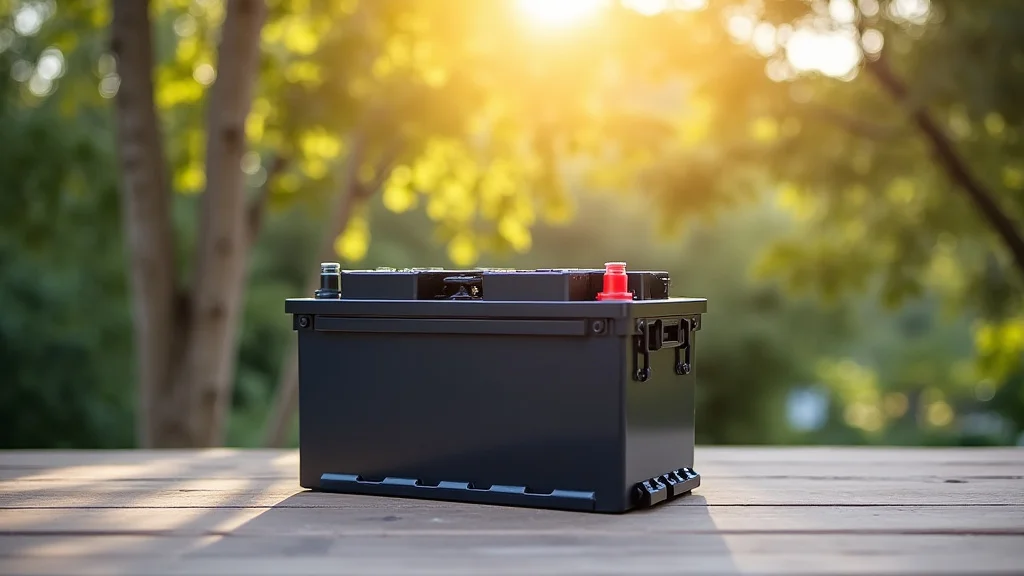
Picture this: It’s Saturday morning, and you’re ready to tackle the lawn. You grab your trusty riding mower, turn the key, and. nothing. The battery’s dead. Sound familiar? Frustrating, right? This post is all about the unsung hero of your outdoor power tools – the 12 v lawn and garden battery. We’ll explore how these batteries work, the different types available, and how to keep yours running strong. By the time you’re done reading, you’ll be able to choose the right battery for your needs, keep it charged, and diagnose common issues, ultimately saving you time and money. Get ready to power through your yard work with confidence!
Key Takeaways
- Learn about the different types of 12 v lawn and garden batteries and their uses.
- Discover how these batteries work and the importance of voltage and amp-hours.
- Understand how to properly charge and maintain your battery for optimal performance.
- Identify common problems and learn how to troubleshoot your battery.
- Explore safety measures to follow when handling and maintaining batteries.
- Get tips on extending the life of your 12 v lawn and garden battery.
The Basics of a 12 V Lawn and Garden Battery
The 12 v lawn and garden battery is the heart of many outdoor power tools, from lawnmowers and tractors to garden sprayers and portable lighting. It provides the initial burst of power needed to start engines and operate various electrical components. Understanding the core principles of these batteries is important for proper use, maintenance, and longevity. The term “12V” indicates the nominal voltage of the battery, representing the electrical potential difference that drives the flow of current. The battery’s capacity, typically measured in amp-hours (Ah), tells us how much current it can deliver over a certain time before needing to be recharged. Choosing the right battery involves considering these specifications along with the power needs of your specific equipment.
What is a 12 V Battery?
A 12-volt battery is a rechargeable battery that provides a 12-volt electrical supply. These batteries are common in vehicles and various electrical devices. They are designed to store and release electrical energy through chemical reactions. They typically consist of six cells, each generating approximately 2 volts. The voltage rating is essential as it dictates the electrical energy available. The battery’s capacity determines how long it can power a device before requiring a recharge. Regular maintenance of a 12-volt battery improves its longevity and performance.
- Construction: 12 V batteries are commonly lead-acid batteries consisting of lead plates immersed in sulfuric acid electrolyte.
- Operation: They function through electrochemical reactions, converting chemical energy into electrical energy.
- Components: Key components include lead plates, electrolyte, separators, and terminals for connecting to devices.
- Applications: Used in cars, lawn equipment, and other equipment to power starting systems, lights, and accessories.
Voltage and Amp-Hours: Key Specifications
Understanding voltage and amp-hours is critical when choosing and using a 12 v lawn and garden battery. Voltage (V) signifies the electrical potential or “pressure” that drives the current, which is measured in amps (A). Amp-hours (Ah) measure the battery’s capacity to deliver a specific current over time. A higher Ah rating means the battery can provide power for a longer duration. Matching the voltage and Ah requirements of your equipment ensures efficient operation and prevents damage. For example, a battery rated at 12V and 50Ah can supply a continuous current of 5 amps for 10 hours. This information is usually printed directly on the battery.
- Voltage (V): Specifies the electrical potential difference of a battery, usually 12 volts for lawn and garden applications.
- Amp-Hours (Ah): Indicates the capacity of the battery, showing how much current it can deliver for a certain time.
- Importance: Matching voltage ensures compatibility, while the Ah rating determines the operational duration between charges.
- Example: A 12V 100Ah battery can theoretically supply 5 amps for 20 hours or 10 amps for 10 hours.
Different Types of 12 V Lawn and Garden Batteries
Several types of 12 v lawn and garden batteries are available, each with unique characteristics and suitable for various applications. The most common type is the flooded lead-acid battery, which is affordable and widely used. AGM (Absorbent Glass Mat) batteries are also popular, as they are sealed, spill-proof, and offer better performance in terms of vibration resistance and charging rates. Gel batteries, a less common variant, use a gelled electrolyte, which is good for resistance to extreme conditions. Understanding the differences among these battery types helps in selecting the ideal battery based on your specific needs, operating conditions, and budget.
- Flooded Lead-Acid: Traditional, inexpensive, and widely available, requiring regular maintenance.
- AGM (Absorbent Glass Mat): Sealed, spill-proof, resistant to vibration, and suited for high-performance applications.
- Gel Batteries: Use gelled electrolyte for better resistance to extreme temperatures and vibration.
- Lithium-Ion: Offering long lifespan, lightweight, high power output, and fast charging.
Maintaining Your 12 V Lawn and Garden Battery
Regular maintenance is essential to ensure your 12 v lawn and garden battery functions correctly and has a long lifespan. Regular checks help to detect potential issues early on, preventing unexpected failures when you need them most. Correct charging practices are also critical. Overcharging and undercharging can both damage a battery. Storing your battery properly when not in use is another key element of maintaining its condition. These practices will not only improve your battery’s reliability but also maximize its lifespan. It is also good to check the terminals regularly for any signs of corrosion and clean them if needed.
Charging Your Battery Correctly
Charging your 12 v lawn and garden battery correctly extends its life and ensures it performs effectively. Using the correct type of charger is the first step. For lead-acid batteries, a charger with a “trickle” or “smart” charging function is ideal. These chargers automatically adjust the charging rate to prevent overcharging. Always follow the charger’s instructions. Overcharging damages the battery, while undercharging can cause sulfation, reducing its capacity. Keeping a charging schedule is important, especially during periods of disuse, to prevent the battery from discharging too far. Always ensure you are in a well-ventilated area when charging.
- Charger Type: Use a charger designed for your battery type (e.g., lead-acid, AGM, gel).
- Charging Process: Connect the charger to the battery terminals, following the manufacturer’s instructions.
- Charging Time: Avoid overcharging; disconnect the charger when the battery is fully charged.
- Safety: Charge batteries in a well-ventilated area to prevent the buildup of explosive gases.
Cleaning and Inspection
Routine cleaning and inspection of your 12 v lawn and garden battery contribute to its performance and lifespan. Regularly inspect the battery terminals for corrosion, which can obstruct the flow of electricity. Clean terminals with a mixture of baking soda and water or a commercial battery cleaner. Check the battery casing for any cracks or damage, which might lead to leaks. Also, observe the electrolyte level if you have a flooded lead-acid battery, and top it up with distilled water if needed. A clean and well-maintained battery delivers efficient performance and prevents unexpected failures.
- Corrosion: Check for and remove corrosion on terminals using a wire brush or baking soda solution.
- Casing: Inspect the battery case for cracks or bulges that could indicate damage.
- Electrolyte Level: For flooded batteries, check and maintain the proper electrolyte level.
- Connections: Ensure all connections are secure and free of debris for good electrical contact.
Storage Practices
Proper storage is crucial for maintaining the health of your 12 v lawn and garden battery. If you won’t use the battery for an extended period, store it in a cool, dry place. Avoid storing it in extremely hot or cold environments, as these can affect battery performance and lifespan. Ensure the battery is fully charged before storage. Regularly check the battery’s voltage during storage and recharge it if it drops below a certain level. This will prevent sulfation. Storing a battery correctly will help to prevent it from deteriorating and ensure it is ready to go when you need it.
- Location: Store batteries in a cool, dry place away from direct sunlight.
- Temperature: Avoid extreme temperatures; a moderate environment is ideal.
- Charging: Fully charge the battery before storage and recharge it periodically.
- Protection: Consider using a battery tender or maintainer during storage to prevent discharge.
Troubleshooting Common 12 V Battery Issues
Even with good care, your 12 v lawn and garden battery may encounter issues. Knowing how to identify and address these problems helps you to resolve them quickly and prevent more severe damage. Common issues include a battery that won’t hold a charge, a slow-cranking engine, or visible corrosion. These problems can be resolved with some basic troubleshooting steps. Having a basic understanding of your battery’s operation, along with some common tools, is useful for maintaining your equipment. If the issue is complex or the battery is damaged, it is best to consult a professional or replace the battery.
Battery Won’t Hold a Charge
When a 12 v lawn and garden battery won’t hold a charge, it can disrupt your work. This is commonly caused by sulfation, which forms sulfate crystals on the battery plates, preventing them from accepting a charge. Over time, these crystals can build up and lead to the battery’s reduced capacity. Other potential causes include internal damage, such as short circuits, or simply the battery’s reaching the end of its life. To diagnose the problem, test the battery with a multimeter to measure its voltage and check if it drops rapidly under load. If the battery is old or damaged, replacing it may be the best option.
- Sulfation: Caused by sulfate crystals forming on battery plates due to undercharging or inactivity.
- Testing: Use a multimeter to measure voltage and capacity; a load test is helpful.
- Solution: Attempt desulfation, if possible, or replace the battery if damage is severe.
- Prevention: Prevent sulfation by keeping the battery fully charged and storing it properly.
Slow Cranking Engine
A slow-cranking engine is a common sign of a weak 12 v lawn and garden battery. This could indicate a battery with insufficient power to start the engine. Check the battery’s voltage with a multimeter. Also, examine the battery terminals for corrosion, which can hinder the flow of electricity. Check the battery cables for loose connections or damage. If the battery is old or has experienced significant use, it may need to be replaced. Proper maintenance, like regularly checking the battery, can identify potential problems before they lead to starting issues. Always check all electrical connections before replacing a battery.
- Symptoms: The engine turns over slowly, or the starter struggles to engage.
- Causes: Low battery voltage, corrosion, or damaged starter motor.
- Diagnosis: Test the battery voltage; clean and check connections.
- Solution: Charge or replace the battery if it fails the tests or doesn’t crank the engine.
Corrosion on Terminals
Corrosion on the battery terminals can disrupt the electrical flow, causing starting problems or reduced battery performance. Corrosion is usually a build-up of sulfate crystals and can be identified by a white or green powdery substance. The presence of corrosion decreases the connection between the battery and the vehicle’s electrical system. To address this, clean the terminals using a wire brush or a baking soda and water mixture. This will help to remove the corrosion. After cleaning, apply a protective coating, such as battery terminal protector, to prevent corrosion from returning. Regular cleaning helps your 12 v lawn and garden battery deliver reliable performance.
- Appearance: White or green powdery substance accumulating on terminals.
- Effects: Reduces electrical connection and can cause starting issues.
- Cleaning: Use a wire brush or baking soda solution to remove corrosion.
- Prevention: Apply battery terminal protector to prevent future corrosion.
Safety When Working with 12 V Batteries
Safety is a priority when working with 12 v lawn and garden batteries. Batteries contain sulfuric acid, a corrosive substance that can cause serious burns. They also produce flammable hydrogen gas during charging. Always wear appropriate safety gear, like eye protection and gloves, when handling batteries. Work in a well-ventilated area to avoid inhaling the hydrogen gas. Be cautious of sparks or flames near the battery to prevent explosions. Following these safety measures safeguards your health and prevents accidents.
Protective Gear and Handling
Protective gear is essential when handling 12 v lawn and garden batteries to prevent injury. Always wear safety glasses or a face shield to protect your eyes from splashes of acid. Wear acid-resistant gloves to protect your skin. When working with batteries, ensure you have proper ventilation to avoid inhaling any gases. Handle the batteries with care, and avoid dropping them, which can cause leaks. Keep the batteries upright to minimize the risk of spillage. Proper handling of equipment and clothing can make a huge difference in your personal safety.
- Eye Protection: Wear safety glasses or a face shield to protect against acid splashes.
- Gloves: Use acid-resistant gloves to protect your hands from corrosive substances.
- Ventilation: Work in a well-ventilated area to prevent the buildup of flammable gases.
- Handling: Handle batteries with care and avoid dropping them.
Dealing with Acid Spills and Leaks
Acid spills and leaks from 12 v lawn and garden batteries require immediate and appropriate action to protect both yourself and the environment. If acid comes into contact with your skin or eyes, flush the affected area with plenty of water for at least 15 minutes. Seek medical attention immediately. For spills, neutralize the acid by sprinkling baking soda over it to reduce the acidity. Dispose of the spill with the proper procedures. Always dispose of batteries in a way that’s in accordance with local environmental regulations. Ignoring leaks or spills can lead to hazardous situations.
- First Aid: Flush acid-exposed areas with water for 15 minutes and seek immediate medical help.
- Neutralization: Use baking soda to neutralize acid spills.
- Clean-Up: Clean the spill with an appropriate absorbent material and dispose of it correctly.
- Disposal: Recycle or dispose of batteries properly according to local regulations.
Preventing Explosions
Preventing explosions is critical when working with 12 v lawn and garden batteries. These batteries release flammable hydrogen gas, which can ignite if exposed to a spark or flame. Ensure the charging area is well-ventilated to prevent the accumulation of this gas. Avoid smoking or using any open flames near the battery. Be careful when connecting or disconnecting the battery cables. Always connect the positive (+) cable first and disconnect the negative (-) cable first to reduce the risk of sparking. Following safety practices reduces the risk of accidental explosions and ensures a safe workspace.
- Ventilation: Charge batteries in a well-ventilated area.
- Open Flames: Avoid smoking or using open flames near batteries.
- Connections: Connect positive cables first and disconnect negative cables first.
- Sparks: Avoid generating sparks near the battery terminals.
Extending the Life of Your 12 V Lawn and Garden Battery
Increasing the lifespan of your 12 v lawn and garden battery can save you money and ensure your equipment functions when needed. Several strategies can help you to maximize your battery’s life, from correct charging and storage to regular maintenance. Following the manufacturer’s guidelines, monitoring performance, and addressing issues quickly can dramatically extend the battery’s usability. This commitment to battery maintenance offers benefits, so you don’t need to replace your batteries as frequently. By implementing these practices, you can improve the efficiency and lifespan of your 12-volt batteries.
Regular Maintenance Schedule
Implementing a regular maintenance schedule is essential for extending the life of your 12 v lawn and garden battery. This involves a routine of checks, cleaning, and inspections performed at regular intervals. Check and clean the battery terminals and connections to prevent corrosion. Inspect the battery casing for cracks or damage. Charge the battery regularly, especially during periods of disuse, to prevent sulfation. Create a simple chart, calendar, or digital reminder to help stay on schedule. Regular maintenance helps in early detection of issues, preventing significant failures, and optimizing battery performance.
- Terminals: Inspect and clean terminals monthly to prevent corrosion buildup.
- Casing: Check for cracks or leaks that could compromise the battery’s integrity.
- Charging: Charge your battery every 1-2 months, depending on the usage.
- Monitoring: Regularly monitor the battery’s performance and voltage.
Using the Right Charger and Charging Practices
Using the correct charger and charging practices has a significant impact on your 12 v lawn and garden battery’s lifespan. Always use a charger that’s designed for your specific battery type (e.g., lead-acid, AGM, gel). Avoid overcharging and undercharging. A smart charger, that can automatically adjust the charging rate, is very effective at extending battery life. When charging, charge in a well-ventilated area, and monitor the charging process to ensure it is not taking too long. Improper charging habits can lead to sulfation, damage, and reduced battery life. Charging in the right way keeps your equipment running effectively for a longer period of time.
- Charger Type: Use a charger compatible with your battery type.
- Charging Settings: Follow the manufacturer’s charging instructions.
- Overcharging: Avoid overcharging to prevent battery damage.
- Undercharging: Avoid undercharging to prevent sulfation.
Avoiding Extreme Temperatures
Protecting your 12 v lawn and garden battery from extreme temperatures is crucial for its longevity. Both excessive heat and cold can negatively affect battery performance and lifespan. Avoid storing the battery in areas with extreme temperature fluctuations. During use, try to shield the battery from direct sunlight, which can increase its temperature. If you live in an area with harsh winters, consider bringing the battery indoors when not in use. Following these simple steps will help to ensure your battery maintains its performance and lasts for a longer period, making sure that it’s ready when you need it.
- Storage: Store the battery in a moderate temperature environment.
- Operation: Shield the battery from direct sunlight during use.
- Winter: Protect the battery from freezing temperatures during winter.
- Summer: Avoid exposing batteries to excessive heat during summer.
Common Myths Debunked
Myth 1: You Can Overcharge a Battery and It’ll Be Fine
Many believe that overcharging a 12 v lawn and garden battery is harmless. In reality, overcharging damages the battery. It causes the electrolyte to break down, resulting in corrosion on the plates and a shortened lifespan. The excess heat generated during overcharging can also cause the battery to fail. Using a smart charger, which stops charging when the battery is full, or unplugging a traditional charger when the battery is charged, is vital to protect the battery and prevent damage.
Myth 2: All Batteries Are the Same
Some people think all 12 v lawn and garden batteries are created equal. However, this is untrue. There are distinct types, like lead-acid, AGM, and gel, each with different features and suited to certain tasks. AGM and gel batteries are sealed, maintenance-free, and resistant to vibrations, which can make them great for tougher situations. Lead-acid batteries are often more affordable but need more maintenance. Choosing the right type for the equipment and how it will be used will make a difference.
Myth 3: You Can Leave a Battery on a Charger Forever
Some think it’s okay to leave a 12 v lawn and garden battery on a charger indefinitely. This isn’t accurate. Leaving a battery on a traditional charger for an extended period can lead to overcharging and damage. Modern “smart” chargers are safe for long-term use, as they stop charging when the battery is full and then switch to a maintenance mode. Without a smart charger, leaving a battery on charge continuously risks harming it. This can lead to a shorter lifespan and reduced performance, so it’s best to use a smart charger or disconnect the battery when it’s fully charged.
Myth 4: Batteries Should Be Completely Discharged Before Recharging
A common misconception is that you should completely drain a 12 v lawn and garden battery before recharging it. In the case of lead-acid batteries, this is generally incorrect. Deeply discharging these batteries can cause sulfation, leading to reduced capacity and a shorter life. It’s often better to recharge lead-acid batteries when they’re partially discharged. While it’s acceptable to completely drain other battery types, like lithium-ion, following the manufacturer’s instructions for the specific battery type helps to maximize the battery’s lifespan and performance.
Myth 5: All Battery Problems Are Immediately Obvious
It is not always simple to spot issues with a 12 v lawn and garden battery. While some problems, like corrosion on the terminals, are easy to see, others, such as internal damage or sulfation, are not always immediately evident. Regular maintenance, including voltage testing and visual checks, helps to detect problems before they worsen. Signs of reduced performance, such as slow cranking, might indicate an emerging problem. Catching these early will help prevent unexpected failures and extend the battery’s life, helping to keep your equipment in good operating condition.
Frequently Asked Questions
Question: How often should I check the water level in my flooded lead-acid battery?
Answer: Check the water level every one to three months, or more often if the battery is used frequently or in hot conditions.
Question: Can I use a car battery charger on my lawnmower battery?
Answer: Yes, but make sure the charger is compatible with the battery type and that you use the correct charging settings to avoid overcharging.
Question: How long should a 12 V lawn and garden battery last?
Answer: With proper care and maintenance, a 12 V lawn and garden battery can last from 3 to 5 years, or even longer, depending on the type and usage.
Question: What should I do if my battery terminals are corroded?
Answer: Clean the terminals with a wire brush or a solution of baking soda and water, then apply a terminal protector to prevent future corrosion.
Question: Is it safe to jump-start a lawnmower battery from a car?
Answer: Yes, it is safe, but be careful to connect the jumper cables correctly (positive to positive, negative to negative) and do not overcharge the lawnmower battery.
Final Thoughts
The 12 v lawn and garden battery plays a vital role in keeping your outdoor equipment running smoothly. By taking the time to understand the different battery types, how they work, and the proper maintenance procedures, you’re on the path to extending the life of your equipment. Properly charging, cleaning, and storing your battery will pay off with reliable performance and minimize the need for frequent





Leave a Reply