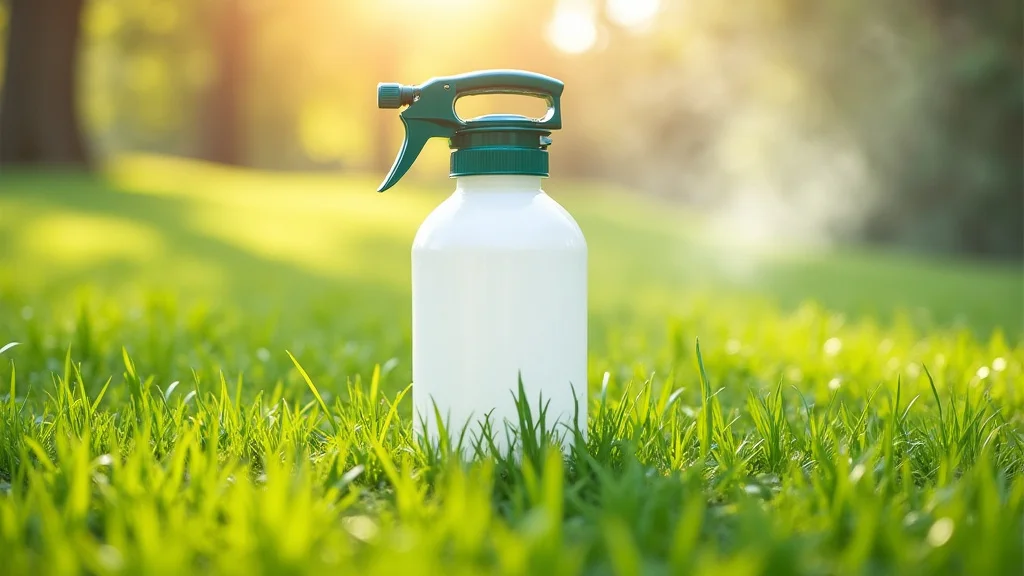
Remember that time your rose bushes were getting eaten alive, and you were stuck with a clunky watering can? Or maybe you needed to apply some fertilizer evenly across your lawn but ended up with patchy results? We’ve all been there! Using the right tool can make all the difference, and a 1 gal sprayer pump lawn and garden sprayer is a game-changer for plant care. This post will explore everything you need to know about these handy devices, from choosing the right one to using it effectively. You’ll gain valuable knowledge that saves time and boosts the health and beauty of your plants. This is a complete guide to using the 1 gal sprayer pump lawn and garden sprayer, ensuring you become a plant-care pro.
Key Takeaways
- A 1-gallon sprayer is a versatile tool for various lawn and garden tasks.
- Understanding the different types of sprayers helps you choose the perfect one.
- Proper maintenance is key to extending the life of your sprayer.
- You’ll learn about important safety precautions when handling chemicals.
- Effective spraying techniques ensure optimal coverage and plant health.
- Learn troubleshooting common issues to maintain peak performance.
Getting Started With Your 1 Gal Sprayer
The 1 gal sprayer pump lawn and garden sprayer is a fundamental piece of equipment for any homeowner or gardening enthusiast. It provides a convenient and controlled way to apply liquids like pesticides, herbicides, fertilizers, and even water to your plants. Unlike a watering can or a hose-end sprayer, a pump sprayer allows you to apply liquids evenly, reducing waste and maximizing effectiveness. It is a handheld device, typically with a tank capacity of one gallon, which makes it ideal for smaller gardens, patios, and yards. The pump mechanism pressurizes the tank, forcing the liquid through a nozzle, resulting in a fine mist or a targeted spray, depending on the nozzle type.
Types of Sprayers and Their Applications
There are several types of 1-gallon sprayers available, each with its own features and uses. Selecting the correct type for your needs can greatly improve your gardening experience. Each is designed for a specific task and material. The sprayer’s nozzle and pumping mechanism vary between the types.
- Standard Pump Sprayers: These are the most common type, featuring a manually operated pump. You pressurize the tank by pumping the handle, and then spray the liquid by pressing a trigger on the wand.
- Pressure Sprayers: Pressure sprayers often feature an adjustable nozzle that provides a focused spray for more specific applications.
- Battery-Powered Sprayers: Battery-powered sprayers have an electric pump that eliminates the need for manual pumping. They offer convenience, especially for larger areas.
- Adjustable Nozzles: The type of nozzle a sprayer has determines the spray pattern and coverage. This also makes it possible to adjust the spray to fine mist, cone, or jet stream.
Standard pump sprayers are your basic, all-purpose tools. They’re great for general tasks, such as applying insecticides, fungicides, and liquid fertilizers. They’re usually made of plastic and are cost-effective, making them an excellent choice for beginners and those with smaller gardens. Their ease of use makes them a popular selection.
Pressure sprayers are helpful for spot treatments. The key benefit is control. They offer precise targeting, ideal for dealing with weeds or pests without affecting surrounding plants. They are perfect for applying herbicides to specific weeds, keeping the rest of your garden safe.
Battery-powered models are ideal for those who want to avoid the physical strain of manual pumping or who have extensive gardens. They can spray consistently and require less effort. One push of a button can cover large areas. However, these sprayers often cost more than manual models and require regular charging.
Adjustable nozzles let you vary the spray pattern to suit your needs. You may switch between a fine mist for delicate foliage and a jet stream for targeted applications. This adaptability makes sprayers very versatile for multiple uses, so you may use the same device for various garden tasks.
Key Components of a 1-Gallon Sprayer Pump
Knowing the parts of your 1 gal sprayer pump lawn and garden sprayer helps you understand how it works and how to maintain it. Each component is essential for the sprayer’s proper function.
- Tank: The tank is the container that holds the liquid solution. It is usually made of durable plastic to resist chemicals.
- Pump: The pump is the heart of the sprayer, which builds pressure in the tank. This pump is usually a manual piston pump in 1-gallon sprayers.
- Wand: The wand extends from the tank and connects to the nozzle. It is the part that you hold and direct the spray.
- Nozzle: The nozzle is at the end of the wand and determines the spray pattern. Nozzles come in different shapes and sizes for different applications.
- Handle/Trigger: The handle or trigger is what you use to control the flow of liquid. It’s connected to the wand and nozzle.
The tank’s construction is important. It needs to resist chemicals and endure pressure. Capacity is usually about one gallon, which is suitable for many small to medium-sized tasks. The tank also has markings to show the fluid levels. Always keep it clean to stop cross-contamination of products.
The pump is how you create pressure for spraying. For a manual sprayer, you move the handle to pressurize the tank. This forces the liquid out through the nozzle. Regular maintenance ensures the pump functions correctly. Inspect the pump for leaks or wear.
The wand’s length and design vary. Some are adjustable. Its key function is reaching plants at different distances and angles. The wand is usually made of plastic or metal. Examine for any clogs or damage that affects spray patterns.
The nozzle’s design is key to how the liquid is applied. Different nozzles produce different spray patterns like fine mist, cone, or jet stream. Changing the nozzle lets you handle various garden tasks. Cleaning the nozzle regularly ensures an even spray and stops any blockages.
The handle and trigger give you control over the spray. Some sprayers have a lock function to allow constant spraying. This is useful for large areas. Make sure the trigger is easy to use and doesn’t leak.
How to Use Your 1 Gal Sprayer Safely
Working safely is paramount when using a 1 gal sprayer pump lawn and garden sprayer. Many liquids include chemicals that are harmful. Follow these safety precautions when using your sprayer.
- Protective Gear: Wear protective gear like gloves, safety glasses, and a mask to protect your skin, eyes, and lungs.
- Chemical Handling: Always read and follow the instructions on the chemical label. Mix chemicals outdoors in a well-ventilated area.
- Environmental Precautions: Avoid spraying on windy days to prevent drift. Do not spray near water sources to prevent contamination.
- Storage and Disposal: Store your sprayer in a secure place away from children and pets. Properly dispose of unused chemicals and rinse water.
- Avoid Cross-Contamination: Never use the same sprayer for different chemicals unless it has been thoroughly cleaned. Always wash hands after use.
Protective clothing is your shield against harmful chemicals. Gloves stop skin contact, and safety glasses protect your eyes from splashes. A mask protects your lungs from breathing in aerosols. Be sure all gear fits properly, and always inspect before use for any damage or wear.
The chemical label is your guide. It tells you the correct mixing ratios and safety instructions. Always use the proper protective gear to prevent skin and lung irritation. Make sure you know what to do if you encounter any chemical exposure.
Environmental care is crucial. Spray when the wind is calm to make sure chemicals reach the target. Avoid getting chemicals into water sources like ponds and streams. It may be helpful to spray early in the morning or late in the afternoon.
Safety continues after use. Store the sprayer in a locked shed or garage. Properly dispose of any leftover chemicals according to local guidelines. Before storing, rinse out the sprayer with clean water and dispose of the rinse water safely.
Cross-contamination ruins the efficiency of chemicals. Thoroughly clean your sprayer after each use. Wash your hands thoroughly after handling the sprayer. This keeps you safe and protects the health of your garden.
The National Gardening Association has stated that safe handling practices are crucial for the well-being of both the gardener and the environment. This helps you protect yourself, your plants, and the environment. Take the time to understand the safety recommendations.
Effective Spraying Techniques
Using the right techniques makes a big difference in how well your sprayer works. Applying pesticides, herbicides, or fertilizers correctly ensures optimal coverage and efficiency. Here are some key tips for effective spraying with your 1 gal sprayer pump lawn and garden sprayer.
- Preparation: Before spraying, clear the area of any obstacles and protect surrounding plants.
- Mixing Solutions: Always mix chemicals according to the product’s instructions. Use the correct ratio of concentrate to water.
- Spraying Patterns: Overlap each pass to ensure even coverage. Spray in a sweeping motion, covering all surfaces of the plants.
- Spray Timing: Spray when the weather is calm and the temperature is moderate. Avoid spraying when it is windy or when rain is expected.
- Nozzle Selection: Choose the right nozzle for the job. Use a fine mist for delicate foliage and a jet stream for targeted applications.
Prepare the area by removing anything that could get in the way. Cover plants you don’t want to spray. Consider the wind and what is around the area.
Accurate mixing is important. The right ratio ensures the chemical works. Use measuring tools to be exact, and mix in a safe place.
Even coverage gives the best results. Overlapping ensures all parts get treated. The sweeping motion makes for even application and avoids unevenness.
Weather impacts effectiveness. Spray when the wind is low to reduce drift. Avoid rain, as it will wash the chemicals away. Morning or late afternoon is often best.
The correct nozzle is key. A mist nozzle is helpful for broad coverage and fine plants. Use a jet nozzle for targeted applications, like weeds.
Spraying Techniques for Different Applications
The correct method depends on what you’re spraying. Different applications need different methods, so you can achieve the best results. Whether you’re treating weeds, pests, or diseases, applying the right technique will improve your efficiency.
- Weed Control: When applying herbicides, target the weeds directly. Avoid overspraying desirable plants.
- Pest Control: For insect control, make sure you cover all plant surfaces, including the undersides of leaves.
- Fungicide Application: Apply fungicides preventatively and evenly to cover the entire plant.
- Fertilizer Application: Spray liquid fertilizers evenly over the foliage or soil. Follow the product’s directions.
For weed control, you have to be precise. Aim the spray directly at the weeds, taking care not to let it drift onto other plants. Use a jet stream nozzle for greater control, and be careful to avoid touching the plants around the weeds.
With pest control, it is essential to get complete coverage. Spray both the top and underside of the leaves. Pests hide under leaves. A fine mist nozzle is a helpful solution for ensuring total coverage.
Use fungicides ahead of time to prevent diseases. Make sure the entire plant is covered. It’s often helpful to repeat the treatment, especially after rain.
With fertilizers, spray the product evenly. Follow the directions, including the amount and how often to apply it. The nozzle choice will depend on the type of fertilizer and the plants being treated.
The University of Florida IFAS Extension highlights that proper technique significantly impacts the efficacy of treatments. Using the right techniques ensures that you are treating the correct targets, whether they are pests or specific weeds. When you improve the method of application, you’re improving the efficiency of the chemicals you’re using.
Maintaining Your 1 Gal Sprayer Pump
Proper care is essential for your 1 gal sprayer pump lawn and garden sprayer to function effectively and last long. Regular maintenance ensures peak performance and helps prevent problems. With some basic steps, you can keep your sprayer ready for any gardening job.
- Cleaning After Use: After each use, empty the tank and rinse it thoroughly with clean water.
- Nozzle Care: Clean the nozzle regularly to remove any clogs or debris. Soak it in warm soapy water if needed.
- Pump Maintenance: Lubricate the pump as needed, according to the manufacturer’s instructions. Check the pump for leaks or wear.
- Storage: Store your sprayer in a cool, dry place away from direct sunlight. Do not leave chemicals in the tank for extended periods.
- Regular Inspection: Inspect all components for damage or wear. Replace worn parts as needed.
Cleaning is essential after each use. Empty the tank and rinse it multiple times with clean water. Rinse the nozzle and wand to get rid of any residue. This stops chemicals from building up and keeps your sprayer from being contaminated.
Keep the nozzle clean for a consistent spray pattern. Rinse the nozzle after each use. If it clogs, soak it in warm, soapy water. Use a small brush or needle to remove any debris gently. Clean nozzles are key to even application.
Keep the pump in good shape. Lubricate it regularly. Check for leaks or wear and tear, and address any problems immediately. If the pump is well-maintained, your sprayer will always function correctly.
Store your sprayer properly. Protect it from the sun and extreme temperatures. Empty the tank after each use. This helps prevent damage and makes sure the sprayer is ready for use.
Examine your sprayer regularly to extend its life. Check for cracks, leaks, and damage. Replace parts as required to keep it working well. Regular inspections will prevent problems before they start.
According to the Ohio State University Extension, consistent maintenance significantly extends the lifespan of your sprayer. This maintenance will save you from having to purchase a new sprayer frequently. It also ensures consistent performance and effective application of solutions.
Common Issues and Troubleshooting
Even with good care, you may encounter problems with your 1 gal sprayer pump lawn and garden sprayer. Recognizing and fixing these issues quickly can get you back to work with minimal delay. Here are some problems and how to solve them.
- Clogged Nozzle: The most common issue is a clogged nozzle.
- Pump Failure: If the pump does not build pressure, there may be a leak or other issue.
- Leaks: Leaks can occur at various points.
- Uneven Spray Pattern: An uneven spray pattern can be caused by a dirty nozzle or a problem with the pump.
- Low Pressure: The sprayer may not build enough pressure to create a strong spray.
A blocked nozzle can stop spraying. This can be caused by residue or debris. To fix this, remove the nozzle and clean it. You may soak it in soapy water or use a small brush or needle to remove any blockage.
If your pump will not build pressure, there may be a leak or damage. Check the pump for damage or any signs of leakage. Make sure the seals are in place and working. Lubricate the pump or replace damaged parts as needed.
Leaks can happen in the tank, at the connections, or at the wand. Examine the sprayer for any leaks. Check the connections and tighten as needed. Replace any worn or damaged parts, such as seals and gaskets.
An uneven spray pattern is a sign of a problem. Clean or replace the nozzle. Make sure that the pump is producing the right pressure. Examine the wand for obstructions.
Low pressure is a frustrating issue that might be caused by pump issues or leaks. Check the pump for any leaks or damage, and make sure that the tank seal is secure. If the pump is not functioning correctly, it might have to be replaced.
The University of Minnesota Extension emphasizes that many common problems are easily fixed with a little troubleshooting. This information will help you fix problems and get your sprayer working again quickly. Make sure you use the advice of manufacturers to maintain your equipment.
Common Myths Debunked
There are some false ideas about sprayers. Knowing the truth helps you use your 1 gal sprayer pump lawn and garden sprayer safely and correctly. Knowing what is real and what is not can improve your gardening practices and keep your plants healthy.
Myth 1: Any Sprayer Is Good Enough
Reality: Not all sprayers are created equal. Different types of sprayers are for different jobs. Selecting the right sprayer for your needs, like the 1 gal sprayer pump, makes your tasks easier and more effective. Consider the volume of your garden, the kind of chemicals used, and your personal preferences when choosing a sprayer.
Myth 2: More Pressure Always Means Better Coverage
Reality: While pressure is important, more pressure isn’t always better. The correct pressure, along with the right nozzle and method, is essential for optimal coverage. Too much pressure can cause drift and waste chemicals. The right pressure ensures your plants get covered properly, without harming the environment.
Myth 3: Cleaning Isn’t Really Necessary
Reality: Cleaning your sprayer after each use is vital. Neglecting to clean it can lead to clogs, contamination of chemicals, and damage to the sprayer. Cleaning eliminates buildup and guarantees that the sprayer works right every time. Cleaning helps to extend the sprayer’s life and protects the health of your plants.
Myth 4: You Can Use Any Chemical in Any Sprayer
Reality: Not all chemicals are compatible with all sprayers. Some chemicals can damage certain plastics or materials. Always make sure the sprayer you are using is suitable for the chemicals you are applying. Always look over the product label and the sprayer’s directions for safety and compatibility.
Myth 5: It’s Okay to Spray on a Windy Day
Reality: Spraying on a windy day leads to drift, where the chemicals can move far from the intended target. This not only wastes chemicals but can also harm surrounding plants, beneficial insects, and even human health. Always spray on calm days to ensure your treatment goes exactly where you want it to.
Frequently Asked Questions
Question: How often should I clean my 1 gal sprayer?
Answer: Always clean your sprayer after each use to prevent clogs and extend its life. Thorough cleaning ensures that the next application is effective and eliminates any chance of chemical contamination.
Question: Can I use different chemicals in the same sprayer?
Answer: It is possible to use different chemicals, but thoroughly clean the sprayer between uses. This cleans out any residue and avoids cross-contamination. Always follow label directions when applying any chemical.
Question: How do I choose the correct nozzle for my application?
Answer: The choice of nozzle depends on your application. For broad coverage, use a fan nozzle; for targeted applications, like weeds, use a cone or jet nozzle. Consider the type of plants and the chemicals you are using.
Question: What’s the best way to store my sprayer when not in use?
Answer: Store your sprayer in a cool, dry place out of direct sunlight. Make sure the tank is empty and clean. This extends the life of your sprayer and ensures it’s ready for the next use.
Question: How do I fix a clogged nozzle?
Answer: You can fix a clogged nozzle by removing and rinsing it under warm water. If the clog is severe, soak the nozzle in warm, soapy water. Use a soft brush or needle to remove any stubborn debris.
Final Thoughts
Your 1 gal sprayer pump lawn and garden sprayer is a useful tool for anyone who cares about gardening and lawn care. Proper care of this piece of equipment is key to ensuring its long life and effectiveness. By selecting the correct type of sprayer, taking precautions, and using the right techniques, you can make sure your lawn and garden gets the care it deserves. Remember to follow the advice about maintenance and troubleshooting. This keeps your sprayer running well and will help your plants to thrive. So go ahead, start using your sprayer, and witness your yard and garden reach its full potential. Happy gardening!



Leave a Reply