Remember that time you tried to grow tomatoes in a pot, and they ended up looking more like sad, green sticks than a bounty of deliciousness? We’ve all been there! Building a beautiful outdoor space can seem tricky at first, but with the right lawn and garden ideas, it’s totally achievable. This post is packed with inspiration and practical advice, from simple flowerbeds to lush lawns. You’ll learn how to transform your outdoor space into a relaxing retreat and increase your property value. We’ll explore the basics of landscaping, plant choices, and maintenance, equipping you with the knowledge to make your lawn and garden dreams a reality.
Key Takeaways
- Learn how to design your outdoor space effectively.
- Discover a variety of plants suited for different climates and preferences.
- Understand the basics of soil preparation and maintenance.
- Gain insight into sustainable gardening practices.
- Explore creative ideas for outdoor features like patios and pathways.
- Find ways to improve your property and increase the appeal of your house.
Planning Your Outdoor Area
Before you even think about planting a single seed, take some time to plan. Think about how you want to use your outdoor space. Will it be a place for relaxing, entertaining, or playing? Knowing the intended use will influence everything from the types of plants you choose to the layout of paths and seating areas. Consider the amount of sunlight your yard receives and the existing soil conditions. These factors are important. A sunny area will be perfect for a vegetable patch, while a shady spot could be ideal for ferns and other shade-loving plants. Also, take note of the existing features of your yard, such as trees, fences, and the general shape of the land. These elements can be integrated into your design to create a more cohesive and visually interesting space. Careful planning at the beginning ensures that you’re prepared for the rest.
Assessing Your Space
The first step is a thorough assessment of your outdoor space. Walk around your property, paying close attention to the amount of sunlight each area receives throughout the day. Areas with at least six hours of direct sunlight are generally suitable for growing vegetables and flowering plants. Note any areas that are consistently shady, as these will be better suited for shade-tolerant plants. Pay attention to the soil. Is it sandy, clay-like, or somewhere in between? You can determine this by digging a small hole and feeling the texture. Sandy soil drains quickly, while clay soil retains water. The ideal soil drains well but also retains moisture and nutrients. Also, consider the wind patterns in your yard. Areas that are frequently exposed to strong winds might require windbreaks, such as trees or fences, to protect delicate plants. Assess the surrounding environment, looking at the existing features, buildings, and nearby properties. All these aspects influence your planning.
- Sunlight: Observe the amount of sunlight each area gets. Note the areas that receive the most sun for plants that require it.
- Soil Type: Dig a small hole to evaluate the soil type, noting how well it drains and whether it needs amendments.
- Wind Patterns: Identify areas exposed to strong winds and plan for windbreaks if necessary.
- Existing Features: Note the current features, such as trees and fences, to integrate them into your design.
- Climate Considerations: Research the local climate and any seasonal weather conditions that may be present.
Understanding these elements will allow you to create a design tailored to your specific situation.
Designing Your Layout
After your assessment, the next step is creating your design. Sketch a basic layout, marking where you want to place different features, such as a patio, pathways, and garden beds. Consider the flow of movement through your space. How will people move from your house to the garden, or from the patio to the lawn? Ensure that paths are wide enough for easy passage and that they connect different areas of your yard. Think about the style you want to achieve. Do you want a formal garden with symmetrical flowerbeds, or a more casual, naturalistic look? Browse online for inspiration. Look at magazines or visit local gardens to gather ideas for plant combinations and design elements that appeal to you. Remember, the goal is to create a space that is both visually appealing and functional, meeting your needs and preferences. Start with a basic outline and make adjustments as you progress.
- Paths and Access: Plan how people move through the space. Ensure that paths are wide enough for comfortable movement.
- Seating Areas: Decide where you would like seating. Consider shade, privacy, and views.
- Garden Beds: Determine the location and size of any flower beds. Consider sunlight and soil conditions.
- Style and Theme: Choose a style. This will guide your plant selections and design elements.
- Scale and Proportion: Ensure that the different parts of your design are proportional to the size of your yard.
Remember that you can always make adjustments as your design evolves.
Selecting the Right Plants
Choosing the right plants is important for creating a thriving and visually appealing garden. Consider factors like your local climate, the amount of sunlight your yard receives, and the type of soil you have. Research plants that are well-suited to your area, paying attention to their water needs, growth habits, and mature sizes. Selecting the right plants from the beginning will minimize maintenance and ensure that your garden flourishes. Consider the overall look you want to achieve, whether it’s a vibrant flower garden, a calming green space, or a practical vegetable patch. Mix and match different plants, textures, and colors to create a visually interesting and harmonious design. Proper plant selection sets the stage for success. Think of the benefits of selecting plants: reduced maintenance, vibrant colors, and long-term beauty.
Choosing Plants for Your Climate
Different plants thrive in different climates. Using the right plants in the right setting is key. Research the hardiness zone for your area, which indicates the average minimum winter temperatures. Then, choose plants that are suited for your specific zone. Some plants are tolerant to cold while others flourish in hot weather. Consider the local rainfall patterns. Some plants require more water than others, so select plants that match your region’s average rainfall or are suitable for the amount of watering you can provide. Look for native plants, as these are often better adapted to the local climate and require less maintenance. Pay attention to the sunlight requirements of each plant and plant accordingly. Planting the correct plants will save you time and money.
- Hardiness Zones: Understand your local hardiness zone. Select plants suitable for the average winter temperatures.
- Water Requirements: Choose plants that align with the climate’s average rainfall or your irrigation plan.
- Native Plants: Prioritize native plants, as they are well-suited to the environment.
- Sunlight Needs: Match plants to the amount of sunlight available in your yard.
- Heat and Cold Tolerance: Consider extreme temperatures and select plants that can withstand them.
Selecting the correct plants for your climate improves the beauty of your garden.
Planting and Care Strategies
Planting your plants is an important step. Dig holes that are the appropriate size for each plant, ensuring the root ball fits comfortably. Space plants according to their mature size, providing enough room for them to grow without overcrowding. Water your plants thoroughly after planting to help them establish their roots. Mulch around your plants with organic material to retain moisture, suppress weeds, and regulate soil temperature. Regular maintenance is necessary to keep your plants healthy and beautiful. Water your plants regularly, especially during dry periods, adjusting the frequency based on the needs of each plant. Fertilize your plants as needed, following the instructions on the fertilizer label. Prune your plants to maintain their shape, remove dead or diseased growth, and encourage new growth. Inspect your plants regularly for pests and diseases, and take action immediately. By following these basic care strategies, you will see a garden flourish.
- Hole Preparation: Dig holes appropriately sized for each plant, allowing for the root ball.
- Spacing: Space plants based on their mature size to prevent overcrowding.
- Watering: Water your plants thoroughly after planting and regularly, as needed.
- Mulching: Mulch around plants with organic material to retain moisture and regulate soil temperature.
- Fertilizing and Pruning: Fertilize plants when needed, and prune to maintain shape.
These practices provide a strong base for your garden to thrive and produce its best display.
Basic Gardening Techniques
Getting your hands dirty is part of the fun of gardening. Understanding basic gardening techniques, such as soil preparation, watering, fertilizing, and pest control, will help you create a beautiful and healthy outdoor space. Soil preparation involves amending your existing soil to improve its structure, drainage, and fertility. Watering correctly provides plants with the essential water. Fertilizing replenishes essential nutrients. Pest control helps protect your plants from damage. These techniques may seem small, but they make a massive difference. Proper soil preparation leads to better growth, watering prevents plants from drying out, fertilizing provides essential nutrients, and pest control protects the health of plants. Mastering these techniques will empower you to create a thriving garden.
Preparing Your Soil
Preparing the soil is a foundational element. Start by testing your soil to determine its composition and pH level. This information will help you identify any deficiencies and amend the soil accordingly. Add organic matter, such as compost, aged manure, or leaf mold, to improve soil structure, drainage, and fertility. Organic matter helps the soil retain moisture and provides essential nutrients for plant growth. Consider the drainage. If your soil doesn’t drain properly, you might need to add materials like sand or gravel to improve drainage. Work the amendments into the soil thoroughly, using a garden fork or tiller. This will ensure that the nutrients are evenly distributed. Take the time to prepare your soil well before planting. Your plants will be healthier and will need less maintenance. Soil prep enhances the look of your outdoor space.
- Soil Testing: Test the soil to identify the composition and pH level.
- Amendments: Add organic matter, such as compost or manure, to improve soil structure and fertility.
- Drainage: Improve drainage by adding sand or gravel to prevent waterlogging.
- Tilling: Work the amendments into the soil with a garden fork or tiller.
- Nutrient Balance: Ensure that the soil is balanced to provide the appropriate nutrients for plant growth.
Proper soil preparation gives your plants the best chance of survival and beauty.
Watering and Fertilizing Practices
Watering and fertilizing are important for the health of your plants. Water your plants deeply and regularly, especially during dry periods. Water deeply. Deep watering encourages root growth. Avoid overwatering, which can lead to root rot. Consider using a soaker hose or drip irrigation system to deliver water directly to the roots, which minimizes water waste. Fertilize your plants to provide essential nutrients that might be missing in the soil. Choose a fertilizer that is appropriate for the plants you are growing, and follow the instructions on the label. Start fertilizing plants in the early spring, and repeat every four to six weeks. Avoid over-fertilizing. Over-fertilizing can damage plants. These simple, consistent practices will contribute to a flourishing garden.
- Watering Frequency: Water plants deeply and regularly, especially during dry periods.
- Watering Methods: Consider using soaker hoses or drip irrigation to conserve water.
- Fertilizer Type: Select a fertilizer appropriate for the specific plants you are growing.
- Fertilizer Timing: Fertilize plants in early spring and repeat every four to six weeks.
- Over-Watering and Over-Fertilizing: Avoid overwatering and over-fertilizing to prevent issues.
Your garden will show the results of these practices with healthy, vibrant plants.
Creating Features in Your Lawn and Garden
Lawn and garden features add character and function to your outdoor space. These elements improve beauty and create practical areas. Consider adding a patio for dining and entertaining, pathways to guide people through your garden, and raised garden beds for growing vegetables or flowers. Incorporating these elements into your outdoor space enhances its overall aesthetic. The features add another level to your home. Creating outdoor areas enhances the usefulness of your outdoor space. They improve the beauty of your property. They also increase your property’s value. From cozy seating areas to functional garden beds, the possibilities are endless. These features can significantly improve your outdoor space.
Building Patios and Pathways
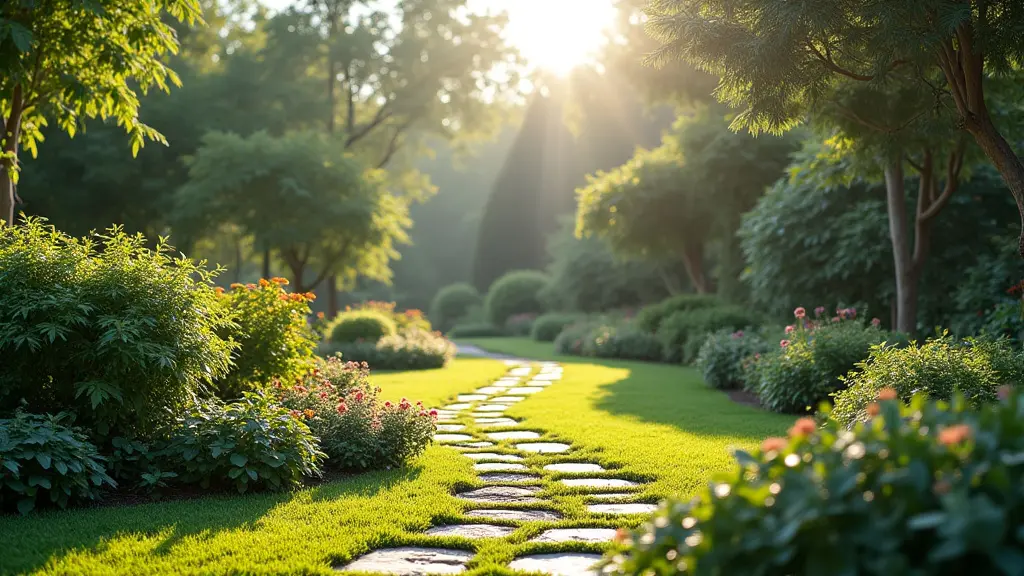
Patios and pathways are essential for creating functional and attractive outdoor spaces. When building a patio, choose materials that complement the style of your home and garden, such as concrete, brick, stone, or pavers. Ensure that the patio is level and well-drained. Provide adequate support. Pathways guide movement throughout your garden, connecting different areas. Consider the width and materials that work well in your setting. Create pathways using materials such as gravel, mulch, stone, or stepping stones. Plan the layout of your pathways to create a natural flow. Consider safety and accessibility when designing your paths. Patios and pathways can be designed and built.
- Material Selection: Choose materials like concrete, brick, stone, or pavers for the patio.
- Patio Drainage: Ensure that the patio is level and well-drained.
- Pathway Materials: Use materials such as gravel, mulch, stone, or stepping stones for pathways.
- Path Layout: Plan the layout of pathways to create a natural flow through the garden.
- Safety and Accessibility: Consider safety when building patios.
These elements enhance both the beauty and function of your outdoor areas.
Adding Structures and Elements
Structures and elements add depth, interest, and function to your lawn and garden. Build a pergola. Create shade and structure. Install a trellis to provide support for climbing plants. Add a water feature. They offer a sense of peace. Think about adding a bird bath or bird feeder to attract wildlife. Consider adding outdoor lighting. This enhances your space, and makes it usable in the evenings. Choosing these structures and elements can be fun. Your garden will improve and you will love it. The variety of features that can be added is great. They can make your property stand out.
- Pergolas: Provide shade and structure. Use them for climbing plants.
- Trellises: Provide support for climbing plants, adding vertical interest.
- Water Features: Add a sense of peace.
- Bird Baths: Attract wildlife to your garden and give it life.
- Outdoor Lighting: Enhance your space, making it usable in the evenings.
These features improve beauty and functionality.
Common Myths Debunked
Myth 1: Gardening is Difficult and Time-Consuming.
In reality, gardening can be easy and enjoyable, especially if you start small and select plants suited to your skill level and local climate. Proper planning, efficient use of your time, and the right tools can make gardening manageable, even for beginners. With many gardening resources available today, such as online tutorials and local gardening clubs, anyone can start. You do not have to be a professional. There are levels to gardening.
Myth 2: All Plants Need a Lot of Watering.
Many plants thrive with moderate watering. Some native and drought-tolerant plants actually prefer less water, reducing the need for constant irrigation. Proper plant selection, using mulch to retain moisture, and watering deeply but infrequently can help reduce water consumption in your lawn and garden. Overwatering can lead to issues.
Myth 3: You Need a Green Thumb to Garden Successfully.
Success in gardening relies more on understanding the basics and a willingness to learn than a natural talent. Anyone can learn and master these skills. Researching the needs of your plants, starting with easy-to-grow varieties, and adjusting your practices based on your experiences are all key. With a little effort, anyone can create and maintain a beautiful and thriving garden.
Myth 4: Organic Gardening is Too Expensive.
While some organic gardening products can be pricey, many methods are budget-friendly. Composting your kitchen scraps, using natural pest control methods, and choosing plants that are naturally resistant to pests and diseases can minimize costs. You can often make your own solutions. Many organic practices can save money in the long run by reducing the need for chemical fertilizers and pesticides.
Myth 5: Gardening is Only for Those With Large Yards.
Gardening is possible in any space. Patios, balconies, and even windowsills can be used for container gardening, herb gardens, or growing compact varieties of vegetables and flowers. Vertical gardening techniques, such as using trellises and hanging baskets, can maximize space in small areas. You can find ways to garden no matter how much room you have available.
Frequently Asked Questions
Question: How often should I water my plants?
Answer: Water deeply but infrequently, allowing the soil to dry out slightly between waterings. The frequency depends on the plant type, climate, and soil conditions. Check the soil moisture before watering.
Question: What is the best time of day to water my lawn and garden?
Answer: Early morning is generally best. This allows the water to soak into the soil before the sun evaporates it. It also reduces the risk of fungal diseases. Avoid watering in the heat of the day.
Question: How can I improve my soil quality?
Answer: Add organic matter, such as compost or well-rotted manure, to your soil. Organic matter improves soil structure, drainage, and fertility.
Question: What are some low-maintenance plants for my garden?
Answer: Choose native plants or varieties known for being drought-tolerant, disease-resistant, and requiring minimal pruning or fertilization.
Question: How do I get rid of weeds in my garden?
Answer: Mulching, hand-weeding, and using organic weed killers are effective methods. Regular weeding is key to controlling weeds and preventing them from spreading.
Final Thoughts
Creating your dream outdoor space is an achievable goal, not an overwhelming task. From the initial planning stages to choosing the right plants and adding appealing features, every step contributes to transforming your yard into a relaxing and beautiful area. Remember that there is no one-size-fits-all approach. Your lawn and garden ideas will depend on your individual preferences, climate, and the amount of time you can dedicate to maintenance. Start small, experiment with different plants, and don’t be afraid to try new things. The most important thing is to enjoy the process and create an outdoor area that reflects your style and brings you joy. Keep things natural and don’t rush. The transformation can be a wonderful one. With some knowledge, determination, and a bit of creativity, you can achieve a garden you’ll love. Get out there and start planting!
Leave a Reply