
Remember that frustrating moment when your carefully planted flowers started to disappear, swallowed by the creeping grass? Or perhaps you’ve struggled to keep mulch from spreading all over your pathway? I’ve been there! Creating defined spaces in your yard is essential for a beautiful and functional outdoor area. This guide explores the art and science behind lawn and garden borders, helping you transform your property. You’ll gain practical knowledge and inspire ideas to make the most of your space. This post will give you the tools you need to create attractive and effective lawn and garden borders, increasing your yard’s appeal.
Key Takeaways
- Learn the benefits of incorporating borders into your landscaping designs.
- Explore various materials suitable for crafting attractive and functional borders.
- Discover practical tips for preparing your garden beds and installing borders.
- Understand how to maintain your borders and keep them looking their best.
- Find inspiration for various border styles to match your garden’s aesthetic.
- Gain insights into selecting the most suitable borders for different plants and landscaping requirements.
Why Are Lawn and Garden Borders Important?
Borders serve several important purposes in landscaping. They act as visual boundaries, clearly defining the different areas of your yard. This helps to create a sense of order and structure, making your outdoor spaces more appealing. Borders also prevent the unwanted spread of grass and weeds into your garden beds, saving you time and effort on maintenance. Furthermore, they contribute to better soil management by retaining mulch and keeping it from washing away during rain or watering. Without a defined edge, your garden can appear cluttered and unkempt.
Improved Aesthetic Appeal
The visual impact of a well-defined border is substantial. A clean line or a carefully chosen material can significantly enhance the overall appearance of your landscaping. Borders provide a contrast to the soft textures of plants and create a sense of cohesion within the garden. A properly designed border will act as a frame, drawing attention to your plants and highlighting the features of your yard. Consider this: a simple brick border can elevate the look of a plain flower bed, giving it a polished and intentional feel. In addition to aesthetic enhancement, well-defined garden borders can add to the value of your property.
- Visual Definition: Borders create clear lines that separate different areas, making the space more structured.
- Enhanced Beauty: A beautiful border draws attention to the flowers and adds to the overall look of the yard.
- Cohesive Design: Using a consistent material or style throughout the yard helps to unite the overall landscaping scheme.
Effective Weed Control and Maintenance
Borders act as a physical barrier, which limits the spread of weeds into your garden beds. This reduces the amount of time you spend weeding, allowing you to enjoy your garden more. For instance, using a deep-set border made of stone or metal can prevent grass roots from invading the planting beds, significantly reducing the amount of work required. By keeping the mulch in place, borders also contribute to weed suppression, as the mulch blocks sunlight, preventing weed seeds from germinating. This proactive approach saves time and reduces reliance on herbicides.
- Weed Barrier: Borders limit the spread of weeds from grassy areas into garden beds.
- Mulch Retention: A border keeps the mulch in the garden, preventing erosion and aiding in weed control.
- Easier Upkeep: Less weeding translates to more time enjoying the yard.
Better Soil Management and Plant Health
Properly designed borders help to manage the soil conditions in your garden. They retain moisture, preventing it from evaporating too quickly, especially during hot weather. This helps to reduce the need for frequent watering. Moreover, borders can prevent soil erosion. This is crucial for maintaining a healthy environment for your plants. By keeping mulch in place, borders help to regulate soil temperature, creating an ideal environment for plant root systems. This leads to healthier, more vigorous plants.
- Moisture Retention: Borders help to keep the soil from drying out by reducing water evaporation.
- Erosion Prevention: Borders prevent soil from washing away during rain.
- Temperature Regulation: They help to moderate soil temperatures, supporting healthy plant growth.
Choosing the Right Materials for Lawn and Garden Borders
Selecting the correct material for your lawn and garden borders can dramatically impact your yard’s appearance, longevity, and maintenance requirements. Various materials offer unique characteristics, from natural stones to manufactured options. Careful consideration of your landscaping design, budget, and desired maintenance level is important when making a choice.
Natural Stone Options
Natural stone provides a timeless and elegant appearance for borders. The variety in shapes, sizes, and colors allows for many design possibilities. Some options include granite, limestone, and river rock, each offering its unique texture and durability. Granite and limestone are long-lasting and can withstand the elements for decades. River rock provides a softer, more natural look that works well in informal gardens. The natural variations in stone add character to your landscaping, ensuring no two installations are ever identical. However, natural stone tends to be more expensive and can be difficult to install, which may require professional help.
- Granite: Known for its strength and resistance to weathering, making it suitable for high-traffic areas.
- Limestone: Offers a classic look and is a good choice for formal gardens.
- River Rock: Provides a more casual and natural feel, suitable for informal settings.
Brick and Concrete Borders
Brick and concrete offer excellent options for creating structured and durable borders. These materials come in various shapes, sizes, and colors, providing design flexibility. Brick has a classic appearance that complements many architectural styles, while concrete can be cast into various shapes, offering versatility. Both are relatively easy to install, which makes them a popular choice for DIY projects. Brick and concrete are also quite durable, although they may eventually crack or shift over time. However, these materials can become stained or weathered, especially if exposed to harsh weather conditions. Overall, these are practical and cost-effective solutions for defining garden spaces.
- Brick: Offers a classic and versatile look.
- Concrete: Can be molded into various shapes and colors.
- Durability: Both materials are long-lasting and require little maintenance.
Metal, Plastic, and Composite Materials
For more modern and flexible designs, you can look at metal, plastic, and composite materials. Metal borders, such as steel or aluminum, can create clean lines and a contemporary feel. They are durable but may require occasional maintenance to prevent rust or corrosion. Plastic and composite borders are lightweight, easy to install, and come in various styles. They offer a cost-effective option for DIY projects. However, they may not be as durable as stone or metal and can be susceptible to damage from extreme temperatures or heavy use. These materials are also available in recycled options, providing an eco-friendly choice.
- Metal: Provides clean lines and a modern look.
- Plastic: Lightweight and easy to install.
- Composite: Combines different materials for increased durability.
| Material | Pros | Cons |
|---|---|---|
| Natural Stone | Durable, beautiful, natural appearance | More expensive, difficult to install |
| Brick | Classic look, durable, versatile | Can crack over time, staining potential |
| Metal | Clean lines, modern look, durable | Rust potential, higher cost |
How to Install Effective Lawn and Garden Borders
Installing borders is a straightforward process that you can do yourself, offering a satisfying way to enhance your outdoor spaces. Proper installation is key to ensuring that your borders look good and last for years. This section provides step-by-step guidance on how to install different types of borders, focusing on preparation, installation, and essential maintenance practices.
Preparing the Garden Bed
Preparation is the most important step in any landscaping project. It sets the foundation for a successful outcome. First, mark the desired location of your lawn and garden borders, which will help you visualize the final design and ensure the borders are straight or curved as intended. Next, clear the area of any existing grass, weeds, and debris. This could involve using a shovel or a sod cutter to remove the top layer of grass. Once the area is clear, level the ground to create a consistent base for the borders. Proper preparation ensures that the borders sit evenly and prevent the need for any major adjustments after installation.
- Mark the area: Use a garden hose or spray paint to outline the border.
- Clear the area: Remove grass, weeds, and any other debris.
- Level the ground: Ensure a flat surface for a stable border.
Setting Up the Border
Once you’ve prepared the area, you’re ready to set up the border material. For materials like stone, brick, or concrete, dig a trench slightly deeper than the height of your chosen material. The trench will help to keep the border level and stable over time. For materials that do not require digging, such as metal or plastic edging, follow the manufacturer’s instructions for installation. Ensure that each section is securely in place to withstand weather and foot traffic. Use a level to confirm that your border is straight or smoothly curved.
- Dig a trench: For stone, brick, and concrete.
- Set the materials: Place materials in the trench or follow manufacturer’s instructions.
- Use a level: Ensure a straight or consistently curved line.
Finishing Touches and Maintenance
After installing your border, add some finishing touches to enhance its appearance and functionality. Fill the trench around the border with gravel or soil. This helps to stabilize the material and provides drainage. Then, you can backfill the remaining space with soil and plant your flowers or other vegetation. Regularly inspect your borders for any signs of damage or shifting. Re-level any sections that have moved and address any problems promptly. Regular maintenance such as weeding, edging, and cleaning is necessary to keep your borders looking their best.
- Backfill with gravel or soil: This provides stability and drainage.
- Inspect regularly: Check for damage or shifting.
- Perform maintenance: Weed, edge, and clean the borders.
Styles and Designs for Your Lawn and Garden Borders
The design of your lawn and garden borders should reflect your personal taste and the style of your yard. There are countless design options available, from formal and structured borders to more natural, free-flowing designs. Choosing a style that complements your existing landscaping will help to create a cohesive and visually appealing outdoor space.
Formal and Structured Designs
Formal borders feature clean lines, symmetrical patterns, and a sense of order. Materials like brick, stone, and concrete are well-suited for this style. Use straight edges and consistent heights to create a structured look. Formal borders are ideal for creating a classic, elegant appearance in your yard. Planting flowerbeds with symmetrical arrangements and carefully trimmed shrubs or hedges complements this style. Consider using a repeating pattern or design to reinforce the sense of order and balance. This design will work very well for any traditional style of home and adds a luxurious element to the exterior.
- Clean Lines: Straight edges and consistent heights.
- Symmetrical Patterns: Repeating designs for order.
- Suitable Materials: Brick, stone, and concrete.
Natural and Informal Borders
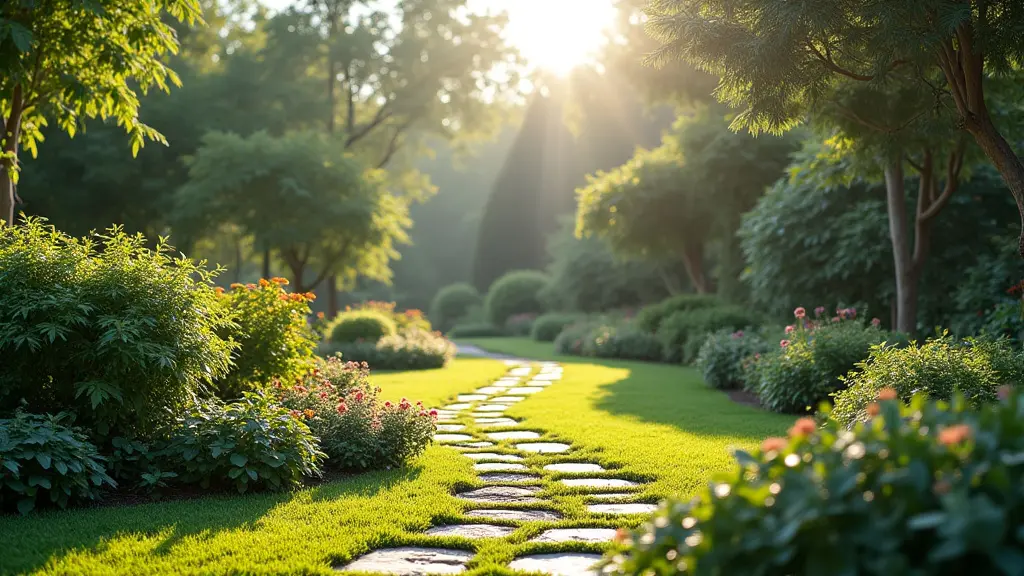
If you prefer a more relaxed and organic look, opt for natural and informal borders. This style typically involves curving lines and a mix of different materials and plants. River rock, wood, and other natural materials work well. Allow the border to follow the contours of your yard, creating a sense of flow and movement. Incorporate various plants and textures to create a diverse and visually interesting landscape. A natural design provides a more relaxed, country garden look, which is perfect for properties with uneven terrain or more native landscaping.
- Curving Lines: Gentle curves for a natural look.
- Mixed Materials: Combine different elements for interest.
- Plant Variety: Use different plants to enhance texture.
Raised Bed Designs
Raised beds offer many benefits, including improved drainage and easier access to plants. These borders are often constructed from wood, stone, or brick and elevated above the existing ground level. Raised beds offer a good solution for areas with poor soil quality, as you can fill them with nutrient-rich soil. Raised beds add visual interest and create a defined planting area. You can choose different heights and shapes to match your yard’s design. They are also easier to maintain, as you don’t need to bend down as far. They provide an excellent opportunity to experiment with plant arrangements and grow vegetables, herbs, and flowers.
- Elevated Planting: Beds raised above ground level.
- Material Choice: Wood, stone, or brick are great options.
- Improved Access: Easier to plant, maintain, and harvest.
Common Myths Debunked
Myth 1: Borders are solely for aesthetics.
Reality: While borders enhance the visual appeal of a yard, they also serve functional purposes. They help control weeds, retain moisture, and define spaces, making them essential for a well-maintained garden. They are useful for soil erosion prevention.
Myth 2: All border materials are difficult to install.
Reality: Not all materials require extensive effort. While stone and brick might require some preparation, options like metal or plastic edging are relatively simple to install. Many DIY-friendly materials are available, making it easy to create beautiful borders.
Myth 3: Borders are expensive.
Reality: The cost of lawn and garden borders varies significantly depending on the material and design. While natural stone can be costly, options like plastic edging or recycled materials can be quite affordable. There are budget-friendly solutions to fit various financial constraints.
Myth 4: Borders are only necessary for flower gardens.
Reality: Borders are useful in many areas of the yard, including around vegetable patches, walkways, and even along the edges of the lawn. They help define and maintain different areas and also keep the yard tidy.
Myth 5: All borders require high maintenance.
Reality: The maintenance required for borders depends on the materials and design. Some materials, such as natural stone, are very low-maintenance once installed. Others, like wood, may require occasional sealing or staining.
Frequently Asked Questions
Question: What is the best material for a low-maintenance border?
Answer: For low maintenance, consider using stone, brick, or metal edging. These materials are durable and require minimal upkeep once they’re installed.
Question: How do I prevent weeds from growing through my border?
Answer: Before installing the border, use a weed barrier fabric. Then, apply a layer of mulch to suppress weed growth. Regular inspection will help to minimize the effort.
Question: Can I use borders around vegetable gardens?
Answer: Yes, borders are very useful for vegetable gardens. They help define the growing area, contain soil, and keep weeds out.
Question: How deep should I dig the trench for my border?
Answer: The trench depth depends on your border material, but usually, dig it deeper than the border’s height to ensure stability and proper installation.
Question: How often should I water my borders?
Answer: Watering frequency depends on your climate and the plants within your borders. Generally, water when the top inch of soil feels dry. Mulch will help retain moisture.
Final Thoughts
Designing and constructing lawn and garden borders is an investment that yields significant benefits. From enhancing the visual appeal of your yard to simplifying maintenance, the strategic use of borders transforms your outdoor spaces. You’ve explored various material options, installation techniques, and design concepts, ready to start your landscaping project. By following the tips in this guide, you can create borders that enhance your garden, provide structure, and promote the health of your plants. This is an achievable goal for any homeowner. Now it’s time to choose the best border materials and designs and bring your outdoor vision to life, step by step.
Leave a Reply