Remember that scorching summer when your lawn looked like a crispy, brown carpet? You weren’t alone! Many homeowners struggle to keep their yards lush and green. But what if you could achieve a beautiful outdoor space while also helping the environment? This post explores the world of eco lawn and garden practices, showing you how to create a thriving landscape without harming our planet. You’ll gain practical advice, learn about sustainable techniques, and discover how to minimize your environmental footprint. By the end, you’ll be equipped with the knowledge to create a healthier, more vibrant yard and feel great about your impact. This means you will learn easy ways to improve your yard and your health.
Key Takeaways
- Learn sustainable ways to care for your yard.
- Discover the benefits of reducing chemical use.
- Understand how to conserve water in your garden.
- Explore methods for creating a healthy soil ecosystem.
- Gain inspiration for designing an attractive and sustainable outdoor space.
- Learn how to minimize your impact on the environment and still have a beautiful yard.
Embracing the Eco Lawn and Garden Approach
Switching to an eco lawn and garden philosophy is like opening a door to a new way of interacting with your outdoor space. It is a more thoughtful approach to landscaping that emphasizes sustainability, environmental harmony, and respect for nature. This involves making informed choices about the materials you use, the techniques you employ, and the plants you choose. It’s about working with nature, not against it, which leads to a more balanced and resilient ecosystem in your own backyard. It also results in a healthier yard for your family and the planet.
The Benefits of Sustainable Gardening
- Reduced Chemical Exposure: Minimizing or eliminating synthetic pesticides and fertilizers protects you, your family, and your pets from harmful chemicals.
- Water Conservation: Water-wise gardening practices, such as choosing drought-tolerant plants and using efficient irrigation systems, conserves water.
- Improved Soil Health: Building healthy soil through composting and other methods creates a rich growing environment, which reduces the need for artificial fertilizers.
- Enhanced Biodiversity: An eco-friendly garden attracts beneficial insects, birds, and other wildlife, increasing the diversity of life in your yard.
- Environmental Protection: By reducing your reliance on harmful chemicals, you are helping protect local waterways and the overall environment.
Embracing these practices leads to a landscape that is not only visually appealing but also contributes to a healthier environment. This is good for people and the planet.
Building Healthy Soil for a Thriving Eco Lawn and Garden
The foundation of any thriving garden is healthy soil. Think of soil as a living ecosystem teeming with microorganisms, nutrients, and organic matter. This ecosystem supports the health of your plants and influences their ability to withstand disease and drought. The key to a flourishing eco lawn and garden is to nurture the soil, providing the right conditions for life to flourish. You can achieve this using natural methods rather than chemical fertilizers.
Composting: Nature’s Recycling Process
Composting is a natural process where organic materials decompose to create a nutrient-rich soil amendment. By composting kitchen scraps, yard waste, and other biodegradable materials, you’re not only reducing landfill waste but also creating a valuable resource for your garden. Compost acts as a slow-release fertilizer and helps improve soil structure, increasing its ability to retain water and nutrients. Composting also encourages a wide variety of helpful living things to thrive in the soil.
- Building a Compost Pile: You can create a simple compost pile in a bin or directly on the ground. It is best to alternate layers of “greens” (nitrogen-rich materials like grass clippings and food scraps) and “browns” (carbon-rich materials like dried leaves and shredded paper).
- Turning the Compost: Turning the compost pile regularly helps aerate the material, which speeds up the decomposition process.
- Using Compost: Once the compost has broken down into a dark, crumbly material, it is ready to use. Add it to your garden beds or use it as a top dressing for your lawn.
Did you know that composting can reduce the amount of waste sent to landfills by up to 30%? This is a great way to boost your eco lawn and garden while cutting down on waste.
Using Cover Crops to Improve Soil
Cover crops are plants that are grown specifically to improve the soil. They are usually grown during times when your primary crops are not present. Cover crops help prevent erosion, suppress weeds, and add organic matter to the soil. They also can increase the availability of nutrients.
- Examples of Cover Crops: Common cover crops include clover, rye, and oats.
- Planting Cover Crops: Plant cover crops in the fall or after harvesting your main crops.
- Incorporating Cover Crops: Till the cover crop into the soil before planting your next crop.
Soil Testing: Understanding Your Soil Needs
Soil testing provides valuable information about the composition of your soil. This includes the pH level and the levels of essential nutrients. This information is key to making informed decisions about how to amend your soil and optimize it for plant growth. Proper soil management means that you use only what your soil needs.
- How to Test Your Soil: You can purchase a soil testing kit at your local garden center or send a soil sample to a laboratory.
- Interpreting the Results: Soil test results will tell you the pH, and levels of key nutrients. They will also provide recommendations for how to improve your soil.
- Amending Your Soil Based on Results: You can use the results to choose the appropriate amendments, such as compost, lime, or fertilizer, to balance the soil’s nutrient levels.
According to the U.S. Environmental Protection Agency, a single tablespoon of healthy soil can contain billions of microorganisms. This shows the importance of good soil.
Water Conservation in Your Eco Lawn and Garden
Water conservation is a vital aspect of an eco lawn and garden. Efficient water management not only reduces your water bill but also minimizes the environmental impact of water usage. Implementing water-wise practices can help you conserve this valuable resource while maintaining a vibrant and healthy landscape. This approach helps conserve water while keeping your yard in great shape.
Choosing Drought-Tolerant Plants
Selecting plants that are well-suited to your climate and require less water is one of the most effective ways to conserve water. Native plants are typically a great choice because they have adapted to local conditions and often require minimal irrigation. These plants require less maintenance and will also attract local birds, bees, and other insects.
- Identifying Native Plants: Research the plants that naturally thrive in your region.
- Benefits of Drought-Tolerant Plants: These plants reduce the need for irrigation, which cuts water consumption.
- Examples: Lavender, coneflowers, and sedum are good choices.
Efficient Irrigation Systems
Using efficient irrigation systems ensures that water is delivered directly to the plants’ roots, minimizing waste. These systems can help you avoid problems like overwatering, which may cause root rot. In many areas, the use of efficient systems is essential to sustainable gardening.
- Drip Irrigation: Drip systems deliver water slowly and directly to the plant’s roots, reducing evaporation.
- Soaker Hoses: Soaker hoses also deliver water slowly. They work great for garden beds.
- Smart Irrigation Controllers: Smart controllers use weather data to adjust watering schedules automatically.
Watering Techniques
Even if you have the best plants and systems, how you water matters. Effective watering practices will ensure that your water is being used in the best way. Good practices can help you save water.
- Watering Deeply and Infrequently: Encourage deep root growth by watering less often but more deeply.
- Watering Early in the Morning: Watering early in the morning reduces water loss due to evaporation.
- Using Mulch: Mulch helps retain moisture in the soil, which cuts down on water usage.
According to the EPA, an average household can save up to 7,600 gallons of water annually by making efficient use of their sprinkler systems.
Reducing Chemical Use in Your Eco Lawn and Garden
Minimizing or eliminating synthetic chemicals is a core principle of an eco lawn and garden. Synthetic pesticides and fertilizers can harm beneficial insects, pollute waterways, and pose health risks. By switching to natural alternatives and adopting integrated pest management strategies, you can maintain a healthy yard without relying on these harsh chemicals. This ensures a safer environment for your family and supports the natural balance of your garden’s ecosystem.
Using Natural Fertilizers
Natural fertilizers, such as compost, manure, and other organic matter, provide plants with essential nutrients without the negative effects of synthetic fertilizers. These fertilizers can also improve soil structure and promote long-term soil health. Because natural fertilizers work differently than synthetic fertilizers, they can be a great way to improve your lawn without using chemicals.
- Types of Natural Fertilizers: Consider compost, manure, worm castings, and fish emulsion.
- Benefits of Natural Fertilizers: These fertilizers release nutrients slowly, which reduces the risk of over-fertilization.
- How to Apply Natural Fertilizers: Apply compost as a top dressing or incorporate it into the soil.
Integrated Pest Management (IPM)
IPM is a system that combines various strategies to control pests while minimizing the use of pesticides. This method involves careful monitoring of pests, identification of the problem, and the use of the least-toxic control methods. IPM helps manage pests by using a multi-pronged approach that can include things like beneficial insects, traps, and physical barriers.
- Monitoring for Pests: Regularly check your plants for signs of pests.
- Identifying Pests: Accurately identify the pests so that you can choose the correct control method.
- Implementing Control Methods: This may include hand-picking pests, introducing beneficial insects, or using organic pest control products.
Natural Pest Control Methods
Many natural pest control methods are available that are safe and effective. Some methods use readily available natural solutions, while others involve mechanical means. These methods can help you fight off pests without causing harm to your plants or the environment.
- Beneficial Insects: Attract beneficial insects, such as ladybugs and lacewings, to control pests.
- Insecticidal Soap and Horticultural Oil: These are effective for controlling a variety of pests and are less toxic than synthetic pesticides.
- Physical Barriers: Use row covers or netting to protect plants from pests.
According to the National Pesticide Information Center, using IPM can significantly reduce the amount of pesticides used in a landscape by up to 50% or more. This is a great way to go green with your yard.
Designing a Sustainable Eco Lawn and Garden
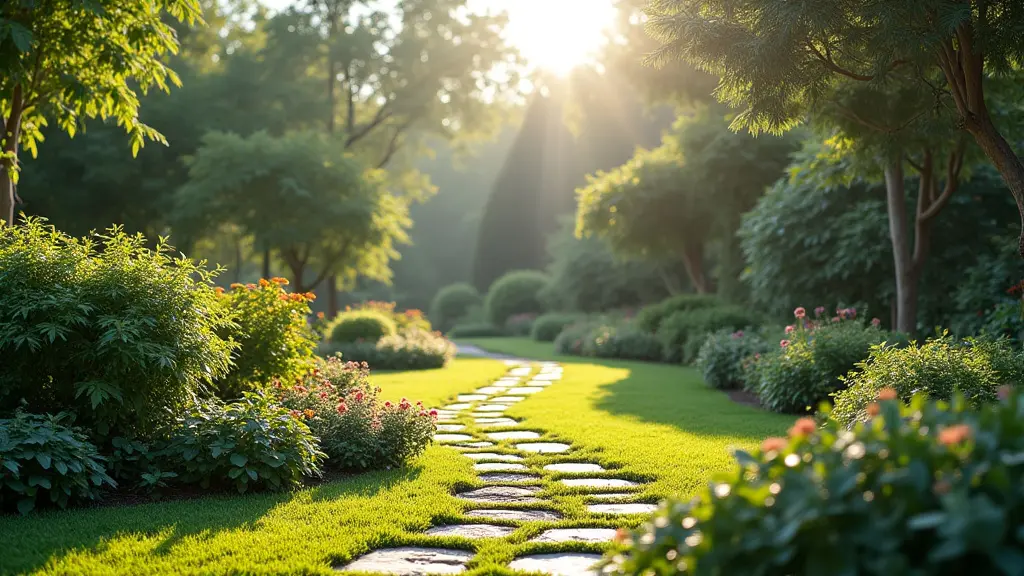
Creating a beautiful and sustainable eco lawn and garden is about more than just the practices you use. It also involves the way you design your outdoor space. Careful planning and thoughtful design can enhance the natural beauty of your yard while promoting biodiversity, water conservation, and soil health. This design approach creates a harmonious and attractive outdoor area.
Choosing the Right Plants
Selecting plants that are well-suited to your climate and growing conditions is crucial for a successful eco lawn and garden. Native plants are an excellent choice because they’re adapted to your local ecosystem and often require less care than non-native species. Consider plant size, sunlight needs, and soil preferences when making your choices. This careful planning sets you up for success.
- Native Plants: Research plants native to your region to attract local wildlife and reduce water use.
- Planting for Pollinators: Include plants that attract bees, butterflies, and other pollinators to enhance biodiversity.
- Planting for Wildlife: Select plants that provide food and shelter for birds and other animals.
Creating Habitat
Design elements that offer shelter and resources for wildlife can significantly enhance the sustainability of your garden. These elements will improve biodiversity and increase the joy you get from your yard. Habitat creation is a key factor in making your eco lawn and garden a success.
- Birdhouses and Bat Houses: Provide nesting sites for birds and bats.
- Water Features: Install a birdbath or small pond to provide a water source for wildlife.
- Rock Piles: Create rock piles to offer shelter for beneficial insects and small animals.
Hardscaping Materials
The materials you use for hardscaping, such as pathways, patios, and walls, can also have an impact on the sustainability of your garden. Choosing eco-friendly materials helps reduce the environmental footprint of your outdoor space.
- Permeable Paving: Use permeable paving materials to allow rainwater to soak into the ground.
- Recycled Materials: Consider using recycled materials, such as reclaimed wood or recycled plastic, for hardscaping projects.
- Local Materials: Source materials locally to reduce transportation emissions.
A well-designed eco lawn and garden not only supports environmental health but also provides a relaxing and enjoyable outdoor space for you and your family.
Common Myths Debunked
Myth 1: Eco-Friendly Gardening Is Expensive
Many believe that creating an eco lawn and garden is more expensive than traditional landscaping. However, while some initial investments, such as buying a compost bin or a rain barrel, may be required, the long-term costs are often lower. Eco-friendly practices can reduce your water bill, fertilizer costs, and the need for expensive pest control treatments. In addition, there are many DIY options that can help you save money while you improve your yard.
Myth 2: Eco-Friendly Gardens Are Untidy and Unkempt
Some people believe that an eco lawn and garden looks messy and uncontrolled. This is not necessarily true. With careful planning and design, an eco-friendly garden can be just as beautiful and well-maintained as any other garden. The focus is on embracing natural processes and working with nature, rather than battling against it. This can lead to a more diverse and interesting landscape, which may not be the same as the “perfect” lawn.
Myth 3: Native Plants Are Boring
The notion that native plants are plain or uninteresting is a common misconception. In reality, native plants offer a wide variety of colors, textures, and forms. Because they are adapted to the local environment, they can also thrive in your yard with minimal effort. In many cases, native plants can offer blooms that are just as colorful and appealing as non-native choices. They also attract birds and insects.
Myth 4: Eco-Friendly Practices Don’t Actually Make a Difference
Some doubt that individual actions can make a meaningful difference in the environment. However, when many people adopt eco-friendly practices, the combined impact can be substantial. Reducing pesticide use, conserving water, and creating habitat for wildlife, even on a small scale, can collectively contribute to environmental improvement. It is all about doing what you can, where you are.
Myth 5: Synthetic Fertilizers Are Always Necessary for a Healthy Lawn
Some believe that synthetic fertilizers are the only way to achieve a lush, green lawn. While synthetic fertilizers can provide quick results, they often come with negative side effects, such as the pollution of waterways. Healthy soil can naturally provide nutrients. Composting, amending the soil with organic matter, and using natural fertilizers are all effective ways to support a healthy lawn. There are many steps you can take to have a beautiful lawn without chemicals.
Frequently Asked Questions
Question: What is the best time to start composting?
Answer: You can start composting any time of the year, but the process may be slower in colder months. Spring and fall are often the best times to start because they have moderate temperatures and moisture levels that support composting.
Question: How often should I water my lawn?
Answer: The frequency of watering depends on your climate, soil type, and the type of grass you have. Generally, it’s best to water deeply but less often. This encourages deep root growth and increases drought tolerance. In most climates, watering once or twice a week is enough.
Question: Are all pesticides bad for the environment?
Answer: While some pesticides can cause harm, not all pesticides are bad. Organic pesticides are made from natural sources and are generally less toxic than synthetic ones. Integrated Pest Management (IPM) is designed to minimize pesticide use and relies on multiple methods.
Question: How do I know if my soil is healthy?
Answer: Healthy soil will have a dark, crumbly texture and a pleasant earthy smell. It will also support thriving plant life. Performing a soil test is the best way to get a complete picture of your soil’s health.
Question: What is mulching and why is it important?
Answer: Mulching involves applying a layer of organic material, such as wood chips or shredded bark, to the soil surface. Mulching helps retain moisture, suppresses weeds, and regulates soil temperature. Mulching also improves soil structure over time.
Final Thoughts
Embracing the eco lawn and garden philosophy is a rewarding way to create a beautiful and sustainable outdoor space. You’ve learned about the many benefits of using natural, environmentally friendly practices. From healthy soil to water conservation and avoiding chemicals, these techniques not only benefit your yard but also protect the environment. Remember that every small step you take, from choosing native plants to composting kitchen scraps, makes a difference. As you start this journey, remember that creating an eco-friendly space is a process, not an end result. Experiment with different techniques, learn from your experiences, and enjoy the beauty and vitality of a thriving, sustainable yard. Now is the perfect time to explore ways to embrace sustainable practices in your yard and garden.
Leave a Reply