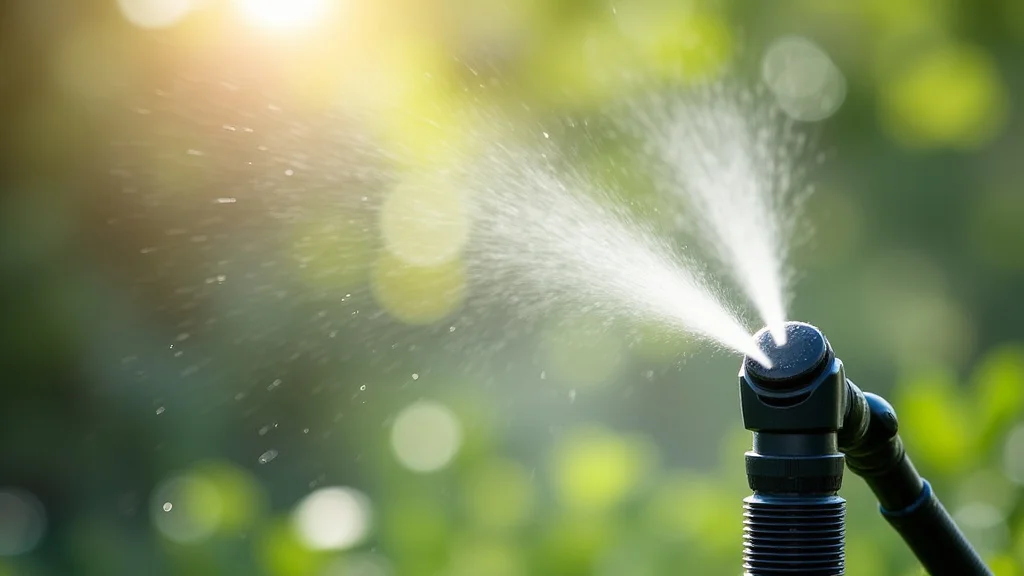
Remember that time your lawn turned brown despite your best efforts? It’s a common frustration, isn’t it? Perhaps the sprinkler system wasn’t quite hitting all the spots, or the watering felt uneven. That’s where hose end sprayers in lawn and garden come to the rescue! This comprehensive guide will show you how these handy tools can transform your watering routine. You’ll learn the ins and outs of hose end sprayers, making your lawn and garden thrive. Get ready to gain the knowledge to select, use, and maintain these sprayers for optimal results, helping you save water and cultivate a beautiful outdoor space.
Key Takeaways
- Learn how hose end sprayers work and their benefits.
- Discover the different types of hose end sprayers available.
- Understand how to choose the right sprayer for your needs.
- Find out how to properly use and maintain your sprayer.
- Explore tips for efficient and effective watering.
- Get insights into common problems and solutions.
Unveiling the Power of Hose End Sprayers
Hose end sprayers are a versatile and accessible solution for maintaining a healthy and vibrant lawn and garden. They connect directly to your garden hose, offering a convenient way to apply water, liquid fertilizers, insecticides, and herbicides. These sprayers provide a more controlled and targeted application than traditional watering methods. Their ease of use and affordability make them a popular choice for both novice and experienced gardeners. By getting to know how they function and the advantages they bring, you can make informed choices to keep your garden healthy and beautiful.
How Hose End Sprayers Function
At their core, hose end sprayers function through a combination of water pressure and a siphon or venturi system. When water flows through the sprayer, it creates a pressure differential that draws the concentrated liquid from the attached container into the water stream. This mixture is then sprayed onto your lawn or plants. The adjustable nozzles allow you to control the spray pattern, ranging from a fine mist to a powerful stream. This allows the user to apply various substances like fertilizers and pesticides uniformly.
- Water Pressure: The water pressure from your hose is the primary driving force. Most sprayers require a minimum pressure to operate effectively.
- Siphoning/Venturi Effect: This principle uses the water flow to create a vacuum, drawing the concentrate from the attached container.
- Mixing Chamber: This chamber is where the concentrate mixes with water to create the diluted solution.
- Adjustable Nozzle: Offers control over the spray pattern and intensity.
The beauty of hose end sprayers lies in their simplicity and effectiveness. They provide an efficient and cost-effective method for applying various garden treatments, ensuring even distribution and optimal coverage, reducing water waste.
Benefits of Using Hose End Sprayers
Using hose end sprayers offers several advantages over other methods of watering and applying treatments. They are exceptionally user-friendly, requiring no complex setup or specialized equipment. They’re also cost-effective because of their low initial investment and can save you money on water bills by offering targeted application. They’re excellent for applying fertilizer and pesticides, ensuring uniform coverage that can protect your plants and improve growth. These factors make hose end sprayers a smart selection for both garden experts and beginner gardeners.
- Convenience: Easy to connect and use.
- Cost-Effective: Affordable upfront and save water.
- Uniform Application: Ensures even coverage of water, fertilizers, and pesticides.
- Versatility: Suitable for a wide variety of garden tasks.
- Water Conservation: Reduces water waste by directing the spray.
- Time Saving: Streamlines the process of watering and treating plants.
Hose end sprayers streamline the process of garden care, making it quicker, easier, and more efficient. Their design minimizes waste and promotes the health and beauty of your garden, with benefits for both your plants and your budget.
Types of Hose End Sprayers
The variety of hose end sprayers available reflects their adaptability to different garden needs and preferences. Each type is designed with specific features, from the simple sprayers used for watering to those designed for accurate applications of fertilizers and pesticides. Selecting the best type depends on your specific garden requirements, taking into account the size of your space, the type of plants you have, and the products you plan to use. Knowing the key differences can help you improve your gardening experience.
Watering Sprayers
Watering sprayers are designed to simply deliver water to your plants. They are typically the most basic type, offering adjustable spray patterns for various watering needs. These sprayers are ideal for general watering tasks, such as irrigating lawns, flower beds, and vegetable gardens. They are usually budget-friendly and easy to find, making them a great starting point for gardeners of all skill levels. They provide a quick, effective way to get water where it’s needed, keeping your plants healthy.
- Adjustable Nozzles: Feature multiple spray settings like mist, shower, and jet.
- Ergonomic Handles: Designed for comfortable use over extended periods.
- Durable Materials: Built to withstand regular use and exposure to the elements.
- Simple Design: Easy to attach to a standard garden hose.
These sprayers are characterized by their simple design and ease of use, making them a convenient tool for anyone who needs to water their plants efficiently. Their versatility makes them a good choice for everything from gentle watering of seedlings to more forceful spraying of established plants.
Fertilizer and Chemical Sprayers
Fertilizer and chemical sprayers are designed for accurate and uniform application of liquid fertilizers, insecticides, and herbicides. They usually come with a built-in reservoir that draws up the liquid concentrate, diluting it with water as it is sprayed. These sprayers allow you to control the concentration of the mixture and ensure that the chemicals are applied evenly over your lawn or garden. Selecting the right sprayer depends on the specific chemicals you plan to use and the plants you need to treat. Using these sprayers can help you to properly care for your plants while making efficient use of your products.
- Reservoir: Holds the concentrate (fertilizer, insecticide, herbicide).
- Dilution Control: Allows you to adjust the ratio of concentrate to water.
- Spray Settings: Often include settings for different spray patterns.
- Durable Construction: Designed to withstand exposure to chemicals.
These sprayers are an essential tool for gardeners who want to apply fertilizers and chemicals efficiently and effectively. They offer control over chemical application, helping to maintain the health of your garden while minimizing waste and reducing environmental impact.
Soaker Sprayers
Soaker sprayers are designed to provide gentle, deep watering to plants, preventing water loss due to evaporation and reducing the risk of fungal diseases. They distribute water directly to the soil, where the plants’ roots can take it up. These sprayers come in several forms, including soaker hoses and sprayers that sit on the ground, creating a gentle rain effect. These sprayers are specifically useful for irrigating vegetable gardens, flower beds, and areas where water conservation is essential. Their design promotes efficient watering, giving plants the water they need to thrive while conserving resources.
- Slow Release: Delivers water slowly and steadily.
- Water Conservation: Reduces water waste by applying water directly to the soil.
- Disease Prevention: Minimizes leaf wetness.
- Even Watering: Distributes water uniformly to plants’ root systems.
Soaker sprayers are an excellent choice for gardeners looking for water conservation and healthier plants. By focusing water delivery at the root level, these sprayers support effective hydration and are particularly good for gardens susceptible to diseases.
Choosing the Right Sprayer for Your Needs
Choosing the correct hose end sprayer in lawn and garden is important for maximizing your efficiency and results. A few factors that influence your choice are the size of your garden, the kind of plants you have, and the types of treatments you plan to use. Think about the features that best meet your gardening requirements, focusing on performance, ease of use, and durability. By carefully evaluating these factors, you can find a sprayer that will make your lawn and garden care much easier and provide excellent results.
Consider Your Garden’s Size and Layout
The size and layout of your garden influence the type of sprayer you need. If you have a small garden, a basic watering sprayer might be sufficient. If you have a larger garden or diverse areas to water, you might need a sprayer with a longer reach or more adjustable spray patterns. The layout of your garden matters because you want a sprayer that can reach all parts of your space. Consider where your water sources are, and make sure the sprayer and hose length can meet your needs, ensuring easy access to all your plants.
- Small Gardens: A basic watering sprayer with adjustable nozzles may suffice.
- Large Gardens: Look for sprayers with a greater reach.
- Uneven Terrain: Choose a sprayer with adaptable spray patterns.
- Accessibility: Ensure the hose length reaches all areas of your garden.
By considering your garden’s size and layout, you can choose a sprayer that covers all of your plants. This ensures that you have the right tool to reach every corner of your garden, which makes watering easier and more effective, ensuring that all plants receive the hydration and treatment they need.
Match the Sprayer to Your Plants
Your plants’ specific needs should guide your choice. Delicate plants, like seedlings or flowers, benefit from sprayers with a gentle mist setting to prevent damage. For lawns and hardier plants, you may need a sprayer with a more forceful stream or adjustable patterns. Think about whether your plants are water-intensive and their sensitivity to chemicals. Matching the sprayer to the plant type will make watering and applying treatments more efficient and will protect your plants, helping them thrive.
- Delicate Plants: Use sprayers with gentle mist settings.
- Lawns and Hardier Plants: Select sprayers with adjustable spray patterns.
- Specific Watering Needs: Match the sprayer to the plant’s water requirements.
- Chemical Sensitivity: Consider plant reactions to chemicals before applying.
Choosing the right sprayer based on plant characteristics ensures the best possible care for your garden. Adapting your watering approach to plant needs increases plant health and decreases the risk of damage. This leads to a healthier, more beautiful garden.
Evaluate Sprayer Features
Carefully evaluate the features of different sprayers to match your gardening needs. Adjustable nozzles let you switch between spray patterns, giving you control of the water flow. Look for a sprayer with a built-in reservoir and adjustable dilution rates if you plan to use fertilizer or chemicals. Make sure the sprayer is made of durable materials that will withstand regular use and the chemicals you plan to use. Also, make sure it is easy to connect and use. By evaluating these features, you can pick a sprayer that’s easy to use and provides the right results for your lawn and garden care.
- Adjustable Nozzles: Essential for changing spray patterns.
- Built-in Reservoir: Useful for liquid fertilizers and chemicals.
- Dilution Control: Allows you to adjust the concentration of the mixture.
- Durability: Select a sprayer constructed from high-quality materials.
- Ease of Use: Look for a simple design and intuitive controls.
By carefully evaluating the features of different sprayers, you can make sure that your sprayer meets your particular gardening requirements. This guarantees that your sprayer is easy to use, effective at distributing water and treatments, and designed to last, which will help keep your lawn and garden looking at their best.
Using and Maintaining Your Hose End Sprayer
Correct use and maintenance practices are important to make the most of your hose end sprayer and ensure its longevity. Learning how to properly connect your sprayer, apply the right amount of water or chemical solution, and keep your sprayer clean can increase its performance. Regularly maintaining your sprayer can also prevent problems, and make sure it continues to work efficiently over time. Making these habits part of your regular gardening routine will help you optimize your efforts while enjoying a healthy and beautiful garden.
Connecting Your Sprayer
Connecting your hose end sprayer in lawn and garden is a straightforward process. First, make sure you turn off your water supply. Then, attach the sprayer to your garden hose using the threaded connector. Next, if you’re using a fertilizer or chemical sprayer, load the concentrate into the reservoir. Now you can gently turn on the water supply and test the sprayer by selecting your desired spray pattern. Before you begin applying water or treatments, make sure there are no leaks. This method guarantees a secure connection and gives you a good start to watering and treating your plants, creating an effective and problem-free gardening experience.
- Turn off Water: Ensure your water supply is shut off.
- Attach Sprayer: Connect the sprayer to the garden hose.
- Load Concentrate: If using chemicals, add them to the reservoir.
- Turn on Water: Slowly turn on the water supply.
- Test Spray: Check the spray pattern before application.
Taking the right steps when connecting your sprayer is the first step in successful gardening. A secure connection minimizes water loss, ensures precise application, and sets the stage for efficient garden maintenance. By double-checking these steps, you are preparing for a gardening experience that is both effective and trouble-free.
Applying Water and Treatments
Applying water and treatments with your hose end sprayer needs a planned approach to achieve the best results. Start by adjusting the spray pattern to suit the needs of the plants you’re caring for, like a mist setting for delicate plants or a stronger stream for lawns. If you’re using fertilizer or chemicals, follow the manufacturer’s directions for dilution and application rates. Apply evenly and avoid over-watering, which can lead to runoff or plant diseases. When using chemicals, make sure you wear protective gear. This method ensures even coverage, avoids water waste, and supports the health of your plants. This gives your garden a healthy environment in which to flourish.
- Choose Spray Pattern: Select the correct pattern for your plants.
- Dilution and Application: Follow the product instructions.
- Apply Evenly: Distribute water and treatments consistently.
- Avoid Overwatering: Prevent runoff and diseases.
- Use Protective Gear: Wear appropriate clothing and equipment.
Taking these precautions during the application process ensures the safe and effective use of your sprayer. It promotes the health of your plants while minimizing environmental effects, leading to a flourishing, lovely garden.
Cleaning and Storing Your Sprayer
Cleaning and storing your hose end sprayer is essential for its performance and lifespan. After each use, rinse the sprayer with clean water, particularly after using fertilizers or chemicals. Remove the reservoir, clean it, and store it. Drain the sprayer and hose, then store them in a protected area away from direct sunlight and extreme temperatures. These storage habits prevent residue buildup and safeguard the components of your sprayer. Taking care of your sprayer helps to guarantee that it is ready to use and works as intended for future gardening tasks, allowing you to maximize its life.
- Rinse After Use: Flush the sprayer with clean water.
- Clean Reservoir: Remove, wash, and store the container.
- Drain and Dry: Empty and dry the sprayer and hose.
- Store Properly: Keep the sprayer in a protected area.
Consistently cleaning and storing your sprayer maintains its performance and lengthens its lifespan. These basic maintenance habits avoid blockages, prevent damage, and make sure that your sprayer is ready for use, ensuring the ongoing health and beauty of your garden.
Common Problems and Solutions
Even with correct use and maintenance, your hose end sprayer may encounter some typical problems. From clogged nozzles to uneven chemical application, identifying and handling these issues can extend the life of your sprayer and keep it working at its best. Taking the right action when issues arise guarantees that your sprayer runs effectively and gives you the tools you need to maintain your lawn and garden with ease. When you understand common issues, you can promptly solve any problems, ensuring that your sprayer consistently delivers great results.
Clogged Nozzles
Clogged nozzles are one of the most common issues. Residue from hard water or chemicals can block the nozzle, lowering the water flow and affecting the spray pattern. This issue is usually easily fixed. First, detach the nozzle from the sprayer body. Soak the nozzle in vinegar or a commercial cleaner to dissolve the buildup. Once it has been soaked, gently rinse the nozzle, removing any remaining debris. Reassemble the nozzle, and check its performance. Regular maintenance, such as rinsing the sprayer after use, can help prevent this issue.
- Identify Clog: Uneven or weak spray indicates a clogged nozzle.
- Detach Nozzle: Remove the nozzle from the sprayer body.
- Soak in Vinegar: Place the nozzle in vinegar or a specialized cleaner.
- Rinse Thoroughly: Rinse the nozzle to clear debris.
- Reassemble: Put the nozzle back together.
By following these steps, you can eliminate clogs, ensuring your sprayer delivers the required water or treatments to your plants. This simple maintenance task keeps your sprayer functioning correctly.
Uneven Chemical Application
Uneven chemical application can happen when the concentrate is not mixed properly or when the sprayer does not consistently draw the solution. Uneven application leads to inconsistent results and may harm plants. To correct this, make sure the concentrate is properly diluted, following the instructions on the product label. Make sure the sprayer is correctly calibrated and the dilution control is set correctly. Check the reservoir for blockages, and clean it as required. Inspect the suction tube to guarantee the mixture is consistently drawn into the water flow. Addressing these issues can enhance the distribution of chemicals, resulting in efficient and safe treatments.
- Proper Dilution: Follow the chemical label instructions.
- Calibrate Sprayer: Check and adjust the dilution control.
- Clean Reservoir: Remove any residue or blockages.
- Inspect Suction Tube: Check for clogs.
- Adjust Spray Pressure: Ensure even application with adequate water flow.
Taking measures to fix uneven chemical application helps in providing consistent treatment to your plants, avoiding potential damage and promoting their well-being. Proper application ensures that your plants get the right treatments. It promotes healthy growth and reduces risks.
Leaks and Connection Issues
Leaks and connection issues in your hose end sprayer can result in wasted water and reduced sprayer performance. These problems often occur at the connection points between the sprayer and the hose. Check the connections to make sure they are secure. Replace worn or broken washers or seals. Tighten any loose parts. Using Teflon tape on the threads can sometimes help to improve the seal. By resolving these issues, you can prevent water loss and guarantee that water and chemicals are applied correctly. Regularly check the connections to avoid problems and keep your sprayer operating at its best.
- Check Connections: Make sure connections are secure.
- Replace Washers: Install new or updated washers.
- Tighten Parts: Tighten any loose parts.
- Use Teflon Tape: Use on the threads to improve the seal.
- Inspect Hose: Check for cracks or damage to the hose.
Taking care of leaks and connection problems ensures that your sprayer operates efficiently and reliably. Fixing these issues reduces water waste, guarantees proper chemical application, and improves the overall effectiveness of your lawn and garden care efforts.
Myth Debunking
Myth 1: All Hose End Sprayers Are the Same
It’s a common misconception that all hose end sprayers in lawn and garden are identical. In reality, sprayers come in many different types, each suited to different gardening jobs. From basic watering sprayers with adjustable nozzles to sprayers designed for fertilizing and applying chemicals, the range is vast. Each model provides unique features, such as varying spray patterns, built-in reservoirs, and adjustable dilution controls. Making a good choice requires choosing a sprayer that suits your specific gardening needs and preferred tasks. Ignoring these differences could lead to using the wrong tool, making your gardening efforts less effective.
Myth 2: More Water Pressure Is Always Better
The idea that more water pressure from a hose end sprayer is always better is a common misconception. While adequate pressure is needed for the sprayer to function, too much pressure can be damaging. High pressure can harm delicate plants, compact the soil, and lead to water waste through runoff. The proper amount of pressure varies with the type of plant and the task. Many sprayers offer adjustable settings, letting you control the pressure. Using the correct pressure setting maximizes water efficiency and supports the well-being of your plants. This careful approach can increase the health of your garden.
Myth 3: Hose End Sprayers Are Only for Watering
A common myth is that hose end sprayers are just for watering, but this is a limited view of their capabilities. These sprayers are versatile tools, with models built for more than just watering. Some sprayers include reservoirs that let you apply liquid fertilizers, herbicides, and insecticides, ensuring even coverage. These features transform sprayers into essential tools for plant health. This ability to deliver a wide array of treatments makes hose end sprayers essential for maintaining a balanced and healthy garden.
Myth 4: Expensive Sprayers Are Always the Best
It’s often believed that the most expensive hose end sprayers are always the best, however, cost does not always equal quality. While top-of-the-line models may have extra features, a basic sprayer can be perfectly suitable for simple watering tasks. The best sprayer is the one that best suits your requirements, budget, and specific requirements. Consider your garden’s size, your plants, and the tasks you regularly undertake. Focus on the features that matter to you, such as adjustable settings, durability, and ease of use, instead of just the price tag.
Myth 5: You Can Use Any Chemical in Any Sprayer
Some people think that all sprayers can handle any chemical, but this is not correct. Chemicals vary in strength and composition, some of which may harm the materials used to make sprayers. Spraying corrosive or harsh substances can break down the sprayer, leading to leaks, malfunctions, or the need to replace components. Always check your sprayer’s specifications before applying any chemical. Making the right choices guarantees the longevity of your sprayer and helps you maintain your garden safely. Adhering to manufacturer guidelines prevents damage and ensures safe, effective operation.
Frequently Asked Questions
Question: What’s the main benefit of using a hose end sprayer?
Answer: The primary benefit is their ease of use, allowing for the precise application of water, fertilizers, and pesticides, which helps to promote even distribution and reduce waste.
Question: How do I know what type of sprayer is right for my garden?
Answer: Consider your garden’s size, the type of plants you have, and the treatments you’ll need. Basic watering sprayers are ideal for smaller gardens, while models with reservoirs are great for applying chemicals.
Question: Can I use any chemical with a hose end sprayer?
Answer: It’s important to check your sprayer’s specifications. Harsh or corrosive chemicals can damage some sprayers. Make sure your sprayer can handle the chemicals you intend to use.
Question: How often should I clean my hose end sprayer?
Answer: Clean your sprayer after each use, particularly after applying fertilizers or chemicals, to prevent residue buildup and ensure optimal performance.
Question: How do I store my hose end sprayer during the winter?
Answer: Drain the sprayer and hose completely, then store them in a protected area away from direct sunlight and extreme temperatures to protect them from damage and extend their life.
Final Thoughts
Hose end sprayers in lawn and garden offer a simple and efficient way to irrigate and treat your outdoor spaces. They provide benefits that extend beyond the mere task of watering. As you’ve learned, from the different sprayer types to proper application and upkeep, there is a lot to consider. By selecting the right sprayer, understanding how it functions, and implementing the appropriate maintenance, you can maximize its effectiveness and ensure your garden thrives. Whether you’re a seasoned gardener or new to the experience, these tools can make a real difference. Implement what you’ve learned in your garden, experiment with the different settings, and watch your plants flourish. Your lush, green outdoor space is within reach, and with the proper care, it can be yours to enjoy.
Leave a Reply