Remember that time your lawnmower decided to quit on the hottest day of summer? Or the frustration of struggling with a snowblower that just wouldn’t start? Keeping your yard looking its best year-round requires the right tools and the knowledge to maintain them. This guide will help you select, maintain, and store your four seasons lawn equipment, ensuring your property always looks its best. You’ll gain valuable insights into choosing the right tools for the job, as well as essential maintenance tips to extend their lifespan. You’ll also learn how to optimize your equipment for different tasks and seasons. By reading this post, you’ll be well-prepared to manage your yard work effectively, boosting your confidence and saving you money. Learn how to get the most out of your four seasons lawn equipment.
Key Takeaways
- Learn how to choose the correct lawn equipment for different seasons and tasks.
- Discover essential maintenance routines to keep your equipment running smoothly.
- Understand the importance of proper storage techniques to protect your investment.
- Explore how to troubleshoot common equipment issues and perform basic repairs.
- Gain insights into seasonal adjustments for optimal performance.
- Find out how to safely operate and maintain your lawn equipment.
Choosing the Right Four Seasons Lawn Equipment
The success of any yard care routine begins with selecting the appropriate tools. Choosing the right equipment depends on several factors, including the size of your lawn, the types of vegetation you have, and your local climate. Consider these aspects to ensure you have what you need to manage your yard year-round, from the initial spring clean-up to the final fall preparation. Taking time to assess your needs before making a purchase can save both time and money.
Essential Spring Lawn Care Equipment
Spring is the season of renewal, and your lawn requires specific equipment to bounce back after winter. This includes tools for dethatching, aerating, and fertilizing. Dethatching removes the build-up of dead grass and debris, allowing nutrients to reach the soil. Aerating creates small holes in the soil to improve air and water flow to the roots. Proper fertilization provides the essential nutrients needed for healthy growth. Investing in the right tools during this season can ensure a vibrant, thriving lawn throughout the year.
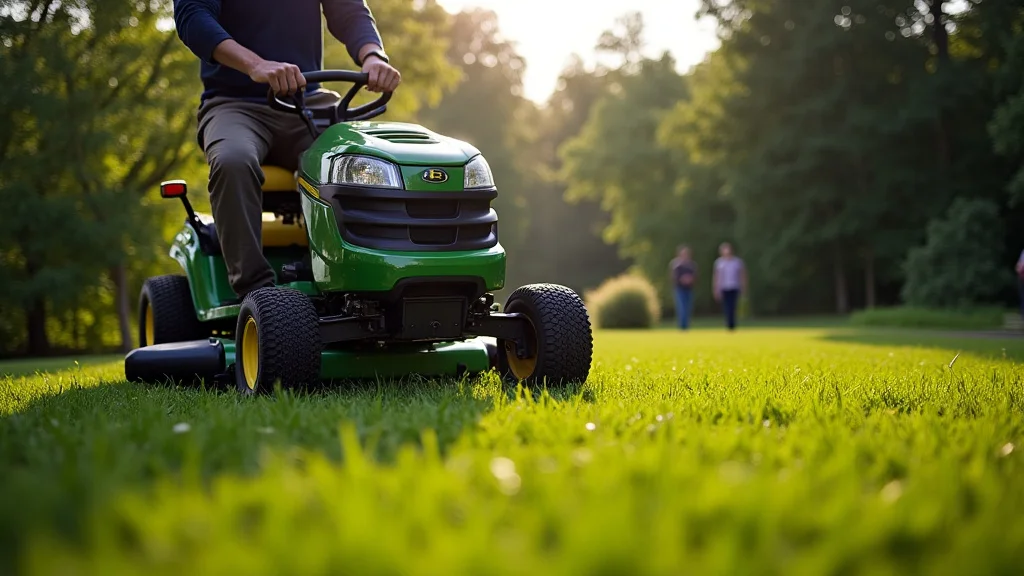
- Lawn Mower: A reliable lawn mower is the foundation of spring lawn care. Choose the right type, such as a push mower for smaller yards or a riding mower for larger areas. Electric mowers are also an excellent option.
- Dethatcher: Manual or power dethatchers remove thatch, a layer of dead grass and debris, allowing air and nutrients to reach the soil. This promotes healthier grass growth.
- Aerator: Aerators, either manual or mechanical, create small holes in the soil to allow air, water, and nutrients to penetrate the root zone, reducing soil compaction.
- Spreader: A spreader is essential for applying fertilizer, grass seed, and other lawn treatments evenly across your lawn. This ensures uniform growth and prevents over-fertilization in certain areas.
- Leaf Rake: Though often considered for fall, leaf rakes are useful in spring to remove lingering debris from the lawn, allowing sunlight to reach the grass blades.
Summer Lawn Maintenance Tools
As the weather warms up, your lawn needs consistent maintenance to remain healthy. During the summer months, your equipment focus shifts to mowing, watering, and weed control. Regular mowing keeps the grass at a healthy length, while proper watering prevents it from drying out in the heat. Weed control helps prevent unwanted plants from taking hold. The correct tools and practices during summer can make all the difference in achieving a beautiful, thriving lawn.
- Lawn Mower: Continue regular mowing, adjusting the cutting height according to your grass type and the prevailing conditions.
- Watering System: Sprinklers or a hose with a spray nozzle are vital for providing consistent moisture. Consider a timer for automatic watering.
- Weed Eater/String Trimmer: These tools are useful for trimming grass around obstacles like trees, fences, and sidewalks.
- Weed Sprayer: A weed sprayer is used to apply herbicides to control unwanted plants and weeds that can quickly take over your lawn.
- Edger: Maintain neat edges along your sidewalks, driveways, and flower beds with a dedicated lawn edger for a polished appearance.
Fall Equipment for Yard Cleanup
The fall season brings the need for cleanup and preparation for winter. This means clearing fallen leaves, aerating the soil, and preparing your equipment for storage. Proper fall lawn care sets your lawn up for success in the spring. Removing leaves and debris prevents them from suffocating the grass and harboring pests. Aerating helps reduce soil compaction, and preparing equipment for storage prevents potential damage and extends its lifespan.
- Leaf Blower: A leaf blower, either gas-powered or electric, is useful for efficiently clearing leaves from the lawn, driveways, and walkways.
- Leaf Rake: For smaller areas or detail work, a leaf rake is still a valuable tool for gathering leaves and debris.
- Lawn Mower: Continue mowing until the grass stops growing, and then prepare your mower for storage.
- Aerator: Aerate your lawn in the fall to alleviate soil compaction and provide better conditions for root growth over the winter.
- Fertilizer Spreader: Apply a winterizing fertilizer to help your lawn store nutrients and prepare for the cold months.
Winter Yard Work Tools
Winter lawn care primarily focuses on snow removal and equipment maintenance. While grass growth slows, snow removal becomes the main task. This ensures safe walkways and driveways. Maintaining your equipment, such as snowblowers and other equipment, protects your investment and ensures they are ready for action when the snow falls.
- Snowblower/Snow Shovel: A snowblower is essential for clearing driveways and walkways, while a snow shovel is useful for smaller areas or lighter snowfall.
- Ice Melt Spreader: If you use ice melt, a spreader allows even distribution to prevent icy conditions on walkways and driveways.
- Equipment Maintenance Tools: Ensure you have the tools needed to maintain your snow removal equipment.
- Protective Gear: Winter gloves, boots, and warm clothing are essential when working outside in cold weather.
Maintaining Your Four Seasons Lawn Equipment
Regular maintenance is essential to ensure your lawn equipment operates efficiently and lasts for many years. Proper care reduces the likelihood of breakdowns, minimizes repair costs, and ensures your equipment is always ready for the task at hand. Developing a routine that includes cleaning, lubrication, and inspection will maximize the life of your four seasons lawn equipment.
Mower Maintenance
Your lawn mower is a workhorse, especially during the growing season. Keeping it in top condition requires regular maintenance. This includes changing the oil, sharpening or replacing the blades, cleaning the deck, and checking the spark plug. A well-maintained mower not only cuts grass more effectively but also reduces fuel consumption and wear on the engine. Proper upkeep extends the life of your mower.
- Oil Changes: Change the oil regularly, following the manufacturer’s recommendations. This helps to keep the engine running smoothly and prevents damage.
- Blade Sharpening/Replacement: Dull blades tear grass, while sharp blades provide a clean cut. Sharpen or replace blades annually.
- Air Filter Cleaning/Replacement: A clean air filter ensures optimal engine performance. Clean or replace the filter as needed.
- Spark Plug Inspection: Check the spark plug regularly and replace it as needed to ensure efficient ignition.
String Trimmer and Edger Maintenance
String trimmers and edgers help achieve the clean lines of a well-maintained lawn. Proper care includes replacing the trimmer line, cleaning the head, and inspecting the engine. Regularly maintaining these tools ensures they perform effectively and safely. Ignoring maintenance can lead to frustrating performance issues and shorten the life of your equipment.
- Trimmer Line Replacement: Replace the trimmer line when it breaks or becomes worn to maintain cutting effectiveness.
- Head Cleaning: Clean the trimmer head to remove debris, ensuring smooth operation.
- Engine Inspection: Inspect the engine and air filter for any issues.
- Blade Sharpening/Replacement (Edger): Keep edger blades sharp for a clean, precise cut. Replace when necessary.
Snowblower Maintenance
Snowblowers are essential for clearing snow, and their maintenance is critical for reliability. Regular upkeep includes checking the oil, lubricating moving parts, and inspecting the blades. Preparing your snowblower before the winter season can save you from inconvenient breakdowns during snowstorms. Proper maintenance ensures your snowblower will be ready to tackle the harsh winter weather.
- Oil Change: Change the oil at the beginning of each winter season to keep the engine lubricated and running smoothly.
- Lubrication: Lubricate all moving parts, such as the auger and the chute, to prevent rust and ensure smooth operation.
- Blade Inspection: Inspect the blades for wear and damage. Replace them if necessary.
- Fuel System Check: Drain and stabilize the fuel if the snowblower will not be used for an extended period.
Equipment Storage
Proper storage protects your lawn equipment from the elements and extends its lifespan. After each season, cleaning and preparing your equipment for storage is crucial. This includes draining fuel, cleaning the equipment, and storing it in a dry, protected place. Correct storage ensures your equipment is ready to go when you need it again.
- Clean Equipment: Thoroughly clean all equipment before storing to remove dirt, debris, and any leftover grass clippings or snow.
- Fuel Stabilization: Drain the fuel or add a fuel stabilizer to prevent the fuel from breaking down and damaging the engine.
- Protected Storage: Store your equipment in a dry, covered area, such as a garage or shed, to protect it from the weather.
- Cover Equipment: If storing outside, cover the equipment with a protective tarp to prevent rust and sun damage.
Troubleshooting Common Equipment Issues
Even with regular maintenance, lawn equipment can sometimes experience issues. Knowing how to diagnose and resolve common problems can save you time and money. Simple issues can often be fixed with a few steps, while more complex problems may require professional assistance. Learning basic troubleshooting techniques can empower you to keep your equipment running smoothly.
Mower Troubleshooting
Lawn mowers can face a range of issues, from difficulty starting to uneven cutting. Troubleshooting these issues typically involves checking the fuel, spark plug, and blades. Addressing these common problems can restore your mower’s performance. Identifying the issue and addressing it quickly prevents more significant problems.
- Difficulty Starting: Check the fuel level, ensure the spark plug is working, and clean the air filter.
- Uneven Cutting: Inspect the blades for damage or dullness. Adjust the cutting height and check for a level deck.
- Engine Stalling: Check the fuel flow, inspect the spark plug, and clean or replace the air filter.
- Smoking Engine: Check the oil level, and make sure the mower isn’t overheating.
String Trimmer and Edger Problems
String trimmers and edgers may experience issues such as trimmer line jams and engine problems. Troubleshooting these issues involves checking the line, cleaning the head, and inspecting the engine. Quickly resolving these issues can get your tools back in action. Correcting problems early on prevents more significant complications.
- Trimmer Line Jam: Clear the head, remove any debris, and re-spool the line correctly.
- Engine Won’t Start: Check the fuel, inspect the spark plug, and clean the air filter.
- Uneven Trimming: Check the line for wear and tear. Ensure the head is level.
- Lack of Power: Inspect the fuel system and clean the carburetor if needed.
Snowblower Troubleshooting
Snowblowers can have issues such as failure to start, clogged chutes, and inefficient snow removal. Troubleshooting these problems includes inspecting the fuel, checking the spark plug, and inspecting the blades and chute. Quickly addressing these issues keeps your snowblower running when you need it most. Immediate problem solving prevents the snow from creating problems in your yard.
- Won’t Start: Check the fuel, inspect the spark plug, and make sure the engine has oil.
- Clogged Chute: Clear the chute with a stick or other non-metallic tool.
- Inefficient Snow Removal: Check the auger blades and the drive belt.
- Engine Runs Rough: Check the fuel and inspect the spark plug.
Scenario-Based Problem Solving
-
Scenario 1: Your lawn mower won’t start after sitting for a month.
- Check the fuel level and add fresh fuel if necessary.
- Inspect the spark plug for fouling or damage and clean or replace it.
- Check the air filter for clogging and clean or replace it.
-
Scenario 2: Your snowblower won’t throw snow as far as it used to.
- Inspect the blades for wear or damage and replace them if needed.
- Check the drive belt for slippage or damage.
- Make sure the chute is clear of any obstructions.
Safety Guidelines for Lawn Equipment
Operating lawn equipment involves inherent risks, and adhering to safety guidelines is essential to prevent accidents. Always read and follow the manufacturer’s instructions. Wearing appropriate protective gear, such as safety glasses, gloves, and sturdy footwear, is critical. Being aware of your surroundings and using equipment safely ensures your well-being.
Protective Gear
Using the proper protective gear while using your four seasons lawn equipment is necessary for preventing injuries. This includes safety glasses to protect your eyes from debris, gloves to protect your hands, and sturdy footwear to protect your feet. Also, hearing protection can minimize the impact of loud machinery. Proper gear reduces the risk of injuries.
- Safety Glasses: Protect your eyes from flying debris such as rocks, twigs, and grass clippings.
- Gloves: Protect your hands from cuts, abrasions, and vibrations.
- Sturdy Footwear: Wear boots or sturdy shoes to protect your feet from injury.
- Hearing Protection: Use earplugs or earmuffs to reduce exposure to loud engine noise.
Safe Operation
Safe operation practices are essential to prevent accidents. Always start equipment on a firm, level surface. Be mindful of bystanders and pets. Never operate equipment when tired or under the influence of drugs or alcohol. Careful operation makes yard work safer.
- Read the Manual: Always read the manufacturer’s instructions before operating any equipment.
- Clear the Area: Remove obstacles like rocks, toys, and debris from the area before starting.
- Bystander Awareness: Keep children and pets away from the work area.
- Operator Condition: Do not operate equipment when tired or under the influence of drugs or alcohol.
Equipment Handling
Handling lawn equipment safely involves proper practices to avoid injuries. Always turn off the equipment and remove the spark plug wire before performing any maintenance or making adjustments. Never leave running equipment unattended. Safe equipment handling reduces the risk of accidents.
- Shutdown Procedure: Always turn off the equipment and let it cool down before performing any maintenance or adjustments.
- Spark Plug Disconnect: Remove the spark plug wire to prevent accidental starts during maintenance.
- Unattended Operation: Never leave running equipment unattended.
- Fueling Safety: Fuel equipment in a well-ventilated area and avoid spilling fuel.
Common Myths Debunked
Myth 1: All Lawn Equipment Is the Same
Many believe all lawn equipment is the same, but this is far from the truth. Lawn mowers come in various types, including push mowers, riding mowers, and robotic mowers, each with unique features and intended uses. Snowblowers also come in various sizes and styles, single-stage and two-stage, designed for different snow conditions. Understanding the variations is key to choosing the right tool.
Myth 2: Sharpening Blades Annually Is Enough
While annual sharpening is good, it may not be sufficient for all users. The frequency of sharpening depends on how often you use your equipment and the type of grass you have. For example, if you mow frequently or have thick, tough grass, you might need to sharpen the blades more often. Regular inspection is recommended to know when sharpening is needed.
Myth 3: Winterizing Is Only for Snowblowers
Winterizing is not only for snowblowers; all gasoline-powered lawn equipment should be winterized. Winterizing helps prevent fuel degradation, which can lead to starting problems in the spring. This includes adding a fuel stabilizer to the gasoline, draining the fuel tank, or running the engine until it runs out of fuel. Winterizing all equipment ensures it is ready for use when the time comes.
Myth 4: High-Octane Fuel Makes Equipment Run Better
Unless your equipment’s engine is specifically designed for high-octane fuel, using it will not improve performance and is often unnecessary. Using the fuel grade recommended by the manufacturer is the best practice. High-octane fuel does not provide more power for standard lawn equipment engines. It can potentially cause carbon buildup over time.
Myth 5: You Can Use Any Oil in Your Mower
Using the correct oil for your mower’s engine is crucial for optimal performance and longevity. Using the wrong type of oil can lead to decreased engine performance, increased wear, and even engine damage. Refer to your mower’s manual for the specific oil grade and type recommended by the manufacturer. Choosing the correct oil maintains your engine.
Frequently Asked Questions
Question: How often should I change the oil in my lawn mower?
Answer: It depends on the manufacturer’s recommendations. Usually, oil changes are required after every 25 to 50 hours of use or at least once per season.
Question: How do I store gasoline for the winter?
Answer: You can use a fuel stabilizer to keep the fuel fresh or drain the fuel completely. Store the fuel in a well-ventilated, approved container.
Question: Should I sharpen my mower blades myself?
Answer: It depends on your comfort level. If you are comfortable, you can sharpen them with a file or a grinder. If not, it is best to take them to a professional.
Question: How often should I replace the trimmer line on my string trimmer?
Answer: Replace the trimmer line when it breaks or becomes worn, which will depend on how often you use the tool and the type of material you’re trimming.
Question: How do I prepare my snowblower for storage?
Answer: Drain the fuel or add a fuel stabilizer, clean the snowblower, and store it in a dry, protected place.
Final Thoughts
Mastering the use and maintenance of your four seasons lawn equipment is a worthwhile endeavor for any homeowner. From selecting the right tools for your specific needs to performing essential maintenance and understanding common issues, this guide equips you with the knowledge to maintain a beautiful and healthy yard. Regular maintenance, proper storage, and diligent troubleshooting will extend the life of your equipment. Investing time in your lawn equipment is an investment in your property’s value. With the right approach and a bit of effort, you can enjoy a beautifully maintained lawn year-round, adding to your home’s appeal and your personal satisfaction. By applying these guidelines, you’ll be well-prepared to tackle any yard care challenge with confidence and effectiveness. Always prioritize safety and enjoy the process of keeping your yard in peak condition!



Leave a Reply