Picture this: It’s a sunny Saturday, and your neighbor’s yard is the envy of the street. Lush green grass, vibrant flowers, and a perfectly manicured garden. You, on the other hand, are staring at a patchy lawn and struggling flowerbeds. Sound familiar? This post is your guide to turning that around. We’re celebrating lawn and garden month and will explore practical tips, debunk common myths, and share secrets to success. You’ll gain the knowledge to cultivate a thriving outdoor space, improve your curb appeal, and enjoy the satisfaction of a beautiful yard. Prepare to transform your outdoor space and become a confident gardener.
Key Takeaways
- Learn essential gardening techniques to boost your success.
- Discover how to choose the best plants for your local climate.
- Find out how to manage common lawn and garden problems.
- Get tips on creating a beautiful and functional outdoor space.
- Understand the importance of sustainable gardening practices.
- Explore the fun of celebrating lawn and garden month.
Planning Your Perfect Lawn and Garden
Before you even think about planting a single seed, a good plan is essential. Thinking through your yard’s potential can help avoid mistakes and wasted resources. This involves evaluating your space, selecting the right plants, and figuring out what kind of gardening you’ll do. We’ll explore steps such as soil testing, choosing plants suitable for your area, and designing your space in ways that are both beautiful and practical. Proper preparation will ensure a flourishing garden.
Assessing Your Space
The first step is to get familiar with your yard. Take a walk around, and take notes. Observe the amount of sunlight your yard gets during the day. Different plants need different amounts of sun: some prefer full sun (6+ hours), some prefer partial sun (4-6 hours), and some prefer shade (less than 4 hours). Also, notice the type of soil you have and if your area has any drainage issues. Taking note of these factors gives you a great starting point when selecting plants. You’ll also want to consider the overall size and shape of your yard and any existing structures. Consider how the space will be used, whether for relaxation, entertaining, or practical purposes like growing vegetables.
-
Sunlight Exposure: Knowing how much sun your yard receives daily will help you choose plants that will thrive. For example, tomatoes need a lot of sun, while ferns thrive in shade.
You can use a simple method to gauge sunlight. Observe your yard throughout the day and take notes on which areas are sunny and which are shady. This helps with choosing suitable plants for each location.
-
Soil Testing: Healthy soil is crucial for a healthy garden. Testing your soil will reveal its pH level and nutrient content. You can purchase a soil testing kit from a garden center, or send a sample to a professional lab.
Soil tests provide information about the soil’s acidity or alkalinity. They also tell you if the soil is lacking in any vital nutrients. Based on the results, you can then amend the soil to provide a more ideal growing environment.
-
Drainage: Observe how water flows through your yard, especially after it rains. Poor drainage can cause water to pool, leading to root rot and other problems. Good drainage is key to keeping plants happy.
If you notice areas where water remains for extended periods, you may want to address drainage issues by adding drainage systems or raising the garden beds.
Selecting the Right Plants
Choosing the correct plants is crucial for a successful garden. You will want to research plants that thrive in your climate. Consider factors such as hardiness zones, which indicate the minimum winter temperatures a plant can tolerate. Also, consider the specific microclimates within your yard. A spot near a wall may be warmer than an open area. Remember the amount of sun, and what kind of soil you have when selecting your plants. If you’re a beginner, start with easy-to-grow plants. Select a variety of plants for a diverse, attractive garden.
-
Local Climate Considerations: Research your local hardiness zone to find plants that can survive your winters. Different plants have different temperature tolerances, so this will influence your plant selection.
Knowing your hardiness zone ensures that your plants can handle the local conditions. This prevents plants from dying due to frost and low temperatures.
-
Plant Needs: Consider the specific requirements of each plant. Research their light, water, soil, and nutrient requirements. Some plants prefer full sun, while others thrive in shade.
Matching your plants’ needs to your yard’s conditions is critical. This will help them grow healthy and strong.
-
Plant Varieties: Mix different plant types. Consider including flowers, shrubs, and trees to add visual appeal and interest. Varying textures and colors creates a more dynamic look.
Using a mix of plants creates an interesting garden. Choose plants with varying bloom times so there is always something blooming. Different plant heights and foliage textures adds visual appeal.
Designing Your Outdoor Space
The design of your outdoor space is critical to making it useful and attractive. Decide how you want to use the space: do you want a place to relax, entertain guests, or grow food? Planning your layout will assist you in making decisions about your garden beds. Think about incorporating pathways, seating areas, and other elements to increase the functionality and beauty of your space. Consider the overall aesthetics and create a space that reflects your personality. When planning, consider how much maintenance is required.
-
Pathways: Include pathways to make your garden easy to navigate. Consider different materials like gravel, brick, or stepping stones to add texture and visual appeal.
Well-placed pathways add a natural flow. Plan routes through your garden for easy access to all areas.
-
Seating Areas: Create comfortable seating areas where you can relax and enjoy your garden. This might include a bench, a patio set, or even just a few chairs.
Seating areas transform your yard into a more inviting and functional space. Place seating in areas that get good sunlight or provide shade.
-
Garden Beds and Layout: Plan the layout of your garden beds. Consider the shape and arrangement of your beds, and how they will interact with the rest of your landscape.
Plan your garden beds carefully, considering sunlight, water access, and visual appeal. Decide if you want raised beds, in-ground beds, or a combination.
Essential Gardening Techniques
Once you have a plan in place, it’s time to get your hands dirty. Proper techniques can significantly boost your success. These techniques range from planting and watering to fertilizing and weeding. These steps are fundamental for all gardens. When applied correctly, you’ll not only improve your yield, but also create a healthier and more sustainable environment.
Planting and Watering
The process of planting begins with preparing your soil. Dig holes that are the correct size for the plants’ root systems. Plant your plants in the soil. Once plants are in the ground, water them well. This helps settle the soil around the roots and helps the plants to establish. Proper watering is important and is often the difference between success and failure. Consider the type of plants in your yard and their unique watering needs. Remember that less frequent, deep watering is better than shallow, frequent watering.
-
Proper Planting Techniques: Make sure to dig a hole that is large enough to accommodate the roots of your plant. Gently loosen the roots before placing them in the hole. Cover the roots with soil and water thoroughly.
Planting depth is crucial, so plant at the correct depth. This allows the roots to spread and grow properly.
-
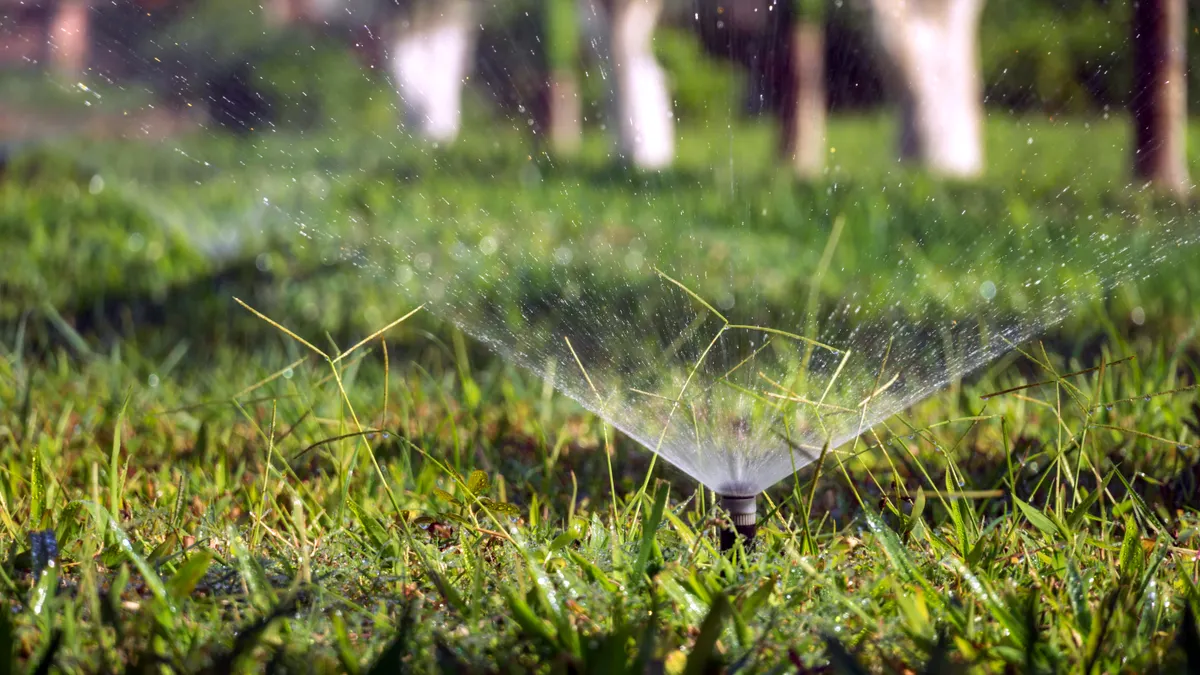
Watering Methods: Use a watering can, hose, or irrigation system to provide the plants with water. Water deeply but less frequently, allowing the soil to dry out slightly between waterings.
Consider the best time of day for watering. Early morning is ideal to let the plants absorb water before the heat of the day.
-
Watering Frequency: The frequency depends on the plant, the soil type, and the weather. Monitor your plants and adjust your watering schedule accordingly.
Avoid overwatering, which can lead to root rot. Observe your plants for signs of distress, like wilting leaves.
Fertilizing and Weeding
Fertilizing and weeding are key to maintaining a healthy garden. Fertilizing supplies nutrients that plants need to grow. Weeding helps the plants that you want to grow thrive. Fertilizer provides essential nutrients to help your plants grow and flourish. Weeding is important because weeds take nutrients and water away from the plants you want to keep. Proper fertilization and regular weeding are vital for a vibrant garden. By giving them what they need and removing threats, your plants can grow and thrive.
-
Choosing the Right Fertilizer: Select fertilizers that are appropriate for your plant types. Consider using organic fertilizers, which release nutrients gradually and improve soil health.
Understand the nutrients your plants need. Research the specific fertilizer requirements for your plants. Too much fertilizer can cause damage.
-
Fertilizer Application: Follow the manufacturer’s instructions for application. Avoid over-fertilizing, which can burn plants. Apply fertilizer when the plants need it most, usually during the growing season.
Apply fertilizer appropriately. Apply it in early spring for active growth, and follow the product instructions.
-
Weed Management: Regularly remove weeds by hand or with a hoe. Mulching can help prevent weed growth by suppressing the germination of weed seeds.
Weeds compete with plants for resources. Removing them allows your plants to thrive. Use a variety of weeding methods.
Pruning and Pest Control
Pruning and pest control are important for keeping your plants healthy. Regular pruning helps plants grow better. Pest control helps protect your plants from damage. Remove dead or damaged branches to promote growth. Inspect plants for pests and diseases, and take action promptly. Pruning and pest control will contribute to the health and beauty of your garden. It is a continual process that can prevent issues from becoming bigger problems.
-
Pruning Techniques: Learn the proper techniques for pruning different types of plants. Prune at the correct time of year, and use sharp, clean tools.
Correct pruning encourages healthy growth and flowering. Research the pruning needs of each plant type.
-
Identifying Pests and Diseases: Regularly inspect your plants for signs of pests or diseases. Look for unusual spots, holes, or discoloration on leaves.
Early detection is crucial. Identifying problems early can limit damage and the spread.
-
Pest Control Methods: Use organic or conventional pest control methods. Introduce beneficial insects, use insecticidal soap, or apply appropriate pesticides.
Select pest control methods that are appropriate for your specific problem. Use environmentally friendly and safe pest control methods.
Managing Common Lawn and Garden Problems
Even with the best planning and effort, problems can arise. Understanding and handling these challenges is a critical part of gardening. Common issues include pests, diseases, and environmental stress, such as drought. Being able to recognize these issues early and take swift action can save your plants. Proactive methods will help keep your plants healthy. Being prepared is half the battle when it comes to keeping a healthy yard.
Pest Control
Pests can cause damage to your plants, ranging from minor issues to complete destruction. Aphids, caterpillars, and slugs are a few common offenders. Inspect your plants regularly. Use a combination of methods, including manual removal, using beneficial insects, and spraying with organic insecticides. Make sure you correctly identify the pest before you apply a pesticide. Make sure to implement pest control to keep your plants healthy.
-
Identifying Common Pests: Know the common pests in your area and the damage they cause. This will help you identify infestations and take action quickly.
Each pest has a specific look, and knowing these will help you identify what’s damaging your plants.
-
Using Organic Pest Control: Consider using organic methods. These are more environmentally friendly and often safer for your plants. Try insecticidal soap, neem oil, or introducing beneficial insects.
Organic methods target pests while avoiding harm to the environment.
-
Preventative Measures: Use preventive measures to deter pests, such as choosing pest-resistant plants, maintaining a healthy garden, and regularly inspecting your plants.
Preventative actions can minimize pest problems before they begin.
Disease Management
Plant diseases can ruin your plants’ appearance and health. Fungal diseases, such as powdery mildew, and bacterial diseases, such as blight, are common. Regular inspection, good air circulation, and avoiding overhead watering can help prevent them. Remove affected plant parts promptly. The key is to manage the disease, and to limit it from spreading. It is important to act quickly to prevent further damage.
-
Identifying Plant Diseases: Recognize the signs of common plant diseases in your region. These include leaf spots, wilting, and unusual growths.
Early detection enables early intervention, which can protect your plants.
-
Disease Prevention: Practice good garden hygiene, such as removing infected plant debris. Provide good air circulation and avoid overcrowding plants.
Well-cared-for plants are better equipped to resist disease.
-
Treating Plant Diseases: Use appropriate treatments, such as fungicides, to manage diseases. Follow the product instructions.
Fungicides can stop the spread of many plant diseases. Choose the right product for the specific disease.
Dealing With Environmental Stress
Environmental stress can include a range of issues such as drought, extreme temperatures, and poor soil conditions. These can impact plant health. Use strategies such as proper watering, mulching, and selecting drought-tolerant plants. Maintaining healthy soil is also key. When you take the appropriate actions to deal with environmental stress, you’ll help your plants survive. Addressing environmental stresses makes the garden a more welcoming place for plants.
-
Watering During Drought: Provide sufficient water during drought periods. Water deeply and less frequently. Use mulch to help retain moisture in the soil.
Make sure your plants have what they need to endure dry times.
-
Protecting Plants from Extreme Temperatures: Protect plants from extreme heat or cold. Use shade cloth during heat waves or cover plants during frosts.
Make sure your plants survive temperature extremes.
-
Improving Soil Conditions: Improve the soil conditions. Add compost to enrich the soil and improve drainage.
Well-cared-for soil makes plants more resistant to stress.
Celebrating Lawn and Garden Month
Lawn and garden month is an opportunity to celebrate your love for gardening. This is an excellent time to showcase your yard or learn more about this popular hobby. Gardeners of all levels can enjoy this month. There are multiple ways to participate in this month, like hosting a neighborhood garden tour, visiting a local garden, or taking a workshop. By participating in these activities, you can share the joy of gardening with others and appreciate the benefits it brings.
Community Involvement
Participating in community events allows you to meet other gardeners, exchange tips, and celebrate the beauty of nature. Consider hosting or joining a local garden club. Volunteering at a community garden is a way of giving back. These activities will enrich your gardening experience. They also strengthen your community through a shared love of gardening.
-
Joining a Garden Club: Garden clubs provide a place for gardeners to meet. They share information about plants, techniques, and events.
Garden clubs promote learning. You can learn from experts and other gardeners.
-
Volunteering at a Community Garden: Community gardens provide spaces where people can grow food. Volunteering helps those who may not have access to their own garden.
Community gardens create a sense of community. You get to interact with others and share experiences.
-
Participating in Local Events: Many communities hold garden events. Participate in garden tours, workshops, and plant sales.
Local events are a fun way to celebrate lawn and garden month. You will find inspiration and learn new ideas.
Educational Opportunities
Lawn and garden month is an opportunity to further your education. Look for workshops and classes in your area, or attend online seminars. Learn about techniques that can improve your gardening skills. Expand your knowledge to enhance your gardening journey. Gardening education can help you. You’ll gain new insights, improve your skills, and experience the joy of a flourishing garden.
-
Workshops and Classes: Look for workshops and classes in your area. They cover topics like plant care, pest control, and garden design.
These workshops and classes offer hands-on training and expert guidance.
-
Online Resources: Utilize online resources like blogs, videos, and webinars. Get information on specific plants, techniques, and local gardening conditions.
Online resources offer convenient access to information and advice.
-
Learning From Experienced Gardeners: Interact with experienced gardeners. Ask questions, get advice, and learn from their experience.
Learning from other gardeners can speed up your learning curve.
Showcasing Your Garden
Share your garden with others. You can enter garden contests. Organize a garden tour. Show off your garden’s beauty and encourage others. Showcasing your garden is a fun and rewarding experience. This celebrates your efforts and inspires others. Sharing your garden will help you meet others who love gardening.
-
Garden Contests: Participate in local garden contests to showcase your efforts. Enter your garden in categories and compete with others.
Garden contests are a great way to gain recognition and learn from others.
-
Garden Tours: Consider organizing or participating in a garden tour. Share your garden with your community, and learn from other gardeners.
Garden tours provide inspiration and help build community.
-
Sharing Your Garden on Social Media: Use social media. Share photos of your garden, offer tips, and engage with other gardeners.
Social media is a great platform for celebrating your garden and connecting with the community.
Common Myths Debunked
Myth 1: Gardening is Only for Experienced People
Many believe that gardening requires years of experience and a deep understanding of horticulture. In reality, gardening can be for everyone. Start small with easy-to-grow plants. Educate yourself. Local garden centers and online resources provide information for beginners. Gardening is a skill that you develop over time, not something you must master before you start. Many successful gardeners started as beginners.
Myth 2: You Need a Big Yard to Garden
People often think that a large yard is needed for gardening. You can grow plants in containers, raised beds, or even small patios and balconies. Vertical gardening techniques allow you to maximize space. Herbs, vegetables, and flowers can thrive in various small spaces. Even a small space can provide the pleasure and benefits of gardening. Container gardening is a great option for smaller spaces, allowing you to grow a variety of plants.
Myth 3: Organic Gardening is Too Hard
Many believe that organic gardening is more difficult than traditional methods. Organic gardening is very accessible. Organic methods don’t require complicated practices. Organic gardening focuses on natural techniques, such as composting, companion planting, and using organic pest control. These methods help to promote soil health and plant vitality. By following these, you can easily implement organic practices in your yard and garden.
Myth 4: Gardening is Always Expensive
Some feel that gardening is an expensive hobby, requiring costly tools, equipment, and plants. While there are costs, gardening can be done affordably. You can start with basic tools, and then buy more later. Consider starting plants from seeds instead of purchasing mature plants. Compost and reuse materials. Gardening is about the experience, and there are many ways to start and enjoy gardening without spending a lot of money. You don’t need expensive equipment to get started.
Myth 5: Gardening Is Only for Summer
Some believe that gardening is a seasonal activity. Gardening can be enjoyed throughout the year. Winter gardening is possible, with cold-hardy plants and protected structures like greenhouses or cold frames. There are numerous activities during the off-season. You can plan your garden, improve your soil, and start seeds indoors. You can enjoy gardening no matter the time of year.
Frequently Asked Questions
Question: How often should I water my plants?
Answer: The frequency of watering depends on the type of plant, the soil, and the weather. Water deeply but less frequently.
Question: What is the best time to fertilize plants?
Answer: Fertilize your plants during their active growing season, usually in spring and summer.
Question: How do I know if my soil needs to be amended?
Answer: A soil test will tell you if your soil needs amendment, helping to determine the pH level and nutrient content.
Question: How can I control pests in my garden?
Answer: You can use organic pest control methods. Also, inspect your plants often to catch issues early.
Question: How can I make my garden more sustainable?
Answer: Using organic methods, composting, and conserving water are a few ways to create a sustainable garden.
Final Thoughts
Lawn and garden month is a time to appreciate the joys of gardening, from planning to harvesting. Starting with assessing your space, choosing the right plants, and using essential gardening techniques, you can establish a healthy and thriving outdoor space. Remember to celebrate your accomplishments. Celebrate the beauty and the community aspects of gardening. Embrace the opportunities for education and growth that this month provides. As you move forward, keep in mind that gardening is a learning experience. You don’t have to know everything. With each season, you’ll gain more knowledge, and your garden will reflect your efforts. Embrace the joy of gardening, the satisfaction of working in nature, and the beauty that blooms from your dedication.