
Remember that time you tried to grow tomatoes in a pot, only to find them shriveled and sad? Or maybe you dreamed of a vibrant flower bed but ended up with a patch of weeds. We’ve all been there! Creating a thriving yard and garden land takes more than just a green thumb; it takes a plan. This guide will walk you through everything you need to know, from assessing your space to choosing the right plants. You’ll gain practical knowledge to transform your outdoor space into a beautiful and productive haven. Get ready to learn and create a yard and garden land you’ll love!
Key Takeaways
- Learn to assess your property and its potential for gardening.
- Discover how to select plants that thrive in your specific climate and conditions.
- Understand the importance of soil preparation and improving soil health.
- Explore techniques for efficient watering and sustainable garden practices.
- Get tips on planning and designing your yard and garden for maximum enjoyment.
- Gain knowledge about common pests and diseases, and how to control them.
Assessing Your Yard and Garden Land
Before you even think about planting a seed, you must evaluate your space. This is the foundation upon which your gardening success will be built. This assessment helps you make informed choices about what will grow best, how much sunlight is available, and what kind of yard and garden land can be created. Ignoring this initial step can lead to frustration and wasted resources. You must consider several key aspects of your property before beginning to plant anything.
Sunlight and Shade Analysis
Sunlight is the engine that drives plant growth. Different plants have different sunlight requirements; some need full sun (6+ hours of direct sunlight), while others prefer partial shade (3-6 hours) or full shade (less than 3 hours). The first step is to observe your property throughout the day, noting where the sun shines and for how long. Use a compass to identify north, south, east, and west on your property, which will help you better understand how the sun moves across your land throughout the year. The angle of the sun changes with the seasons, impacting the length and intensity of the light available to plants. Understanding how sunlight affects your property helps determine what you can grow successfully and where. For example, a south-facing area typically receives the most sunlight.
- Observe Daily Sunlight Patterns: Walk around your property throughout the day at different times, noting where sunlight falls. Take note of how the sun shifts with the seasons.
- Consider Obstacles: Trees, buildings, and fences can cast shadows and reduce sunlight.
- Use a Sunlight Map: Create a map to track light exposure.
To accurately observe sunlight, you may need to take notes on a day with clear weather, then consider the sun’s position during each season. Observe where shadows are cast by your house, trees, or fences. Make a simple map of your property and mark areas with full sun, partial shade, or full shade. This allows you to plan gardens that are placed strategically according to sunlight needs, ensuring your plants thrive. You can also use online tools, such as the SunCalc website, to visualize the sun’s path.
Trees, buildings, and fences can significantly alter the amount of sunlight plants receive. Large trees, especially those with dense canopies, can block substantial amounts of sunlight, creating shady areas. Buildings can create shadows, particularly in the mornings and afternoons, depending on their orientation. Fences can also contribute to shading, and this effect varies based on their height, length, and material. In areas that receive limited sun, you may be limited to shade-tolerant plants.
Create a simple map of your property that will help you better visualize sunlight patterns. You can draw this by hand or use a digital tool. Mark each area of your yard and garden land, indicating the type of light exposure with the help of colors, notes, or symbols. This map becomes a valuable tool for planning where to plant various flowers, vegetables, and other plants. It also helps you choose the right plants. This map will inform the design of your garden and contribute to its success by matching the requirements of plants with the sunlight they receive.
Soil Assessment: The Foundation of Your Garden
Your soil is the lifeblood of your garden. It provides essential nutrients, water, and support for plant roots. Assessing your soil’s composition, drainage, and pH level is critical for success. This process will help you understand whether your soil needs any improvements before you start planting. Healthy soil supports healthy plants, so taking the time to learn about it ensures a thriving garden.
- Soil Texture Analysis: Understand the composition of your soil.
- Drainage Testing: Check how well water drains in your soil.
- pH Level Testing: Determine your soil’s acidity or alkalinity.
Soil texture refers to the proportions of sand, silt, and clay in your soil. To perform a basic test, take a handful of moist soil and try to form it into a ball. Sandy soil won’t hold its shape. Silty soil will feel smooth but not sticky. Clay soil will be sticky and hold a ball shape. Different soil textures affect drainage, aeration, and nutrient retention. A soil’s texture influences water drainage, and the ability to hold nutrients. The ideal soil for most plants is a loamy mix, which contains roughly equal parts of sand, silt, and clay, along with organic matter. Soil testing kits are readily available to give you specific results and advice on how to improve your soil.
Poor drainage can lead to root rot, which is a common plant killer. To test drainage, dig a hole about a foot deep and fill it with water. Observe how long it takes for the water to drain. If the water drains within an hour, drainage is good. If it takes longer, the soil might have poor drainage, which needs to be addressed before planting. Drainage can be improved by adding organic matter such as compost or peat moss. This improves the soil structure and creates air pockets for better drainage.
The pH level affects the availability of nutrients to your plants. Most plants grow best in a slightly acidic to neutral pH range (6.0-7.0). You can test your soil pH using a soil testing kit purchased at any garden center. If the pH is too high or too low, you can amend the soil with lime (to raise pH) or sulfur (to lower pH). Correcting the pH makes it possible for plants to absorb nutrients. Regularly testing and adjusting your soil’s pH helps you grow healthy, vibrant plants.
Microclimate Assessment: Local Conditions
Microclimates are small pockets within your yard and garden land that have their own unique climate conditions. These conditions can vary from one spot to another, even within a small space, and influence the types of plants that will thrive. Understanding microclimates allows you to maximize the potential of your yard and garden land. Some examples include protected areas near walls, or shaded areas near a large tree.
- Temperature Variations: Assess temperature differences within your yard.
- Wind Exposure: Observe wind patterns across your property.
- Proximity to Structures: Consider how buildings and other structures affect microclimates.
Certain areas of your yard and garden land might be warmer or colder than others. For example, areas near a south-facing wall might be warmer because they absorb more sunlight, which creates a microclimate conducive to heat-loving plants. Low-lying areas are more susceptible to frost. Pay attention to frost patterns in the spring and fall. Choosing plants that are best suited to the temperature of your particular microclimate can enhance your ability to create a thriving and diverse garden.
Wind can damage plants, particularly young or fragile ones. Note which areas of your yard are exposed to strong winds, as wind can also dry out the soil. Consider planting windbreaks, such as hedges or fences, to protect your plants. Plants that are in sheltered areas tend to thrive more. Understanding the wind patterns in your yard is important for plant placement and overall garden design.
Buildings, walls, and fences can create unique microclimates by providing shade, reflecting heat, or blocking wind. South-facing walls can increase heat, offering favorable conditions for heat-loving plants. Walls can also act as windbreaks, creating more sheltered areas. Note how these structures interact with sunlight and wind, as this will influence your plant choices and the placement of your garden. Such knowledge helps you to optimize the environment of your yard and garden land to best support your plants.
Choosing the Right Plants for Your Yard and Garden Land
Selecting the right plants is a critical part of creating a successful garden. You must consider several factors, including your local climate, soil conditions, and the amount of sunlight your yard and garden land receives. Matching the plant to its environment is key to ensuring its health and long-term survival. The following considerations will help you make the best choices for your specific location.
Climate Considerations
Your local climate plays a vital role in determining which plants will survive and thrive. Planting choices should align with your area’s average temperatures, rainfall, and growing season length. Not all plants can survive in all climates. It is important to know the hardiness zone to make the right decisions.
- Hardiness Zones: Understanding your local growing conditions.
- Local Rainfall and Humidity: Assess water availability.
- Frost Dates: Knowing when to plant.
Hardiness zones are geographical areas defined by their average minimum winter temperatures. The United States Department of Agriculture (USDA) provides a hardiness zone map that divides the country into zones based on this temperature range. Knowing your hardiness zone is essential because it helps you choose plants that can survive the coldest temperatures of your area. Plants are generally labeled with their hardiness zone range, so you can easily determine if they are suited for your area.
The amount of rainfall and the level of humidity in your area significantly affect your planting choices. Areas with low rainfall require drought-tolerant plants, while high humidity can encourage fungal diseases. Research the average rainfall in your area and the soil drainage. In areas with high rainfall, choosing plants that do not mind wet conditions is important. In areas with low rainfall, irrigation or xeriscaping methods are beneficial. Understanding your area’s rainfall helps you choose plants that thrive with the amount of water available.
Knowing your local frost dates is essential for planning your planting season. Frost dates represent the last expected frost in the spring and the first expected frost in the fall. You can use these dates to determine when it is safe to plant frost-sensitive plants and when to harvest your crops before the first frost. Using this information, you can also plan your planting schedule by starting seeds indoors and transplanting them outdoors. Local frost dates are critical for garden planning.
Soil Requirements for Different Plants
Every plant has different soil requirements. Knowing your soil’s composition, pH level, and drainage is vital to plant health. Some plants prefer acidic soil, while others thrive in alkaline conditions. Some plants require well-draining soil, while others tolerate wetter conditions. To ensure plant success, you need to understand and cater to these individual needs. These factors determine the types of plants you will be able to grow.
- Soil pH Preferences: Understanding how pH affects nutrient availability.
- Soil Texture Preferences: Matching plants to your soil type.
- Nutrient Needs: Understanding the nutritional demands of plants.
Soil pH levels (acidity or alkalinity) influence the availability of nutrients to plants. The pH scale ranges from 0 to 14, where 7 is neutral. Most plants do best in a slightly acidic to neutral range (6.0-7.0). Testing your soil pH and adjusting it with amendments like lime or sulfur is important. This ensures that the nutrients in the soil are available for plants to absorb, making them grow healthy and strong. The availability of certain nutrients is highly dependent on pH levels, which impacts plant health.
The texture of your soil (sand, silt, clay) affects drainage and aeration, which influences which plants you can successfully grow. Sandy soils drain well but may not retain nutrients. Clay soils retain nutrients but can have poor drainage. Loamy soils (a mix of sand, silt, and clay) are generally ideal because they provide good drainage, aeration, and nutrient retention. Matching plants to their preferred soil texture promotes healthy root development and overall plant success. Many plants can have their growth optimized by amending the soil to better suit their needs.
Different plants have varying needs for nutrients like nitrogen, phosphorus, and potassium. Some plants are heavy feeders, requiring a soil rich in nutrients, while others are less demanding. Before planting, perform a soil test to determine the levels of nutrients. Organic fertilizers, such as compost and manure, are an excellent method for supplying the nutrients that plants need. Knowing what your plants need helps ensure that they have access to the nutrients required for strong, healthy growth. This helps make sure they will thrive.
Plant Selection and Planning: Bringing Your Garden to Life
The final step in plant selection involves choosing specific plant varieties that will thrive in your conditions, and planning their placement within your yard and garden land. Considering the plant’s size at maturity, its light needs, and its growth habit is vital. Mixing plants with similar needs creates a healthy, balanced environment that will be easy to maintain. Careful planning will ensure that your garden is a stunning and manageable space.
- Planting for your microclimate: Take advantage of variations.
- Planting for Pollinators: Attract beneficial insects.
- Creating a plant list: Start with a plan.
Understanding and using the microclimates within your yard and garden land allows for a diverse and thriving garden. For instance, you might place heat-loving plants near a south-facing wall. Taking advantage of the different temperatures, sunlight exposures, and wind patterns will allow you to grow a wider range of plants. Matching plants to their specific microclimate reduces the need for interventions and improves their overall growth. Your garden will be more diverse and resilient.
Attracting pollinators, such as bees and butterflies, helps support plant health and productivity. Choose plants known to attract pollinators, like flowers of various colors, shapes, and bloom times. Creating a diverse garden with different types of plants provides a consistent source of food for pollinators throughout the growing season. Pollinators improve plant life, leading to a flourishing garden. Providing food and shelter for them helps create a natural ecosystem within your yard and garden land.
Creating a plant list is essential for organizing your garden design and ensuring that you choose the plants that are right for you. Create a list that includes the scientific and common names of each plant, along with their specific needs, such as sunlight, soil, and water requirements. This detailed list helps you make informed choices, ensures that you can group plants together according to their needs, and helps make the overall garden more manageable. A detailed plant list guides you when buying plants, planning your garden’s layout, and making sure that each plant gets what it needs to thrive.
Yard and Garden Land: Soil Preparation and Care
Preparing the soil is a fundamental step in building a healthy and productive garden. The way you care for your soil directly impacts your plants’ health and their ability to thrive. Proper soil preparation improves drainage, increases nutrient availability, and promotes healthy root development. Effective yard and garden land management involves these key practices, so you can achieve long-term success.
Improving Soil Health: Adding Organic Matter
Adding organic matter to your soil improves its structure, fertility, and water-holding capacity. Organic matter, such as compost, decomposed leaves, and aged manure, adds nutrients to the soil. Using organic matter is a long-term investment in your garden’s health. The process of adding organic matter improves the soil in different ways, leading to healthier plants and a more sustainable garden.
- Composting: Create your own nutrient-rich soil amendment.
- Cover Cropping: Protect and enrich the soil.
- Amendments: Add nutrients to the soil.
Composting is a simple and effective method for recycling kitchen and yard waste into a rich soil amendment. A compost pile consists of layers of “greens” (food scraps, grass clippings) and “browns” (leaves, twigs, shredded paper). Compost is the ultimate nutrient-rich soil conditioner. Compost improves soil structure, increases water retention, and provides essential nutrients to plants. The use of compost is a sustainable way to improve your yard and garden land. You can produce your own compost and improve your overall gardening.
Cover cropping involves growing plants primarily to improve the soil. These cover crops, such as rye, clover, or vetch, are typically planted in the off-season. Cover crops prevent soil erosion, suppress weeds, add organic matter, and improve soil structure. When the cover crop is turned into the soil, it decomposes, providing nutrients and improving the soil. Cover cropping is a sustainable and environmentally friendly practice. It protects your soil when it might otherwise be bare and vulnerable to the elements.
Soil amendments improve soil quality and provide essential nutrients for plant growth. Examples include compost, aged manure, and peat moss. Each amendment has a specific benefit. Compost adds organic matter and improves soil structure, manure provides nutrients, and peat moss improves water retention. Before using any amendments, it is important to test your soil so you can assess its needs. The right amendments improve the nutrient levels of your soil. This will result in healthier, more productive plants.
Watering Techniques: Efficient and Sustainable
Efficient watering is essential for maintaining a healthy yard and garden land. Inefficient watering wastes water and can lead to plant problems such as root rot. Knowing the best watering techniques and times is vital for keeping your plants healthy and thriving. Sustainable practices will also help to preserve water resources. Proper watering is a cornerstone of garden success.
- Watering Frequency and Timing: The best times to water.
- Methods: Choosing the right watering method for your plants.
- Water Conservation: Sustainable watering practices.
The frequency and timing of watering is essential for plant health. Water deeply but less frequently, allowing the soil to dry slightly between waterings. Morning watering is generally best, as it allows the foliage to dry during the day, reducing the risk of fungal diseases. Avoid watering in the evening, as this can encourage fungal growth. Watch your plants for signs of distress, such as wilting leaves, which indicate that they need water. Understanding and using the correct watering schedule helps prevent plant stress and helps your garden thrive.
There are several methods you can use to water your yard and garden land. These include using a hand-held hose, sprinklers, or a drip irrigation system. Hand-held hoses are good for spot-watering individual plants. Sprinklers are useful for large areas but can lead to water waste. Drip irrigation systems deliver water directly to the plant roots, which conserves water and prevents diseases. The right method depends on the size of your garden, the types of plants you have, and your water conservation goals. It ensures that your plants receive the right amount of water in the most efficient way possible.
Using water wisely is essential for preserving resources and creating a sustainable garden. Mulching helps retain moisture in the soil, reducing the need for frequent watering. Rain barrels capture rainwater, which you can use for irrigation. Choosing drought-tolerant plants also reduces your water needs. By implementing sustainable practices, you can have a thriving garden while minimizing your impact on the environment. Efficient water management helps to conserve water and protect the planet’s precious resources.
Yard and Garden Land Design and Planning
Planning the layout and design of your yard and garden land is key to creating a beautiful and functional space. A well-designed garden blends aesthetics with practicality, making the most of the available space. Careful planning involves considering the placement of plants, the layout of paths and features, and how you will use the space. A well-designed garden will bring enjoyment for years.
Designing Your Space: Layout and Aesthetics
The design of your garden involves arranging the different elements to create an attractive and functional space. This is an exciting process, where you can blend practical considerations with your personal preferences. The overall appearance of your garden, the paths, and the placement of features will affect the function and beauty of your yard and garden land.
- Garden Layout: Planning the overall structure of your garden.
- Paths and Walkways: Connecting different areas of your yard.
- Visual Elements: Using color, texture, and form.
Think of your garden like a room in your house; it should be inviting and easy to use. The layout includes the placement of beds, paths, and structures such as patios or sheds. Consider the flow and how you want to move through the space. Symmetry creates a formal look. Asymmetrical designs tend to have a more relaxed feel. Planning the layout before planting ensures your garden will be both visually pleasing and practical. Planning helps create a seamless flow.
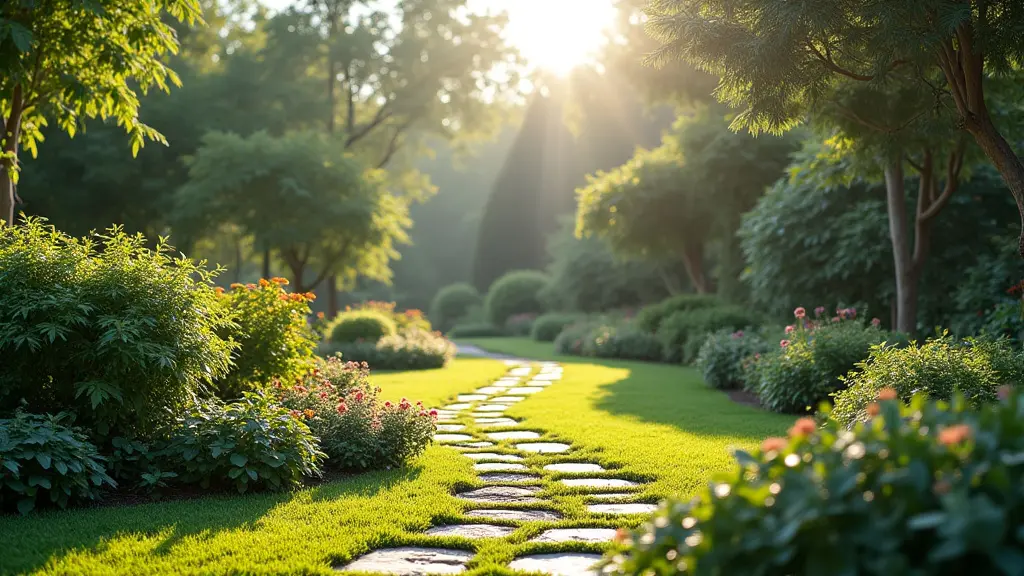
Paths and walkways guide the flow of movement through your garden and connect different areas. They can be made of various materials, such as gravel, stone, or paving stones. The width, shape, and material you choose should suit your design vision. Paths not only provide access to different parts of your garden but can also enhance the overall aesthetic appeal. They can also create a structure to your garden. Creating paths makes your garden more accessible and enjoyable. They also provide visual interest.
Create visual interest in your garden by using different colors, textures, and forms in your plantings. Varying the shapes and sizes of plants, as well as choosing a diverse color palette, creates visual appeal. Use plants with different foliage textures, from the fine leaves of grasses to the bold leaves of hostas. By combining different elements, you can design a garden that will be stimulating and pleasing to the eye. You can also vary bloom times. The thoughtful use of color, texture, and form adds depth and interest to your yard and garden land.
Planning Your Garden: Practical Considerations
Planning goes beyond the aesthetics; it also involves practical considerations. This includes choosing plants suitable for your climate and soil conditions, determining the placement of key elements like garden beds and structures, and planning for ongoing maintenance. Careful planning ensures that your garden will be a joy to care for and enjoy.
- Placement: Optimizing sunlight, water, and space.
- Plant Grouping: Matching plant needs.
- Maintenance: Planning for ongoing care.
Consider the sun exposure, watering needs, and space requirements of your plants when planning the placement of garden beds and plants. Group plants with similar light and water requirements together to help with irrigation and care. Make sure larger plants do not shade smaller ones. A well-planned garden layout allows plants to flourish. Proper placement maximizes sunlight and water access and allows for healthy plant growth and easy care. When planning your garden, make sure to consider space requirements.
Grouping plants with similar needs simplifies maintenance and improves plant health. This means grouping plants with similar sunlight needs, water requirements, and soil preferences together. Grouping plants with similar bloom times can extend the visual interest of your garden throughout the season. Proper plant grouping will reduce the need for constant maintenance and intervention. It also creates a cohesive and balanced ecosystem in your yard and garden land. Grouping plants increases their chance of success.
Create a maintenance plan to care for your garden. This includes tasks such as weeding, watering, fertilizing, and pruning. Plan to perform these tasks regularly. Choose low-maintenance plants if you have limited time. Make sure you know when to prune, water, and fertilize. This plan will ensure that your garden will remain healthy and attractive throughout the year. Regular maintenance keeps your garden looking its best, which enhances your enjoyment of your yard and garden land.
Controlling Common Pests and Diseases in Yard and Garden Land
Protecting your yard and garden land from pests and diseases is essential for maintaining a healthy and productive garden. Pests, such as insects and rodents, can damage your plants. Diseases caused by fungi, bacteria, and viruses can spread quickly and destroy entire crops. Understanding these potential threats and employing preventative and responsive measures is key to keeping your plants thriving. Proactive management of common garden threats is key to overall success.
Identifying Common Pests and Diseases
Knowing what to look for is the first step in protecting your garden. Early detection of pests and diseases allows for rapid and effective responses. Recognizing the signs and symptoms of common garden problems helps you to take the right actions quickly. You must know how to identify these problems to protect your plants and prevent major damage.
- Insect Pests: Recognizing common insects.
- Fungal Diseases: Recognizing fungal infections.
- Disease Identification: Learning how to identify plant diseases.
Several common insect pests can cause damage to your plants. These include aphids, spider mites, and caterpillars, to name a few. Aphids suck plant sap. Spider mites cause stippling on leaves. Caterpillars can devour foliage. Regular inspections of your plants are crucial to identifying pests early. Learn how to recognize the damage each pest causes, and you can take quick action. Identifying these pests and their damage helps you respond effectively. You can control these problems by knowing which pests are present.
Fungal diseases, such as powdery mildew, black spot, and rust, are common in gardens. These diseases can spread quickly, particularly in humid conditions. Look for signs such as discolored spots, white or gray patches on leaves, and distorted plant growth. Proper air circulation and avoiding overhead watering can prevent fungal disease. Applying fungicides can control existing infections. Accurate identification allows you to start the correct treatment. By quickly identifying these problems, you can help protect your plants.
Plant diseases often have specific symptoms that help with identification. Common symptoms include wilting, yellowing, leaf spots, and stunted growth. Examine your plants regularly for unusual signs. Understanding the types of diseases that affect different plants can assist you in finding a suitable treatment. Knowing the cause of the disease allows you to choose an effective treatment. Knowing what problems to look for in your yard and garden land is key to maintaining a healthy garden.
Prevention and Control
Preventative measures are the best way to control pests and diseases in your garden. There are several natural and organic methods you can employ to minimize pest damage and disease. Regular inspections and proper practices are important in keeping your plants healthy. Early action is key to managing garden problems.
- Healthy Plants: Plant selection and care.
- Natural Control Methods: Using organic methods.
- Integrated Pest Management (IPM): A balanced strategy.
Planting healthy plants and providing them with proper care is a great first step in preventing pests and diseases. Choose plant varieties that are resistant to common problems in your area. Provide the right growing conditions, including adequate sunlight, water, and nutrients. Healthy plants are better able to withstand pests and diseases. If your plants are healthy and strong, they are less likely to suffer from serious problems. Proper selection and care are an important part of pest and disease prevention in your yard and garden land.
Embracing natural control methods will minimize the use of chemical pesticides and promote a balanced garden ecosystem. Introduce beneficial insects, such as ladybugs and lacewings, to control pests. Use organic sprays, such as neem oil or insecticidal soap. Encourage beneficial insects by planting flowers that attract them. Natural control methods provide a sustainable way to manage pests and diseases. These methods help to maintain the health of your garden.
Integrated Pest Management (IPM) is a strategy that combines multiple methods to control pests and diseases. IPM focuses on prevention first, followed by careful monitoring and the use of the least-toxic control methods. IPM reduces the reliance on harmful chemicals. Implementing IPM practices creates a healthier garden. Using IPM helps you manage pests and diseases sustainably. IPM is a good way to maintain a healthy and balanced garden environment.
Using Chemical Controls: When and How
When natural methods are not enough, chemical controls may be necessary. Using chemical controls can be effective, but it is important to do so responsibly. Carefully consider the risks and benefits. When using chemical controls, it is essential to follow the manufacturer’s instructions. Proper use minimizes the risk of harm to beneficial insects, people, and the environment.
- Choosing Products: Selecting the right chemicals.
- Application: Correct application methods.
- Safety Precautions: Protecting yourself and the environment.
Choosing the right chemical controls depends on the specific pest or disease you want to treat. It is essential to identify the problem accurately before choosing a chemical. Choose products that are specifically labeled for your target pest or disease. Always read and follow the label instructions carefully. Using the correct chemical, and knowing the recommended amount and method, minimizes risks. Knowing how to choose products increases your chances of successfully managing your garden problems.
The method of application is just as important as the chemical itself. Always follow the manufacturer’s instructions for application. Wear protective gear, such as gloves, eye protection, and a mask, when handling and applying chemicals. Apply chemicals when the wind is calm to avoid drift. Applying chemicals properly reduces the risk of harming yourself, the environment, and beneficial insects. Following the correct application methods makes your treatment more effective and reduces risks.
Safety is the most important part of using chemical controls. Store all chemicals safely, out of reach of children and pets. Dispose of empty containers properly. Consider the impact of the chemicals on beneficial insects, pollinators, and the environment. Always follow safety precautions when using any chemical. Proper handling and disposal will make your garden safer. Safety comes first, so make sure you follow all the safety precautions.
Common Myths Debunked
Myth 1: You need a green thumb to have a successful garden.
In reality, gardening is more about knowledge and planning than some innate ability. Anyone can learn the basic principles of gardening, such as understanding sunlight, soil conditions, and plant needs. With the right information, resources, and a bit of effort, you can create a beautiful and productive yard and garden land.
Myth 2: All plants require lots of water to thrive.
While some plants need ample water, many others, like succulents and native plants, are adapted to dry conditions. Choosing the right plants for your climate and using efficient watering techniques, like drip irrigation or mulching, can significantly reduce your water usage while maintaining a thriving garden.
Myth 3: Pest control always requires using chemical pesticides.
There are many effective natural and organic pest control methods available. These include using beneficial insects, like ladybugs and lacewings, and organic sprays, such as neem oil or insecticidal soap. Additionally, a well-balanced garden ecosystem supports itself, with natural predators keeping pest populations in check.
Myth 4: Soil needs to be turned over every year.
Frequent tilling can disrupt soil structure, harm beneficial organisms, and lead to soil erosion. It’s often better to minimize soil disturbance by using no-till methods, such as adding compost and mulching to improve soil health and fertility without disturbing the natural soil structure. In many cases, it is only necessary to turn the soil for the first planting.
Myth 5: All fertilizers are created equal.
Fertilizers vary greatly in their composition and how they deliver nutrients. Chemical fertilizers provide quick results but can deplete the soil and harm beneficial organisms if overused. Organic fertilizers, like compost, manure, and other organic matter, improve soil health over time, providing a steady release of nutrients and promoting a healthy ecosystem in your yard and garden land. Always match the fertilizer type to the plant’s needs.
Frequently Asked Questions
Question: How often should I water my plants?
Answer: It depends on the plant and your climate. Water deeply and less frequently, allowing the soil to dry slightly between waterings. Morning watering is generally best.
Question: What is the best way to improve my soil?
Answer: Adding organic matter, like compost, aged manure, and shredded leaves, is the best way to improve your soil’s structure, fertility, and water retention.
Question: How do I know if my plants have a disease?
Answer: Look for signs like discolored spots, wilting, distorted growth, or unusual leaf patterns. Consult a gardening guide or seek expert advice to identify the specific disease.
Question: How can I attract pollinators to my garden?
Answer: Plant a diverse range of flowering plants, especially those that bloom at different times of the year. Avoid using pesticides, as they can harm pollinators.
Question: What’s the best way to deal with weeds?
Answer: Mulch your garden beds to suppress weed growth. Hand-pull weeds regularly, and consider using organic herbicides if necessary. Prevention is key!
Final Thoughts
Creating a beautiful and productive yard and garden land is an attainable goal for everyone. You now have the knowledge to assess your property, choose the right plants, and prepare your soil. You’ve also explored the importance of efficient watering, pest control, and thoughtful design. With a little planning and effort, you can transform your outdoor space into a sanctuary. Embrace the process, experiment with different techniques, and most importantly, enjoy the journey. Start small, be patient, and watch your garden flourish. You can make it a place to relax, entertain, and connect with nature, one seed at a time. The joy of a thriving garden awaits you. Get started today!
Leave a Reply