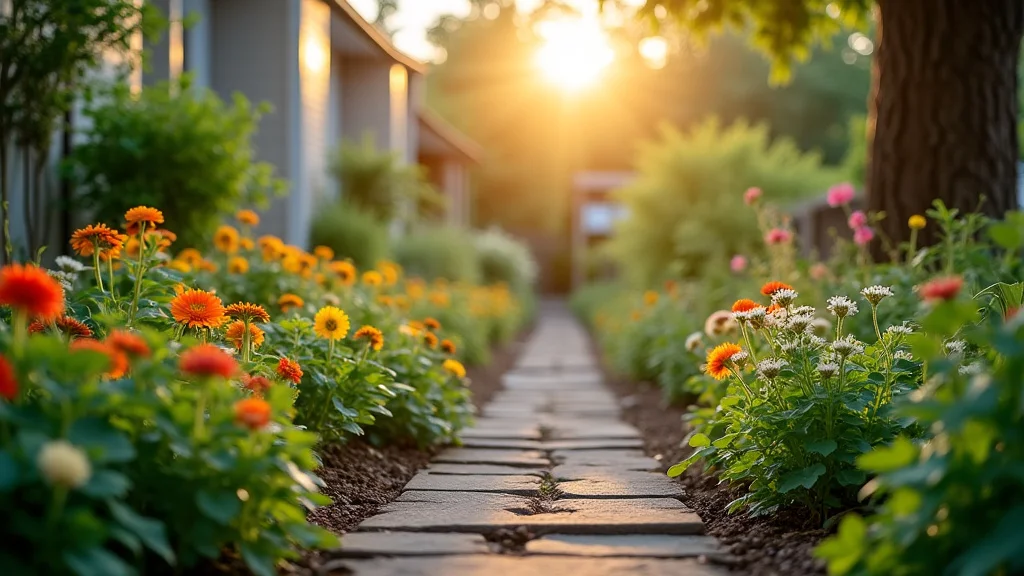
The other day, I was sitting on my patio, sipping iced tea, and staring at my yard and garden. It was a beautiful day, but something was off. Weeds were popping up everywhere, the grass was looking a bit patchy, and the roses were struggling. It was clear my outdoor space needed some serious attention. But where to begin? This post is a guide for anyone looking to transform their outdoor space into a thriving oasis. You’ll gain a solid plan for your yard and garden, saving you time and money, all while enjoying the fruits of your labor.
Key Takeaways
- Learn how to plan and prepare your outdoor area.
- Explore different plant choices suited for various climates and conditions.
- Discover techniques for soil improvement and plant care.
- Find methods for controlling pests and diseases naturally.
- Understand the importance of ongoing maintenance.
- Get tips for designing a beautiful and functional space.
Planning Your Yard and Garden
Before you even think about planting a single seed, careful planning is essential. It’s like building a house – you need a blueprint! Start by assessing your current space. What are its strengths and weaknesses? What kind of sunlight does it get? What is your soil like? All these aspects affect your decisions. A good plan will prevent costly mistakes and will ensure you have a space that is both beautiful and easy to manage.
Assessing Your Space
The first step involves a detailed assessment of your yard and garden. This means taking a good look at the land and understanding what you are working with. Consider the size and shape of your outdoor space, paying attention to any existing features like trees, structures, and slopes. Make notes about how much sunlight each area receives throughout the day, as this will influence which plants will thrive. Also, observe the drainage patterns to avoid waterlogging.
- Sunlight: Observe how sunlight hits different parts of your yard throughout the day. Areas with full sun (6+ hours of direct sunlight), partial sun (4-6 hours), and shade (less than 4 hours) need specific plant types.
- Soil Testing: Get your soil tested to determine its composition, pH level, and nutrient content. This provides a baseline for soil improvement. Many local gardening stores offer soil testing services.
- Drainage: Observe how water drains after a rainfall. Poor drainage can lead to root rot.
- Existing Structures: Note the presence of any structures, such as decks, patios, or fences. These influence the design layout.
- Climate: Research your local climate zone to know about frost dates and seasonal weather patterns.
Analyzing the existing features will help you create a plan to transform your outdoor space.
Creating a Design Plan
Once you’ve assessed your outdoor space, start creating a design plan. Sketch out your ideal yard and garden layout on paper or using design software. Consider how you want to use the space – do you want a vegetable garden, a play area for children, or a relaxing seating area? Think about the pathways, the placement of plants, and the incorporation of any hardscaping elements, such as patios or pathways. A detailed plan helps to organize tasks and avoid impulsive decisions.
- Define Zones: Divide your yard into different zones based on their function, such as a vegetable garden, a flower bed, a seating area, or a play space.
- Sketch a Layout: Draw a rough sketch of your yard, including all the existing features, and experiment with different layouts. Consider the size and shape of plants at maturity.
- Choose a Style: Select a design style that reflects your preferences. Styles range from formal to naturalistic.
- Consider Pathways: Plan the layout of pathways and determine their materials, such as gravel, stone, or paving stones.
- Incorporate Hardscaping: Integrate hardscaping elements like patios, decks, walls, or fences into your design.
A well-thought-out design plan provides a framework for building your dream yard and garden.
Selecting Plants
Choosing the right plants is critical for creating a thriving yard and garden. The plants you select should be well-suited to your climate, soil conditions, and the amount of sunlight your outdoor space receives. Consider the mature size of the plants to ensure they fit the space, and select a mix of plants that provide visual interest throughout the growing seasons. This means having something in bloom, or foliage that will attract your attention, at different times of the year.
- Climate Compatibility: Select plants that are known to thrive in your climate zone.
- Soil Preferences: Research the soil preferences of your chosen plants. Adjust your soil as needed.
- Sunlight Needs: Group plants together based on their sunlight requirements. Don’t place shade plants in full sun.
- Mature Size: Consider the eventual size of plants to prevent overcrowding.
- Bloom Time: Select plants that bloom at different times to extend the flowering season.
Careful plant selection guarantees a healthy, visually appealing outdoor space.
Improving Soil and Preparing the Ground
Healthy soil is the foundation of any thriving yard and garden. Soil quality has a massive impact on plant growth and overall health. Before you begin planting, it is necessary to prepare the ground properly, improving the soil’s structure, fertility, and drainage. Good soil absorbs water and provides nutrients.
Testing and Improving Soil Composition
Soil testing is the first step toward improving soil quality. A soil test will reveal the soil’s pH level and nutrient content. Knowing this information lets you add amendments to bring the soil to its ideal condition. The most common soil types are clay, silt, sand, and loam. Loam is the best soil, because it contains a good balance of sand, silt, and clay, and also retains nutrients and water well.
- Testing: Get your soil tested at the beginning of your gardening season.
- pH Level: Most plants thrive in slightly acidic soil. Adjust pH with lime (to raise) or sulfur (to lower).
- Organic Matter: Compost and other organic matter improve soil structure, water retention, and fertility.
- Nutrient Deficiencies: Address nutrient deficiencies with organic fertilizers, such as composted manure.
- Soil Drainage: Improve drainage by incorporating coarse sand, compost, or other materials into clay soils.
Good soil equals good plants. By knowing your soil, you can build a strong foundation for your yard and garden.
Preparing Planting Beds
Properly preparing your planting beds involves several steps that ensure your plants have the best start. This includes removing weeds, loosening the soil, and incorporating amendments. When the soil is prepared well, it makes it easier for plants to establish their roots and to get the nutrients they need. A well-prepared planting bed is essential for success.
- Weed Removal: Thoroughly remove any weeds and their roots from the planting beds.
- Soil Loosening: Loosen the soil to a depth of at least 12 inches using a garden fork or tiller.
- Amendment Incorporation: Mix in compost, well-rotted manure, or other organic matter.
- Bed Shaping: Raise the beds slightly for better drainage.
- Leveling: Even out the soil surface with a rake before planting.
Proper preparation guarantees your plants get the best possible start. It will ensure they grow stronger and healthier.
Mulching
Mulching is a key element of maintaining a healthy yard and garden. Mulch is a layer of material that is placed on top of the soil around plants. It serves multiple purposes, including suppressing weeds, conserving soil moisture, regulating soil temperature, and improving the appearance of your beds. A well-mulched garden requires less work and provides many benefits.
- Types of Mulch: Common mulch materials include wood chips, shredded bark, straw, and compost.
- Weed Suppression: Mulch blocks sunlight, which suppresses weed growth.
- Moisture Retention: Mulch helps the soil retain moisture, reducing the need for watering.
- Temperature Regulation: Mulch regulates soil temperature, keeping it cooler in summer and warmer in winter.
- Appearance: Mulch gives beds a neat, finished look.
Mulching is an easy, low-cost way to improve the health and beauty of your yard and garden. It creates a space for plants to thrive, without extra work.
Caring for Your Yard and Garden
Once your plants are in the ground, regular care is essential. This includes watering, feeding, and pruning. Proper care encourages healthy growth, abundant blooms, and a beautiful outdoor space. By following a consistent care plan, your yard and garden will thrive. The result is a vibrant, enjoyable area.
Watering Techniques
Watering correctly is vital for plant health. Provide the right amount of water at the appropriate times. The frequency of watering depends on several factors, including the plant type, climate, and soil. Overwatering can lead to root rot, while underwatering can cause drought stress. A regular watering schedule will help maintain healthy plants.
- Watering Frequency: Water deeply but less frequently, allowing the soil to dry out slightly between watering.
- Time of Day: Water in the morning to allow foliage to dry before nightfall, reducing the risk of fungal diseases.
- Watering Methods: Use a soaker hose or drip irrigation for efficient watering. Avoid overhead watering.
- Water Needs: Adjust the watering schedule based on plant type and weather conditions.
- Soil Check: Check the soil moisture by inserting your finger a few inches into the soil.
Proper watering ensures your plants get the right amount of water. It allows them to grow well.
Feeding Your Plants
Plants need nutrients to thrive, and feeding is an essential part of plant care. Different plants have different nutrient needs. Regular fertilization replenishes the soil and provides the necessary elements for vigorous growth and abundant blooms. You can choose from various fertilizers. Your choice depends on your plants’ needs and your personal preference.
- Soil Testing: Use a soil test to determine the nutrient deficiencies.
- Fertilizer Types: Choose between organic and chemical fertilizers. Organic options include compost and manure.
- Fertilizer Application: Follow the instructions carefully on fertilizer products.
- Fertilizing Frequency: Fertilize during the growing season.
- Signs of Deficiency: Watch for signs of nutrient deficiencies, such as yellowing leaves.
Feeding your plants regularly gives them the nutrients they need. This results in stronger, healthier plants.
Pruning and Maintenance
Pruning is essential for promoting plant health, shape, and overall beauty. Pruning involves removing dead, damaged, or overcrowded branches or stems. Regular pruning encourages new growth, improves air circulation, and prevents disease. The type of pruning needed varies by plant type and the desired outcome. Maintaining the health of your yard and garden means pruning and regular maintenance.
- Timing: Prune at the correct time of year, based on the plant type.
- Tools: Use sharp, clean pruning shears or loppers.
- Techniques: Remove dead, damaged, and diseased branches.
- Shaping: Shape plants to improve appearance.
- Ongoing Maintenance: Remove spent flowers. This will encourage continued blooming.
Pruning improves the health and appearance of your plants, increasing enjoyment of your outdoor space.
Controlling Pests and Diseases
Protecting your yard and garden from pests and diseases is important for keeping your plants healthy. Pest and disease outbreaks can be frustrating. Early detection and treatment can prevent serious problems. A natural approach to pest and disease control reduces the use of harsh chemicals. It also protects beneficial insects and the environment.
Identifying Common Pests and Diseases
Being able to identify common pests and diseases is key to effective control. Many pests and diseases can affect plants. Learning to recognize their signs and symptoms is the first step toward preventing them. Common pests include aphids, slugs, and Japanese beetles. Common diseases include powdery mildew, black spot, and rust.
- Aphids: Small, soft-bodied insects that suck plant sap.
- Slugs: Soft-bodied mollusks that feed on plant foliage.
- Powdery Mildew: A fungal disease that causes a white, powdery coating on leaves.
- Black Spot: A fungal disease that causes black spots on rose leaves.
- Japanese Beetles: Metallic green beetles that eat leaves.
Identifying pests and diseases quickly helps you take appropriate action to protect your yard and garden.
Natural Pest Control
Managing pests without using harsh chemicals is possible. Natural pest control methods include physical barriers, beneficial insects, and homemade remedies. These methods are safe for your plants, the environment, and your family. Natural pest control supports a healthy garden ecosystem.
- Handpicking: Manually remove pests, such as caterpillars and Japanese beetles.
- Beneficial Insects: Attract beneficial insects, such as ladybugs and lacewings, to eat pests.
- Insecticidal Soap: Use insecticidal soap to control aphids and other soft-bodied insects.
- Neem Oil: Apply neem oil to control a wide variety of pests and diseases.
- Physical Barriers: Use row covers to protect plants from pests.
Natural pest control methods provide effective defense. They also keep your yard and garden healthy and thriving.
Disease Prevention and Control
Preventing diseases is often better than treating them. Good sanitation, proper plant spacing, and selecting disease-resistant varieties can all help prevent diseases. If diseases do appear, prompt action can prevent them from spreading. Using natural disease controls will promote health and vitality in your yard and garden.
- Sanitation: Remove and dispose of infected plant material.
- Air Circulation: Space plants properly for good air circulation.
- Watering: Water plants at the base to avoid wetting foliage.
- Fungicides: Use organic fungicides, such as copper-based sprays, to control fungal diseases.
- Resistant Varieties: Plant varieties of plants that are resistant to common diseases.
A proactive approach to disease control helps keep your yard and garden free from problems. This will make your plants healthier and more beautiful.
Designing a Beautiful and Functional Outdoor Space
Creating a beautiful and functional yard and garden involves combining aesthetics with practicality. Think about what you want your outdoor space to accomplish. This could be anything from a peaceful retreat to an area for entertaining. Careful planning and design principles will help you create a space that meets your needs and reflects your personal style.
Incorporating Design Elements
Adding design elements to your outdoor space will enhance its beauty and functionality. Design principles include things like balance, color, and texture. These elements help create a visually appealing space. Well-chosen elements can also make your outdoor space easier to use and more enjoyable. These elements create a cohesive and welcoming area.
- Color: Use a color scheme that complements the surrounding landscape.
- Texture: Combine different textures, such as smooth pavers and rough stone.
- Balance: Create a sense of balance by arranging elements symmetrically or asymmetrically.
- Focal Points: Incorporate focal points, such as a sculpture or a beautiful tree, to draw the eye.
- Paths: Use paths to guide foot traffic and connect different areas of your outdoor space.
Thoughtful design will transform your yard and garden. It creates a space that is both visually appealing and comfortable to be in.
Creating Outdoor Rooms
Creating outdoor “rooms” involves defining separate areas within your outdoor space for different functions. This concept makes your yard and garden more functional and enjoyable. These spaces can be used for dining, relaxing, cooking, or playing. Careful use of the layout creates an inviting and versatile outdoor living area.
- Dining Area: Set up a dining table and chairs for outdoor meals.
- Relaxation Area: Create a seating area with comfortable furniture.
- Cooking Area: Add an outdoor kitchen or grill.
- Play Area: Design a designated space for children.
- Privacy: Use plants, screens, or fences to create privacy.
Creating outdoor rooms will help you to get the most out of your outdoor space. It increases both its functionality and your enjoyment.
Hardscaping and Softscaping
Combining hardscaping and softscaping creates a complete and appealing outdoor space. Hardscaping refers to the non-living elements, such as patios, walkways, and walls. Softscaping refers to the living elements, such as plants, trees, and lawns. Using both elements together creates a cohesive and visually pleasing outdoor environment. This mix of elements adds beauty and functionality to your outdoor space.
- Hardscaping: Use hardscaping elements to define spaces, create paths, and add structural interest.
- Softscaping: Use softscaping elements to add color, texture, and visual interest.
- Balance: Balance the use of hardscaping and softscaping to create harmony.
- Materials: Choose materials that complement each other and your home’s style.
- Maintenance: Consider the maintenance required for both hardscaping and softscaping elements.
Combining hardscaping and softscaping gives you an outdoor space that is both functional and aesthetically pleasing.
Common Myths Debunked
Myth 1: Gardening is too difficult.
In reality, gardening can be as easy or as complex as you want it to be. Start small, choose easy-to-grow plants, and learn as you go. There are resources galore to help you on your journey. By starting with simple steps and making small changes, even beginners can enjoy a flourishing yard and garden.
Myth 2: You need a big outdoor space to have a garden.
False! You can grow food and flowers in small spaces like balconies, patios, and even windowsills. Container gardening is a great option. It allows you to grow a variety of plants in limited spaces. With some creativity, you can have a thriving yard and garden regardless of space.
Myth 3: Organic gardening is too expensive.
Not necessarily. While some organic products can be pricier, many organic methods are very cost-effective. Composting, using homemade pest control solutions, and selecting the right plants are all budget-friendly options. Organic gardening is accessible to anyone wanting to grow a healthy yard and garden without breaking the bank.
Myth 4: All plants need the same amount of water.
Incorrect! Different plants have different water needs. Some plants thrive in dry conditions. Others need frequent watering. Knowing what your plants need is important. Matching the right plants to their environment is key to growing a beautiful yard and garden.
Myth 5: You need to use chemicals to control pests.
That is not correct. There are many ways to control pests organically, without using harmful chemicals. Using beneficial insects, handpicking pests, and using natural remedies like neem oil are all effective. These methods keep your yard and garden healthy without causing harm to the environment.
Frequently Asked Questions
Question: How often should I water my plants?
Answer: It depends on the plant, climate, and soil. Check the soil moisture before watering. Water when the top inch or two of soil is dry.
Question: What’s the best time of day to water my plants?
Answer: Water in the morning to allow foliage to dry before nightfall, reducing the risk of fungal diseases.
Question: How can I improve my soil?
Answer: Add compost, well-rotted manure, or other organic matter to improve soil structure and fertility. Have your soil tested and adjust pH as needed.
Question: What is mulching, and why is it important?
Answer: Mulching is the act of covering the soil surface with a material. It helps suppress weeds, retain moisture, regulate soil temperature, and improve the appearance of beds.
Question: How do I get rid of pests naturally?
Answer: Use natural pest control methods, such as handpicking, attracting beneficial insects, using insecticidal soap, and using neem oil.
Final Thoughts
Your yard and garden is a space to relax, connect with nature, and create something beautiful. It takes some planning, effort, and regular care, but the rewards are immeasurable. Imagine the joy of watching your flowers bloom, the taste of fresh vegetables you’ve grown yourself, or the peacefulness of sitting in your own personal oasis. With a good plan, the right techniques, and a little patience, you can transform your outdoor space into a thriving, enjoyable part of your life. Start small, be patient, and enjoy the process. Your dream yard and garden is within reach!
Leave a Reply