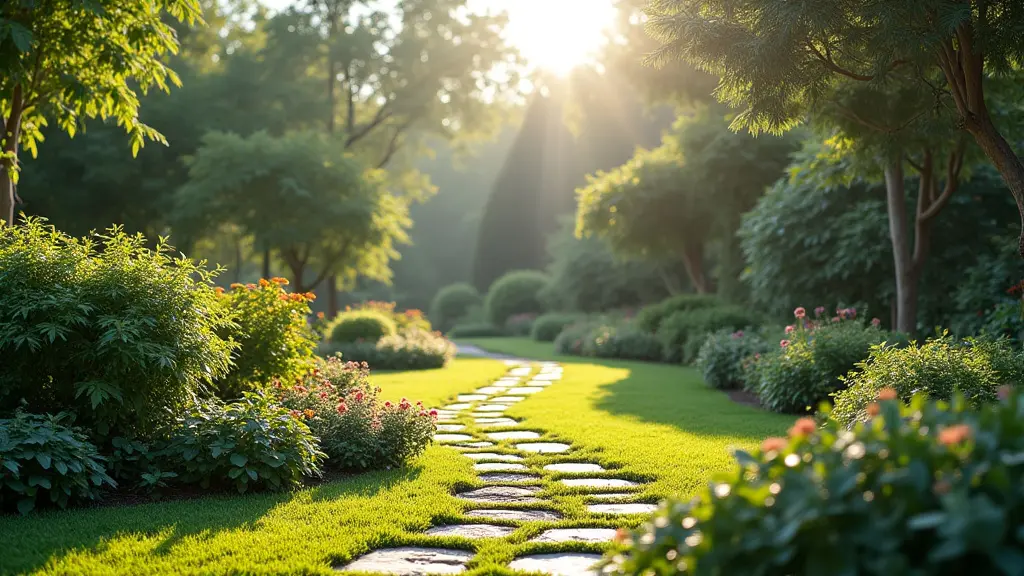
Picture this: You wake up on a Saturday morning, eager to enjoy your yard. But instead of a lush, inviting landscape, you’re faced with patchy grass, unruly weeds, and plants that just aren’t thriving. Frustration sets in, right? What if you had a premium lawn and garden, a beautiful outdoor space that’s the envy of the neighborhood? This guide explores the secrets to achieving just that, transforming your yard into a verdant paradise. You’ll learn the steps to create and maintain a stunning outdoor area, gain valuable insights, and find the resources needed for a flourishing garden. Get ready to learn, improve your outdoor space, and spend more time enjoying it!
Key Takeaways
- Learn about essential elements for achieving a thriving, beautiful outdoor space.
- Discover how to choose the right plants and design for your specific area.
- Understand the importance of soil health and proper maintenance techniques.
- Explore the latest innovations and products in premium gardening.
- Gain expert advice to overcome common lawn and garden challenges.
- Create a plan to create a beautiful and enjoyable outdoor space.
Planning Your Premium Lawn and Garden
The foundation of any successful garden begins with careful planning. Consider your space, climate, and personal preferences before you even pick up a shovel. Think about the amount of sunlight your yard receives, the type of soil you have, and the microclimates that might exist. A well-thought-out plan sets the stage for a beautiful and easy-to-manage outdoor space. Ignoring these elements early on can lead to frustration and wasted resources down the line. It’s about creating a place that meets your needs and complements your home’s aesthetic.
Assessing Your Site
Before you even begin dreaming of rose bushes and perfectly manicured lawns, explore your current landscape. Walk your property and take notes. What areas receive the most sun? Where is the soil consistently wet or dry? Are there any slopes or problem areas? Make a basic sketch of your yard, marking these key observations. Also, think about any existing structures, such as decks, patios, or sheds. These will impact your planting choices and overall design. By doing this upfront work, you’ll save yourself time and money while laying the groundwork for a stunning premium lawn and garden.
- Sunlight Exposure: Measure how many hours of direct sunlight each area gets throughout the day. This dictates plant selection.
- Soil Analysis: Conduct a soil test to determine its composition, pH level, and nutrient content. This is a critical step for planting success.
- Drainage: Observe how water flows after a rainfall. Poor drainage can lead to root rot.
- Wind Patterns: Note the direction of prevailing winds, which affect plant growth and placement.
- Microclimates: Identify any unique conditions, such as areas near walls that retain heat or spots sheltered from the wind.
Designing Your Outdoor Space
Once you’ve assessed your site, it is time to develop your design. Think about the style you want: a formal, manicured space or a relaxed, naturalistic garden? Consider the function of your garden. Will it be a place for entertaining, relaxation, or growing vegetables? Use your plan to visualize different plant combinations, pathways, and hardscape elements. Experiment with different layouts and plant groupings on paper. Think about color palettes, textures, and the overall aesthetic you want to achieve. Good design creates a cohesive and visually appealing space, one that is enjoyable and functional.
- Create Zones: Divide your yard into different areas, such as a lawn, flower beds, a vegetable garden, and a seating area.
- Choose a Focal Point: Identify a central feature that will draw the eye. It could be a tree, a statue, or a water feature.
- Consider Plant Selection: Choose plants that thrive in your climate and suit your design style. Vary heights, textures, and bloom times.
- Incorporate Hardscaping: Add pathways, patios, and walls to define spaces and provide structure.
- Think About Scale: Make sure the size of your plants and structures is in proportion to your yard.
Choosing the Right Plants
Selecting the correct plants is crucial for a successful garden. Research plants that thrive in your local climate and soil conditions. Consider factors such as sunlight needs, water requirements, and mature size. Think about the textures, colors, and bloom times to create visual interest throughout the growing season. Also, think about the level of maintenance each plant will need. Some plants require more pruning, fertilizing, or pest control than others. Prioritize disease-resistant varieties to minimize problems. Careful plant selection ensures your premium lawn and garden is not only beautiful but also well-suited to its environment.
- Know Your Zone: Find your USDA Plant Hardiness Zone to determine which plants will survive your winters.
- Research Plant Needs: Look into the light, water, and soil requirements of each plant you like.
- Consider Mature Size: Ensure plants won’t outgrow their space or block views.
- Choose a Variety of Plants: Mix perennials, annuals, shrubs, and trees for continuous interest.
- Select for Bloom Times: Choose plants with different bloom times for all-season color.
Soil and Lawn Care Essentials for a Premium Look
Healthy soil is the lifeline of any thriving garden and lush lawn. The soil provides nutrients, water, and support for your plants. It’s also home to beneficial organisms that enhance soil health. A well-maintained lawn and garden begins with understanding your soil and implementing proper care practices. Taking care of your soil lays the foundation for all plants to thrive and makes all the difference in the appearance of your entire landscape. Invest the time to get the soil right, and the results will speak for themselves.
Understanding Soil Composition
Soil composition is made of mineral particles, organic matter, water, and air. The texture of your soil, whether it’s sandy, silty, or clay-based, impacts its drainage, aeration, and nutrient retention. Organic matter is made of decomposing plants and animals and enriches the soil with essential nutrients. Conducting a soil test will reveal your soil’s composition, pH level, and nutrient content. This information will help you identify any deficiencies and amend the soil accordingly. A balanced soil composition is crucial for robust plant growth and a premium lawn and garden.
- Mineral Particles: The mineral content of the soil, including sand, silt, and clay, determines its texture.
- Organic Matter: Decaying plant and animal material, which adds nutrients and improves soil structure.
- Soil pH: The measure of acidity or alkalinity in the soil, influencing the availability of nutrients.
- Soil Testing: Get a soil test kit, or hire a professional to have it tested. Soil tests provide information on composition, pH, and nutrients.
- Soil Amendments: Add compost, manure, or other organic matter to improve soil health.
Lawn Care Techniques
A well-maintained lawn is a key element of any premium landscape. Regular mowing, watering, and fertilization are critical for a healthy lawn. Mow your lawn at the appropriate height for your grass type and the season. Water deeply but less often to encourage deep root growth. Fertilize your lawn at the right time of year with a balanced fertilizer to provide essential nutrients. Aerate your lawn periodically to improve soil aeration and reduce compaction. By following these lawn care techniques, you can achieve a thick, green, and healthy lawn that enhances the overall beauty of your premium lawn and garden.
- Mowing: Mow at the correct height and frequency for your grass type, generally one-third of the blade.
- Watering: Water deeply and infrequently to encourage deep root growth, usually in the early morning.
- Fertilizing: Apply fertilizer according to your soil test results and grass type.
- Aerating: Aerate your lawn annually to reduce soil compaction and improve air circulation.
- Weed Control: Use herbicides to eliminate weeds, either pre-emergent (before weeds sprout) or post-emergent (after weeds appear).
Soil Amendments and Fertilization
Soil amendments and fertilization are vital for supplying plants with the nutrients needed to thrive. Amend your soil with compost, manure, or other organic matter to improve soil structure, water retention, and nutrient content. Choose a fertilizer that matches the needs of your plants and soil conditions. Apply fertilizer according to the manufacturer’s instructions, taking care not to over-fertilize, which can harm plants and pollute water resources. Regular soil testing helps you determine the specific nutrient needs of your plants. By investing in soil amendments and proper fertilization, you will improve your garden’s health and enhance its beauty.
- Compost: Add compost to improve soil structure and add nutrients.
- Manure: Use well-rotted manure to improve soil fertility and add organic matter.
- Fertilizer Types: Choose the right type of fertilizer (e.g., granular, liquid, or slow-release) based on your needs.
- Fertilizer Application: Follow the instructions on your fertilizer package, being cautious not to overapply.
- Soil Testing: Get a soil test to understand your soil’s needs for nutrients.
Advanced Gardening Techniques
Take your premium lawn and garden to the next level with advanced gardening techniques. These techniques focus on improving plant health, maximizing yields, and creating a more sustainable landscape. Implementing these methods requires some extra work but will result in a more productive and aesthetically pleasing garden. From companion planting to succession planting, these techniques are used by successful gardeners to create vibrant and thriving landscapes.
Companion Planting
Companion planting is the practice of growing specific plants together to benefit each other. Certain plants attract beneficial insects, repel pests, or improve soil fertility for their neighbors. For example, planting basil near tomatoes helps deter tomato hornworms, while marigolds repel nematodes. The careful selection of companion plants is a great way to improve plant health, reduce pest problems, and increase yields without using chemicals. It promotes a natural, balanced ecosystem in your garden, encouraging a more diverse and thriving landscape.
- Benefits: Attracts beneficial insects, repels pests, improves soil fertility, and enhances pollination.
- Examples:
- Tomatoes and Basil: Basil deters tomato hornworms.
- Carrots and Onions: Onions repel carrot rust flies.
- Marigolds: Marigolds repel nematodes.
- How to Implement: Research companion plant pairings and space your plants accordingly.
- Succession Planting: Plan for multiple plantings throughout the growing season.
Mulching and Watering Systems
Mulching and efficient watering systems are essential components of a thriving garden and lawn. Mulch helps retain moisture in the soil, suppress weeds, moderate soil temperatures, and improve soil health. Choose the right mulch material for your plants and climate. Common materials include wood chips, shredded bark, straw, and compost. Watering systems, such as drip irrigation or soaker hoses, deliver water directly to the plant roots, reducing water waste and preventing diseases caused by overhead watering. These two techniques make your garden more water-efficient and low-maintenance.
- Mulch Benefits: Retains moisture, suppresses weeds, regulates soil temperature, and adds organic matter.
- Mulch Types: Wood chips, shredded bark, straw, and compost.
- Watering Systems: Drip irrigation, soaker hoses, and sprinklers.
- Watering Practices: Water deeply and infrequently to encourage deep root growth.
- Water Conservation: Use a rain barrel or collect rainwater to reduce water usage.
Pest and Disease Management
Effective pest and disease management is crucial for keeping your plants healthy and beautiful. Regular inspections of your plants can detect problems early when they’re easier to treat. Use organic pest control methods, such as introducing beneficial insects, using insecticidal soap, or applying neem oil. Prevent diseases by providing good air circulation, watering at the base of plants, and removing any infected foliage. Consider using disease-resistant plant varieties whenever possible. It’s about taking proactive steps to minimize problems and protect your plants, making it an essential part of maintaining a premium lawn and garden.
- Prevention: Select disease-resistant varieties and provide good air circulation.
- Identification: Identify pests and diseases early to treat them effectively.
- Organic Pest Control: Use beneficial insects, insecticidal soap, and neem oil.
- Disease Control: Remove infected plant material and avoid overhead watering.
- Integrated Pest Management (IPM): A comprehensive approach that combines multiple strategies.
Embracing Innovation for Your Premium Lawn and Garden
The field of landscaping is constantly changing, with exciting innovations that can make lawn and garden care easier, more efficient, and more enjoyable. From smart irrigation systems to eco-friendly products, there are many tools and techniques to consider. Explore these new developments to create a more sustainable, low-maintenance, and beautiful outdoor space. By adapting and integrating these innovations, you can experience the future of gardening and transform your landscape.
Smart Irrigation Systems
Smart irrigation systems are a huge innovation in modern lawn and garden care. These systems use sensors, weather data, and advanced controls to adjust watering schedules based on the actual needs of your plants and the prevailing weather conditions. They automatically compensate for rainfall, temperature, and soil moisture levels, which prevents overwatering and water waste. Smart systems can be controlled via a smartphone app. This gives you more control over your landscape. These systems are both eco-friendly and convenient, helping you achieve a premium lawn and garden with minimal effort.
- Features: Soil moisture sensors, weather-based irrigation, and remote control capabilities.
- Benefits: Water conservation, reduced water bills, and healthier plants.
- Installation: Consider professional installation to ensure proper setup and functionality.
- Types: Wi-Fi-enabled controllers, smart sprinkler heads, and soil moisture sensors.
- Integration: Pair with existing sprinkler systems or install a complete system from scratch.
Eco-Friendly Products and Practices
Embrace sustainability in your garden with eco-friendly products and practices. Choose organic fertilizers and pest control methods to reduce your environmental impact. Use recycled materials for garden structures, such as raised beds and pathways. Conserve water with drought-tolerant plants and efficient watering systems. Compost your yard waste to enrich your soil and reduce landfill waste. By incorporating these sustainable practices, you create a healthy and thriving outdoor space while being gentle to the environment. The result is a premium lawn and garden that’s not only beautiful but also responsible and eco-conscious.
- Organic Fertilizers: Use compost, manure, and other natural fertilizers.
- Natural Pest Control: Employ beneficial insects, such as ladybugs and lacewings.
- Recycled Materials: Use recycled materials to build garden structures, such as raised beds and pathways.
- Water Conservation: Choose drought-tolerant plants, use mulch, and collect rainwater.
- Composting: Compost yard waste to reduce landfill waste and enrich your soil.
Robotics and Automation
Robotics and automation are bringing a new level of convenience to lawn and garden care. Robot lawnmowers, for example, can automatically cut your grass, freeing up your time and effort. Other robotic tools are designed to weed, plant, and prune, helping automate various gardening tasks. While the adoption of these technologies is still emerging, they have the potential to make lawn and garden maintenance easier and more efficient. As these tools become more accessible, robotics and automation will revolutionize how we care for our outdoor spaces. This is the future of the premium lawn and garden.
- Robot Lawn Mowers: Automatically cut the grass, freeing up time.
- Robotic Weeders: Remove weeds efficiently and precisely.
- Automated Sprinklers: Smart controllers that manage irrigation.
- Sensor Technology: Collect data on soil, plants, and environmental conditions.
- Future Potential: Planting, pruning, and other gardening tasks could be automated.
Common Myths Debunked
Myth 1: You Need to Use a Lot of Chemicals to Have a Beautiful Lawn
In reality, you can achieve a gorgeous lawn and garden with limited or no chemicals. Healthy soil, proper watering, and the right plant selection create robust, thriving plants that are less likely to need chemical interventions. Organic fertilizers and natural pest control methods like beneficial insects or neem oil can also be very effective. Healthy soil, proper plant selection, and the use of natural approaches, greatly reduces the need for chemicals.
Myth 2: Regular Fertilizing Means Better Growth
Over-fertilizing can harm your plants and the environment. Plants need a balance of nutrients, and too much of any one element can be counterproductive. It’s important to have your soil tested to determine its specific needs and apply fertilizer accordingly. Over-fertilization can result in plant burn, excessive growth, and increased susceptibility to diseases.
Myth 3: All Weeds Need to Be Eliminated Immediately
Not all weeds are bad. Some, such as clover, are beneficial to lawns, as they fix nitrogen in the soil. Furthermore, many weed species provide food and habitat for pollinators and other beneficial insects. While it is true that many weeds can be a problem, it is best to use a more balanced approach to weed control. Proper lawn care practices and targeted interventions are more effective than immediately removing every plant considered a “weed.”
Myth 4: More Watering Always Leads to a Healthier Lawn
Overwatering can cause root rot and other problems. Deep, less frequent watering encourages deep root growth. It’s better to water deeply and infrequently, allowing the soil to dry out between waterings. The goal is to provide enough water for the plants to thrive without making the soil constantly wet. This promotes healthy growth and minimizes the risk of disease.
Myth 5: All Mulch is the Same
Different types of mulch have different benefits and drawbacks. Wood chip mulch is great for some areas, while other areas might do better with shredded bark or compost. The best mulch depends on your plant choices, soil type, and aesthetic preferences. The type of mulch can affect how well the plant gets nutrients. Considering these variables will enable you to make the correct choices for a more successful garden.
Frequently Asked Questions
Question: How often should I water my lawn?
Answer: Water deeply but less often, usually once or twice a week, depending on the grass type and climate.
Question: What’s the best way to deal with weeds in my garden?
Answer: Hand-pull weeds regularly, mulch heavily to suppress weeds, and consider using organic herbicides.
Question: How often should I fertilize my lawn?
Answer: The frequency of fertilization depends on your grass type and the fertilizer used; follow the manufacturer’s instructions.
Question: Can I grow vegetables in a shady area?
Answer: You can grow some vegetables in the shade, such as leafy greens, but most need at least six hours of sunlight.
Question: How do I improve the drainage in my garden?
Answer: Amend the soil with organic matter, add drainage tiles, or consider building raised beds.
Final Thoughts
Creating and maintaining a premium lawn and garden is a rewarding experience. It takes time, effort, and knowledge, but the results are well worth it. From initial planning and design to soil care, plant selection, and advanced techniques, the process encompasses a variety of elements. Whether you’re an experienced gardener or just starting out, there is always something new to learn and discover. So, embrace these insights, experiment with the techniques, and don’t be afraid to ask for help when you need it. By using these practices, you can create a beautiful, sustainable, and enjoyable outdoor space. Your own flourishing landscape is within reach, so get out there and start creating the outdoor space you’ve always dreamed of!
Leave a Reply