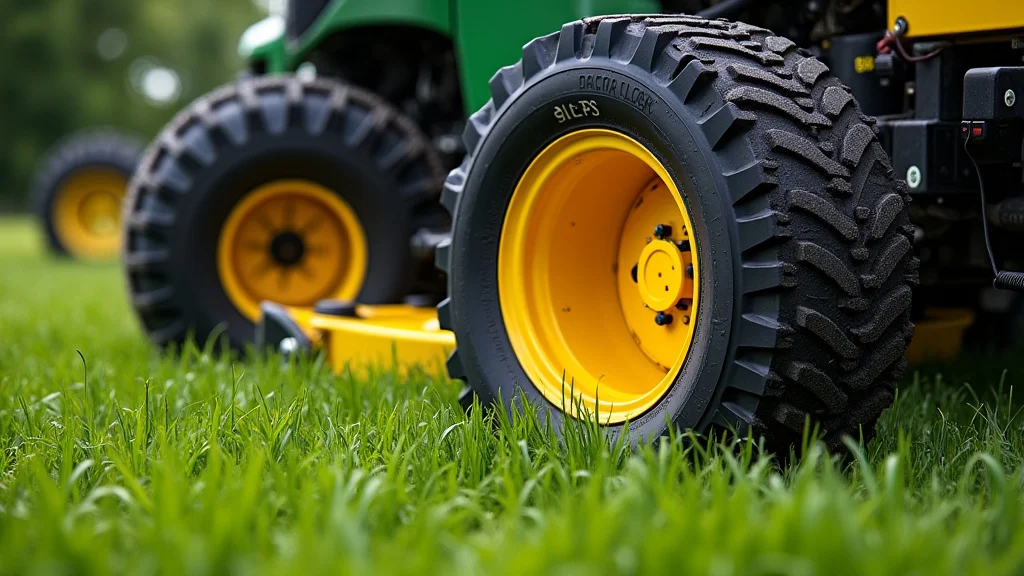
Picture this: a sunny Saturday, the smell of freshly cut grass, and you’re ready to get your lawn mower back in action. But wait! One of the tires is flat. Frustration sets in, right? Fortunately, a lawn and garden tire machine can save the day. This comprehensive guide will equip you with the knowledge to maintain and manage your equipment’s tires. You’ll explore the ins and outs of tire maintenance, from identifying issues to making the right repairs. By the end, you’ll feel confident handling tire problems and keeping your yard equipment in top shape, leading to a more enjoyable experience and a better-looking yard.
Key Takeaways
- Learn the basics of what a lawn and garden tire machine is and what it does.
- Understand the common types of lawn and garden tires and their differences.
- Discover essential tools and supplies required for tire maintenance.
- Find out how to identify and repair common tire problems.
- Explore the best practices for tire storage and longevity.
- Gain valuable tips on choosing the right tires for your equipment.
Understanding Lawn and Garden Tire Machines
A lawn and garden tire machine is a specialized piece of equipment designed to service and maintain the tires of lawn mowers, garden tractors, and other similar equipment. It includes the tools and components needed to perform tasks such as inflating tires, seating tire beads, and removing or installing tires on rims. Think of it as a one-stop shop for everything related to your equipment’s tires, making the process much easier and more efficient than using manual methods. This section examines the core components and operations of these essential machines, helping you gain a solid base of information.
Core Components of a Lawn and Garden Tire Machine
Lawn and garden tire machines are made up of several important components that work together to provide efficient tire care. Many feature an air compressor, which is the heart of the machine, responsible for delivering the high pressure needed to inflate the tires. A tire changer is another key component, facilitating the removal and installation of tires from the wheel rims, often including specialized levers and tools for this purpose. Additionally, a bead breaker might be used to separate the tire from the rim. Understanding these parts makes maintenance much easier.
- Air Compressor: This is the machine’s power source, providing compressed air for inflation. Compressors come in different sizes, with the capacity measured in cubic feet per minute (CFM) indicating how much air it can deliver. Higher CFM is usually better, allowing faster inflation.
- Tire Changer: This component helps remove and mount tires on the rim, featuring levers and tools.
- Bead Breaker: The bead breaker breaks the seal between the tire and the rim.
- Inflation Gauge: An inflation gauge helps accurately measure tire pressure.
An air compressor provides the necessary air pressure to inflate tires quickly and efficiently. The compressor’s power affects its speed and can also impact its capability to handle larger tires. Choosing the right compressor depends on the type of equipment you are maintaining. For example, a heavy-duty garden tractor may need a compressor with a higher CFM than a small push mower. Regular maintenance, such as checking and changing oil and keeping the filter clean, will ensure the compressor works effectively and continues to provide reliable inflation.
Tire changers simplify the process of removing and replacing tires on rims. These tools reduce the effort and time it takes to change tires. Tire changers can be manual, semi-automatic, or fully automatic, with each type providing different levels of speed and user support. Manual changers utilize simple levers for tire removal, while automatic models use mechanical arms. This tool is valuable if you regularly need to service tires. Using a tire changer correctly prevents damage to the tire and rim and allows the operator to work more safely and effectively.
A bead breaker is a vital tool for separating the tire bead from the wheel rim, a step often necessary before tire removal. It works by applying force to the tire’s sidewall near the rim to break the seal, making it easier to remove the tire. Several styles of bead breakers are available, including manual, pneumatic, and hydraulic models. Manual bead breakers may use a simple lever, while pneumatic versions use compressed air for faster action. These tools are indispensable if you are changing tires or repairing flats. They are designed to prevent rim damage and make the tire removal process easier, particularly for tires that have been in service for some time.
An inflation gauge is an essential tool for measuring the air pressure inside a tire. Keeping the correct tire pressure is important for safety, fuel efficiency, and tire longevity. Inflation gauges come in digital and analog versions, each providing accurate readings. Digital gauges give pressure readings on a screen and can also provide a range of features, like backlighting and memory functions. Analog gauges use a needle. Using the inflation gauge frequently and checking the manufacturer’s recommended tire pressure is vital to the performance and longevity of your equipment’s tires.
How a Lawn and Garden Tire Machine Works
The operational process of a lawn and garden tire machine typically involves a series of steps. Starting with preparing the wheel for service, this includes deflating the tire if necessary. The tire is then detached from the rim, often with the help of a bead breaker to remove it. Afterward, the new or repaired tire is mounted onto the rim, and inflated using the air compressor. Finally, the tire pressure is checked with the help of an inflation gauge to meet specifications. Regular inspections and proper inflation enhance equipment performance, increasing its lifespan and promoting safety. Here is a breakdown of the typical steps involved.
- Preparing the Wheel: This involves removing the wheel from the equipment.
- Tire Removal: This includes deflating the tire and separating it from the rim.
- Tire Mounting: This involves installing the new or repaired tire onto the rim.
- Inflation: Using the air compressor to inflate the tire to the recommended pressure.
- Pressure Check: Verifying the tire pressure with an inflation gauge.
Preparing the wheel involves removing it from the equipment to make it easier to service. This stage often starts with removing the wheel from the vehicle. This may involve loosening and removing the lug nuts or bolts and carefully pulling the wheel off. Once removed, the tire can be examined and removed from the rim. Preparing the wheel is an initial yet necessary step when addressing tire issues. Proper preparation ensures that the tire is easier to remove and install.
Removing the tire from the rim involves deflating the tire and using tools to break the bead seal. It helps in effectively removing the tire. This process often starts with deflating the tire, using the valve stem, to remove air safely. The tire is then separated from the rim, often with a bead breaker, a tool used to apply pressure to the tire’s sidewall, breaking the seal that holds the tire in place. Once the bead is broken, the tire can be removed from the rim, making it ready for service. This process is important for tire replacement, repairs, or maintenance.
Tire mounting is the process of setting a tire onto the wheel rim. This process involves the installation of a new or repaired tire onto the rim, often using a tire changer to ensure the tire is correctly aligned. The tire is positioned on the rim and carefully worked over the edges. It is an important task for replacing or repairing tires. Proper mounting prevents tire damage and ensures a tight seal. Accurate mounting contributes to safe and reliable equipment performance.
Inflation is the process of adding air to the tire until it reaches the manufacturer’s recommended pressure. Using an air compressor, air is introduced into the tire through the valve stem. It is important to monitor the pressure using an inflation gauge to ensure that it meets the recommended specifications. This step is critical for safety and optimal equipment performance. Incorrect tire pressure can reduce fuel efficiency and cause uneven wear. Following the correct inflation guidelines helps increase the lifespan and enhance the operational performance of your lawn and garden equipment.
After inflation, it is important to check the tire pressure to confirm it meets the manufacturer’s specifications. Using an inflation gauge, the user can determine the exact pressure inside the tire. If the pressure is too low or too high, adjustments are made by adding or releasing air using the air compressor. Accurate pressure checks help maintain the right tire pressure, extending tire life and enhancing fuel efficiency. Regular pressure checks contribute to safe and effective operation.
Common Types of Lawn and Garden Tires
There is a wide array of tire types available for lawn and garden equipment, each engineered to perform under specific conditions and suit various operational needs. Factors such as the type of terrain, the equipment’s use, and desired handling characteristics influence the tire choice. This section explores several different tire types and their applications, helping you choose the right tires for your equipment. Whether you are dealing with frequent mowing jobs or more intense tasks, selecting the correct tire ensures optimum performance and efficiency.
Types of Lawn and Garden Tires
Selecting the right tire type is vital to the performance of your equipment. Different tire types are made to suit various terrains and tasks. Choosing the correct tire type will enhance your equipment’s effectiveness, reducing wear and improving safety. This segment covers some of the most common types and their features.
- Turf Tires: These tires have a wide, flat tread pattern designed to minimize ground damage.
- Ribbed Tires: They feature parallel ribs that provide straight-line tracking and are excellent for steering.
- Lug Tires: These tires have deep, aggressive treads that provide maximum traction.
- Pneumatic Tires: These tires use air pressure to cushion the ride and improve traction.
- Solid Tires: Solid tires are made of a single piece of rubber and are flat-proof.
Turf tires are designed with a broad, flat contact area and rounded shoulders to distribute weight and prevent damage to the lawn. These are a popular choice for lawn mowers and other equipment. Their design helps reduce turf ruts and compaction, making them suitable for yards. The tread pattern provides good traction on grass. These tires are excellent for regular mowing tasks. Their design contributes to even ground pressure.
Ribbed tires have parallel ribs that offer great straight-line tracking capabilities and are effective for steering. This tire type is well-suited for front wheels. The ribbed design minimizes rolling resistance, making them great for use on hard surfaces. These tires contribute to equipment control and are frequently utilized for applications where precise steering is important. They offer predictable performance and are great for applications such as garden tractors.
Lug tires feature deep, rugged treads for maximum traction on rough terrains. These tires are best for equipment that needs to operate on surfaces such as muddy fields or sloping land. The aggressive tread pattern provides grip in various conditions. Lug tires are often seen on garden tractors and off-road equipment. They provide superior traction. They are ideal for areas with frequent rain or uneven terrain. Lug tires are made for challenging work conditions and are capable of handling tough situations.
Pneumatic tires use air pressure to cushion the ride and improve traction. These tires offer a better ride, absorbing shocks from bumps and other terrain challenges. They provide flexibility in handling various surfaces, from grass to gravel. Pneumatic tires are often preferred for their comfort and versatility. They adapt well to different ground conditions, offering better traction and reducing equipment vibration. These tires are generally seen on a wide variety of lawn and garden equipment, adding versatility and comfort.
Solid tires are constructed from a single piece of rubber and are flat-proof. This means they cannot be punctured. These tires offer a simple solution for equipment that operates in environments with a high risk of punctures. Their robust design reduces the need for maintenance. They are suitable for tasks that require durability. Solid tires provide reliability and low maintenance. They are great for situations where flat tires could cause operational downtime. Solid tires offer a consistent performance over time.
Factors to Consider When Choosing Tires
Choosing the right tires for your lawn and garden equipment is essential for maximizing performance and extending equipment longevity. Several factors influence tire selection, including the intended use of the equipment, the type of terrain, and the size of the tires. Proper consideration of these variables guarantees that the selected tires are suitable for specific needs, improving operational efficiency and reducing potential issues. This section examines several key points, helping you choose the ideal tires.
- Equipment Type: Different equipment requires different tire designs.
- Terrain Type: Choose tires that match the type of terrain you will be working on.
- Tire Size and Specifications: Always match the tire size to the equipment’s specifications.
- Tread Pattern: Choose a tread pattern to match the equipment’s intended use and terrain.
Consider the equipment type to choose the best tires. Factors such as the equipment’s design, weight, and function are important. Lawn mowers typically use turf tires to avoid damaging the grass. Garden tractors often need lug tires for better traction. Compact utility tractors might require heavy-duty tires for more demanding tasks. Matching the tire design to the equipment ensures optimal performance and safety. Selecting the correct tires improves the operational efficiency and helps maintain the health of the equipment.
The type of terrain is a key factor when selecting tires. Different terrains need specialized tires for optimum performance. For lawns, turf tires are ideal as they reduce ground damage. For rough terrain, lug tires are perfect due to their superior grip. On hard surfaces, ribbed tires improve steering and reduce rolling resistance. Analyzing the terrain of your working areas is vital. Matching the tire design with the terrain increases efficiency and decreases the chance of tire failure. The correct tires will offer the greatest level of control and equipment efficiency.
Confirm the tire size and specifications for your equipment. Tire size is listed on the tire sidewall and in the equipment’s manual. Verify the size of the tire before making a purchase. Using the correct size ensures that the tires properly fit the equipment. Also, inspect the load and speed ratings. Incorrect sizes can negatively impact equipment performance and safety. Confirming these specifications is vital for effective and safe equipment use. Using the correct size is essential for ensuring the tires fit properly.
Choose a tread pattern that suits the intended use of your equipment and the terrain. The tread pattern greatly impacts the traction and performance. Turf tires, with their wide, flat pattern, are best for lawns. Lug tires are ideal for rough terrain, offering superior grip. Ribbed tires provide good straight-line tracking. Select the tread pattern that maximizes efficiency and improves safety. Matching the tread pattern to the use and the terrain ensures that the equipment works effectively and avoids potential issues.
Essential Tools and Supplies for Lawn and Garden Tire Machine Maintenance
Maintaining a lawn and garden tire machine and the tires on your equipment requires having the right tools and supplies. Having the right tools guarantees that you can effectively diagnose and address tire problems. This section lists important tools and supplies for tire maintenance, ensuring that you can perform inspections and repairs effectively.
Required Tools
Having the correct tools makes tire maintenance easier and improves the efficiency of your work. These tools are necessary for identifying and fixing tire problems, ensuring safety and performance. Keeping these tools readily available saves time and effort.
- Air Compressor: Essential for inflating tires.
- Tire Pressure Gauge: Necessary for checking tire pressure.
- Tire Levers: Used to remove and install tires.
- Bead Breaker: Breaks the tire seal from the rim.
An air compressor is essential to inflate tires to the required pressure. Selecting the proper air compressor depends on the size of the equipment and the frequency of use. Choosing the right one allows you to quickly and efficiently inflate tires. Regular maintenance, such as checking and changing the oil and cleaning the filter, will ensure it keeps working. A properly maintained air compressor increases equipment lifespan and effectiveness.
A tire pressure gauge is necessary for measuring the tire pressure. Regular pressure checks are vital to maintain the correct tire pressure. The gauge helps ensure that the tire pressure meets the manufacturer’s standards, maintaining tire performance. Pressure gauges come in digital and analog versions. It helps prevent tire damage and maximizes fuel efficiency. Regularly checking the tire pressure will also provide a safer operational environment.
Tire levers are useful for removing and installing tires. They aid in removing and mounting tires on rims, especially for those that are difficult to handle manually. These levers offer the force needed to work with tires. They are available in various lengths and designs, allowing ease of use in different situations. Using tire levers correctly prevents damage to the tire and rim and facilitates a safer working environment. When used effectively, tire levers greatly decrease the effort and time it takes to maintain your tires.
A bead breaker is an important tool for breaking the seal between the tire and the rim. This process helps to remove the tire. Several types of bead breakers are available, including manual and pneumatic models. Manual bead breakers use a lever. Pneumatic models use compressed air for faster operations. Using the correct bead breaker prevents rim damage and makes the tire removal process easier. Bead breakers are invaluable for performing tire changes and repairs. Bead breakers are a necessity for servicing tires.
Important Supplies
Along with the right tools, you will need several supplies to perform effective tire maintenance. From tire repair kits to lubricants, these supplies help to fix and maintain your tires. Having a supply of these items makes repairs quicker.
- Tire Repair Kit: For repairing small punctures.
- Tire Sealant: Helps to seal small leaks.
- Valve Stems: Needed to replace damaged valve stems.
- Lubricant: Aids in removing and installing tires.
A tire repair kit is a necessary item for fixing small punctures, saving you from having to replace the tire entirely. These kits include the tools and materials needed to seal punctures. Repair kits often include plugs, reamers, and insertion tools. Follow the manufacturer’s instructions. A tire repair kit will help you fix small leaks. These are an important part of any maintenance tool kit.
Tire sealant is a liquid used to seal minor punctures and leaks in tires. This is especially useful for tires that have multiple minor leaks. Tire sealants contain rubber particles, which help to form a seal. Tire sealants can provide a temporary solution and prevent further air loss. It’s often used as a preventive measure or as a means to seal small punctures. Be sure to check with the manufacturer’s guidelines for using tire sealant.
Valve stems are the components where you add air to the tire. They are useful for replacing damaged or leaky valve stems. Valve stems come in several types and sizes. Valve stems are useful for ensuring the tire keeps its pressure. Make sure the valve stem you select is suitable for your tire type and rim. Regular maintenance will increase the safety and performance of your equipment.
Lubricant helps in removing and installing tires. It decreases friction and makes these tasks easier and prevents damage. Tire lubricants, such as rubber-friendly soaps, make it easier to seat the tire beads. Apply the lubricant to the tire bead and rim. This helps the tire to slip onto the rim. Lubrication improves efficiency and reduces the chance of damage to tires and rims.
Diagnosing and Repairing Common Tire Problems
Regular inspection and proactive maintenance are vital to keeping your lawn and garden equipment in top condition. This involves recognizing and addressing common tire issues to make sure your equipment performs effectively and safely. You’ll learn to identify punctures, leaks, and wear patterns, as well as how to perform fundamental repairs. This proactive approach will help you extend your equipment’s life and ensure that your yard tasks are efficient.
Identifying Common Tire Problems
Identifying tire problems early on helps to prevent issues that could cause more expensive repairs. Knowing what to look for and how to spot them can prevent operational issues and increase safety. This section explores several signs to look for. Regular inspections and awareness are vital for keeping your equipment performing optimally.
- Punctures and Leaks: Look for objects embedded in the tire or hissing sounds.
- Wear and Tear: Examine the tread depth and look for uneven wear patterns.
- Bulges and Cracks: Inspect the tire sidewalls for any signs of damage.
- Valve Stem Issues: Check for leaks around the valve stem.
Punctures and leaks often cause air pressure loss and are a common tire problem. Inspect the tires for embedded objects such as nails or glass. Also, listen for hissing sounds. You may also notice the tire slowly losing pressure over time. Inspect the tire tread and sidewalls for damage. Addressing punctures and leaks immediately prevents further damage. Addressing these concerns quickly prevents tire damage and potential equipment failure.
Wear and tear is a natural process that occurs over time. Inspect the tread depth using a tread depth gauge or a visual check. Uneven wear patterns on the tire could indicate mechanical problems, such as incorrect alignment. Look for cracks. Regular monitoring and detection of wear and tear help in preventing sudden tire failure. Regularly rotate the tires to promote even wear. Taking the right action helps prevent breakdowns and ensures that the equipment keeps running smoothly.
Bulges and cracks indicate the tire is damaged and needs immediate attention. Examine the tire sidewalls for any bulges, which could indicate internal structural damage. Look for cracks, which can form from exposure to sunlight, chemicals, and age. These signs often mean that the tire could fail. Regularly inspecting for these signs and acting immediately helps maintain the safety and integrity of your equipment. Ignoring bulges and cracks can lead to unexpected breakdowns.
Valve stem issues can cause air leaks, leading to loss of pressure. Check around the valve stem for leaks by applying soapy water. Look for bubbles forming around the stem. If there is a leak, the valve core may be damaged, or the stem itself may be cracked. Valve stem problems are often fixable. Replacing the valve core or the entire valve stem can solve the problem. Regular inspection helps maintain your equipment’s pressure.
How to Repair Common Tire Problems
Repairing common tire problems is a valuable skill that saves money and keeps your equipment running smoothly. Whether it is a simple puncture or a damaged valve stem, understanding how to address these concerns can prevent downtime. This section explores step-by-step instructions. Addressing these problems is vital for keeping your equipment functional.
- Puncture Repair: Use a tire repair kit to plug small holes.
- Valve Stem Replacement: Replace the valve stem if it’s damaged or leaking.
- Tire Sealant Application: Apply sealant for minor leaks.
- Tire Patching: Patching is an option for more significant damage.
Repairing a puncture with a tire repair kit can save your tire. First, locate the puncture and remove any embedded objects. Use the reamer tool from the kit to prepare the hole. Insert the plug through the insertion tool and push it into the hole, leaving some of the plug material outside. Then, remove the insertion tool. Finally, trim the excess plug material. Following these steps helps make a long-lasting, reliable fix. Properly repairing punctures ensures the tire maintains air pressure.
Replacing a valve stem is often required for air leaks around the valve. First, let all the air out of the tire. Remove the old valve stem with a valve stem tool. Install the new valve stem using the tool, carefully fitting it into the rim hole. Then, inflate the tire to the recommended pressure. Check for any leaks. Replacing a valve stem can prevent air loss and maintain tire performance. A properly installed valve stem is vital to maintaining air pressure.
Tire sealant can be used to seal minor leaks in tires. Remove the valve core and let out any remaining air. Insert the sealant through the valve stem. After applying the sealant, inflate the tire to the recommended pressure and rotate the tire to spread the sealant. Check for leaks. Tire sealant provides a quick and temporary solution. Always follow the sealant manufacturer’s instructions for use. Using tire sealant can often extend the life of a damaged tire.
Patches provide more robust repair for damages. First, remove the tire from the rim. Clean the inside of the tire around the damaged area. Rough the surface with a tool. Apply the patch, following the manufacturer’s instructions. Next, remount the tire on the rim. Properly patching a tire requires patience and precision. A properly applied patch will provide a durable repair. If the damage is too serious, the tire may require complete replacement. Properly patching a tire makes it safe to use again.
Best Practices for Tire Storage and Longevity
Correct storage and upkeep of your lawn and garden tires is vital for extending their lifespan and ensuring performance. Proper storage helps to prevent common problems, such as dry rot and deformation. This section covers steps to store and maintain your tires, helping to keep them in peak condition. This includes knowing the right environment, the way to handle tire positions, and what to do before storage. Following these best practices will help you keep your equipment in top condition.
Preparing Tires for Storage
Preparing your tires before storage is an essential step to guarantee they are ready for the next season. Taking the right measures can help maintain their condition, preventing damage that can reduce their operational lifespan. This section guides you through the process, helping you to protect your investment.
- Cleaning: Clean tires to remove dirt and debris.
- Inflation: Inflate tires to the recommended pressure before storage.
- Inspection: Examine tires for any damage or wear.
- Lubrication: Apply a protective coating to the tires.
Cleaning your tires is essential before storing them. Use soap and water to remove any dirt, mud, and other debris from the tires. Clean tires prevent materials that could cause damage. Using a brush is helpful. Make sure the tires are fully dry before you store them. Preparing the tires will contribute to their longevity.
Inflating tires before storage helps maintain their shape and stops the tires from deforming during the off-season. Inflate tires to the manufacturer’s recommended pressure. This ensures that the tire structure does not deteriorate. Check your owner’s manual for specific instructions. Properly inflated tires are ready for immediate use. Following these simple steps will extend the life of the tires.
Before storing your tires, inspect them thoroughly. Check for any punctures, cuts, or uneven wear. Take the time to evaluate the tire tread depth and sidewalls. Addressing any damage before storage can prevent further deterioration. Make any necessary repairs or consider replacing tires that are worn. Performing an inspection ensures that the tires are ready for the next season.
Applying a protective coating to your tires before storage can help them endure for extended periods. This coating helps protect the rubber from drying out and cracking and is especially valuable if the tires are stored in areas where they are exposed to sunlight or extreme weather. Using a tire protectant will help preserve the elasticity and flexibility of the tire. Selecting a protectant with UV protection can also improve the life of the tires. Always read and follow the directions on the product label.
Storage Environment and Techniques
The conditions where you store your tires greatly impact their life and performance. The right environment, along with proper storage methods, can prevent damage, such as dry rot or deformation. This segment explores ideal storage environments and techniques, ensuring the tires remain in great condition.
- Temperature: Store tires in a cool, dry place.
- Sunlight: Protect tires from direct sunlight.
- Positioning: Store tires in a way that prevents deformation.
- Covering: Use tire covers to protect the tires.
The ideal place for storing your tires is cool and dry. Avoid locations where there are extreme temperature fluctuations. Consistent temperatures help prevent rubber degradation. Basements, garages, or storage sheds provide good environments. Keep your tires away from direct sunlight, which can degrade the rubber. Proper temperature control extends the life of your tires. This will maintain their shape and flexibility.
Sunlight can be damaging to your tires, causing them to dry out and crack. Always store tires away from direct sunlight. Use a tire cover or a dark storage area. Protecting tires from sunlight is essential for extending their lifespan and maintaining their flexibility. Taking the right steps to prevent UV exposure can prevent the rubber from degrading. This simple practice helps preserve the condition of your tires.
How you position your tires while storing them also matters. For tires that are mounted on wheels, store them horizontally, or stacked on top of each other. This is best. If the tires are unmounted, stand them vertically. Rotate the tires occasionally. Storing tires the correct way prevents deformation and maintains their shape. Correct storage will make sure your tires are ready for the next season.
Tire covers are useful for protecting tires from sunlight, dust, and moisture. Covers create a barrier that protects the tire’s integrity. They can also help the tires to remain in good shape. Tire covers can add an extra layer of protection, particularly if you are storing the tires outside or in areas that are not climate controlled. Using tire covers improves the lifespan of your tires. Proper covering helps you to prepare for your next mowing season.
Choosing the Right Tires for Your Equipment
Selecting the right tires for your lawn and garden equipment is important for maximizing performance and improving safety. Several variables influence tire selection, including equipment type, the terrain you’ll work on, and the size and specifications. Choosing the ideal tires improves the operational efficiency and keeps the equipment in top condition. This section explores how to pick tires and highlights the most important things to consider.
Considering Equipment Type and Use
Choosing the correct tires based on the equipment type and intended use is critical for optimizing performance and safety. Different equipment has different needs, and the right tire ensures that the equipment works at its best. This section guides you through the factors to consider when choosing tires based on your equipment.
- Lawn Mowers: Turf tires are ideal for lawn mowers.
- Garden Tractors: Lug tires are ideal for garden tractors.
- Utility Vehicles: Choose tires based on terrain and load requirements.
- Other Equipment: Match the tire type to the specific tasks.
Turf tires are the best choice for lawn mowers. These tires feature a flat tread pattern that spreads the weight evenly and prevents damage to the grass. Turf tires also deliver good traction, ensuring that the mower can travel smoothly across the lawn. The design of turf tires reduces ground compaction. It helps improve the appearance of the lawn. These characteristics of turf tires are ideal for mowing.
Lug tires are best for garden tractors as they feature deep, aggressive treads that offer excellent traction on rough terrains. These tires are best in areas that involve pushing and pulling, such as plowing and transporting heavy materials. The lug design ensures good grip. These tires are useful for a wide array of garden activities. Using the proper tire pattern will increase efficiency.
When selecting tires for utility vehicles, consider the terrain and load requirements. All-terrain tires offer a combination of traction. Depending on the terrain, choose lug tires for muddy or loose surfaces, or all-terrain tires for versatility. The tires should meet load and speed ratings. This helps guarantee safety and improve performance. Selecting the correct tires improves the vehicle’s capabilities.
Match the tire type to the specific tasks performed by other equipment. This equipment can include tillers, aerators, and trailers. For tillers, a tire with good traction is essential for moving through soil. Aerators may require tires that can handle weight and prevent ground damage. Match the tires to the terrain and load demands. Using the right tires improves performance and safety, improving the effectiveness of your equipment.
Analyzing Terrain and Conditions
The terrain and conditions will guide your selection of the correct tires. The terrain and conditions you commonly operate in greatly affect tire performance. Considering these environmental factors helps to choose the best tires, guaranteeing that your equipment operates efficiently and safely. This section explores these factors.
- Smooth Lawns: Turf tires are a good option for smooth lawns.
- Rough Terrain: Lug tires are the best option for rough terrains.
- Wet or Muddy Conditions: Choose tires with aggressive tread patterns.
- Sloped Areas: Tires with enhanced grip will improve safety.
Turf tires are best on smooth lawns since they spread the weight evenly and prevent damage. These tires offer good traction. They are ideal for mowers and other equipment that are used to maintain lawns. The tread pattern protects the grass. Turf tires minimize ground compaction, guaranteeing that the lawn remains healthy. Use turf tires if you are trying to keep the lawn healthy.
Lug tires are best for rough terrain, offering excellent traction. Their deep tread allows for movement over rough, muddy, and uneven surfaces. These tires improve grip. Garden tractors and utility vehicles that operate on challenging surfaces can benefit from using lug tires. These tires offer increased stability and mobility. Lug tires will provide the best traction on rough terrain.
Aggressive tread patterns are ideal for wet and muddy conditions. This tread helps the tires get the grip needed for traction. Lug tires are especially effective in this area. Tires with aggressive patterns improve performance in areas where slipping might be an issue. Using these tires will improve the effectiveness of the equipment and offer a better performance in muddy conditions.
Tires with enhanced grip are important for safe operations in sloped areas. They give greater traction and stability on inclines. Lug tires and tires with specific sidewall designs are helpful for slopes. The enhanced grip offered by these tires reduces the chance of sliding or tipping. Choosing the correct tires will improve the equipment’s overall safety.
Tire Size and Specifications
Before purchasing tires for your lawn and garden equipment, it is important to take the time to determine the correct size and specifications. The right tire size and specifications are important for performance and safety. Knowing the tire size, load rating, and speed rating is vital for making the right choice. This section explores the key aspects of sizing and specifications.
- Tire Size: Always match the tire size to the equipment’s specifications.
- Load Rating: Choose tires with a load rating that meets the equipment’s requirements.
- Speed Rating: Consider the speed rating for your equipment.
- Tire Pressure: Follow the manufacturer’s recommended tire pressure.
Choosing the correct tire size is important for compatibility and performance. The tire size is often printed on the tire sidewall and in the equipment’s manual. Select the tires that match the specifications. Accurate sizing ensures that the tires fit correctly. This will prevent damage to the equipment. The proper size is important for handling and performance. Matching the tire size is an important safety consideration.
The load rating is the maximum weight the tire can hold. The load rating must be met to ensure that the tire does not fail. Verify the equipment’s weight. The load rating must be equal to or exceed the weight. It is important to know the load requirements. Check the manufacturer’s load rating requirements for safety. Always make sure the load rating is up to the weight that you need.
The speed rating shows the speed at which a tire can operate safely. Consider the speed rating. Match the speed rating with the use of the equipment. Always use tires that meet the speed demands of your equipment. For lawn mowers, a standard speed rating is often sufficient. Consider speed rating requirements. Be sure to check with the manufacturer’s guidelines for the appropriate speed rating.
Maintaining the right tire pressure will greatly affect the performance and lifespan of your equipment. It is important to follow the recommended tire pressure listed on the tire sidewall or the equipment’s manual. Using the correct tire pressure is important for safety and efficiency. Regular pressure checks, along with the correct inflation, are important for safe and optimal performance. Regular checks can prevent tire issues and keep the equipment safe.
Common Myths Debunked
There are many ideas and concepts about lawn and garden tire machines and related tire care. Separating myth from truth can help you make informed decisions about your equipment and its maintenance. This section will discuss a few of the most frequent misconceptions and offer clarification, giving you a better idea of proper tire care and the function of the machines.
Myth 1: All lawn and garden tires are the same.
In





Leave a Reply