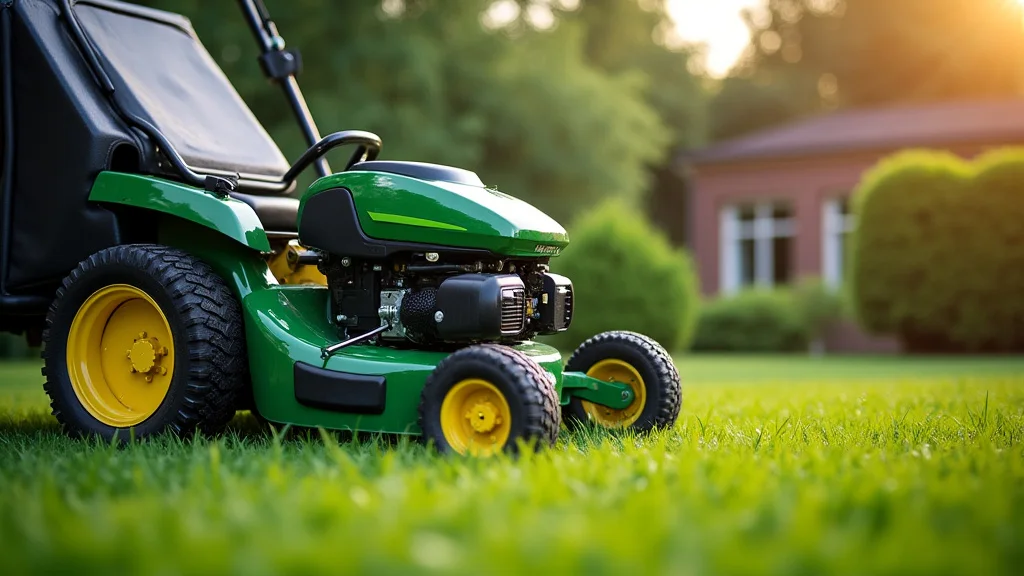
Picture this: It’s a Saturday morning, and you’re ready to get your lawn looking its best. But then, disaster strikes! Your trusty lawnmower sputters to a halt, or your weed wacker gives up the ghost. Where do you even begin to find the right lawn and garden parts store to get your equipment back in working order? This post is designed to help you, whether you’re a seasoned gardener or a weekend warrior. We’ll explore everything from identifying the right parts to choosing a lawn and garden parts store that fits your needs. This guide will help you confidently diagnose problems, locate the correct replacement components, and keep your outdoor equipment running smoothly, thus ensuring your garden remains pristine.
Key Takeaways
- Learn how to identify the specific parts you need for your lawn and garden equipment.
- Discover the best places to purchase replacement parts, both online and locally.
- Understand the importance of choosing the right parts for your specific equipment model.
- Gain insights into common lawn and garden equipment problems and their solutions.
- Find out how to maintain your equipment to prevent future breakdowns.
- Learn how to find a reliable lawn and garden parts store.
Identifying Your Lawn and Garden Equipment’s Needs
Before you can buy the correct components, you must accurately diagnose the problem. This initial step involves observing the symptoms and pinpointing the malfunctioning component. Is the engine sputtering? Is the blade dull? Does the trimmer line keep breaking? These questions provide clues about the required parts. Carefully examine the equipment, taking note of any visible damage, wear and tear, or unusual sounds. Don’t rush; take your time to thoroughly assess the issue before moving on to ordering parts.
Understanding Equipment Components
Lawn and garden equipment, from lawnmowers to leaf blowers, comprises various components, each playing a critical role. The engine is the heart, responsible for power generation. Blades, trimmer lines, and other cutting mechanisms perform the essential task of cutting grass, weeds, or hedges. Fuel systems, including carburetors and fuel lines, supply the engine with the necessary fuel. Ignition systems deliver the spark that starts the engine. Additionally, there are other components such as the starting mechanism, air filter, and belts which are important for proper functionality. These parts often experience wear, and their lifespan depends on the equipment’s usage and how well it is maintained. Getting to know these parts is the first step in properly troubleshooting your equipment.
- Engines: The engine provides the power to operate lawn and garden equipment. Common issues involve fuel delivery, ignition, and compression problems.
- Cutting Mechanisms: These include blades for lawnmowers, trimmer lines for string trimmers, and chains for chainsaws. These parts wear down through regular use.
- Fuel Systems: This includes fuel tanks, fuel lines, carburetors, and fuel filters. Clogged carburetors or fuel line leaks can lead to issues.
- Ignition Systems: The ignition system comprises spark plugs, ignition coils, and related wiring, creating the spark needed to start the engine.
Engines used in lawn and garden tools can range from small two-stroke engines to larger four-stroke engines. Understanding the type of engine your equipment has is key, as parts and maintenance procedures vary. For instance, a two-stroke engine requires a mixture of fuel and oil, while a four-stroke engine has separate oil and fuel chambers. Regular maintenance, such as oil changes, spark plug replacements, and air filter cleaning, extends the engine’s life. A lack of this maintenance can lead to premature failure and the need for new parts, such as a carburetor, piston, or crankshaft.
Cutting mechanisms must be regularly inspected and maintained for safe and effective operation. Lawnmower blades become dull over time and should be sharpened or replaced. Trimmer lines break down during use and require regular replacement. Chainsaw chains also get dull, and sharpening or replacement are necessary. Proper sharpening techniques, the use of correct blade types and trimmer line thickness, and regular cleaning are essential for optimal performance. Neglecting these can make the equipment less efficient, increase the risk of injury, and cause excessive wear on other components.
Fuel systems are often a source of problems in lawn and garden equipment. Fuel lines can crack or become brittle over time, leading to fuel leaks. Carburetors can become clogged with old fuel, preventing the engine from starting. Fuel filters trap debris and should be replaced regularly. Using fresh fuel, properly storing equipment during the off-season, and adding fuel stabilizer can help prevent many fuel-system-related issues. If the fuel system fails, you may need to replace components such as a carburetor, fuel pump, or fuel line.
The ignition system is vital for starting and running lawn and garden equipment. Spark plugs wear out over time, and a failing spark plug can lead to hard starting or misfiring. Ignition coils can fail, preventing the spark. Problems with wiring and connections can interrupt the electrical flow. Regular spark plug replacement and inspection of the ignition system for damage are crucial to keep your equipment running. A malfunctioning ignition system might need a spark plug, ignition coil, or wiring harness replacement.
Identifying the Specific Part
To identify the specific part, examine your equipment’s model number, typically found on a sticker or plate. Consult the equipment’s manual to find a parts diagram, which visually represents each component. This helps you identify the correct component. If the manual is missing, online resources and parts lookup tools from lawn and garden parts stores can help. It’s also helpful to have the equipment’s serial number on hand to ensure accuracy. Carefully compare the identified part with the one you are replacing to guarantee compatibility.
- Model and Serial Number: Locate the model and serial numbers on your equipment.
- Parts Diagrams: Use parts diagrams to visually locate and identify the needed parts.
- Physical Inspection: Compare the identified part with the faulty part to verify a match.
These numbers are essential for finding the right parts. The model number helps identify the specific equipment variant, while the serial number might reveal additional information, such as manufacturing date or specific component configurations. The model number is crucial because many different parts might be used within a single product family. These numbers can be found on a sticker, plate, or stamped into the frame of the equipment. Always have these numbers ready when searching for parts, whether you visit a physical lawn and garden parts store or an online vendor.
Parts diagrams show how the parts fit together. They break down the equipment into its different components, showing the location and relationships between parts. Look for online diagrams from equipment manufacturers or on the websites of lawn and garden parts stores. These diagrams are invaluable because they provide visual guides to the parts’ placement and often include parts lists with corresponding part numbers. Using these diagrams ensures you identify and order the correct component, saving time and potential returns.
Compare the new part with the existing one to ensure a match. This step helps prevent costly mistakes. Compare the shape, size, and any special features of the new part with the one you are replacing. If possible, take the old part with you to the lawn and garden parts store or compare it with the images online. This practical step can reveal any discrepancies or variations that might exist. Take the time to confirm the match before making the purchase.
Choosing the Right Lawn and Garden Parts Store
Selecting the right lawn and garden parts store impacts the quality, compatibility, and availability of replacement parts. The options range from local establishments to large online retailers. Your choice will depend on factors like price, expertise, customer service, and convenience. Consider how quickly you need the parts, the level of support you need, and your preference for hands-on shopping versus the convenience of online shopping. A good store offers genuine parts, excellent customer support, and a user-friendly shopping experience.
Local vs. Online Stores
Local lawn and garden parts stores offer hands-on service, allowing for direct interaction with experts and immediate part availability. Online stores offer convenience and a broader selection but depend on shipping and lack physical inspection. Evaluate your needs: If you need immediate replacement and expert help, a local store is suitable. If you prioritize selection and price, an online store is preferred.
- Local Lawn and Garden Parts Stores: Benefits include personalized service and immediate availability.
- Online Lawn and Garden Parts Stores: The advantages are convenience, price, and a vast selection.
- Hybrid Options: Combining the best of both worlds with online ordering and in-store pickup.
Local stores provide a personal touch and the chance to speak with knowledgeable staff who can offer advice and recommendations. You often get to take the part home immediately, avoiding shipping delays. You can also bring in the faulty part for comparison. However, local stores may have a limited inventory and potentially higher prices compared to online stores. When choosing a local store, seek one with a good reputation, experienced staff, and a wide selection of parts for various equipment brands.
Online stores are open 24/7, providing access to a massive inventory of parts. You can often compare prices from different vendors and read customer reviews. Shipping times vary, but quick shipping is common. The disadvantage is that you cannot physically inspect the parts before purchase. Ensure you buy from a reputable online store that offers clear return policies and accurate part descriptions. Check for detailed product information, high-quality images, and customer support.
Many lawn and garden parts stores offer online ordering with in-store pickup. This blends the advantages of both: you can explore a wide selection online and pick up your parts quickly and directly from the store. This allows you to avoid shipping costs and receive immediate assistance if needed. Some stores offer online tutorials and guides to help with your purchase. Check whether a local store offers this option.
Factors to Consider
Before purchasing parts, assess factors such as part quality, pricing, and warranty policies. The quality of the parts determines the longevity and performance of your equipment. Pricing should be competitive while also reflecting the quality. A warranty protects against manufacturing defects and provides peace of mind. Prioritize stores that offer genuine parts, have transparent pricing, and provide customer support.
- Part Quality: Choose high-quality parts that ensure durability.
- Pricing: Compare prices from different stores to find the best deals.
- Warranty and Return Policies: Check for warranties and convenient return policies.
Quality parts last longer and improve the equipment’s performance and efficiency. Genuine parts from the original equipment manufacturer (OEM) are designed to fit and perform optimally. Check customer reviews and the store’s reputation regarding part quality. Consider parts made from durable materials. Poor-quality components can cause further damage and frequent repairs, costing you more over time. Investing in quality parts saves money and equipment downtime.
Pricing can vary greatly between stores, so compare costs before making a purchase. While a lower price can be attractive, consider the overall value, including quality, warranty, and customer support. Look for sales, discounts, and free shipping offers. Be wary of parts priced significantly lower than average, as they could be of low quality. Many lawn and garden parts stores offer price-match guarantees, so use these to your advantage.
A warranty offers protection against defects or premature failure of parts. A clear and hassle-free return policy allows you to return parts that are incorrect or faulty. Review the warranty terms, including the duration, coverage, and any exclusions. Check the return policy, which may vary depending on the store. Ensure that the return process is straightforward and whether the store covers return shipping costs. Clear warranty and return policies protect your investment and improve your shopping experience.
Common Equipment Problems and Solutions
Several issues plague lawn and garden equipment. Regular use and wear cause common problems, from starting difficulties to cutting issues. Understanding these issues and knowing how to diagnose and address them can save you time and money. Proper maintenance can prevent many of these problems. If you know what to look for and how to fix them, you can keep your tools in excellent condition.
Engine Troubleshooting
Engine problems are a widespread issue with lawn and garden equipment. Common symptoms include difficulty starting, loss of power, and unusual noises. Diagnosing engine problems requires careful assessment of the fuel system, ignition system, and compression. Identifying and fixing the root cause will restore your equipment’s performance and extend its life. Following these steps can help troubleshoot and resolve typical engine malfunctions.
- Difficulty Starting: Check for a clogged fuel filter, bad spark plug, or low compression.
- Loss of Power: Examine the carburetor, air filter, and fuel lines for any restrictions.
- Unusual Noises: Inspect the engine for loose parts, worn bearings, or internal damage.
If your equipment struggles to start, the first step is to check for fuel delivery, spark, and compression. Start by inspecting the fuel filter and replacing it if clogged. A faulty spark plug may need replacing. Low compression can result from worn piston rings or a damaged cylinder. Test the spark plug, fuel flow, and the compression to identify the issue.
If the engine lacks power, inspect the carburetor, air filter, and fuel lines. A clogged carburetor can restrict fuel flow, while a dirty air filter may cause the engine to run lean. Check for air leaks and restrictions in the fuel lines. A thorough cleaning of the carburetor, replacing the air filter, and checking for leaks will often restore power.
Strange noises such as knocking, grinding, or hissing indicate potential internal engine issues. Loose parts may cause rattling or vibrations. Worn bearings may produce a grinding sound. Internal damage, like a broken connecting rod, can cause loud knocking. Always shut down the engine and have it checked by a repair professional immediately if you hear any unusual noises.
Cutting Mechanism Issues
Cutting mechanisms, such as lawnmower blades and trimmer lines, endure constant wear. The quality of cutting declines over time, reducing efficiency. Simple actions like sharpening blades or replacing trimmer lines can restore peak performance. Regular maintenance prevents damage and ensures consistent cutting performance. Addressing these issues promptly helps maintain a neat and well-groomed lawn.
- Dull Blades: Sharpen or replace dull lawnmower blades.
- Broken Trimmer Line: Replace the trimmer line on string trimmers.
- Uneven Cutting: Check the blade alignment and deck height.
Dull blades result in uneven cuts and tearing of the grass. The grass appears less healthy and vulnerable to disease. Sharpening the blades is a low-cost solution, while replacement becomes necessary when the blades are excessively worn. For safety, always disconnect the spark plug before inspecting or servicing the blades. Use a blade sharpener or take the blades to a professional for sharpening. Replace the blades if they are damaged or too short.
Trimmer lines break due to impact with hard objects or general wear. Replace the trimmer line frequently to maintain effective cutting. The frequency depends on the type of terrain and how the trimmer is used. Various line diameters and shapes are available; choose the appropriate one for your trimmer and the type of work you are doing. Regular line replacement ensures clean, even cuts and prevents damage to the trimmer head.
Uneven cutting can result from bent blades or incorrect deck height. Uneven cuts leave a patchy appearance and can damage your lawn. Ensure the blade is properly balanced and aligned to the mower deck. Adjust the deck height according to the grass height. Check for any obstructions that might be preventing the blade from cutting evenly. If you are unsure, consult your equipment manual or a professional.
Fuel System Troubles
Fuel system issues are frequently caused by old fuel or debris. Carburetor issues, fuel leaks, and clogged fuel filters can disrupt operations. Promptly addressing these issues is critical to ensure your equipment runs smoothly. Prevention through using fuel stabilizers and regular maintenance, such as changing fuel filters, can reduce fuel system problems.
- Clogged Carburetor: Clean or replace the carburetor if clogged.
- Fuel Leaks: Inspect fuel lines and the fuel tank for leaks.
- Clogged Fuel Filter: Replace the fuel filter.
A clogged carburetor restricts fuel flow, causing starting problems and poor engine performance. Carburetors become clogged due to fuel that has sat for a long time. Regular use of fuel stabilizers reduces fuel degradation. Cleaning the carburetor involves removing and disassembling it, then cleaning the jets and passageways with carburetor cleaner. In severe cases, replacing the carburetor may be necessary.
Fuel leaks are a safety hazard and reduce fuel efficiency. Inspect the fuel lines for cracks, kinks, or deterioration. Examine the fuel tank for damage or leaks. Replace any damaged fuel lines or the tank immediately. Proper storage and handling of fuel are necessary to prevent leaks. Inspect the fuel system regularly.
Fuel filters trap debris, preventing it from entering the carburetor. Over time, the filter can become clogged, restricting fuel flow. Replace the fuel filter according to the manufacturer’s recommendations or when you notice starting problems or power loss. Regularly replacing the fuel filter is a simple and effective maintenance task. Using a high-quality filter can further prevent debris from entering the fuel system and causing problems.
Myth Debunking
Myth 1: All Lawn and Garden Parts Are Interchangeable
Reality: Parts from different manufacturers are not always interchangeable. Compatibility varies based on model, brand, and year of the equipment. Using the wrong part can damage the equipment or lead to performance issues.
Myth 2: Higher Price Always Equals Better Quality
Reality: While price can indicate quality, it’s not always the case. Some lawn and garden parts stores sell premium-priced parts that may not necessarily be superior. It is best to compare specifications, reviews, and warranties to judge the true value.
Myth 3: Cleaning a Carburetor Is Always Easy
Reality: Cleaning a carburetor can be easy for basic issues, but complex models or significant damage may need professional service. Improper cleaning can cause further damage to the carburetor. Always consult the equipment manual or a repair professional if you are unsure.
Myth 4: Old Gasoline Is Still Usable if It Looks Clear
Reality: The appearance of gasoline does not guarantee its quality. Gasoline loses its effectiveness over time. Old gas can cause problems in the engine. Always use fresh gasoline, and consider a fuel stabilizer to protect the fuel system.
Myth 5: It’s Okay to Overlook Maintenance
Reality: Ignoring maintenance accelerates wear and reduces equipment life. Neglecting regular tune-ups and inspections leads to more significant problems and repairs down the road. Regular maintenance, such as changing the oil, air filter, and spark plug, helps extend the life of your equipment.
Frequently Asked Questions
Question: How do I find the model number of my equipment?
Answer: The model number is usually on a sticker or plate located on the equipment’s frame or near the engine.
Question: What if I can’t find the part I need?
Answer: Contact the lawn and garden parts store directly or try to consult the equipment manufacturer’s website. They may offer assistance.
Question: Is it safe to work on my lawn equipment?
Answer: Always disconnect the spark plug before performing maintenance. Use proper safety gear such as gloves and eye protection.
Question: Where should I store my equipment during the off-season?
Answer: Store your equipment in a dry, covered area. Drain the fuel and add a fuel stabilizer.
Question: How often should I replace my lawnmower blades?
Answer: Replace your lawnmower blades when they are dull or damaged, typically at the beginning and end of each mowing season or as needed.
Final Thoughts
Finding the right lawn and garden parts store and the correct components for your equipment is a task that does not need to be complicated. By accurately identifying the problem, understanding the different components, and choosing a reliable parts source, you can keep your equipment in top condition. Whether you choose a local store or an online retailer, ensuring the quality of the parts, and getting the right fit are essential. Remember that regular maintenance, from blade sharpening to fuel system checks, is a crucial part of preventing many common issues. Armed with this information, you can explore the options, compare prices, and purchase components confidently. Be proactive about maintenance and enjoy a thriving garden and a well-kept lawn. Your efforts will surely pay off with equipment that serves you well for years to come.





Leave a Reply