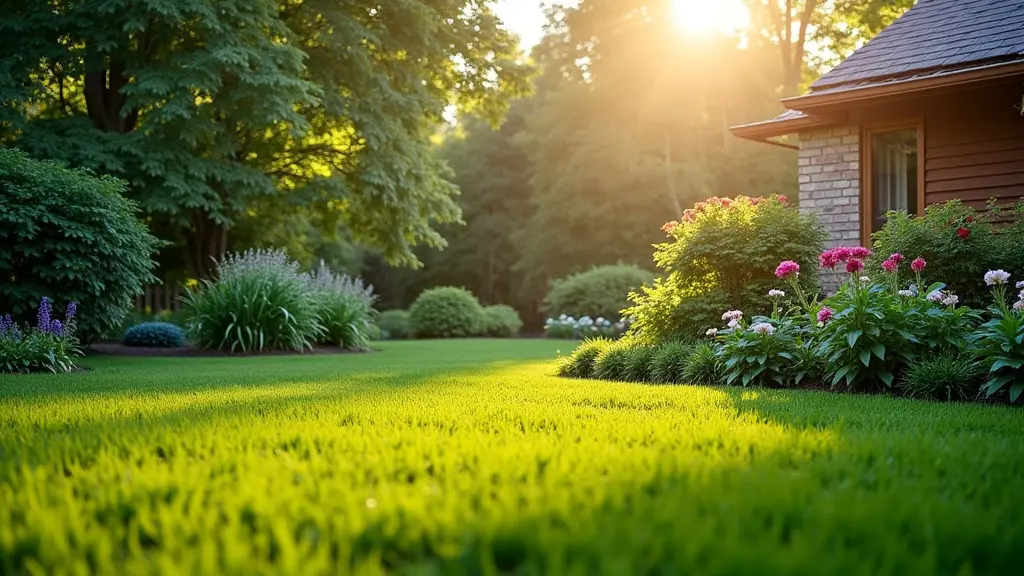
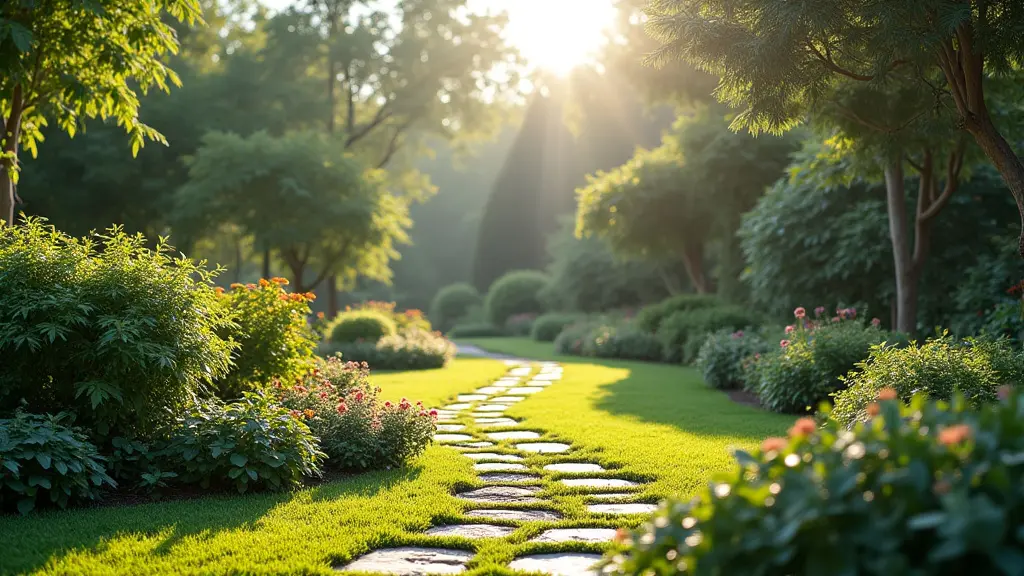
Remember that scorching summer day when your neighbor’s lawn was a vibrant green, and yours looked like a dusty wasteland? That feeling of envy is a common one, and it’s the spark that ignites the dream of a beautiful outdoor space. We’ve all imagined escaping the everyday, stepping into a personal lawn and garden oasis where we can relax, entertain, and connect with nature. This guide provides the tools and information to transform that dream into reality, teaching you the essentials for creating a thriving outdoor sanctuary. You’ll gain practical advice to cultivate your own green escape, improving your home’s value and enhancing your quality of life.
Key Takeaways
- Learn the fundamental steps for planning and designing your outdoor space.
- Discover essential plant selection tips to match your climate and preferences.
- Explore effective gardening techniques to nurture a flourishing landscape.
- Understand the importance of soil preparation and maintenance.
- Get expert advice on maintaining a healthy lawn and garden oasis.
- Find innovative ways to personalize your space with unique features.
Planning Your Ideal Lawn and Garden Oasis
The first step in creating your perfect outdoor space involves careful planning. Consider your available space, the amount of sunlight your area receives, and your personal preferences. Sketching out your vision, including features like patios, pathways, and planting beds, can help you visualize the final result. Thinking about how you will use the space—for relaxing, entertaining, or gardening—will also shape your design. Creating a detailed plan helps prevent costly mistakes and ensures you build the outdoor area of your dreams.
Assessing Your Space and Sunlight
Evaluating your outdoor space is essential to any successful landscape design. Begin by measuring your yard’s dimensions and noting any existing structures like trees, buildings, or fences. Observe how sunlight moves across your property throughout the day, as this impacts plant selection. Areas with full sun (6+ hours of direct sunlight) are suitable for plants like roses and vegetables, while shady areas benefit from ferns and hostas. Understanding these factors will greatly impact the success of your project.
- Conduct a Site Analysis: Map out your property, noting existing features, slopes, and drainage patterns. This assessment is vital for an efficient design.
- Determine Sunlight Exposure: Identify areas that receive full sun, partial shade, or full shade throughout the day to select plants appropriately.
- Assess Soil Conditions: Test your soil’s composition (sand, silt, clay) and pH level. This information is key for planting and amendment choices.
- Consider Wind Patterns: Observe the direction and intensity of prevailing winds. These impact plant selection and placement.
- Check Drainage: Ensure your land drains properly to avoid waterlogging and erosion. Improve drainage if necessary.
Designing Your Lawn and Garden Layout
Once you’ve assessed your space, it’s time to draft your layout. Start with the major elements: lawn, patio, and pathways. Think about the flow of traffic and how you want people to move through the space. Consider the placement of focal points, such as a water fountain, a striking tree, or a seating area. Draw multiple drafts to experiment with different arrangements. A well-designed layout is both functional and visually appealing, enhancing the overall enjoyment of your lawn and garden oasis.
- Define Functional Zones: Divide your space into distinct zones for activities like dining, relaxation, and gardening.
- Plan Pathways: Design paths that are both practical and aesthetic. Use materials that complement your overall design.
- Choose Focal Points: Incorporate elements that draw the eye, such as a birdbath, statue, or vibrant planting.
- Incorporate Hardscaping: Integrate structures like patios, decks, and walls to define spaces and provide structure.
- Prioritize Privacy: Use strategically placed plants, fences, or walls to create a sense of seclusion if needed.
Selecting Plants for Your Outdoor Space
Choosing the right plants is critical for a thriving outdoor space. Select plants that are well-suited to your climate, soil conditions, and the amount of sunlight your area receives. Think about the mature size of each plant to avoid overcrowding. Consider a variety of plants to achieve different textures, colors, and bloom times, creating visual interest throughout the seasons. Careful plant selection is the foundation of a beautiful and low-maintenance garden.
Choosing Plants Based on Climate and Region
Different regions have unique climates that affect which plants can thrive. Research native plants to your area, as they are usually well-adapted to local conditions and require less care. Consider factors like temperature, rainfall, and humidity when making your choices. Plants labeled for your zone are generally more likely to succeed. Selecting plants that match your climate leads to healthier growth and reduces the need for constant maintenance and adjustments.
- Research Your USDA Plant Hardiness Zone: Knowing your zone helps you select plants that can tolerate your region’s coldest temperatures.
- Choose Native Plants: Native plants are adapted to local conditions, require less water and fertilizer, and support local ecosystems.
- Consider Microclimates: Be aware of variations within your yard (e.g., areas near walls can be warmer).
- Assess Sunlight Needs: Match plant sunlight requirements (full sun, partial shade, full shade) with the conditions in your garden.
- Think About Water Requirements: Select plants that match your water availability and conserve water resources.
Designing with Color and Texture
Combining different colors and textures creates visual appeal in your garden. Mix plants with varied leaf shapes, sizes, and colors for a dynamic look. Incorporate different bloom times to ensure continuous color throughout the growing season. Varying textures and colors add depth and interest, transforming your outdoor space into a visually rich lawn and garden oasis. Strategic planning ensures a cohesive and appealing design.
For example, placing a vibrant bed of red salvia next to a grassy area creates a strong visual contrast. Using soft, gray-green foliage of lavender and pairing it with the bold leaves of a hosta offers contrasting textures that are pleasing to the eye.
- Use a Color Wheel: Consider color theory to create harmonious or contrasting color schemes.
- Vary Leaf Textures: Combine plants with fine, medium, and bold textures (e.g., ferns, ornamental grasses, and large-leaved plants).
- Incorporate Different Bloom Times: Select plants with staggered bloom times to provide continuous color.
- Use Evergreen and Deciduous Plants: Mix evergreen plants for year-round structure with deciduous plants for seasonal changes.
- Consider Foliage Color: Incorporate plants with colorful foliage (e.g., purple, silver, or gold) for added interest.
Essential Gardening Techniques for Success
Proper gardening techniques are the foundation of a healthy and beautiful outdoor space. From preparing the soil to watering and pruning, each task plays a role in plant health and growth. Mastering these techniques ensures that your plants thrive and that your lawn and garden oasis flourishes. Applying these techniques will create a more enjoyable and rewarding gardening experience.
Soil Preparation and Amendment
Healthy soil is key to a thriving garden. Before planting, test your soil to determine its composition, pH level, and nutrient content. Amend the soil as needed with organic matter, like compost or well-rotted manure, to improve its structure, water retention, and nutrient levels. Good soil provides the perfect environment for plant roots, allowing them to absorb nutrients and water efficiently. Soil preparation will make a big difference in the long-term success of your landscape.
Statistics show that gardens with well-prepared soil yield 20% more produce and require 15% less water.
- Conduct a Soil Test: Determine your soil’s pH level and nutrient content to identify necessary amendments.
- Add Organic Matter: Incorporate compost, manure, or other organic materials to improve soil structure and fertility.
- Improve Drainage: If your soil is poorly draining, add sand or other materials to enhance aeration.
- Consider Soil Amendments: Amend the soil based on the results of your soil test to address specific deficiencies.
- Prepare Planting Beds: Loosen the soil and remove any rocks or debris before planting.
Watering and Irrigation
Proper watering is critical for plant health. Water deeply and less frequently to encourage deep root growth, which makes plants more resilient to drought conditions. Monitor soil moisture levels and adjust your watering schedule based on the weather and the specific needs of your plants. Consider using irrigation systems, such as drip irrigation or soaker hoses, to deliver water directly to the roots, which minimizes water waste and reduces the risk of disease.
- Water Deeply and Infrequently: Encourage deep root growth by watering thoroughly and less often.
- Water in the Morning: This reduces water loss from evaporation and lowers the risk of fungal diseases.
- Monitor Soil Moisture: Check soil moisture levels regularly to determine when to water.
- Use Irrigation Systems: Consider drip irrigation or soaker hoses to efficiently deliver water to plant roots.
- Conserve Water: Mulch around plants to retain moisture and reduce evaporation.
Pruning and Maintenance
Regular pruning and maintenance keep plants healthy and promote growth. Prune plants at the appropriate time of year to encourage flowering, fruiting, and overall plant health. Remove dead, damaged, or diseased branches to prevent the spread of diseases. Mulching, fertilizing, and weeding are also essential maintenance tasks that keep your garden in good shape. Regular maintenance allows your lawn and garden oasis to look its best.
- Prune at the Right Time: Research the optimal pruning time for each plant variety.
- Remove Dead or Diseased Branches: This improves plant health and appearance.
- Deadhead Spent Blooms: Encourage further flowering by removing faded flowers.
- Fertilize as Needed: Apply fertilizer based on plant needs and soil test results.
- Weed Regularly: Remove weeds to reduce competition for nutrients and water.
Creating Unique Features in Your Outdoor Space
Adding unique features personalizes your outdoor space and makes it more enjoyable. Consider adding elements like a water fountain, a fire pit, or a seating area to create a welcoming and relaxing atmosphere. Including decorative elements, such as sculptures, planters, and lighting, helps to showcase your personality and design preferences. Creating customized features transforms your outdoor space into a reflection of your style.
Incorporating Water Features
Water features, like fountains, ponds, and waterfalls, add a sense of tranquility and movement to your garden. The sound of running water can be incredibly relaxing, creating a peaceful oasis. Water features also attract wildlife, like birds and butterflies, bringing your garden to life. Selecting the appropriate water feature size and style that suits your outdoor space is key to creating the aesthetic.
- Choose a Fountain or Pond: Decide on the type of water feature that best suits your space and style.
- Consider Size and Placement: Ensure the water feature complements the size and design of your garden.
- Add Aquatic Plants: Include aquatic plants to enhance the beauty and ecological balance of the water feature.
- Incorporate Lighting: Add lights to create a beautiful effect at night.
- Maintain Your Water Feature: Regularly clean and maintain your water feature to keep it in good condition.
Designing Outdoor Kitchens and Dining Areas
Outdoor kitchens and dining areas enhance your ability to entertain and enjoy your outdoor space. They provide a comfortable and functional area for cooking, dining, and socializing. Consider the placement of your outdoor kitchen or dining area relative to your home and existing features. Include amenities such as a grill, sink, refrigerator, and seating to create a fully functional outdoor living space. These spaces often become the heart of the home during warm weather.
Studies have shown that homes with outdoor kitchens can see a 10-15% increase in property value.
- Plan Your Layout: Design the layout of your outdoor kitchen or dining area to maximize functionality.
- Choose Durable Materials: Use weather-resistant materials for countertops, cabinetry, and furniture.
- Incorporate Cooking Appliances: Include a grill, smoker, or other cooking appliances based on your preferences.
- Add Seating and Dining Space: Provide comfortable seating and a dining table for entertaining.
- Consider Lighting and Shade: Include lighting and shade structures for comfort and usability in different weather conditions.
Adding Decorative Elements
Decorative elements, such as sculptures, planters, and lighting, personalize your outdoor space. Sculptures and statues add visual interest and reflect your personal style. Planters provide an opportunity to grow smaller plants and add color. Lighting enhances safety and creates a warm, inviting atmosphere at night. Incorporating decorative elements helps to complete the look of your lawn and garden oasis.
- Choose Sculptures and Statues: Select decorative pieces that reflect your style and complement your garden design.
- Use Decorative Planters: Use planters of varying sizes and styles to add color and texture.
- Incorporate Lighting: Install landscape lighting to highlight features and enhance safety.
- Add Decorative Fabrics and Textiles: Add cushions, throw pillows, and outdoor rugs to create a cozy atmosphere.
- Consider Wall Art or Mirrors: Use these items to add depth and interest to outdoor walls and fences.
Common Myths Debunked
Myth 1: Gardening Is Too Time-Consuming.
Reality: While gardening does require an initial time investment, you can create a low-maintenance garden. Selecting plants that are suited to your climate and require minimal care, along with using mulching and efficient watering practices, can significantly reduce the time you spend on maintenance. Planning wisely allows you to spend more time enjoying your space.
Myth 2: You Need a Green Thumb to Be a Successful Gardener.
Reality: Anyone can learn to garden with the right information and resources. Start by researching your local climate, soil conditions, and plant requirements. There are many online resources and gardening classes that provide excellent guidance. The best way to learn is by doing, and with time, anyone can master basic gardening techniques.
Myth 3: Expensive Plants Are Always Better.
Reality: Price does not guarantee quality or suitability. Focus on selecting plants that are well-suited to your climate and growing conditions. Often, local nurseries provide healthier plants that are acclimated to your area. Choose plants that fit your vision and needs rather than those with the highest price tags.
Myth 4: Mulching Is Only for Aesthetics.
Reality: Mulching does enhance the look of your garden, but it also provides significant practical benefits. Mulch helps to retain soil moisture, suppress weeds, and regulate soil temperature. These functions improve plant health and decrease the amount of time and water needed for gardening.
Myth 5: All Gardens Need Fertilizer to Thrive.
Reality: Not all gardens require consistent fertilizer applications. Properly prepared soil, rich in organic matter, can provide sufficient nutrients for many plants. Soil testing is key to determining whether fertilizer is necessary and which nutrients are lacking. Over-fertilizing can be harmful to both plants and the environment.
Frequently Asked Questions
Question: How do I choose the best plants for my garden?
Answer: Consider your climate, soil conditions, and the amount of sunlight your area receives. Choose plants that are well-suited to these conditions, and remember to think about the mature size of the plants.
Question: How often should I water my plants?
Answer: Water deeply and less frequently, allowing the soil to dry out between waterings. The frequency depends on your climate, the type of plants, and the soil type.
Question: What is the best way to prepare my soil for planting?
Answer: Conduct a soil test to determine its composition, pH level, and nutrient content. Amend the soil as needed with organic matter, like compost or well-rotted manure, to improve its structure and fertility.
Question: How can I control weeds in my garden?
Answer: Mulch around plants to suppress weeds. Hand-pull any weeds that emerge, and consider using organic weed control methods if necessary.
Question: What are the benefits of adding a water feature to my garden?
Answer: Water features add a sense of tranquility, attract wildlife, and enhance the overall beauty of your garden. The sound of running water can also be incredibly relaxing.
Final Thoughts
Creating your lawn and garden oasis is a rewarding experience that combines creativity with the joy of connecting with nature. Start by planning your space thoughtfully, considering the available sunlight and your personal preferences. Select plants that thrive in your climate and soil conditions, and implement essential gardening techniques to ensure their health. Don’t hesitate to incorporate unique features like water elements and decorative details to personalize your space and turn it into a sanctuary. With some planning, effort, and attention to detail, you can transform your yard into a beautiful and functional outdoor space. Start small, be patient, and enjoy the process of watching your green space grow and flourish.
Leave a Reply