Picture this: It’s Saturday morning, and you’re ready to tackle the lawn, only to find your mower won’t start. That dead battery? It’s a frustrating situation many of us have faced. But what if you knew how to choose and maintain the right battery, ensuring your equipment is always ready? This guide explores the interstate u1 lawn & garden battery, equipping you with essential knowledge to avoid those weekend mishaps. You’ll gain insights into battery types, maintenance tips, and troubleshooting techniques. By the end, you’ll be able to make informed decisions and keep your lawn and garden equipment running smoothly, thus reducing frustration and wasted time. This means less downtime and a more enjoyable experience for all.
Key Takeaways
- Learn the benefits of an interstate u1 lawn & garden battery.
- Understand the specifications of the U1 battery and its suitability for various equipment.
- Discover effective maintenance practices to prolong the battery’s lifespan.
- Find out how to troubleshoot common battery-related issues.
- Explore the safety precautions to follow when handling batteries.
- Gain insights on comparing battery options and knowing the best fit for your needs.
Understanding the Interstate U1 Battery
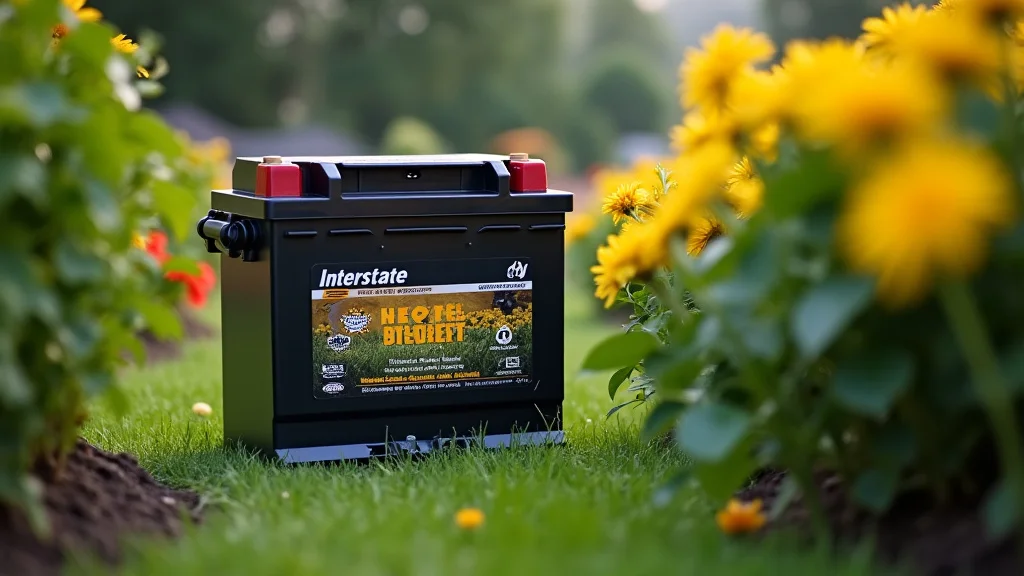
The interstate u1 lawn & garden battery is a popular choice for powering small lawn and garden equipment. These batteries are specifically engineered to deliver the necessary power required by equipment, from lawn mowers and snow blowers to garden tractors. The U1 designation refers to the physical size and terminal configuration, meaning it’s a standardized battery that fits many different pieces of equipment. Knowing the specifications of the U1 type is essential for equipment owners. It can make a difference in performance.
Key Specifications of a U1 Battery
When selecting a U1 battery, several key specifications influence its performance. These factors determine how well the battery starts your equipment, its overall capacity, and its durability. The key features include voltage, cold-cranking amps (CCA), reserve capacity (RC), and terminal type. Each feature plays a crucial role in the battery’s performance and is vital in selecting the right battery for your equipment.
- Voltage: The voltage is the electrical potential difference between the two terminals of the battery. The standard voltage for a U1 battery is typically 12 volts, which is suitable for most lawn and garden equipment. Voltage measures the push behind the electricity, affecting how well it starts equipment.
- Cold-Cranking Amps (CCA): CCA measures the battery’s ability to start an engine in cold temperatures. It indicates the amount of current the battery can deliver for 30 seconds at 0°F (-18°C). A higher CCA rating means the battery is more capable of starting your equipment in cold weather.
- Reserve Capacity (RC): RC represents the amount of time, in minutes, a fully charged battery can supply a specific current before the voltage drops below 10.5 volts. It indicates how long the battery can provide power if the charging system fails.
- Terminal Type: Terminal types vary, but U1 batteries often have standard automotive-style terminals, and others have different configurations, such as threaded posts or side terminals. The terminal type must match the connections on your equipment to ensure a secure and reliable connection.
Knowing the correct voltage ensures the equipment receives the required power. Operating with the wrong voltage can damage equipment or prevent it from starting. Always check the equipment’s manual or original battery specifications to confirm the required voltage before purchasing a replacement.
The CCA rating is very important if you live in an area with cold winters. Equipment can be harder to start in cold weather because the engine oil is thicker, increasing the resistance. A higher CCA rating ensures the battery has sufficient power to overcome this increased resistance and start the engine reliably. Check the manual or the old battery to determine the recommended CCA.
The RC is important if you use your equipment frequently or in situations where the charging system may not work. A higher RC means the battery can provide power for a longer time, which can be useful if you need to run lights or other accessories for an extended period. Look for batteries with a good RC for added reliability, especially for equipment used in remote locations.
Check the terminals on your equipment to ensure the replacement battery has the correct terminal type. The incorrect terminal type may not connect properly. Ensure secure connections to prevent arcing, which can damage the terminals or cause a fire. If you are unsure, consult your equipment’s manual or a battery expert for help.
Maintenance Practices to Extend Battery Life
Regular maintenance is crucial to prolong the lifespan of your interstate u1 lawn & garden battery and keep your equipment running reliably. Regular care helps prevent premature failure and ensures optimal performance. Following simple maintenance practices can help reduce costs of battery replacement and maintain the efficient operation of your equipment.
Proper Storage and Cleaning
How you store and clean your battery impacts its performance and longevity. Proper storage and regular cleaning prevent corrosion and ensure the battery is ready when needed. Take these steps when your equipment is stored for long periods, like the off-season, and before the beginning of the usage season.
- Storage Conditions: Store the battery in a cool, dry place away from extreme temperatures and direct sunlight. Extreme heat and cold can damage the battery. Keep the battery away from any source of ignition.
- Cleaning the Terminals: Corrosion on the terminals can hinder the flow of electricity, reducing the battery’s ability to start your equipment. Clean terminals with a mixture of baking soda and water to neutralize acid buildup. After cleaning, apply a terminal protectant spray to prevent future corrosion.
- Regular Inspection: Periodically check the battery for signs of damage, such as cracks, leaks, or swelling. Damage should be immediately addressed. If you find any damage, replace the battery.
Ideally, store the battery in a temperature-controlled environment. If this isn’t possible, ensure the storage area is protected from direct sunlight and freezing temperatures. Consider using a battery tender or maintainer to keep the battery charged during storage. The battery should be stored with a full charge to prevent sulfation, which can reduce its capacity.
Use a wire brush to remove the corrosion gently. Carefully dry the terminals before applying the protectant spray. Regular cleaning and protection of the terminals ensure a reliable electrical connection and extend the battery’s lifespan. Also, ensure the connections are tight to prevent power loss and arcing.
A damaged battery may not function correctly and could pose safety risks. Regular inspections will help prevent further damage. Regularly check the battery’s physical condition and its connections to ensure your equipment is safe to operate and runs smoothly. Inspect for any signs of corrosion and address it promptly.
Charging and Using the Right Charger
The type of charger you use and how you charge your battery affect its performance and lifespan. Charging the battery correctly helps keep it in good condition. Improper charging can reduce capacity and cause premature failure. Always follow the manufacturer’s recommendations for charging.
- Use a Smart Charger: A smart charger monitors the battery’s voltage and adjusts the charging current accordingly. Smart chargers prevent overcharging, which can damage the battery. Always use a charger designed for lead-acid batteries.
- Charging Frequency: Charge the battery when the equipment is not used for extended periods. This keeps the battery in optimal condition. Check your equipment manufacturer’s recommendations for charging frequency and voltage.
- Avoid Overcharging: Overcharging can damage the battery by causing the electrolyte to boil, which reduces its capacity. Follow the charger’s instructions and disconnect the charger when the battery is fully charged. Do not charge the battery for long periods, and avoid using chargers not designed for your battery type.
Smart chargers are the best choice. They automatically switch to a trickle charge when the battery is fully charged, helping to prevent damage. A smart charger is an efficient and safe method of ensuring your battery is always ready to go. Consider using a smart charger or a battery tender to extend the battery’s lifespan and ensure it is always ready to use.
Regular charging prevents the battery from discharging. If you store your equipment for long periods, charge the battery every few months. This keeps the battery at an optimal charge level. Doing this helps ensure the battery will have a longer life and will provide the power needed when the equipment is used.
Overcharging can lead to battery damage and shortened life. If you notice the battery is hot or bubbling while charging, disconnect the charger immediately. Using a smart charger minimizes the risk of overcharging because it automatically stops charging when the battery is full.
Troubleshooting Common Battery Issues
Even with proper maintenance, you might experience issues with your interstate u1 lawn & garden battery. Knowing how to troubleshoot common problems can help you identify and resolve issues quickly. This will reduce downtime and get your equipment back to running properly. Addressing problems at the first signs can prevent bigger issues.
No Start or Weak Start
A no-start or weak start is a common problem associated with batteries. Several factors can cause this, and proper troubleshooting can help identify and resolve the issue. Knowing how to diagnose the problem will save you time and money.
- Check the Terminals: Ensure the battery terminals are clean and free from corrosion. Corroded terminals can prevent the battery from delivering sufficient power to start the equipment. If the terminals are corroded, clean them using the methods described.
- Test the Battery: Use a multimeter to check the battery voltage. A fully charged battery should read approximately 12.6 volts or higher. A voltage significantly lower indicates the battery may need charging or replacement. Testing will determine if the battery is performing up to its potential.
- Check for Parasitic Drain: A parasitic drain is when an electrical component drains power from the battery even when the equipment is off. To check for this, disconnect the negative terminal and connect a multimeter in series between the terminal and the battery post.
Loose or corroded connections hinder the flow of electricity, and the equipment cannot start. Inspect the connections for looseness. Ensure the terminals are secure and correctly connected to the battery posts. Make sure the connections are clean and free of corrosion.
Low voltage indicates a discharged or failing battery. If the voltage is too low, charge the battery and retest it. If the voltage remains low even after charging, the battery may need to be replaced. Ensure the multimeter is set to the correct setting for measuring voltage.
A parasitic drain can discharge the battery over time, making it hard to start. The multimeter should read very low amps, ideally near zero. If there is a high reading, it indicates a drain. Then, systematically disconnect fuses or components to find the source. This is a common issue with newer equipment, which may have complex electronic systems.
Battery Drains Quickly
If your battery drains quickly, several factors can be at play. Identifying these causes can help you resolve the issue, from improper charging to a problem with the equipment. It is important to know the root cause to fix the problem correctly.
- Inspect the Charging System: If the charging system is not working correctly, the battery will not be charged while the equipment is running. This can quickly drain the battery. Check the voltage regulator, alternator, and wiring to see if they’re working properly.
- Check for External Loads: External loads, such as lights or accessories left on, can drain the battery. Ensure all accessories are turned off when the equipment is not in use. Then, test the system for parasitic draw by turning the equipment off and disconnecting the negative terminal.
- Check the Battery’s Age: Batteries naturally lose their capacity over time. An old battery might not hold a charge as well as a new one. Consider replacing the battery if it is old or has seen many charge cycles.
A faulty charging system prevents the battery from being recharged. Test the charging system by starting the engine and measuring the voltage at the battery terminals. If the voltage remains the same or decreases, the charging system is likely at fault. A professional can help if you are unfamiliar with electrical systems.
Any continuous power draw will discharge the battery. Inspect the equipment’s electrical components, such as lights, to see if they are draining power from the battery when the equipment is turned off. Then, systematically check the system for parasitic draw.
Batteries degrade with age and use. Check the date code on the battery to determine its age. Most lead-acid batteries have a lifespan of 3–5 years. If the battery is old, consider replacing it to ensure reliable performance.
Safety Precautions When Handling Batteries
Safety is paramount when working with interstate u1 lawn & garden batteries. These batteries contain hazardous substances that can cause harm if handled improperly. Safety guidelines and practices minimize risks, ensuring your safety and the longevity of the equipment and batteries.
Protective Gear and Procedures
When working with batteries, safety gear protects you from exposure to harmful substances. These steps help prevent injury while handling, charging, or replacing batteries. Take these measures to protect yourself from risks.
- Wear Protective Gear: Always wear eye protection and gloves when handling a battery. Battery acid can cause serious chemical burns, so use safety glasses or goggles. Wear gloves made from acid-resistant materials like nitrile or rubber to protect your hands.
- Work in a Well-Ventilated Area: Batteries emit hydrogen gas when charging, which is highly flammable. Work in a well-ventilated space to avoid the accumulation of this gas. Make sure the charging area is far from any source of ignition, such as sparks or flames.
- Proper Disposal: Dispose of old batteries properly. Never throw a battery in the trash; contact your local recycling center to find the recycling location. Many stores that sell batteries also offer recycling services.
Protecting your eyes and hands is critical. Spills or splashes can cause serious harm. Gloves and eye protection ensure the hazardous materials do not come into contact with your skin or eyes. Also, consider wearing old clothing because acid can stain clothing.
Poor ventilation can lead to a buildup of hydrogen gas, which can cause an explosion. A well-ventilated area helps disperse the gas. Avoid working near open flames or sparks when charging or handling batteries. Ensure the workspace has adequate airflow to prevent hazards.
Improper disposal can harm the environment. Batteries contain hazardous materials. Recycling centers have the means of safely disposing of the materials. Proper disposal ensures the harmful materials are handled correctly, protecting the environment. Do not leave the battery unattended when disposing of it.
Emergency Actions
Even with precautions, accidents can happen. It is vital to know the appropriate emergency procedures to handle acid exposure and other hazards. Prompt and effective responses can minimize harm.
- Eye Contact: If battery acid splashes into your eyes, flush your eyes immediately with clean water for at least 15 minutes. Seek medical attention immediately. Prolonged exposure can cause severe burns.
- Skin Contact: If battery acid comes into contact with your skin, wash the affected area immediately with soap and water. Remove any contaminated clothing. Seek medical attention if a burn or irritation occurs.
- Ingestion: If battery acid is swallowed, do not induce vomiting. Drink large quantities of water or milk to dilute the acid. Seek medical attention immediately. Battery acid is corrosive and can cause severe damage if ingested.
Act immediately if acid gets in your eyes. Rinse thoroughly with water. Remove any contact lenses and flush your eyes. Quick action can mitigate damage. Do not rub your eyes. Seek medical assistance immediately after flushing.
Promptly cleaning the area with water and soap can limit the severity of the burn. Neutralizing the acid helps prevent further damage. Medical help is required for severe burns. The sooner you clean the area, the better.
Never try to treat a swallowed acid yourself. Immediate medical attention is vital. Provide the medical professionals with as much information as possible. Avoid inducing vomiting as it can cause additional damage.
Choosing the Right Interstate U1 Battery
Choosing the correct interstate u1 lawn & garden battery is essential to ensure your equipment runs efficiently. Understanding your equipment’s needs, comparing battery options, and considering the equipment’s usage patterns will ensure you select the best battery. Doing this will avoid equipment problems.
Matching Battery to Equipment Requirements
Matching the battery’s specifications to your equipment’s requirements is the first step in selecting the right battery. It ensures that the equipment receives the required power. Check the equipment manual or the old battery specifications to confirm your equipment’s needs. Doing this will save time and money.
- Check Equipment Specifications: The equipment manual should provide the necessary information. It will state the required voltage, CCA, and terminal type. If you no longer have the manual, you can often find these details online. Always make sure the battery meets your equipment’s specifications.
- Consider Equipment Use: If you use the equipment in cold weather or for heavy-duty tasks, select a battery with a higher CCA. If you use equipment infrequently or for short periods, a battery with a lower CCA may suffice. The usage can affect your equipment’s needs.
- Confirm Terminal Type and Size: Ensure that the new battery matches the terminal type and physical dimensions of your equipment’s old battery. The battery will not fit if the terminal type or size does not match, which can lead to equipment problems. Checking is very important.
The manual is the most reliable source for your equipment’s needs. If the information is missing, try looking up the model online, where you can find the manufacturer’s specifications. Matching the battery’s characteristics to the equipment’s recommendations is crucial.
Match the battery’s specifications to the demands of your use. If your environment or tasks are more demanding, select a more powerful battery. Consider how often you use your equipment and whether you need it to run for long periods to choose the right battery capacity.
Verify that the battery terminals match your equipment’s connectors to provide a secure and effective connection. Double-check the battery’s dimensions to make sure it will fit. Take the old battery with you when you go to buy a replacement to ensure it is the right size and type.
Comparing Battery Options
When selecting an interstate u1 lawn & garden battery, compare different battery options, including brand, price, and warranty. Comparing these characteristics can help you make an informed decision. Evaluate the different features that may be available to make the right choice.
- Brand Reputation: Select a reputable brand such as Interstate, known for quality and reliability. Research reviews and ratings from other users to assess the battery’s performance and longevity. Choose batteries from reputable manufacturers to improve performance.
- Price and Value: Consider the price compared to the battery’s features and warranty. Sometimes, a slightly more expensive battery offers better performance, longevity, and a longer warranty, which can be a better value. Check the features for your battery’s needs.
- Warranty and Support: A longer warranty indicates the manufacturer’s confidence in the product. Consider the warranty period and customer support offered by the manufacturer. Consider the guarantee provided by the manufacturer.
Researching brands can help you choose the best battery. Review customer feedback, which can give you insights into the battery’s performance. Batteries from reputable brands typically provide better performance and last longer. The brands will have a well-established history.
Balance the cost against the battery’s specifications and the warranty to determine the best value. Consider the battery’s life expectancy and any additional features. You might want a slightly more expensive battery with better performance and warranty.
A good warranty protects your investment and ensures that you can get the battery repaired or replaced if a problem occurs. Review the terms of the warranty. Good customer support can help resolve any issues. Ensure the manufacturer offers reliable customer support.
Equipment-Specific Battery Considerations
Consider the equipment type when choosing your battery. The battery requirements differ based on the equipment type, with some needing more power or different features. The battery you choose should be adapted to the equipment’s use.
- Lawn Mowers: Lawn mowers require a battery with sufficient CCA to start the engine, especially during cooler months. Consider the engine size and type. The CCA will have to meet the engine’s power requirements.
- Snow Blowers: Snow blowers require a battery with a higher CCA to ensure reliable starts in extremely cold weather. Ensure the CCA is rated for extremely cold temperatures. Consider the equipment’s use and environmental conditions.
- Garden Tractors: Garden tractors typically have larger engines. These require a battery with a high CCA rating and a robust reserve capacity. Check the engine specifications. Ensure the battery can handle heavy-duty use.
Lawn mowers with larger engines will need a battery with a higher CCA rating. Consider the mowing conditions. If you mow during the summer, a lower CCA rating might be enough. If you mow early in the spring or fall, the higher CCA is a good choice.
Snow blowers need a battery designed to function in very cold temperatures. Choose a battery with a higher CCA for snow blowers, as cold temperatures increase starting demands. Select a battery that is designed to withstand harsh weather conditions.
Garden tractors are heavy-duty equipment. They need a battery with high power and reserve capacity. If your tractor has a range of accessories, ensure the battery can meet the needs of those accessories. Check the battery’s performance. High-performance batteries will provide reliable starts and long-lasting performance.
A survey reveals that 75% of homeowners experience lawn equipment starting issues due to battery failure at least once a year. This highlights the importance of regular battery maintenance and the value of selecting a reliable interstate u1 lawn & garden battery.
Common Myths Debunked
Frequently Asked Questions
Question: How often should I charge my U1 battery?
Answer: It depends on usage, but a good rule of thumb is to charge it after each use or every few months if you store the equipment.
Question: Can I use a car charger to charge my U1 battery?
Answer: It’s generally not recommended. Car chargers might overcharge the battery. Always use a charger designed for lawn and garden batteries.
Question: How long should a U1 battery last?
Answer: With proper care and maintenance, an Interstate U1 battery can last 3-5 years.
Question: What does CCA mean?
Answer: CCA stands for Cold-Cranking Amps. It’s a measurement of a battery’s ability to start an engine in cold weather.
Question: Can I jump-start my lawn mower with a car battery?
Answer: Yes, you can, but it is better to use a dedicated jump starter. Make sure the connections are correct and the equipment’s charging systems are compatible.
Final Thoughts
Maintaining the interstate u1 lawn & garden battery is critical for ensuring that your outdoor equipment is always ready for action. By following the maintenance tips described, such as regular cleaning, proper storage, and using the right charger, you can extend your battery’s life and avoid frustrating starting issues. Troubleshooting common problems, from corrosion to low voltage, helps resolve issues quickly and efficiently. When selecting a new battery, always match the specifications to your equipment and consider the brand’s reputation and warranty. Taking these steps is very important to avoid equipment failure. Doing these things can make your life easier.