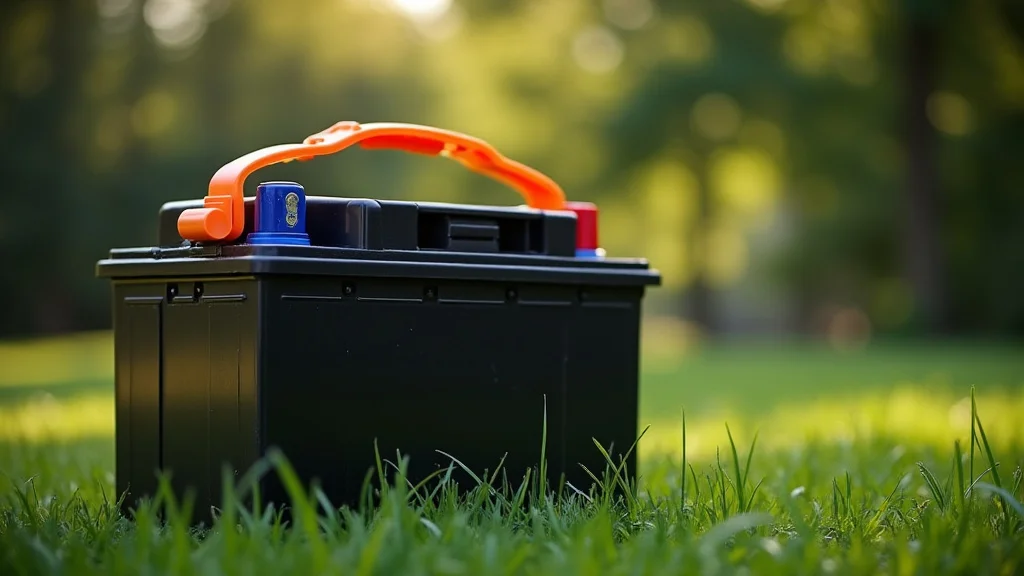
Picture this: It’s Saturday morning, and you’re ready to tackle the yard work. You grab your trusty lawn mower, only to find it won’t start. A dead battery can quickly turn a sunny day into a frustrating one. This situation highlights the importance of a reliable power source for your lawn and garden equipment. This post is all about the lawn and garden battery 230 cca, exploring what makes them tick and how to choose the right one for your needs. You’ll gain practical knowledge about battery maintenance, troubleshooting common issues, and making informed purchasing decisions. This will help you keep your equipment running smoothly season after season, saving you time and money.
Key Takeaways
- Learn the essential specifications of a lawn and garden battery 230 cca.
- Discover the factors to consider when choosing the correct battery for your equipment.
- Understand the proper maintenance techniques to extend your battery’s life.
- Explore common problems and how to troubleshoot them effectively.
- Get tips on how to safely handle and store your battery.
- Identify signs indicating when it’s time to replace your old battery.
Essential Details of a Lawn and Garden Battery 230 CCA
A lawn and garden battery 230 cca is a critical component for starting and running various outdoor power equipment. CCA stands for Cold Cranking Amps, a measure of a battery’s ability to start an engine in cold temperatures. Knowing the details about these batteries is necessary to make informed decisions. This section will delve into the technical specifications, explaining their significance in relation to your equipment’s performance and longevity. You’ll gain a fundamental grasp of battery design, helping you recognize the right fit for your needs and promoting the correct operation of your equipment.
Understanding CCA and Its Importance
Cold Cranking Amps (CCA) is a vital rating when it comes to battery selection. It signifies the amperage a battery can provide for 30 seconds at 0°F (-18°C). A higher CCA rating means the battery can deliver more power to start an engine in cold weather, which is especially important for lawn and garden equipment that may sit outside in colder temperatures. The CCA rating must be sufficient to provide adequate power. Choosing a battery with a CCA rating that meets or exceeds the requirements of your equipment will ensure it starts reliably, even during those early morning or late season tasks.
- Adequate Starting Power: The primary function of CCA is to provide enough power to start the engine. Insufficient CCA may lead to hard starting or no starting at all, particularly in cold weather.
- Matching Equipment Needs: Check the equipment’s manual for the recommended CCA. This ensures the battery delivers the required power without damaging the starting components of the engine.
- Cold Weather Operation: Lawn mowers and garden tractors often sit outside, and cold temperatures can reduce battery performance. A higher CCA helps overcome this reduction.
- Longevity: A battery delivering sufficient CCA is less likely to be strained, which can extend its lifespan. Overworking a battery can lead to premature failure.
Battery Types Used in Lawn and Garden Equipment
Various battery technologies are utilized in lawn and garden equipment, each with different features. Most commonly, you’ll encounter lead-acid batteries, the standard choice for many years. These are known for being affordable. AGM batteries, a type of lead-acid battery, provide improved performance and a longer lifespan, making them a good option for people seeking a battery for their lawn equipment. Then there’s lithium-ion batteries, often found in smaller, cordless tools. The type you choose affects the performance and durability of your equipment. Being aware of the distinct benefits of each is important for choosing a battery that is suitable for your specific usage.
- Lead-Acid Batteries: These are the most common type, known for their affordability and widespread availability. They are reliable and suitable for many lawn and garden applications.
- Absorbed Glass Mat (AGM) Batteries: AGM batteries are lead-acid but use a glass mat to absorb the electrolyte. This design makes them spill-proof and provides better vibration resistance.
- Lithium-Ion Batteries: Lithium-ion batteries are common in smaller, cordless tools. They are lighter and have a higher energy density than lead-acid batteries.
- Choosing the Right Type: Consider the specific needs of your equipment and how often you use it. For heavy-duty use or if you want increased battery life, AGM may be a better choice.
Battery Voltage and Capacity
In addition to CCA, the voltage and capacity of a lawn and garden battery 230 cca are critical. Voltage, typically 12 volts for most equipment, determines the power needed to operate the electrical systems. Capacity, measured in Amp-hours (Ah), indicates how long the battery can provide power. A higher Ah rating means the battery can run the equipment for a longer period. Knowing these ratings will help you decide which battery is best suited for your equipment and usage patterns, ensuring you have enough power for your tasks.
- Voltage (12V): Most lawn and garden equipment operates at 12 volts, which ensures sufficient power for starting and running equipment. Incorrect voltage can damage the equipment.
- Amp-Hours (Ah): Ah measures the battery’s capacity to deliver power over time. A higher Ah rating means the battery will last longer before needing to be recharged.
- Matching Equipment Specs: Always check the equipment’s specifications to ensure the battery meets the requirements for voltage and Ah. Using the correct ratings ensures optimal performance.
- Power Consumption: Consider the equipment’s power consumption. Heavy-duty equipment or equipment used for long periods will benefit from a higher Ah battery.
Choosing the Correct Lawn and Garden Battery 230 CCA
Selecting the right lawn and garden battery 230 cca involves more than just picking one off the shelf. It means understanding the requirements of your equipment and matching them with the battery’s specifications. This section focuses on essential factors. You will be provided with the information necessary to make a smart selection. You can optimize performance and extend the lifespan of your battery, by making the right choice.
Matching Battery Specifications to Equipment Requirements
The first step in choosing a battery is to match the specifications to your equipment’s requirements. This involves checking the equipment’s manual to find the recommended CCA, voltage, and Ah ratings. Ignoring these specifications can lead to starting problems, reduced equipment performance, or damage to your equipment. You also have to consider the environment in which you’re using the equipment. These considerations make sure the battery is compatible with your equipment’s needs, extending its life and reliability.
- Consult the Manual: The equipment’s manual provides essential details. It outlines the specific battery requirements, including CCA, voltage, and physical size.
- Check the Starter Motor: The starter motor’s power needs dictate the required CCA. Ensure the battery has enough CCA to turn the engine over, especially in colder temperatures.
- Consider Usage Patterns: Consider how often you use the equipment and for how long. If you use it frequently or for extended periods, a higher Ah battery may be preferable.
- Physical Size: Make sure the battery fits into the battery compartment. The size and terminal configuration must match the original battery.
Considering the Operating Environment
The operating environment greatly impacts a battery’s performance and lifespan. Extreme temperatures, humidity, and the storage conditions can all affect a battery’s output. Lawn and garden equipment often operates in varying conditions, so it’s important to choose a battery that can withstand these factors. Selecting a battery suitable for the operating environment helps make sure that the battery can still perform efficiently in less-than-ideal circumstances, extending its life and dependability.
- Temperature Extremes: Cold temperatures can decrease battery performance, so make sure the battery has enough CCA to start the engine in colder months. Heat can also reduce battery life.
- Humidity and Moisture: Outdoor equipment can be exposed to moisture. Choosing a sealed battery or one designed to resist moisture ingress can prevent corrosion and extend battery life.
- Storage Conditions: How the battery is stored during off-seasons affects its longevity. Storing it in a cool, dry place can help preserve its performance.
- Vibration Resistance: Lawn and garden equipment experiences vibrations during operation. Selecting a battery with good vibration resistance ensures it can withstand the stress.
Understanding Battery Terminals and Configuration
Battery terminals and configuration might seem like small details, but they’re important for the right fit and connection. The correct terminals enable a secure connection to your equipment’s electrical system, preventing issues. Being aware of these configurations and carefully matching them to your equipment is vital to ensure ease of installation and dependable operation. Incorrect terminals will prevent the battery from working properly. A proper connection means the equipment will start and operate correctly.
- Terminal Types: Common terminal types include post terminals (top-mounted posts) and side terminals. Make sure the terminal type matches the equipment’s connectors.
- Terminal Configuration: Terminals can have different orientations. Check the original battery to ensure the positive (+) and negative (-) terminals are correctly positioned.
- Secure Connections: The terminals must be securely connected to prevent arcing and ensure a consistent power supply. Use proper tools and techniques.
- Corrosion Prevention: Apply a battery terminal protector to prevent corrosion. Corrosion can reduce performance and damage the terminals.
Proper Maintenance of a Lawn and Garden Battery 230 CCA
Proper care is necessary for the longevity and performance of your lawn and garden battery 230 cca. Simple maintenance steps can extend its life and help keep your equipment running smoothly. This section will go over essential maintenance techniques to help you make the most of your battery. Following these guidelines helps you prevent problems, ensuring that your equipment remains ready whenever you need it.
Regular Charging and Inspection
Regular charging and inspection are essential to keeping your battery in good condition. Charging the battery keeps it fully charged. Regularly checking the battery’s condition helps you catch issues. Proper inspection and charging not only extends the battery’s life, but also help ensure that your equipment reliably starts when you need it. This helps you prevent issues and helps maintain dependable performance.
- Regular Charging: Charge the battery after each use, or at least monthly during periods of infrequent use. Use a battery charger designed for lead-acid or AGM batteries.
- Voltage Checks: Check the battery voltage regularly. A fully charged 12-volt battery should read around 12.6 volts or higher.
- Visual Inspection: Check for signs of damage or corrosion. Look for cracks, leaks, or swelling in the battery case. Also check the terminals for corrosion.
- Cleaning: Keep the terminals clean from corrosion. Use a wire brush and a solution of baking soda and water to clean the terminals.
Cleaning and Corrosion Prevention
Cleaning and corrosion prevention are important for maintaining a battery’s efficiency. Corrosion on the terminals will prevent a strong connection, reducing power and possibly damaging the battery. By cleaning and protecting the terminals, you can extend the battery’s lifespan and avoid starting issues. Regular cleaning and implementing preventive measures will make sure that your battery performs correctly and consistently.
- Terminal Cleaning: Use a wire brush or battery terminal cleaner to remove corrosion from the terminals. A solution of baking soda and water can help neutralize acid.
- Corrosion Inhibitors: Apply a battery terminal protector or anti-corrosion spray after cleaning. These products create a protective barrier to prevent future corrosion.
- Regular Inspection: Check the terminals regularly for signs of corrosion. The earlier you address corrosion, the better you can avoid more serious damage.
- Protective Gear: Always wear eye protection and gloves when cleaning batteries. Battery acid can be corrosive and harmful.
Proper Storage Procedures
Proper storage is particularly vital when it comes to battery maintenance. When storing your equipment and its battery, correct storage will keep the battery from discharging and avoid damage. This will help make sure that the battery is ready to be used whenever you need it. Storing your battery with care will help extend its life and reliability.
- Cool, Dry Place: Store the battery in a cool, dry place away from direct sunlight and extreme temperatures.
- Fully Charged: Store the battery fully charged. Charge it before storage. Charging it monthly will keep it in good condition.
- Disconnect Terminals: To prevent slow discharge, disconnect the battery terminals or remove the battery completely.
- Ventilation: Make sure the storage area is well ventilated to prevent the buildup of gasses.
Troubleshooting Common Issues
Even with proper maintenance, you might experience issues with your lawn and garden battery 230 cca. Knowing how to identify and solve these problems can save time and prevent more serious damage. This section provides useful guidance to help you resolve common problems efficiently. You will gain knowledge to troubleshoot the issues and improve the overall performance of your battery.
Identifying Starting Problems
Starting problems are often the first sign of a battery issue. If your equipment doesn’t start, the battery might be the culprit. Knowing how to detect these problems is the first step to a solution. Early identification will allow you to address the problem quickly, getting your equipment back in service with as little trouble as possible. Here is how to spot and diagnose common starting problems related to your battery.
- Slow Cranking: If the engine turns over slowly when starting, the battery might be weak. Test the battery to measure its voltage and load.
- Clicking Sound: A clicking sound but no engine turnover may indicate that the battery is not providing sufficient power. It could also indicate a problem with the starter motor.
- No Sound: If the engine makes no sound when you try to start it, the battery is probably dead or the electrical connections are poor. Check the connections.
- Troubleshooting Steps: Begin by checking the battery connections. Test the battery with a multimeter or battery tester. Consider that other causes like a faulty starter motor or ignition system could also be the problem.
Testing the Battery
Testing your battery is essential to determine its condition and solve starting problems. This involves using a multimeter or a battery tester. These tools will give you the information needed to evaluate the battery’s performance and determine if it has any problems. Correctly testing the battery gives you the information you need to make decisions concerning its future.
- Using a Multimeter: Use a multimeter to measure the battery’s voltage. A fully charged 12-volt battery should measure around 12.6 volts.
- Load Testing: Use a load tester to check the battery’s ability to deliver power under load. This will show you how the battery performs under real-world conditions.
- Battery Tester: A battery tester can measure the CCA and assess the battery’s health. It provides a more precise assessment than a multimeter.
- Interpreting Results: If the voltage is low or the CCA is below the recommended level, the battery might need to be charged or
Diagnosing Charging System Issues
Charging system issues can be mistaken for battery problems. If your battery isn’t being charged correctly while in use, it will drain and lead to starting problems. Diagnosing charging system issues involves checking the charging system’s components, which will help determine if the equipment is charging the battery. Proper diagnosis will assist you in pinpointing the cause of the problem and restoring the charging system’s correct functionality.
- Check the Charging Voltage: Check the charging voltage using a multimeter when the engine is running. The voltage should be around 13.5 to 14.5 volts.
- Inspect the Alternator or Charging System: Make sure the alternator or charging system is working correctly. A faulty alternator will not charge the battery.
- Check the Wiring: Inspect the wiring connections for any damage or corrosion. Poor connections can prevent the battery from charging.
- Professional Help: For complex issues, seek help from a professional mechanic who can accurately diagnose and correct the charging system issues.
Safety and Proper Handling
Safety is a priority when working with lawn and garden battery 230 cca. Batteries contain chemicals and produce gases that can be dangerous if not handled properly. This section offers essential safety tips and instructions. By following these guidelines, you can protect yourself and your equipment, making sure that your work is both safe and effective.
Safety Precautions to Observe
When working with batteries, you must take certain safety measures to protect yourself. These measures help prevent injuries, such as burns from acid and explosions from gas buildup. Be aware of the dangers and follow these precautions when working with batteries.
- Wear Protective Gear: Always wear safety glasses and gloves when handling batteries. This will help protect your eyes and skin from acid and other potential hazards.
- Ventilation: Work in a well-ventilated area. Batteries produce explosive hydrogen gas while charging. Make sure there is adequate ventilation.
- Avoid Sparks and Flames: Sparks and open flames can ignite hydrogen gas. Never smoke or have open flames near batteries.
- Proper Disposal: Dispose of batteries properly at a designated recycling center. Do not throw batteries in the trash.
Safe Handling Procedures
Implementing safe handling procedures can greatly decrease the risk of accidents and ensure the longevity of your battery. Proper handling includes the proper steps for the battery, preventing damage, and making sure that the battery performs correctly. Follow these measures to protect yourself and the equipment.
- Disconnect Before Servicing: Disconnect the negative (-) terminal first and connect it last when servicing the battery. This helps prevent short circuits.
- Lift Carefully: Batteries can be heavy. Use proper lifting techniques to avoid injury. Bend your knees, keep your back straight, and lift with your legs.
- Avoid Overcharging: Overcharging a battery can damage it. Use a charger designed for your battery type and follow the charging instructions.
- Keep Away from Children and Pets: Keep batteries away from children and pets. Battery acid can be harmful if swallowed.
Disposal and Recycling Guidelines
Proper disposal and recycling are vital for environmental reasons. Lawn and garden batteries contain hazardous materials that can damage the environment if not handled correctly. Taking the correct disposal measures ensures the protection of the environment. Properly recycling the battery helps reduce the environmental impact and helps to conserve natural resources.
- Local Regulations: Check your local regulations for battery disposal. Many areas have specific collection programs or recycling centers.
- Recycling Centers: Take your batteries to a recycling center or a facility that accepts them. Recycling centers correctly handle the battery and its components.
- Retailer Programs: Many retailers that sell batteries offer recycling programs. Ask your local store if they offer battery recycling services.
- Environmental Responsibility: By properly disposing of your batteries, you are helping to protect the environment and conserving valuable resources.
When to Replace Your Battery
Knowing when to replace your lawn and garden battery 230 cca is key to ensuring your equipment’s reliability. Batteries have a limited lifespan. Understanding the signs that indicate your battery needs replacement will help you avoid unexpected failures and keep your equipment running efficiently. This section helps you recognize those signs and make informed decisions about when to change the battery, making certain your outdoor tasks proceed smoothly.
Signs of Battery Deterioration
Recognizing the signs of battery deterioration is vital. These signs provide a warning before the battery fails. You can prevent potential equipment downtime by recognizing these indicators and getting the battery replaced before problems arise. Here are some key indicators that you should keep an eye out for.
- Reduced Cranking Power: The engine cranks slowly or struggles to start, especially in cold weather. This is a common sign of a weak battery.
- Frequent Charging: The battery needs to be charged more often than usual. This means the battery is not holding a charge effectively.
- Physical Damage: Look for cracks, swelling, or leaks in the battery case. These issues can indicate internal problems.
- Age and Usage: If the battery is several years old or has been used extensively, it’s nearing the end of its life. Most batteries last 3-5 years.
Testing for Battery Failure
Testing helps determine if a battery is failing or can be brought back to a functional state. Testing is a great way to verify the condition. This will help you decide whether to replace the battery or try to solve the issue. Testing your battery regularly will give you insight into its performance.
- Voltage Readings: Measure the battery’s voltage with a multimeter. A reading under 12 volts when fully charged means a problem.
- Load Testing: Perform a load test to check the battery’s ability to deliver power under load. A failing battery will drop voltage quickly.
- CCA Measurement: Use a battery tester to measure the CCA rating. If the CCA is significantly below the original rating, the battery is failing.
- Professional Evaluation: If you are unsure about testing, you can take your battery to a local auto parts store for a free test.
Choosing a Replacement Battery
Choosing a
- Match Specifications: Ensure the new battery matches the original battery’s voltage, CCA, Ah rating, and terminal configuration.
- Consider the Brand: Research and select a reputable battery brand. Consider the brand’s reputation for reliability and warranty.
- Review the Warranty: Check the warranty period offered by the battery manufacturer. A longer warranty usually means the brand has faith in their battery.
- Read Reviews: Read customer reviews of the batteries you are considering. This can give you insights into their performance and reliability.
Common Myths Debunked
Frequently Asked Questions
Question: How often should I charge my lawn and garden battery?
Answer: It’s best to charge it after each use or at least once a month during periods of inactivity to maintain its health and longevity.
Question: Can I use a car battery charger on my lawn and garden battery?
Answer: Yes, but make sure to use a charger with the correct voltage (usually 12V) and amperage settings. Avoid overcharging the battery.
Question: What’s the difference between a flooded lead-acid and an AGM battery?
Answer: Flooded lead-acid batteries have liquid electrolyte and require more maintenance. AGM batteries use an absorbent glass mat to hold the electrolyte, making them spill-proof and more resistant to vibration.
Question: How long does a lawn and garden battery typically last?
Answer: Most batteries last between 3 to 5 years, depending on usage, maintenance, and storage conditions. Proper care can extend their lifespan.
Question: What should I do if my battery is corroded?
Answer: Disconnect the battery, clean the terminals with a wire brush and a solution of baking soda and water, and apply a terminal protector to prevent further corrosion.
Final Thoughts
Keeping your lawn and garden equipment running smoothly requires taking care of the essential components, and a lawn and garden battery 230 cca is no exception. This guide has explored the key aspects of these batteries, from their technical specifications and maintenance needs to the steps you can take to make sure your equipment works when you need it. By selecting the right battery, performing regular maintenance, and addressing common problems, you can help the battery last. These actions save you time and money. Armed with this knowledge, you are equipped to make informed choices. This gives you the ability to ensure that your outdoor power equipment will perform efficiently season after season. Remember to follow safety measures and dispose of batteries responsibly. Take action today, and make sure your lawn and garden equipment is always ready for whatever job comes your way.





Leave a Reply