Remember that time your neighbor’s lawn and garden looked picture-perfect while yours… well, let’s just say it had room for improvement? We’ve all been there. Achieving that dream outdoor space in Arcadia, FL, isn’t as hard as you think. This guide is your starting point, packed with practical advice and local insights to transform your yard. You’ll gain a solid plan for your lawn and garden, learning how to select the right plants and maintain them. We’ll cover essential maintenance and local environmental considerations. This information will help you save time and money and make your outdoor space a source of pride.
Key Takeaways
- Discover the best plants suited for the Arcadia, FL climate.
- Learn essential lawn care techniques for a vibrant yard.
- Explore efficient irrigation and water conservation strategies.
- Find insights into local pest and disease management.
- Understand the importance of soil preparation for healthy growth.
- Gain valuable tips on designing and maintaining your garden.
Choosing the Right Plants for Your Arcadia Landscape
Selecting the right plants is the first step toward a beautiful and thriving garden in Arcadia, FL. The local climate, characterized by warm temperatures and high humidity, demands plant varieties that can flourish in these conditions. Consider factors like sunlight exposure, soil type, and water availability when making your choices. Researching plant hardiness zones will also help you choose plants that will withstand local conditions.
Selecting Sun-Loving Plants
Arcadia receives plenty of sunshine, so incorporating sun-loving plants will bring vibrant colors to your landscape. These plants are built to thrive under intense sunlight, making them an excellent choice for open areas in your garden. Think about the amount of sunlight your space receives throughout the day. Consider plants that can handle full sun, which is six or more hours of direct sunlight. These plants often produce the most flowers and require less maintenance. Always space plants appropriately to allow for air circulation and growth.
- Bougainvillea: Known for its colorful bracts, bougainvillea thrives in full sun and adds a tropical touch. These beautiful plants thrive with full exposure to sunlight. Proper pruning enhances their bloom potential.
- Hibiscus: These vibrant flowers come in various colors and thrive in full sun conditions. Hibiscus can tolerate the heat and humidity of Arcadia, FL. Regular pruning will help maintain their shape.
- Lantana: A butterfly magnet, lantana loves the sun and blooms profusely throughout the warm season. Lantana is relatively low-maintenance, requiring only occasional watering.
- Succulents: Many varieties of succulents, like aloe and agave, thrive in sunny conditions and are drought-tolerant. Succulents are well-adapted to drier conditions, making them ideal for areas with less water access.
Choosing sun-loving plants ensures they receive the necessary sunlight to prosper. They contribute to the overall beauty and biodiversity of your outdoor area. Sun exposure varies throughout different parts of your yard, so observe your area at different times of the day to identify the ideal spots for these plants. Plants that thrive in direct sunlight typically have thicker leaves and require less water than shade-loving varieties.
Selecting Shade-Loving Plants
Not all areas of your yard receive direct sunlight. For shadier spots, choose plants that are well-suited to lower light conditions. These plants provide beauty and interest to areas that don’t receive direct sun. Think about the types of plants that are suited for filtered sunlight or even complete shade. Selecting shade-loving plants offers a chance to add diversity and interest to your landscaping.
- Ferns: Several fern species can grow well in the shade, adding lush greenery. Ferns offer diverse textures, adding a unique touch to your shady areas. Keep the soil moist, and these plants can thrive.
- Impatiens: These colorful flowers bloom in shaded areas, bringing pops of color. Impatiens grow in various colors, providing an aesthetic enhancement to your shaded spaces. Consistent moisture is key for these plants.
- Hostas: Known for their attractive foliage, hostas do well in shade, providing texture and contrast. Hostas come in different sizes, shapes, and colors. Their leaves can offer varying textures.
- Caladiums: These plants feature colorful, heart-shaped leaves and thrive in partial shade. Caladiums have vibrant foliage, adding a tropical appearance to your shady spaces. They require consistent moisture and well-drained soil.
When selecting plants, consider the amount of shade each area receives. Shade-loving plants can enhance the look and appeal of your garden. They add visual appeal to those areas, making your yard more appealing. Shade-loving plants require less frequent watering. Incorporating both sun and shade-loving plants can create a balanced and beautiful garden. Consider the existing shade to maximize plant success.
Essential Lawn Care Techniques for Arcadia, FL
A lush, green lawn is a key element of any beautiful landscape. Maintaining a healthy lawn in Arcadia, FL, requires specific techniques tailored to the local climate. These techniques focus on proper mowing, fertilization, and irrigation. Implementing these key practices helps ensure that your lawn remains attractive and strong. Careful attention to these details will help you achieve a vibrant lawn.
Mowing Your Lawn Correctly
Proper mowing is crucial for maintaining a healthy lawn. Always maintain the appropriate cutting height for your grass type. Sharp mower blades are essential for clean cuts, which help prevent disease. Varying the mowing pattern helps prevent soil compaction and ensures uniform growth. Proper mowing practices support grass health.
- Mowing Height: Set your mower to the right height for your grass type. St. Augustine grass, common in Arcadia, does best at a height of 3-4 inches. Avoid cutting too short, as it can stress the grass.
- Sharpening Blades: Keep your mower blades sharp. Dull blades tear the grass, making it more vulnerable to diseases. Sharpen your blades regularly.
- Mowing Frequency: Mow your lawn regularly, typically once a week during the growing season. This helps maintain grass health and encourages even growth.
- Mowing Pattern: Vary your mowing pattern each time you cut the grass. This reduces soil compaction and promotes uniform growth. Change the direction of mowing each time.
By following these steps, you can ensure that your lawn thrives and remains in good condition. Taking the time to mow your lawn appropriately enhances the appearance of your yard. Consistent maintenance prevents diseases. Proper mowing can also create a visually appealing space.
Fertilizing Your Lawn
Fertilizing provides the essential nutrients needed for healthy lawn growth. Soil testing helps determine the appropriate fertilizer type and application rate. Using the right fertilizer keeps your lawn looking its best. Over-fertilizing can be harmful to your lawn and the environment. Therefore, understanding the correct methods is essential for achieving a vibrant lawn.
- Soil Testing: Before fertilizing, test your soil to identify nutrient deficiencies. Soil tests will help you understand the pH level of the soil. Soil testing also determines the specific nutrients your lawn needs.
- Choosing the Right Fertilizer: Select a fertilizer that matches your grass type and soil test results. Look for fertilizers that are appropriate for Florida lawns. Choose fertilizers with the right balance of nitrogen, phosphorus, and potassium.
- Application Schedule: Fertilize your lawn according to the manufacturer’s recommendations and local guidelines. Generally, fertilize during the growing season. Follow application instructions carefully to prevent over-fertilization.
- Watering After Fertilizing: Always water your lawn after fertilizing to help the nutrients reach the roots. Proper watering ensures that the fertilizer is effectively absorbed. Water thoroughly after each application.
Proper fertilization is key to maintaining a lush lawn. Choosing the right fertilizer, following the schedule, and watering correctly are all essential. Fertilizing improves the health and appearance of your lawn. Consistent fertilization ensures that your lawn remains vibrant throughout the growing season. Fertilization is not just for the visual appeal; it’s about the health of your lawn.
Efficient Irrigation and Water Conservation
Water conservation is a must, especially in a region like Arcadia, FL, where water resources need careful management. Efficient irrigation systems and smart watering practices are essential for sustaining a healthy lawn and garden. Proper irrigation saves water and ensures that your plants receive the right amount of water. Implementing these practices also helps you reduce water bills and minimize environmental impact. Efficient water use is crucial for maintaining your outdoor spaces.
Installing an Efficient Irrigation System
Choosing an irrigation system suitable for your yard is essential for efficient water use. Consider the size and layout of your landscape. A well-designed system ensures that every plant receives the right amount of water. Choose an irrigation system suited for your specific needs. Understanding the system’s requirements helps you conserve water effectively. The right system enhances your landscaping.
- Sprinkler Systems: Sprinkler systems are a common choice for lawns, but it’s crucial to select the right type. Impact sprinklers are a good choice for larger areas. Rotor sprinklers are suitable for lawns of different sizes.
- Drip Irrigation: Drip irrigation is ideal for gardens and is the most water-efficient method. This system delivers water directly to the plant roots, minimizing water waste. Consider drip irrigation for your flower beds.
- Smart Irrigation Controllers: Smart controllers use weather data to adjust watering schedules. They also feature timers to control the application of water. Smart controllers help you avoid overwatering.
- Regular Maintenance: Regularly inspect and maintain your irrigation system to prevent leaks and ensure optimal performance. Perform routine checks to make sure the system functions correctly. Proper maintenance also prolongs the life of the system.
By implementing a well-designed irrigation system, you can ensure that your lawn and garden receive the water they need. You’re also minimizing water waste. Choosing the right system depends on the specific needs of your garden. Implementing a smart irrigation system can save water. Consistent maintenance keeps your irrigation system working efficiently.
Watering Practices and Schedules
Proper watering practices are essential for maintaining a healthy landscape and conserving water. Understand the water needs of your plants and the best times to water. Effective watering practices contribute to a beautiful garden and help protect our precious resources. Proper scheduling and adjusting the watering frequency are essential. Applying the right practices enhances your gardening success.
- Watering Frequency: Water deeply but infrequently. Deep watering encourages deep root growth. Adjust the watering schedule based on weather conditions.
- Best Time to Water: Water your lawn and garden early in the morning. Watering early in the morning minimizes water loss due to evaporation. Watering in the morning can enhance plant growth.
- Monitor Soil Moisture: Check the soil moisture before watering. Use a soil moisture meter to measure the moisture level. Avoid overwatering.
- Rain Sensors: Install rain sensors to automatically turn off your irrigation system when it rains. Rain sensors save water. They help your system function effectively.
By implementing effective watering practices, you can conserve water and keep your lawn and garden thriving. Effective watering improves your garden and is environmentally responsible. Conserving water protects natural resources. Your careful watering practices result in a beautiful and sustainable landscape.
Managing Pests and Diseases in Your Arcadia Garden
Pests and diseases are a constant threat to any garden. The warm, humid climate of Arcadia, FL, provides an ideal environment for pests and diseases to thrive. Regular monitoring, identification, and prompt intervention are essential for protecting your plants. Integrated pest management techniques can help you keep your garden healthy. Implementing these techniques reduces the need for harsh chemicals.
Identifying Common Pests and Diseases
Early identification of pests and diseases is key to effective management. Identifying pests and diseases is essential to prevent damage. Be familiar with the signs and symptoms. Regular monitoring will help you act fast. Understanding common issues can help you save your garden.
- Common Pests: Watch out for common pests like aphids, spider mites, and scale insects. Aphids are small, soft-bodied insects that feed on plant sap. Spider mites are tiny, and they create webbing on plants. Scale insects attach themselves to plant stems and leaves.
- Recognizing Diseases: Identify diseases like fungal leaf spot, root rot, and powdery mildew. Fungal leaf spot appears as small spots on leaves. Root rot occurs when roots are damaged due to excessive moisture. Powdery mildew appears as a white coating on leaves and stems.
- Regular Inspection: Regularly inspect your plants for signs of pests and diseases. Inspect your plants for any unusual marks. Examine the undersides of leaves.
- Using Identification Guides: Use identification guides or consult with a local gardening expert to identify problems. Local experts offer assistance. Gardening guides and experts can help identify pest damage.
Early detection enables you to take quick action. Identifying the problem will help you protect your plants. This identification helps ensure that your garden remains healthy and vibrant. Identify the pests and diseases as early as possible.
Implementing Pest and Disease Control Strategies
Implementing effective pest and disease control strategies is essential. Using a multi-faceted approach, you can effectively manage pests and diseases. Selecting the right methods can prevent damage and maintain a healthy garden. Integrated pest management can create a thriving environment.
- Physical Controls: Remove pests manually and prune diseased plant parts. Using physical methods can minimize the use of chemicals. Hand-picking insects reduces the need for more complex solutions.
- Biological Controls: Introduce beneficial insects. Beneficial insects eat harmful pests. Attracting natural predators helps keep pests under control.
- Chemical Controls: Use chemical controls as a last resort. Use pesticides only when necessary. Always follow the instructions.
- Preventive Measures: Choose disease-resistant plant varieties. Ensure good air circulation. Proper spacing of plants can help with air circulation. Regularly remove dead or diseased foliage.
Implementing a combination of these strategies will help you maintain a healthy garden. A good strategy controls the pests and diseases. It also keeps your plants strong and beautiful. Employ effective strategies to protect your garden. This approach ensures your outdoor space remains attractive and thriving.
Preparing the Soil for a Thriving Lawn and Garden
Healthy soil is the foundation of a successful lawn and garden. Proper soil preparation is crucial for plant growth and overall landscape health. The right soil composition ensures that your plants get the necessary nutrients. Understanding the process of soil preparation will set the stage for your plants to thrive. Following the proper techniques will improve your garden and lawn.
Assessing and Improving Soil Quality
Assessing soil quality is essential for understanding your soil’s needs. The soil in Arcadia, FL, can vary widely. Knowing the specifics will help you make adjustments. Improve the soil to help your plants flourish. Proper soil preparation sets the stage for a thriving garden.
- Soil Testing: Conduct a soil test to determine the pH level, nutrient content, and composition. Soil tests determine nutrient deficiencies. Testing also provides valuable insights into soil conditions.
- Amending the Soil: Amend the soil based on the soil test results. Amend with organic matter, compost, or other materials to improve soil structure. Amendments also improve water retention.
- Improving Drainage: Improve drainage, especially in areas with clay soil. Drainage is important to prevent root rot. Proper drainage ensures that plants get the right amount of water.
- Aerating the Soil: Aerate compacted soil to improve air circulation and root growth. Aeration loosens the soil. This helps plants grow well.
By assessing and improving the soil quality, you provide the optimal environment for plant growth. Proper preparation guarantees that your plants receive nutrients. Soil improvements lay the groundwork for a thriving garden. Improving the soil contributes to the long-term health of your plants.
Using Compost and Organic Matter
Compost and organic matter provide essential nutrients and improve soil structure. Incorporating compost and other organic materials benefits your lawn and garden. These materials enrich the soil and foster plant growth. The inclusion of organic materials is a cornerstone of great gardening practices.
- Benefits of Compost: Compost adds vital nutrients and improves soil structure. Compost also increases water retention. Compost improves soil texture.
- Organic Matter: Incorporate organic matter to improve the soil. Materials like aged manure, leaf mold, and peat moss are all excellent choices. Organic matter aids drainage.
- Composting at Home: Consider composting at home to create your organic matter. Composting reduces waste and provides nutrient-rich additions for your garden. Composting at home creates great soil enhancements.
- Application: Add compost and organic matter before planting and as top dressing. Apply these materials regularly. Top dressing adds nutrients to the soil.
By using compost and other organic matter, you enhance soil quality. This process improves the conditions for plant growth. You’re also creating a sustainable garden. The application of organic matter promotes a healthier and more vibrant landscape. The application adds the nutrients your plants need.
Designing and Maintaining Your Arcadia Lawn and Garden
The design and maintenance of your lawn and garden require careful planning and consistent effort. Designing the perfect outdoor space involves considering aesthetics and functionality. Ongoing maintenance ensures your garden remains beautiful throughout the year. The combination of design and upkeep produces a vibrant and inviting space.
Designing Your Landscape
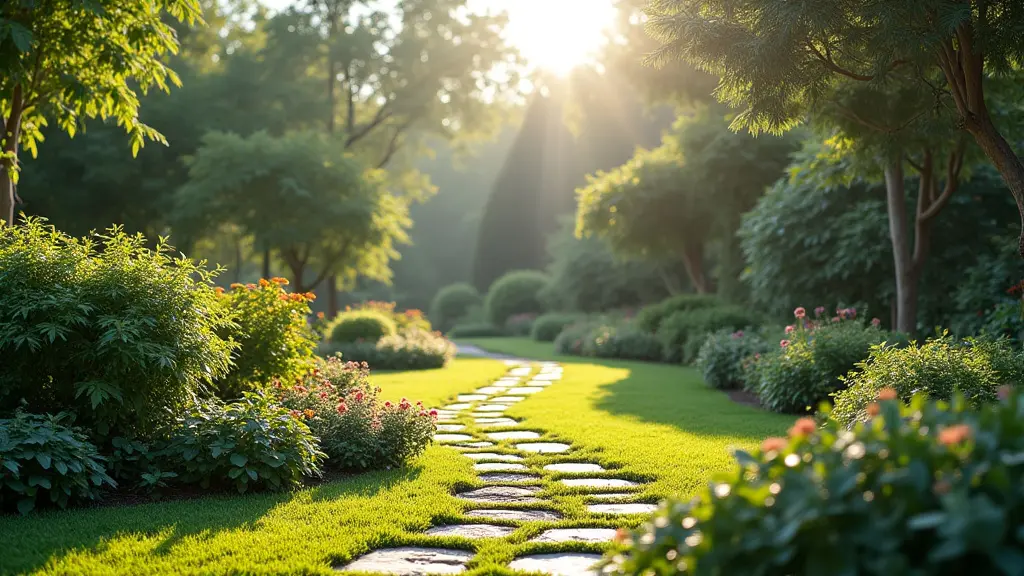
Designing your landscape involves integrating aesthetic and functional elements. Start by creating a plan. Create a plan to optimize the use of your space. Consider the climate and your preferences. Thoughtful landscape design creates a functional space.
- Planning Your Space: Sketch out your desired design, considering the layout, pathways, and focal points. Consider the size of your space. This will assist you in mapping out the placement of plants.
- Choosing Plants: Select plants that complement each other and thrive in your climate. Group plants with similar light and water requirements. This promotes efficient growth.
- Creating Focal Points: Incorporate focal points, such as sculptures, water features, or unique plants. Focal points draw the eye and add visual interest. These features add character.
- Hardscaping Elements: Incorporate hardscaping elements, such as patios, walkways, and retaining walls. Hardscaping adds structure. Hardscaping also provides functionality.
By designing your landscape, you can create a beautiful, functional, and inviting outdoor space. Thoughtful design brings the garden to life. A well-designed landscape reflects your style. The right design creates an area you will love.
Maintaining Your Landscape
Ongoing maintenance is essential for keeping your landscape beautiful. Regular maintenance prevents problems and keeps your plants looking their best. Consistent maintenance ensures your garden remains vibrant. Implement a routine to maintain your landscape.
- Pruning and Trimming: Prune and trim plants regularly. This helps maintain shape and encourage healthy growth. Pruning also stimulates flowering.
- Weeding: Remove weeds regularly. Weeding prevents competition for resources. Weed removal promotes the health of the plants.
- Watering and Fertilizing: Water and fertilize your plants according to their needs. Proper watering and fertilization ensure healthy growth. Follow watering and fertilization schedules.
- Seasonal Tasks: Perform seasonal tasks. Adjust your garden practices with the seasons. Plant new blooms during the appropriate seasons.
Through regular maintenance, you can keep your landscape thriving. Consistent care and attention keep the garden attractive. Maintenance protects your plants. With regular attention, your landscape will remain stunning. Routine maintenance ensures a healthy garden.
Common Myths Debunked
Myth 1: You Need to Water Your Lawn Every Day
Watering every day is excessive and often harmful. Overwatering leads to shallow root systems, making your lawn more susceptible to drought. Deep, infrequent watering promotes strong, healthy roots that can access water deeper in the soil. The frequency depends on your local climate, soil type, and the needs of your grass species.
Myth 2: All Fertilizers Are Created Equal
Fertilizers vary considerably, and using the wrong type can damage your lawn. Different grass types have varying nutrient requirements. Always choose a fertilizer formulated for your specific grass type and based on a recent soil test. Understanding the NPK (nitrogen, phosphorus, potassium) ratio on the fertilizer label helps ensure proper application.
Myth 3: Pest Control Requires Harsh Chemicals
While some serious infestations may require chemical intervention, many pest problems can be managed with less harmful methods. Using beneficial insects, introducing natural predators, and selecting pest-resistant plants are effective, eco-friendly strategies. These approaches minimize the environmental impact of pest control and promote a balanced ecosystem in your garden.
Myth 4: Mulching Is Only for Aesthetics
Mulch does add an attractive look to your garden, but its benefits extend far beyond appearance. Mulch helps retain soil moisture, suppress weed growth, regulate soil temperature, and improve soil health as it decomposes. Using mulch can reduce your watering needs and make your gardening tasks easier. Mulch is a useful tool.
Myth 5: All Plants Can Thrive Anywhere
It’s a common misconception that all plants can adapt to any environment. Plants have specific needs, including sunlight, water, soil type, and hardiness zone. Selecting plants suited to your Arcadia, FL, climate and microclimate is key to their success. Matching the right plant to the right conditions is the most important step for gardening.
Frequently Asked Questions
Question: What is the best type of grass for Arcadia, FL?
Answer: St. Augustine grass is a popular choice due to its tolerance of warm, humid climates and ability to withstand foot traffic. Other options include Bahia grass and Zoysia grass.
Question: How often should I fertilize my lawn?
Answer: Fertilization frequency depends on the grass type and the fertilizer used. Typically, fertilize two to three times per year during the growing season, following the manufacturer’s guidelines.
Question: What is the ideal watering schedule for my garden?
Answer: Water deeply but infrequently, ideally in the morning. The frequency depends on your soil type and weather. Water about one inch per week.
Question: How do I control weeds naturally?
Answer: Mulching, hand-pulling, and applying organic herbicides are effective ways to control weeds without resorting to harsh chemicals.
Question: When is the best time to plant in Arcadia, FL?
Answer: The best time to plant in Arcadia is during the spring and fall. These seasons offer milder temperatures and optimal conditions for growth.
Final Thoughts
Transforming your lawn and garden Arcadia FL, into a beautiful oasis is an achievable goal, not an impossible dream. The key is understanding your local climate, choosing the right plants, and implementing effective care practices. From selecting plants to mastering essential lawn care techniques, proper irrigation, and pest control, each step contributes to your garden’s success. Soil preparation, design considerations, and ongoing maintenance are also essential. Remember that gardening is a continuous process that changes with the seasons. It also requires attention, and the rewards are well worth the effort. Embrace the process, learn from your experiences, and enjoy the beauty of a thriving landscape. Happy gardening!
Leave a Reply