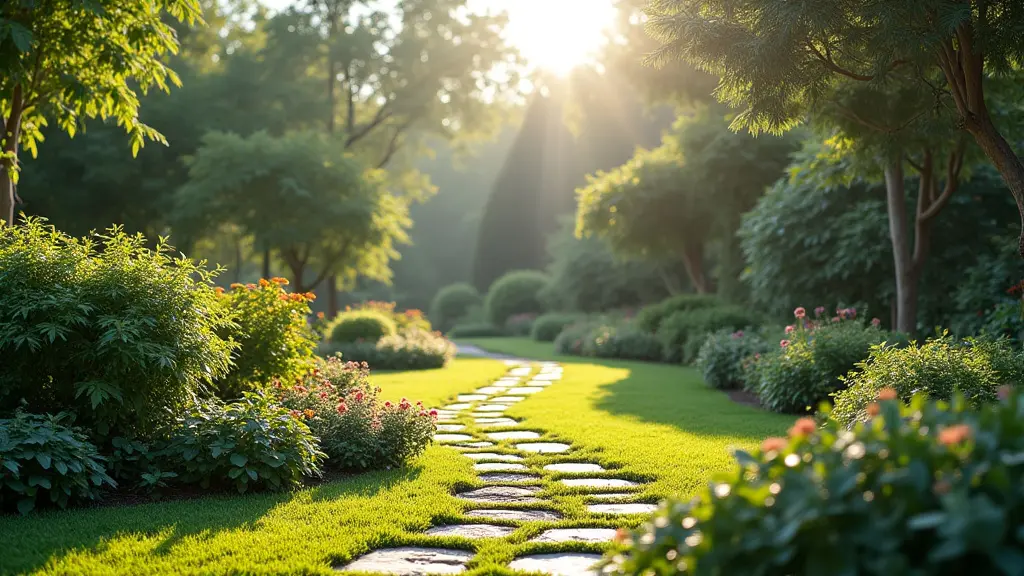
Picture this: a weekend afternoon, the sun is shining, and you’re enjoying your backyard. Your landscape lawns and gardens are thriving, creating a relaxing space for you and your family. But achieving this vision can seem like a lot of work. This blog post will help you transform your outdoor space. You’ll learn the essential steps to cultivate a beautiful and functional outdoor area. By the end, you will gain the knowledge needed to create a flourishing landscape lawns and gardens, improving your home’s curb appeal and providing a sanctuary for relaxation and enjoyment.
Key Takeaways
- Learn the initial steps to designing and planning your outdoor space.
- Discover essential elements for healthy lawn care and maintenance.
- Understand the best plants to incorporate for visual appeal and functionality.
- Explore the importance of soil preparation and improving your garden’s health.
- Find insights on managing common pests and diseases in your garden.
- Gain a comprehensive guide to maintaining your landscape over the long term.
Planning Your Landscape Lawns and Gardens
The first step in transforming your outdoor area is to carefully plan. Thoughtful design prevents costly mistakes and ensures your space meets your needs and preferences. This section will guide you through the process, from assessing your site’s conditions to sketching out your vision. Thorough planning sets the stage for a successful and enjoyable landscaping project. It also saves resources, time, and reduces frustration by anticipating potential challenges. Preparing the site for new plants and structures is key for creating an attractive outdoor space.
Site Assessment
Before putting any plants in the ground, it’s essential to assess your property. Consider factors like sunlight, shade, and existing structures. Knowing how much sunlight your yard gets is important. Different plants need different light levels. Check for areas that are frequently wet or dry, as this will help you choose plants suited for those conditions. Existing structures, such as your house, fences, and patios, also impact your landscape design. These elements influence traffic flow. A well-planned site assessment ensures your design is practical and sustainable.
- Sunlight Analysis: Observe how the sun moves across your yard throughout the day and the year. Note how many hours of direct sunlight each area receives. Full sun areas need at least six hours of direct sunlight each day. Partially shaded areas need three to six hours. Deep shade areas get less than three hours. This analysis is crucial when selecting plants.
- Soil Testing: Get a soil test to know its composition, pH level, and nutrient content. This information informs the soil amendments needed to support plant growth. Soil pH affects nutrient availability. Different plants prefer different pH levels. A soil test will help you identify the specific needs of your soil.
- Drainage Evaluation: Assess your yard’s drainage by observing how water flows after rain. Look for areas where water pools or where erosion occurs. Good drainage prevents waterlogged soil, which harms plant roots. Install drainage solutions like French drains or swales.
For example, if you want a vegetable garden, it needs at least six hours of sunlight. If you have shady areas, you can choose plants that thrive in these conditions, like hostas or ferns.
A soil test will tell you if your soil is acidic or alkaline. Most plants grow best in slightly acidic soil, around a pH of 6.0 to 7.0. You may need to add lime to raise the pH if it is too acidic. You may need to add sulfur to lower the pH if it is too alkaline.
If you see standing water 24 hours after a rainfall, your drainage is poor. To fix it, you can install a French drain. This involves digging a trench, filling it with gravel, and laying a perforated pipe to carry water away from your garden. You can also build a swale. This is a shallow ditch that directs water away from sensitive areas.
Creating a Design Plan
Once you understand your site’s conditions, you can begin designing your landscape. Start by sketching a layout that includes all your desired features, such as pathways, patios, and planting beds. Then, think about how the different areas will connect and how people will move through the space. Keep function and aesthetics in mind. Remember to consider the size and shape of your outdoor space and the style of your home. Use this plan to guide your choices and to create a cohesive design.
- Sketching Your Layout: Start with a basic outline of your yard. Include the house, existing structures, and any other permanent elements. Then, sketch the different areas you want, such as a lawn, garden beds, and a patio. Consider the size and shape of these areas.
- Choosing Your Style: Decide on a style that suits your taste and your home. There are many landscape styles to choose from, like modern, traditional, or cottage gardens. Choose plants, materials, and features that match your preferred style.
- Selecting Plants: Choose plants that thrive in your climate and meet your design goals. Consider the plants’ mature size, light requirements, and water needs. Select a mix of plants to create a visually interesting space.
Use graph paper or a digital design tool to create a scaled drawing. This makes it easier to visualize the space and plan placement. Mark the locations of plants and structures.
Consider the architecture of your house. A modern home may look best with a minimalist design. A traditional home may be complemented by a more formal garden. Also think about the overall look you want to achieve.
Consider using native plants. They are adapted to your climate and require less care. Plan for plants that bloom at different times of the year to provide continuous color and interest.
Healthy Landscape Lawns and Gardens Maintenance
Maintaining a healthy lawn and garden requires a consistent approach. Regular care will help your plants thrive and look their best. This section covers essential maintenance tasks, from mowing and watering to fertilizing and pest control. By following these practices, you can make sure your outdoor space stays vibrant and enjoyable throughout the seasons. Proper maintenance also prevents issues and saves time in the long run.
Lawn Care Basics
A healthy lawn enhances the beauty of your landscape. Lawn care involves regular mowing, watering, and fertilization. These practices ensure the grass grows strong and maintains its green color. Mowing at the correct height encourages healthy growth. Regular watering keeps the grass hydrated, especially during dry periods. Fertilizing provides the nutrients the grass needs to thrive.
- Mowing: Mow your lawn regularly to maintain a healthy height. The mowing height depends on your grass type. Use a sharp mower blade to get a clean cut, which helps prevent diseases. Don’t remove more than one-third of the grass blade.
- Watering: Water deeply but infrequently to encourage strong root growth. Water early in the morning. This reduces water loss and minimizes the risk of fungal diseases. Ensure your lawn receives about 1 to 1.5 inches of water per week, including rainfall.
- Fertilizing: Feed your lawn with a balanced fertilizer. Apply fertilizer according to the package instructions. Fertilize in the spring and fall for best results.
For most cool-season grasses, like Kentucky bluegrass, mow at a height of 2.5 to 3.5 inches. For warm-season grasses, like Bermuda grass, mow at 1 to 2 inches.
Watering in the morning helps the grass blades dry out before evening. This reduces the risk of diseases like brown patch. Use a sprinkler or irrigation system to provide even coverage.
A balanced fertilizer contains nitrogen, phosphorus, and potassium. Nitrogen promotes green growth. Phosphorus supports root development. Potassium improves the overall health of the grass.
Watering and Irrigation
Proper watering is critical for the health of your landscape lawns and gardens. The right amount of water keeps plants healthy, while too much or too little can harm them. Understand your plant’s water needs, the soil type, and the local climate. Using irrigation systems makes watering efficient. These systems save water and give plants the right amount of water. Adjust your watering schedule based on weather conditions. This will ensure your landscape gets the water it needs to flourish.
- Watering Techniques: Deep, infrequent watering is the best approach. Water deeply, allowing the water to soak into the soil. This encourages strong root growth. Water in the morning to reduce water loss from evaporation and the chance of fungal diseases.
- Types of Irrigation Systems: Choose the right irrigation system for your landscape needs. Drip irrigation delivers water directly to the plant roots, which is efficient and reduces water waste. Sprinkler systems are great for lawns. Consider using a smart irrigation system.
- Water Conservation: Conserve water by using efficient irrigation methods. Water during the cooler parts of the day. Collect rainwater. Choose drought-tolerant plants.
Watering deeply means applying enough water to reach the entire root zone of your plants. This usually means applying about 1 inch of water per week. The best way to measure is to use a rain gauge.
Drip irrigation is ideal for vegetable gardens, flower beds, and shrubs. Sprinkler systems are best for lawns. Smart irrigation systems use sensors and weather data to adjust watering schedules automatically.
Use a rain barrel to collect rainwater. This water is perfect for watering plants. Consider planting native plants, as they usually require less watering.
Choosing Plants for Your Landscape
The right plants can improve your landscape’s appearance and functionality. Consider the local climate, soil conditions, and your design goals when selecting plants. You may want a variety of textures, colors, and bloom times. Careful plant selection ensures that your garden has beauty throughout the seasons. Well-chosen plants require less maintenance and improve your garden’s health. Plants also provide habitat for beneficial insects and wildlife.
Selecting the Right Plants
Choose plants that will thrive in your specific climate and conditions. Consider the amount of sunlight, the type of soil, and the availability of water. Research plants suitable for your area. Think about the mature size of the plants to make sure they fit your space. Consider combining plants with different heights, textures, and bloom times. This combination will ensure your garden has a long season of interest and visual appeal.
- Climate Considerations: Choose plants that are adapted to your local climate. Consider your hardiness zone. This will help you identify which plants can survive in your area. Research plants that are native to your region.
- Planting Combinations: Mix plants with different textures, colors, and bloom times. Layer plants with varying heights to create visual interest. Combine perennials, annuals, shrubs, and trees to add interest.
- Planting for Functionality: Include plants that serve a purpose. Plant trees to provide shade. Use shrubs to create privacy. Consider adding edible plants, like herbs or vegetables, into your design.
Your hardiness zone indicates the average minimum winter temperatures in your area. Use this to ensure plants can survive the winter. Research plants that are native to your region. These plants are adapted to your local climate.
Combine plants with different textures, like grasses, with plants with large leaves. Add plants that bloom at different times of the year to extend the season of interest. Include plants with colorful foliage.
Use tall shrubs or trees to provide shade and privacy from neighbors. Plant herbs and vegetables in your garden. Include plants that attract pollinators and beneficial insects.
Planting and Care
Proper planting and care will help your plants flourish. Prepare the soil before planting. This ensures that the plants get the nutrients they need. Plant at the right time of year. Water regularly and provide the care needed for each plant. Make sure your plants have good conditions for establishment and long-term health. Regular maintenance keeps plants looking healthy and makes them thrive.
- Soil Preparation: Prepare the soil before planting. Amend the soil with compost or other organic matter. This improves drainage and adds nutrients. Dig a hole twice as wide as the plant’s root ball.
- Planting Techniques: Plant at the right depth. Make sure the top of the root ball is level with the soil surface. Water thoroughly after planting. Mulch around the base of the plants to retain moisture and suppress weeds.
- Ongoing Care: Water regularly, especially during the first year. Fertilize as needed. Prune plants. Remove any dead or diseased foliage. Protect plants from pests and diseases.
Adding compost improves the soil’s structure and drainage, which is crucial for root development. Loosen the soil at the bottom of the planting hole. This helps the roots grow.
Planting too deep can harm the plant. Firm the soil around the plant. Water well after planting. Mulching also prevents weeds.
Watering regularly is essential during the establishment phase. Fertilize plants according to their needs. Prune plants to maintain their shape and remove any dead or diseased growth.
Dealing with Pests and Diseases
Controlling pests and diseases is important for a thriving landscape. Pests and diseases can damage plants and reduce their beauty and health. Recognizing problems early helps you take appropriate action. Implementing preventative measures, like choosing resistant plants and promoting healthy growth, reduces the risk of problems. The use of effective, environment-friendly treatment methods helps control pest infestations.
Identifying and Preventing Pest Infestations
Early detection of pest infestations is key to successful control. Regularly inspect your plants for signs of pests. These include chewed leaves, holes, or the presence of insects. Identify the pest to choose the right control method. Implementing preventive measures, such as providing healthy plant care and attracting beneficial insects, can limit pest problems. A healthy garden is less prone to infestations, reducing the need for treatments.
- Common Pests: Watch out for common pests in your area. These can include aphids, spider mites, and Japanese beetles. Learn about the life cycle and habits of each pest.
- Inspection: Regularly examine your plants. Inspect leaves, stems, and the undersides of leaves for signs of pests. Look for eggs, larvae, or adult insects.
- Preventive Measures: Implement strategies to prevent pest infestations. Plant resistant varieties. Provide proper plant care. Attract beneficial insects.
Aphids are small, soft-bodied insects that feed on plant sap. Spider mites are tiny pests that cause stippling on leaves. Japanese beetles are metallic green beetles that eat foliage and flowers.
Look for chewed leaves, webbing, or discoloration. Look for eggs on the undersides of leaves. Early detection is key to controlling infestations before they become widespread.
Choose plant varieties that are resistant to common pests in your area. Water plants properly and fertilize them. Attract beneficial insects like ladybugs and lacewings, which eat pest insects.
Managing Plant Diseases
Plant diseases can harm the health and appearance of your garden. Identifying diseases early helps you take steps to manage them. Diseases are caused by fungi, bacteria, or viruses. Implementing cultural practices, such as providing good air circulation, and choosing disease-resistant varieties can help limit disease. Understanding the causes of plant diseases and using the correct methods is vital for your landscape lawns and gardens.
- Common Diseases: Watch out for diseases that are common in your area, such as powdery mildew, black spot, and rust. Learn about the symptoms and the conditions that favor each disease.
- Identification: Carefully inspect your plants for signs of disease. Look for discolored leaves, spots, or other abnormal growth. Collect samples for testing if necessary.
- Control Methods: Manage plant diseases by using cultural practices and appropriate treatments. Improve air circulation. Remove and destroy infected plant parts. Use fungicides.
Powdery mildew appears as a white, powdery coating on leaves. Black spot causes dark spots on rose leaves. Rust appears as orange or reddish spots on leaves and stems.
Look for spots, yellowing, wilting, or distorted growth. Identify the disease correctly to choose the right treatment. Samples can be sent to a lab to help with identification.
Improve air circulation by spacing plants appropriately and pruning them. Remove and destroy infected plant parts to prevent the disease from spreading. Apply fungicides according to the package instructions.
Common Myths Debunked
Frequently Asked Questions
Question: How often should I mow my lawn?
Answer: The frequency of mowing depends on your grass type and how fast it grows, but generally, mow when the grass has grown by about a third.
Question: Is it okay to use pesticides in my garden?
Answer: It’s best to use pesticides as a last resort. Explore organic and natural pest control methods first.
Question: How can I tell if my soil needs fertilizer?
Answer: A soil test is the best way to determine your soil’s nutrient needs, but signs like yellowing leaves can indicate a deficiency.
Question: When is the best time to plant shrubs?
Answer: The best time to plant shrubs is in the spring or fall when the weather is mild and the soil is moist.
Question: How can I prevent weeds from growing in my garden beds?
Answer: Mulching, regular weeding, and using pre-emergent herbicides can all help prevent weeds.
Final Thoughts
Transforming your outdoor space with beautiful landscape lawns and gardens is a rewarding project that combines creativity, planning, and hands-on effort. From the initial design phase, the process of choosing plants and essential maintenance practices gives you the tools needed to develop a flourishing outdoor sanctuary. You’ve discovered how to assess your site, select plants suited to your environment, and maintain your landscape’s health. You’ve also learned methods to handle any problems. Embracing these practices provides not just beauty but also a serene area for relaxation and connection with nature. Make a plan, get your hands dirty, and enjoy the journey of creating an outdoor space you’ll love.
Leave a Reply