Picture this: It’s a sunny Saturday, and you’re envisioning the perfect outdoor space. Lush green grass, vibrant flower beds, and maybe even a cozy patio for those summer evenings. But, when you step outside, reality hits. Brown patches, weeds taking over, and that sinking feeling of not knowing where to begin with general lawn and landscape care. Don’t worry, many people feel the same way! This guide will transform your outdoor space aspirations into a tangible reality. You’ll learn the essential steps to cultivate a thriving landscape, helping you save money, boost your property’s value, and enjoy a beautiful, healthy yard. By the end, you’ll be equipped with the knowledge to make informed decisions and create a truly stunning outdoor environment.
Key Takeaways
- Learn the foundational principles of lawn care, including mowing, watering, and fertilizing.
- Discover how to select the right plants for your local climate and soil conditions.
- Understand the importance of soil preparation and how to amend your soil for optimal plant growth.
- Explore effective strategies for controlling weeds and preventing common lawn diseases.
- Gain insights into designing and maintaining visually appealing landscape features.
- Master the basics of seasonal maintenance to keep your lawn and landscape thriving year-round.
Getting Started with General Lawn and Landscape Basics
Embarking on the journey of general lawn and landscape care requires a solid foundation. This starts with grasping the essential elements that contribute to a healthy and visually pleasing outdoor space. Think of it like building a house; a strong foundation is vital for long-term stability and beauty. We’ll start with the fundamentals, covering topics like soil health, selecting the right plants, and basic maintenance tasks, to set you up for success. This first step involves gathering the necessary knowledge and tools, ensuring that your lawn and garden will not only survive but also flourish. Preparing your space correctly ensures it can withstand different seasonal changes.
Understanding Your Soil
Your soil is the lifeblood of your lawn and garden, and it’s essential to get to know it. Healthy soil provides the necessary nutrients, water retention, and aeration that plants need to thrive. There are several ways to get to know your soil, including performing a basic soil test. This test will help you identify the soil type (sand, silt, clay), its pH level (acidity or alkalinity), and nutrient deficiencies. Understanding your soil allows you to choose the right plants and amend your soil to create an ideal growing environment. Investing the time to learn your soil’s composition will pay dividends in the long run.
- Soil Testing: A soil test is a scientific analysis of your soil, providing you with valuable information about its composition and nutrient levels. It’s like a health checkup for your soil, helping you identify any deficiencies or imbalances that may hinder plant growth. You can either purchase a soil testing kit from a garden center or send a sample to a professional lab. Testing usually provides data on pH, nitrogen, phosphorus, and potassium levels.
- Soil Types: Different types of soil have varying textures and properties, affecting their ability to retain water, drain properly, and provide nutrients to plants.
- Sandy Soil: Drains quickly and doesn’t hold nutrients well.
- Silty Soil: Retains water but can compact easily.
- Clay Soil: Holds water and nutrients but can be slow to drain.
- Loamy Soil: A balanced mix of sand, silt, and clay, ideal for plant growth.
- Amending Your Soil: Amending your soil involves improving its structure and fertility by adding organic matter like compost, manure, or peat moss. This practice enhances water retention, drainage, and nutrient availability, creating an environment where plants can thrive. Adding organic matter will ensure your soil can support thriving plants.
Selecting the Right Plants
Choosing the right plants is a crucial step in creating a beautiful and sustainable landscape. Consider your local climate and the amount of sunlight your yard receives. Choosing plants that are native to your region often require less watering and are more resistant to local pests and diseases. Researching the mature size and spread of plants is important to avoid overcrowding and ensure they have enough space to grow. Selecting plants that complement each other in terms of color, texture, and bloom time will result in a visually appealing and harmonious garden. Prioritizing native species is generally the best approach.
- Consider Your Climate: Plants thrive in environments similar to their native habitats. Research your hardiness zone to determine which plants are most likely to survive the winters and summers in your area. This will save you a lot of effort and help your plants grow better.
- Sunlight Requirements: Different plants have different sunlight needs. Some plants flourish in full sun (6+ hours of direct sunlight), while others prefer partial shade (4-6 hours) or full shade (less than 4 hours). Observe how much sun each area of your lawn gets.
- Planting Zones: The United States Department of Agriculture (USDA) provides plant hardiness zone maps that divide the country into zones based on average minimum winter temperatures. Use your zone to select plants that are well-suited for your climate. Knowing your planting zone will enable you to choose plants that are most likely to thrive in your region.
- Planting Native Species: Native plants are adapted to your local climate and soil conditions, which means they often require less maintenance, fewer fertilizers, and less water. They also provide vital food and habitat for local wildlife. You can often buy them at local nurseries or garden centers.
Basic Lawn and Landscape Maintenance
Regular maintenance is key to keeping your lawn and landscape in top shape. This includes tasks such as mowing, watering, fertilizing, and pruning. The frequency and methods for each of these tasks will vary depending on your location, the type of grass or plants you have, and the season. Mowing at the appropriate height and frequency encourages healthy growth. Watering deeply but less frequently will promote strong root development, while fertilizing at the right time provides essential nutrients. Pruning will keep plants healthy and encourage new growth. Staying consistent with these tasks will ensure that your landscape remains vibrant and thriving year-round.
- Mowing: Mow your lawn regularly, but never cut off more than one-third of the grass blade at a time. The recommended mowing height varies depending on the type of grass, but usually between 2.5 and 3 inches. A sharp mower blade is critical to avoid damaging the grass and preventing disease.
- Watering: Water deeply and less frequently to encourage deep root growth. This means watering until the top few inches of soil are moist. The frequency of watering depends on weather conditions and the type of grass you have, but generally, one to two times per week is enough.
- Fertilizing: Apply fertilizer at the recommended rate and time for your type of grass. Typically, fertilizer is applied in the spring and fall. Too much fertilizer can lead to runoff and water pollution. Read the instructions on the fertilizer packaging carefully.
- Pruning: Prune plants regularly to remove dead or diseased branches, promote new growth, and maintain the desired shape and size. Pruning techniques and timing vary depending on the plant type.
Designing Your Dream Lawn and Landscape
Once you understand the basic principles of general lawn and landscape care, you can start thinking about design. A well-designed landscape can significantly enhance the beauty and functionality of your property. It’s about more than just planting flowers; it’s about creating a cohesive and visually appealing space that meets your needs and complements your home. Considering the layout of your yard, the style of your home, and your lifestyle will guide your design choices. Start by creating a plan. Good design includes everything from selecting the right plants to choosing hardscape elements, like walkways and patios. It should create a harmonious and enjoyable outdoor environment.
Planning Your Landscape Design
A well-thought-out plan is essential to designing a landscape that meets your needs and enhances your property’s value. Consider the existing features of your yard, such as the shape, size, and sunlight exposure. Think about how you want to use your outdoor space, whether it’s for entertaining, relaxing, or gardening. Create a sketch or use landscape design software to visualize your ideas. Carefully selecting the plants, hardscape elements, and other features that align with your vision is essential. Planning ahead will help you avoid costly mistakes. A well-designed landscape will also add value to your property.
- Assess Your Space: Evaluate the existing features of your yard, including the shape, size, slope, and sunlight exposure. Note any existing trees, shrubs, or hardscape elements. Look for areas of sun and shade.
- Determine Your Needs: Decide how you want to use your outdoor space. Do you want a patio for entertaining, a play area for children, a vegetable garden, or a relaxing space for quiet reflection?
- Create a Plan: Create a sketch or use landscape design software to visualize your ideas. Draw the layout of your lawn, garden beds, and hardscape elements. Include the locations of plants, trees, and other features.
- Choose Plants and Hardscape Elements: Research the types of plants that are suitable for your climate and soil conditions. Select plants that complement each other in terms of color, texture, and bloom time. Choose hardscape elements, such as walkways, patios, and retaining walls, that align with the style of your home and landscape design.
Incorporating Hardscape Elements
Hardscape elements are non-living features, such as patios, walkways, retaining walls, and fences, that add structure, function, and visual interest to your landscape. They can define spaces, create visual focal points, and enhance the usability of your outdoor area. Materials like stone, brick, concrete, and wood are used to construct hardscape features. The choice of materials should complement the style of your home and the overall landscape design. Well-placed hardscape elements can improve drainage, create seating areas, and add to the aesthetic appeal of your yard.
- Patios and Decks: Patios and decks extend your living space outdoors, providing areas for seating, dining, and entertaining. They can be constructed from a variety of materials, including concrete pavers, natural stone, wood, or composite decking. Think about your lifestyle and how you intend to use the space, then choose materials that are durable and low-maintenance.
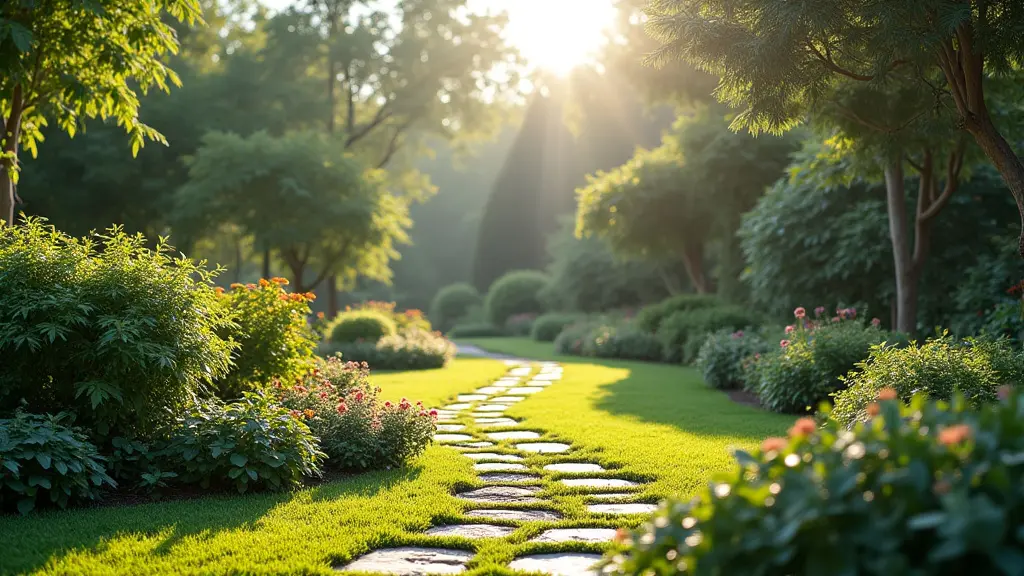
- Walkways and Pathways: Walkways and pathways connect different areas of your yard, guiding traffic flow and adding visual appeal. They can be made from a variety of materials, including gravel, stone, brick, or concrete. Consider the style of your home and landscape design when selecting materials and patterns.
- Retaining Walls: Retaining walls prevent soil erosion and create level areas in sloped yards. They can also add visual interest and define spaces. Materials such as natural stone, concrete blocks, or timber can be used to construct retaining walls. Ensure proper drainage is incorporated.
- Fences and Walls: Fences and walls provide privacy, security, and define property boundaries. They can be made from a variety of materials, including wood, metal, or vinyl. Choose materials that complement the style of your home and landscape design, and consider your privacy and security needs when determining the height and style of your fence or wall.
Adding Color and Texture
Color and texture are critical components of a visually appealing landscape. Careful selection of plants with varying colors, shapes, and textures can create depth, interest, and visual harmony. Using a mix of flowers, foliage plants, and grasses can add dimension to your garden beds. Consider the color wheel and how different colors interact with each other. Use textures like smooth leaves, rough barks, and delicate flowers to add visual intrigue. Strategic use of color and texture can create a landscape that is both beautiful and inviting, providing year-round interest and visual appeal. Careful consideration of plant combinations is key.
- Color Theory: Understand the basics of color theory to create harmonious and visually appealing plant combinations. Use complementary colors (colors opposite each other on the color wheel) for contrast and impact. Use analogous colors (colors next to each other on the color wheel) for a more subtle and unified look. The interplay of colors impacts the overall feel of the landscape.
- Texture: Varying textures in your landscape adds depth and visual interest. Combine plants with different leaf shapes, sizes, and surfaces. Incorporate plants with coarse textures alongside those with fine textures. The contrast of textures draws the eye and creates visual intrigue, improving the overall sensory experience.
- Seasonal Blooms: Plant a variety of plants that bloom at different times of the year to ensure a continuous display of color. Include spring-blooming bulbs, summer perennials, and fall-blooming shrubs. This will provide year-round interest and keep your landscape fresh and inviting.
- Foliage Variety: Don’t solely rely on flowers for color. Utilize foliage plants with different colors, shapes, and textures to add visual interest. Consider using plants with variegated leaves, colorful stems, or interesting leaf shapes to create a dynamic and appealing landscape.
Lawn and Landscape Troubleshooting and Prevention
Even with the best care, problems can arise in your lawn and landscape. Identifying and addressing these issues promptly is important to prevent them from worsening and causing damage. This section covers common problems, such as pests, diseases, and weed control, along with preventative measures. Early detection is key, along with strategies to minimize the impact and keep your landscape healthy. By being proactive and implementing these solutions, you can protect your investment and maintain a beautiful outdoor space.
Common Lawn Problems
Lawns can be affected by several problems, including diseases, pests, and environmental factors. Common lawn diseases include fungal infections like dollar spot and brown patch. Pests, such as grubs and chinch bugs, can damage grass roots and blades. Environmental factors like drought, excessive moisture, or improper mowing can also cause problems. Recognizing the symptoms of common lawn problems, along with taking action quickly, is essential to prevent extensive damage. This will require diligent observation of the lawn and prompt treatment when necessary. Early intervention can often save your lawn from more severe issues.
- Lawn Diseases: Fungal diseases are common in lawns, often caused by excessive moisture, poor air circulation, or improper fertilization. Symptoms include brown or yellow patches, circular patterns, and fungal growth. Implementing proper watering and fertilization practices, along with using fungicides, can help.
- Pests: Pests can cause significant damage to lawns. Grubs feed on grass roots, while chinch bugs suck sap from grass blades. Regular inspection, proper watering, and the use of insecticides (when necessary) can control pests.
- Weeds: Weeds compete with grass for nutrients, water, and sunlight. Regular mowing, hand-pulling, and the use of herbicides can control weeds. Mulching around trees and shrubs can also help prevent weed growth.
- Environmental Factors: Drought, excessive moisture, and improper mowing can damage lawns. Ensure proper watering practices, aerate compacted soil, and maintain a sharp mower blade to prevent damage. Be mindful of the conditions and modify your lawn care accordingly.
Controlling Pests and Diseases
Controlling pests and diseases is essential for maintaining a healthy lawn and landscape. Integrated Pest Management (IPM) is a sustainable approach that emphasizes prevention, monitoring, and the use of the least-toxic control methods. Regularly inspect your plants for signs of pests or diseases. Encourage beneficial insects that prey on pests. Use organic pest control methods and fungicides when possible. If chemical treatments are necessary, follow the product instructions. Careful selection of the right methods ensures effective management.
- Prevention: Prevention is the first line of defense against pests and diseases. Choose disease-resistant plants, provide proper watering and fertilization, and ensure good air circulation. Healthy plants are better able to resist pests and diseases.
- Identification: Accurately identifying pests and diseases is crucial for selecting the right control methods. Research or consult with a local extension office to identify the specific problem affecting your plants. Knowing your opponent is key to winning the battle.
- Organic Control Methods: Organic pest control methods include using beneficial insects, such as ladybugs and lacewings, to eat pests. Other options are insecticidal soaps, neem oil, and horticultural oils. These methods are generally less harmful to the environment.
- Chemical Treatments: Use chemical treatments only when necessary and follow the product instructions carefully. Select products that are specifically labeled for the pests or diseases you are trying to control. Be sure to apply the treatment correctly.
Weed Control Strategies
Weeds are a common nuisance in lawns and landscapes, competing with desirable plants for resources and detracting from the overall appearance. Effective weed control requires a multi-faceted approach. Prevention, through practices like mulching and proper mowing, is a crucial first step. Hand-pulling weeds can be effective for small infestations. Using herbicides, when necessary, can help control larger weed populations. The right strategy will eliminate weeds and help create a beautiful, weed-free outdoor space. The success of weed control depends on consistency and the approach.
- Prevention: Prevent weeds from becoming established by using mulch around trees and shrubs, mowing your lawn at the proper height, and maintaining a thick, healthy lawn. A healthy lawn can naturally outcompete weeds.
- Hand-Pulling: Hand-pulling weeds is an effective method for small infestations. Pull weeds when the soil is moist for easier removal. Dispose of weeds properly to prevent them from reseeding. Be sure to pull the entire root to prevent regrowth.
- Herbicides: Use herbicides to control larger weed populations. Choose herbicides that are specifically labeled for the type of weeds you are trying to control. Always follow the product instructions carefully. Read labels carefully before using.
- Mulching: Mulch around trees, shrubs, and garden beds to suppress weed growth. Mulch helps to block sunlight, which is necessary for weed growth. It also helps to retain moisture in the soil and improve soil health. Choose appropriate mulch material.
Seasonal Lawn and Landscape Maintenance
Successful general lawn and landscape care requires a seasonal approach. The tasks you perform will vary depending on the time of year, with each season presenting different challenges and opportunities. Understanding these seasonal changes and adjusting your maintenance routine accordingly is crucial. From spring clean-up and planting to fall preparations and winter protection, a year-round approach ensures your landscape remains healthy and vibrant. The right approach involves timing your maintenance tasks to correspond with the natural cycles of your plants. This ensures your landscape stays healthy throughout the year.
Spring: Awakening Your Lawn and Landscape
Spring is a time of renewal and growth for your lawn and landscape. It’s a critical time to prepare your outdoor space for the growing season. Early spring tasks include removing debris, such as leaves and dead branches, that accumulated during the winter. It’s also time for soil testing and amendments. Applying pre-emergent herbicides can prevent weed growth. Fertilizing your lawn and planting new flowers, shrubs, and trees is crucial. As the weather warms, continue mowing, watering, and monitoring for pests and diseases. Properly preparing in the spring establishes the foundation for a healthy landscape.
- Clean-Up: Remove any debris, such as leaves, branches, and dead plant material, from your lawn and garden beds. This allows sunlight and air to reach the grass and plants, promoting healthy growth. Remove any leaves or other debris from the lawn and garden beds.
- Soil Preparation: Prepare your soil by adding compost, manure, or other organic matter. This improves soil fertility and drainage, helping plants thrive. Amend your soil to improve its health and provide essential nutrients.
- Planting: Plant new flowers, shrubs, and trees in the spring. Choose plants that are appropriate for your climate and soil conditions. Water newly planted plants regularly to help them establish roots. Select plants that are suitable for your local environment.
- Fertilizing: Apply fertilizer to your lawn and plants in the spring. Fertilizing provides the essential nutrients needed for healthy growth. Follow the manufacturer’s instructions for the correct application rate. Apply the fertilizer according to the manufacturer’s instructions.
Summer: Maintaining Growth
Summer is the peak growing season, and this is when your lawn and landscape require consistent maintenance. Regular mowing, watering, and weeding are essential to maintain a healthy appearance. Monitor your plants for pests and diseases. Apply herbicides or insecticides if needed. Mulch around plants to retain moisture and suppress weeds. Summer is also a good time to prune shrubs and trees. Summer’s longer days and warm temperatures mean plants require more care. Consistent effort ensures your landscape remains attractive and healthy during the summer months.
- Mowing and Watering: Continue mowing your lawn regularly, but increase the mowing height slightly during the summer months. Water your lawn deeply and less frequently to encourage deep root growth. Adjust your watering schedule based on the weather conditions.
- Weeding: Regularly remove weeds from your lawn and garden beds. Hand-pull weeds or use herbicides as needed. Mulch around plants to suppress weed growth. Remove weeds to prevent them from competing for resources.
- Pest and Disease Control: Monitor your plants for pests and diseases. Apply insecticides or fungicides as needed. Implement Integrated Pest Management (IPM) practices to minimize the use of chemicals. Check plants frequently for signs of pests or diseases.
- Pruning: Prune shrubs and trees to maintain their shape and size. Remove any dead or diseased branches. Avoid heavy pruning during the hottest part of the summer. Prune shrubs and trees to improve their appearance.
Autumn: Preparing for Winter
Autumn is the time to prepare your lawn and landscape for the winter months ahead. This includes tasks such as leaf removal, aerating your lawn, and fertilizing. Pruning shrubs and trees can be done now. Protect your plants from the cold weather. Planting fall bulbs for spring blooms will give your landscape a burst of color when the weather warms. Preparing the landscape now will make spring maintenance easier. Ensure that your landscape is ready for the cold weather. This sets you up for success in the next growing season.
- Leaf Removal: Remove fallen leaves from your lawn and garden beds. Excessive leaf cover can smother grass and harbor pests. Compost the leaves or use them as mulch. Removing leaves allows sunlight and air to reach your plants.
- Aerating and Fertilizing: Aerate your lawn to improve soil drainage and reduce compaction. Apply fertilizer to promote root growth and prepare your lawn for the winter. This provides nutrients and improves soil conditions.
- Pruning: Prune shrubs and trees to remove dead or diseased branches. Avoid heavy pruning, which can stimulate new growth that is vulnerable to winter damage. Properly pruning can promote growth.
- Winter Protection: Protect plants from cold weather by mulching around them. Wrap tender plants with burlap or plant covers. This protects plants from freezing temperatures.
Winter: Rest and Planning
Winter is the season for rest and planning in the lawn and landscape. While outdoor activity is limited, this is an excellent time to plan for the next growing season. Consider reviewing your landscape design, making any desired changes, and researching new plants. Protect your plants from winter damage. Use the winter months to get your tools and equipment ready. These tasks help ensure a successful spring. Preparing now lays the groundwork for the next growing season. This ensures that you have everything in order for the spring.
- Planning: Plan for the next growing season. Review your landscape design and make any desired changes. Research new plants that you want to add to your landscape. Plan for new additions to your landscape.
- Equipment Maintenance: Maintain your tools and equipment, such as your lawnmower, trimmer, and edger. Sharpen blades, change oil, and store equipment properly. Clean and store your equipment properly.
- Winter Protection: Protect plants from winter damage by mulching around them. Wrap tender plants with burlap or plant covers. Water evergreen plants during dry spells. Protect your landscape from winter damage.
- Indoor Projects: If you enjoy gardening, use the winter months to start seeds indoors. Plan and research new garden projects. Order seeds and supplies. Start your seeds indoors to get a head start.
Common Myths Debunked
Myth 1: You Should Water Your Lawn Every Day
The reality is that frequent, shallow watering can actually be harmful to your lawn. It encourages shallow root growth, making your grass more susceptible to drought stress and disease. The best approach is to water deeply but infrequently, allowing the water to soak into the soil and promote strong root systems. Aim to water your lawn only when it needs it, usually about one to two times per week, depending on your climate and soil type. This practice will result in a healthier, more resilient lawn.
Myth 2: Fertilizer Always Leads to a Healthier Lawn
While fertilizer is essential for providing nutrients to your lawn, more isn’t always better. Over-fertilizing can lead to a variety of problems, including excessive growth, increased susceptibility to diseases, and water pollution. It’s important to understand your lawn’s specific needs and to use fertilizer based on a soil test. This can help you determine the correct type and amount of fertilizer to apply. Following the manufacturer’s recommendations is crucial to avoid negative impacts.
Myth 3: All Weeds Need to Be Eliminated
While a weed-free lawn is often the goal, some weeds can actually be beneficial. Certain weeds, like clover, can fix nitrogen in the soil, which is a natural fertilizer. Others can attract beneficial insects. Focusing on controlling the most invasive weeds and tolerating a few less harmful ones can promote a balanced ecosystem. This approach reduces the reliance on herbicides and supports the biodiversity of your yard.
Myth 4: Mulching is Only for Aesthetic Purposes
Mulching provides many practical benefits, including water conservation, weed suppression, and soil improvement. Mulch helps retain moisture in the soil, which reduces the need for frequent watering. It also prevents weeds from growing, which reduces the need for herbicides. Mulch can improve the soil structure as it breaks down, making it a valuable addition to your landscape. This means that mulching has benefits beyond just looking good.
Myth 5: All Types of Grass Require the Same Care
The type of grass you have significantly impacts the care it needs. Different grass types have different sunlight, watering, and fertilization requirements. Cool-season grasses like Kentucky bluegrass thrive in cooler climates and need more water than warm-season grasses. Understanding the needs of your specific grass type is crucial for proper lawn care. This will ensure that you provide the necessary maintenance for a healthy lawn.
Frequently Asked Questions
Question: How often should I mow my lawn?
Answer: Mowing frequency depends on your grass type and growth rate, but generally, mow often enough that you’re only removing about one-third of the grass blade at a time. This keeps your lawn healthy and strong.
Question: What is the best time of day to water my lawn?
Answer: The best time to water your lawn is in the early morning. This allows the grass to absorb the water before the sun evaporates it, and it reduces the risk of fungal diseases.
Question: How can I prevent weeds in my lawn?
Answer: You can prevent weeds by maintaining a thick, healthy lawn, mulching around plants, and using pre-emergent herbicides as needed. Regular mowing and hand-pulling can also help.
Question: What are some good ways to improve my soil?
Answer: Improving your soil can be achieved by adding organic matter like compost, manure, or peat moss. You can also aerate compacted soil. Adding these will create an environment that plants thrive in.
Question: How do I choose the right plants for my yard?
Answer: Consider your climate, sunlight exposure, and soil conditions. Choose plants that are well-suited to your local environment and complement your existing landscape.
Final Thoughts
Creating and maintaining a beautiful general lawn and landscape is an ongoing process, but the rewards are well worth the effort. By understanding the fundamentals of soil health, plant selection, and seasonal care, you can transform your outdoor space into a place you love. Remember that patience is key. Consistent effort, smart choices, and a little bit of knowledge will help you create a landscape that is not only visually stunning but also healthy and sustainable. Embrace the process, learn from your experiences, and enjoy the beauty and tranquility that a well-cared-for lawn and landscape brings. This is how you create your outdoor paradise.
Leave a Reply