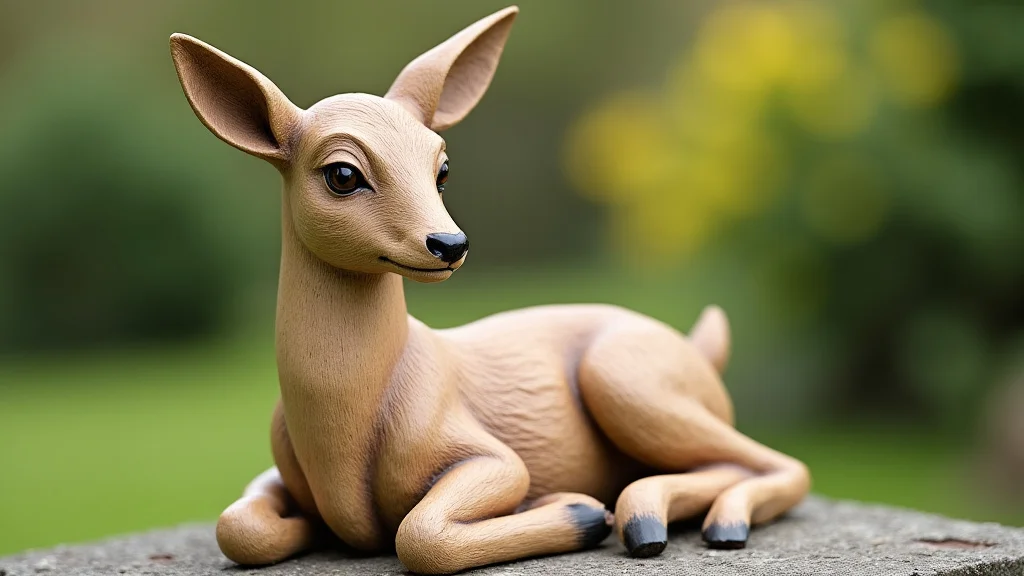
Picture this: a sunny afternoon, birds chirping, and you’re strolling through your garden. Something feels… missing. Perhaps it’s a touch of whimsy, a connection to nature’s beauty. If so, you’re not alone! Many homeowners seek ways to infuse their outdoor spaces with personality and charm. One of the best ways to achieve this is with fawn garden statues. They can transform an ordinary yard into a delightful retreat. By the end of this article, you’ll have all the details you need to select, place, and maintain these charming garden features, allowing you to create the perfect setting. You’ll gain practical knowledge to make informed choices, and discover expert tips to elevate your garden’s aesthetic.
Key Takeaways
- Discover the diverse styles and materials available for fawn garden statues.
- Learn how to choose the right size and placement for your garden.
- Understand how to care for your statues to preserve their beauty.
- Find inspiration for incorporating fawns into various garden designs.
- Explore where to find the best fawn garden statues.
- Discover the benefits of adding these charming elements to your space.
Choosing the Perfect Fawn Garden Statues
Selecting the right fawn statue involves considering several factors, including the material, style, size, and your personal preferences. The best choice harmonizes with your existing garden design and offers long-lasting beauty. Let’s explore the key aspects to guide you in finding your ideal fawn companions.
Material Matters
The material of your fawn garden statue significantly impacts its appearance, durability, and required maintenance. Different materials offer unique advantages and aesthetic qualities. The primary choices include cast stone, resin, metal (bronze, iron), and ceramic. Each material has distinct properties that influence its suitability for various climates and garden styles.
- Cast Stone: This material, typically a mix of cement and aggregate, is known for its durability and realistic appearance. It’s often weather-resistant and can withstand various temperatures. Cast stone can mimic the look of natural stone, which adds a timeless feel to your garden. This makes it an excellent option for areas with harsh weather, as it resists cracking and fading.
- Resin: Resin statues are generally lightweight, making them easy to move and position. Resin is often more affordable than materials like cast stone or bronze. This allows you to explore various designs and sizes within a budget. Modern resins are also durable, weather-resistant, and can replicate a variety of textures and finishes.
- Metal (Bronze, Iron): Metal statues, particularly bronze and iron, offer unmatched elegance and durability. Bronze statues are highly prized for their luxurious look. Iron statues have a rustic charm, perfectly fitting for gardens with a vintage or cottage style. Metal statues are incredibly sturdy and can endure the elements for decades.
- Ceramic: Ceramic fawn statues have a delicate appearance and are often hand-painted with intricate details. They bring a touch of artistry to your garden. They’re typically more fragile than the other materials. Ceramic statues are best suited for sheltered areas or regions with mild weather conditions.
Cast stone is popular because of its weight. The weight helps them stay firmly in place, and it provides a sense of quality. Their ability to age gracefully is another advantage. Over time, cast stone statues can develop a subtle patina, increasing their beauty. Consider it as an investment that enhances your landscape over many years.
Resin is versatile, meaning it can create statues in a range of designs and with intricate details. They often have bright colors or complex textures. It’s an excellent choice if you wish to experiment with different styles or themes. Keep in mind that resin may be more susceptible to fading from direct sunlight compared to cast stone or metal. Periodic maintenance, such as applying UV-resistant sealant, can extend the life of your resin fawn statue.
Bronze develops a beautiful patina over time, which enhances its aesthetic appeal. Iron can rust, which adds to its aged beauty, or be treated to prevent it. Metal statues generally demand a greater initial investment but can be a long-term addition to your garden. Their weight provides stability, so they are suitable for areas that experience high winds. These statues can provide a touch of sophistication.
Ceramic statues come in a vast range of colors and patterns. This enables you to find a perfect match for your garden’s aesthetic. Proper care, such as bringing them indoors during freezing temperatures, will help preserve their beauty. A ceramic statue will provide a charming accent, but it requires more careful placement.
Style Selection
Fawn statues come in various styles, from realistic depictions to whimsical interpretations. Your choice of style will impact the overall aesthetic of your garden. It’s important to select a style that reflects your personal taste and complements your existing landscape design.
- Realistic Fawns: These statues are crafted to closely resemble real fawns. They often have detailed features, such as lifelike eyes, fur texture, and natural poses. Realistic statues create a sense of authenticity and integrate well into naturalistic garden settings.
- Whimsical Fawns: Whimsical fawn statues feature a more playful and imaginative design. They might be stylized, with exaggerated features or creative poses. These statues add a touch of fun and personality to your garden.
- Abstract Fawns: Abstract fawn statues focus on form and shape rather than realistic representation. They might have simplified features or unusual designs. These statues are suitable for modern or contemporary gardens.
- Antique-Style Fawns: These statues are designed to look aged and vintage. They often have a weathered finish or a patina effect, adding charm and history to your space. They are perfect for gardens with a traditional or romantic aesthetic.
These statues are ideal for gardens aiming to evoke a sense of tranquility and connection with nature. They are often made from materials like cast stone or resin, which can replicate natural textures. Position them amidst plants and natural features to create a seamless visual connection.
These statues work well in gardens with a lighthearted or eclectic theme. They can become focal points, sparking conversations and adding a joyful vibe. Look for brightly colored or uniquely designed fawns to elevate the playful aesthetic.
Abstract statues will bring artistic flair to your space. They can serve as sculptural elements, drawing attention and adding visual interest. Choose a material and finish that complement your garden’s overall design, like polished metal or sleek resin.
They can bring a sense of nostalgia. Place them among classic garden features like stone pathways or rose bushes. They enhance the feeling of established beauty.
Size and Scale
The size of your fawn garden statue must be proportional to your garden space and other features. A statue that is too large can overwhelm the area. A statue that is too small might get lost among the other elements. Consider the size of your garden, existing plants, and other decorations when choosing the size.
- Small Fawns: These are ideal for small gardens, patios, or adding accents to flower beds. They are less visually demanding and can fit into tighter spaces.
- Medium Fawns: They are suitable for average-sized gardens or as part of a larger display. They offer a good balance between visibility and scale.
- Large Fawns: These make a statement in larger gardens or open areas. They can draw attention and become a key feature.
Small fawn statues can create a sense of intimacy and charm. They also provide flexibility in positioning. You can easily move them around to different spots to see what looks best.
These statues can serve as a focal point or complement other garden features. They can create a balance in your overall landscape design.
Large fawn statues work best in open spaces, where they can be seen from a distance. Ensure the surrounding plants and features do not overcrowd the statue. This will help it have the impact you desire.
Placement and Integration
The placement of your fawn garden statues is vital to their visual impact. Think about the overall flow of your garden and how the statues will interact with other elements. Strategic placement ensures your fawns enhance the beauty of your space.
Choosing the Right Spot
Choosing the right location for your statue is essential for making it a focal point. Consider the natural light and surroundings. Selecting the right spot ensures your statues are well seen and add to the beauty of your garden.
- Focal Points: Place the statues in locations where they will draw attention, such as at the end of a path or near a seating area. Use statues to create a visually interesting focal point.
- Natural Settings: Integrate your statues amidst plants and natural features, such as flowerbeds, shrubs, or near trees. This will help the statues blend with their surroundings.
- Strategic Placement: Place statues to complement existing structures, such as a garden bench, a fountain, or a gazebo. This can add a touch of charm and personality.
Choose spots with good visibility from multiple angles. Make sure the statue can be easily seen. You can add lighting to highlight the statue during the evening.
Placing a fawn statue near a water feature or in a shaded area can also create a tranquil atmosphere. Let the environment influence your choice. This integration makes the statue appear more natural and creates a cohesive garden design.
Consider the views from inside your home. Make sure the statue is positioned where it can be enjoyed from inside. This will let you integrate the statue into your daily life.
Creating a Natural Look
The key to successful garden design is to make the statues look like they belong. Use the following tips to ensure your statues blend in seamlessly and look like they are a natural part of the environment.
- Landscaping: Plant flowers, shrubs, or ground cover around the base of the statue. This will soften the area and integrate the statue into the garden.
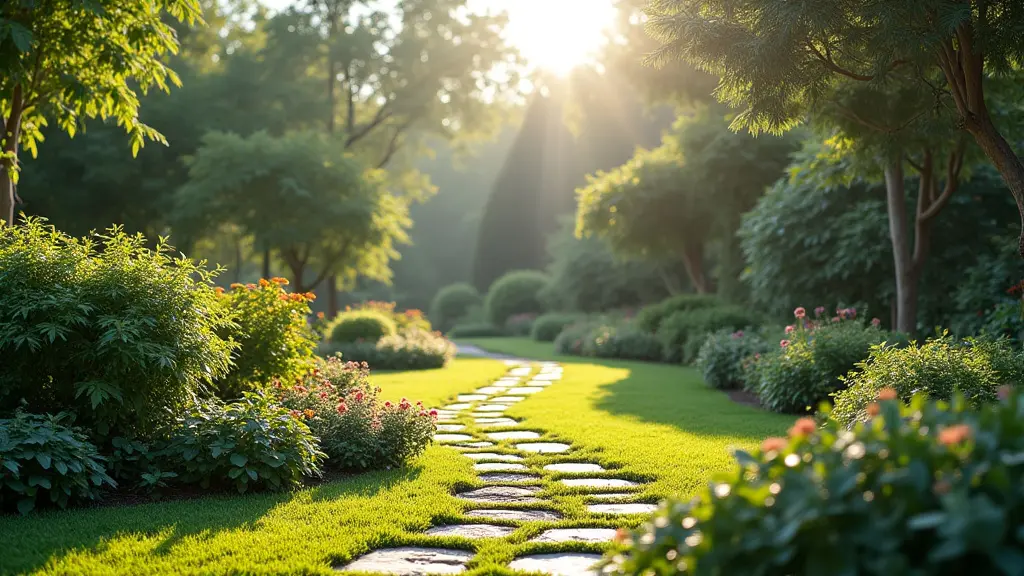
- Pathways and Walkways: Position statues near pathways to create a sense of discovery. This will encourage visitors to explore your garden.
- Water Features: Place a statue near a pond, fountain, or stream. This creates a tranquil and relaxing environment.
Choose plants that complement the style and material of the statue. For example, use flowering plants around a whimsical statue or ferns around a realistic one.
Use paths to lead the eye to the statue, making it a key feature. The paths also direct visitors through your garden, creating a narrative.
Reflections in the water will enhance the aesthetic appeal of the statue. The sound of water also provides a relaxing atmosphere. Make sure the statue is positioned where it is not likely to be damaged by the water.
Garden Design Inspiration
Use these ideas to inspire how you incorporate the fawn garden statues into your yard.
- Cottage Garden: Place a realistic fawn statue among roses, lavender, and other traditional cottage garden plants. The combination of the statue and the flowers will create a romantic and charming ambiance.
- Zen Garden: Use a simple, abstract fawn statue. Place it near a rock garden or a small water feature to create a sense of calm and serenity.
- Modern Garden: Integrate an abstract fawn statue in a modern garden setting. The statues, combined with sleek lines and geometric shapes, will complement the contemporary design.
Use weathered finishes and muted colors to enhance the cottage garden style. Add features like picket fences or gravel paths.
Incorporate elements like smooth stones and raked gravel to complement the simplicity of the statue. The goal is to provide a sense of harmony.
Use materials such as polished metal or resin with bold colors. Create a sense of balance. This will provide a visually engaging landscape.
Caring for Your Fawn Garden Statues
To preserve the beauty and longevity of your fawn garden statues, proper care and maintenance are crucial. The specific care requirements will depend on the material of your statue. Following these guidelines, you can ensure your statues remain a lovely part of your landscape for years.
Cleaning and Maintenance
Routine cleaning and basic maintenance help keep your statues looking their best. These simple actions can prevent long-term damage and preserve their appearance.
- Regular Cleaning: Gently clean your statues regularly to remove dirt, debris, and any build-up that might affect their appearance. Avoid using harsh chemicals or abrasive materials.
- Seasonal Care: Adjust your maintenance routine based on the season. During the spring, inspect your statues after winter to identify any damage.
- Protective Coatings: Apply protective coatings as needed. These coatings will protect your statues from the elements and extend their lifespan.
Use mild soap and water with a soft cloth or sponge. For cast stone or metal, a gentle scrub with a soft brush can be effective. Rinse thoroughly and allow the statue to air dry.
In the fall, prepare statues for winter by cleaning and protecting them. This could mean covering them or bringing them indoors, depending on the materials and climate. This proactive approach will help your statues last.
For resin statues, consider applying a UV-resistant sealant to prevent fading. For metal statues, consider rust-inhibiting treatments. Regular application of these protective measures helps ensure your statues stay in good condition.
Protecting from the Elements
Protecting your statues from harsh weather conditions is a key part of their maintenance. This will ensure they look good for many years.
- Extreme Weather: In areas with extreme weather conditions, take steps to protect your statues. Consider moving statues indoors during freezing temperatures or heavy storms.
- Sun and Rain: Direct sunlight and heavy rain can damage certain materials. Position statues in areas where they are partially shaded or sheltered.
- Winter Preparation: Prepare your statues for winter by cleaning and covering them, or bringing them indoors. This protects them from the cold.
If you cannot move them, cover them with protective covers. This simple step can prevent damage from the elements.
Choose a location that gives protection from excessive sunlight. This also includes heavy rain. This prevents fading and wear, improving their longevity.
Winterizing your statues will protect them. These steps are material-dependent. By preparing them properly, you can ensure they remain beautiful.
Addressing Common Issues
Even with careful maintenance, problems can arise. Understanding how to handle these issues will help you maintain your statues’ appearance and lifespan.
- Staining: Staining can occur from dirt, algae, or other environmental factors. Regularly clean to prevent stains.
- Cracking: Cracking is more common in certain materials, like cast stone. Inspect your statues regularly.
- Fading: Fading is often due to sun exposure. Consider moving the statue to a shaded area.
Use mild soap and water to remove stains. Apply specific cleaning products when needed. Prompt action is key to preventing the staining from setting in. This allows you to avoid damage to your statue.
For minor cracks, you can use specialized repair compounds. If the damage is severe, professional repair or replacement may be necessary. Catching issues early is important. It prevents small problems from becoming big problems.
For resin statues, use UV-resistant coatings. These protective measures prevent your statues from looking worn down by the sun.
Finding Your Fawn Garden Statues
The journey to find the perfect fawn garden statues can be a fun experience. Many places sell these statues. Shopping online can provide a wide variety of choices, while local retailers offer the chance to see the statues in person. These strategies are crucial for ensuring you find the ideal fawn to elevate your garden.
Online Retailers
The internet provides a vast selection. You can browse various styles and compare prices, all from the comfort of your home.
- E-commerce Websites: E-commerce websites offer a broad range of fawn garden statues. These sites provide a user-friendly way to shop.
- Specialty Garden Stores: Several online specialty stores focus on garden decor, including fawn statues. These stores often feature unique or handcrafted statues.
- Marketplaces: Online marketplaces can offer a wide range of options from various sellers. You will be able to see a selection of statues.
Search for terms like ‘fawn statues for garden’ or ‘outdoor fawn statues’. Sort by price, material, and customer reviews to refine your search. Before making a purchase, read customer reviews. This helps you get a sense of product quality.
Check the specialty garden stores’ websites for sales and promotions. Browse the collections to discover distinctive designs. Consider the website’s return policy. This protects you in case the product does not meet your expectations.
Compare the prices from different sellers. Read the seller reviews before making a purchase. Pay attention to the shipping policies. This will allow you to make an informed choice.
Local Retailers
Visiting local stores allows you to see the statues in person. It gives you the chance to assess the quality. It can be a hands-on experience before committing to a purchase.
- Local Garden Centers: Visit your local garden centers to explore their selection. These centers often have a curated display of statues.
- Home Improvement Stores: Many home improvement stores stock fawn garden statues, often at competitive prices. You will have access to a variety of options.
- Specialty Decor Shops: Specialty decor shops provide unique and high-quality statues. These shops offer a curated selection of garden decor.
Talk to the staff for advice. Look for sales and promotions. Compare the prices. This will help you find the best value.
Check the store’s seasonal displays for special offers. Compare the selection to ensure you find a statue that meets your needs. Read customer reviews.
Inquire about their return policies. This allows you to make a more informed choice. Check for discounts or sales. This enables you to find a high-quality statue at a reasonable price.
Enhance Your Garden with Fawn Statues
Adding fawn garden statues will transform your outdoor space. They introduce a touch of charm and whimsy. They become focal points that will capture your heart. You can choose the perfect statues to make your garden a serene and inviting place.
Common Myths Debunked
Myth 1: Fawn statues are only for children’s gardens.
In reality, fawn garden statues can enhance any garden style. With various designs and styles, they fit a range of aesthetics, from classic to modern. Adults love these statues as much as children do.
Myth 2: Fawn statues require a lot of maintenance.
The level of maintenance depends on the material. Cast stone and metal statues are very durable and require minimal upkeep. While some materials, like resin, may benefit from occasional cleaning or protective coatings, overall, they are easy to maintain.
Myth 3: All fawn statues are expensive.
Prices vary. Resin statues are often affordable. There are budget-friendly options that fit any price range. Consider sales and discounts for better deals.
Myth 4: Fawn statues don’t suit all climates.
There are materials appropriate for all climates. Choose statues made from durable, weather-resistant materials like cast stone or certain metals. These will endure harsh weather conditions.
Myth 5: Choosing a fawn statue is difficult.
Selecting a fawn statue is a fun process. There are many options. Consider your garden’s style, your personal preferences, and the available materials. There is a perfect fawn out there for everyone.
Frequently Asked Questions
Question: What material is best for outdoor fawn statues?
Answer: Cast stone, metal, and certain types of resin are excellent choices for outdoor use because they are weather-resistant and durable.
Question: How do I clean my fawn garden statue?
Answer: Use mild soap and water with a soft cloth or sponge. Avoid harsh chemicals or abrasive materials. Rinse thoroughly and let it air dry.
Question: Can I place my fawn statue in direct sunlight?
Answer: It depends on the material. Resin statues may fade in direct sunlight, so it’s often best to place them in a partially shaded area. Other materials, such as cast stone, are more resistant to sun damage.
Question: What size fawn statue should I buy?
Answer: Consider the size of your garden and the other features. Choose a statue that is proportional to the space and other elements in the area.
Question: How can I protect my fawn statue during winter?
Answer: Depending on your climate and the statue’s material, you may want to cover it, bring it indoors, or place it in a sheltered location during the winter months.
Final Thoughts
Incorporating fawn garden statues into your landscape is a rewarding experience. From selecting the appropriate materials and sizes to placing them strategically, each decision contributes to a captivating and harmonious outdoor setting. Consider your personal style and garden theme to choose fawns that integrate with your landscape. Regular care and maintenance will ensure that your statues maintain their beauty for years. Embrace these charming features to bring a touch of enchantment and natural beauty to your garden, creating a space you will treasure.
Leave a Reply